
If 2025 has taught us anything, it’s that patients don’t just Google symptoms — they conduct in-depth investigations worthy of a Netflix documentary. And they expect your healthcare brand to deliver expert commentary and reliable facts. This is what content marketing is for.
Modern healthcare content strategy is about guiding nervous, sleep-deprived searchers from “Should I worry?” to “I know what to do next.” And when done right, it boosts your visibility and fills your appointment schedule.
This guide breaks down the tactics you need for 2026 in the healthcare industry: what to create, how to make it actually helpful, and where to publish it — all without spending your entire budget on ads.
What Is Healthcare Content Marketing? (And Why Everyone Keeps Talking About It)
Content marketing for healthcare means sharing helpful information that answers people’s health questions and gently guides them toward your clinic, hospital, or service.
When someone searches “Is this cough serious?”, “How much does laser eye surgery cost?”, or “Best dermatologist near me,” the clinic that explains it clearly — without scaring or confusing people — becomes the one they trust. And it’s a direct correlation between trust and making an appointment in patients' heads.
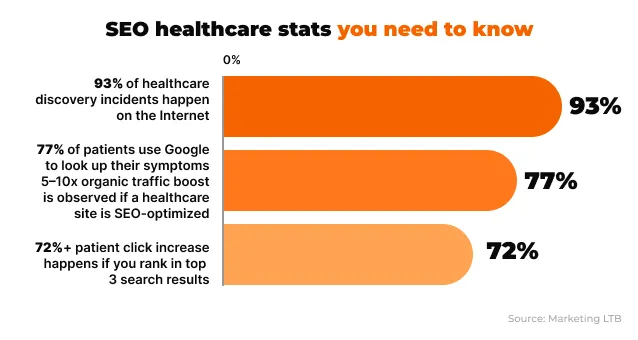
Healthcare content marketing is about creating and sharing things like:
-
Blog articles (e.g., “How to prepare for your first cardiology appointment”)
-
Videos from doctors explaining treatments
-
Social media posts with tips, FAQs, or healthcare myths
-
Infographics about symptoms or prevention
-
Patient guides, checklists, and e-books
-
Website pages explaining diseases, conditions, and services, etc.
Why You Can’t Skip Content Marketing?
Patients Googling symptoms, reading reviews, watching doctors on TikTok, and only then deciding who feels trustworthy enough to poke, scan, or treat them. Guess what guides them through this process? Your content.
-
Patients Google everything. People don’t immediately schedule an appointment. They panic-Google “weird chest feeling after coffee” first, and then fall into a rabbit hole of articles. And the stats back it up: 65% of patients search online before contacting a doctor.
-
Content helps you show up on Google. You write good content → Google sends you more patients. 72% of healthcare marketers say content improves search rankings and website traffic because it gives Google more helpful information to show people.
-
Content makes people trust you (even before they meet you). Healthcare decisions are scary. 58% of people say they trust a company more when its content teaches them something helpful instead of just trying to sell.
-
A content marketing strategy helps save money on ads. Content marketing costs about 62% less than traditional medical marketing, while generating more leads.
We at Netpeak work with medical businesses every day and know how to create healthcare content that fills your schedule. If you want some help with your content marketing strategies, give us a call!
Healthcare Content Trends Shaping 2026
Healthcare content in 2026 can’t be slow, dull, or buried in medical jargon anymore. Patients want answers right now, not after scrolling through three pages of Latin. Here are the leading trends for you:
|
What It Means |
Business Importance |
|
|
AI-Assisted Healthcare Education |
Healthcare providers use AI to create more precise explanations, quick symptom guides, and simple FAQs. AI can also personalise the information, making it feel tailor-made just for them. |
Because AI handles the repetitive questions, it takes pressure off the front desk and medical staff. |
|
Short-Form Doctor Videos |
Quick TikTok-style clips from real doctors beat long articles — patients want fast answers. |
Videos build trust because patients can see the expert who is giving the advice. They’re also easy to share, so that you can reach your audience organically. |
|
Zero-Click Search Results |
Google shows answers directly on the results page. And your organization could be there thanks to healthcare GEO. |
Clinics need short, clear summaries that Google can easily feature. Landing in these spots boosts your visibility — even when users don’t actually click into your site. |
|
Interactive Content |
Quizzes, symptom checkers, self-assessment tools, and checklists make healthcare more enjoyable. |
People like interacting more than just reading — it makes healthcare information simpler and less intimidating. These tools also show you what patients are looking for and what matters most to them. |
7 Simple Tactics to Level Up Your Healthcare Content
If your content feels like it’s trying its best but still needs a little pep talk, these seven tactics will fix that. Each one is simple to understand — and even simpler to start using.
Tactic 1: Answer the Questions Patients Already Have
Patients don’t search for medical terms — just for real-life problems. Your job is to answer them clearly in your content.
For example, don’t name an article “Rhinoplasty Indications & Contraindications.” Better write: “Is a Nose Job Right for Me?” These attract real humans, not just medical students.
Case Study: We at Netpeak helped Oxford Medical — a clinic network with 38 branches in 22 cities — improve its visibility in the Cosmetology category on Google. To make that happen, our team:
-
Enhanced the content across the category
-
Updated older blog articles
-
Created new, well-structured pages with strong keywords
-
Added functional blocks like doctor info, prices, and FAQs
-
Strengthened internal links between blog posts and category pages
Results: The Cosmetology category saw an 80% increase in traffic, a 122% increase in visibility, and a jump in market share from 11.16% to 16.05%.
Tactic 2: Put Your Healthcare Professionals on Camera
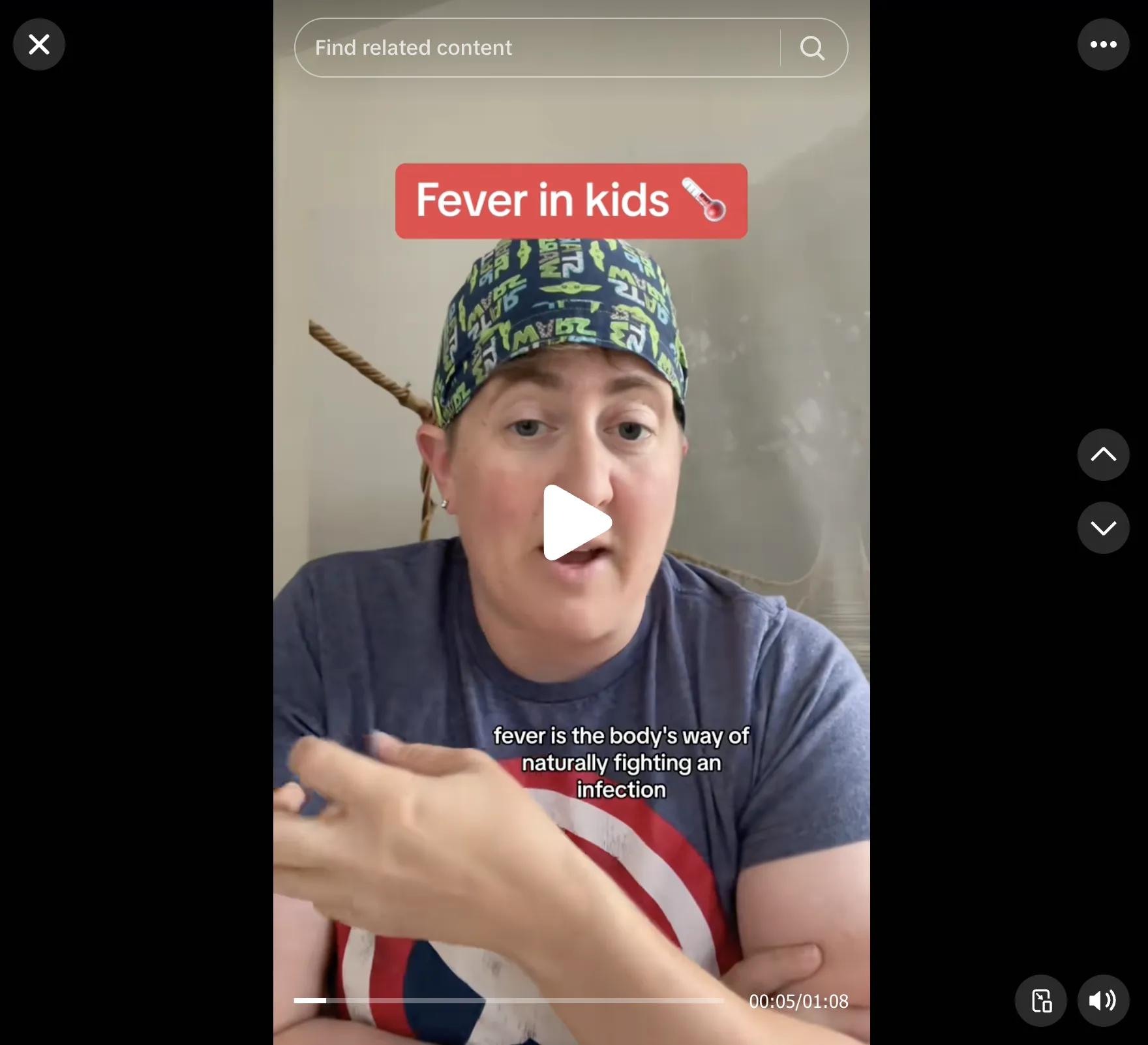
People want to hear advice from experts, so show them. Sometimes, a 30-60-second video can attract patients better than a 1,000-word article.
For example, your pediatrician can film a quick TikTok video: 'Three signs your child’s fever needs medical attention.' Parents would see it, trust a doctor, and book an appointment.
Tactic 3: Break Complex Topics Into Simple Visuals
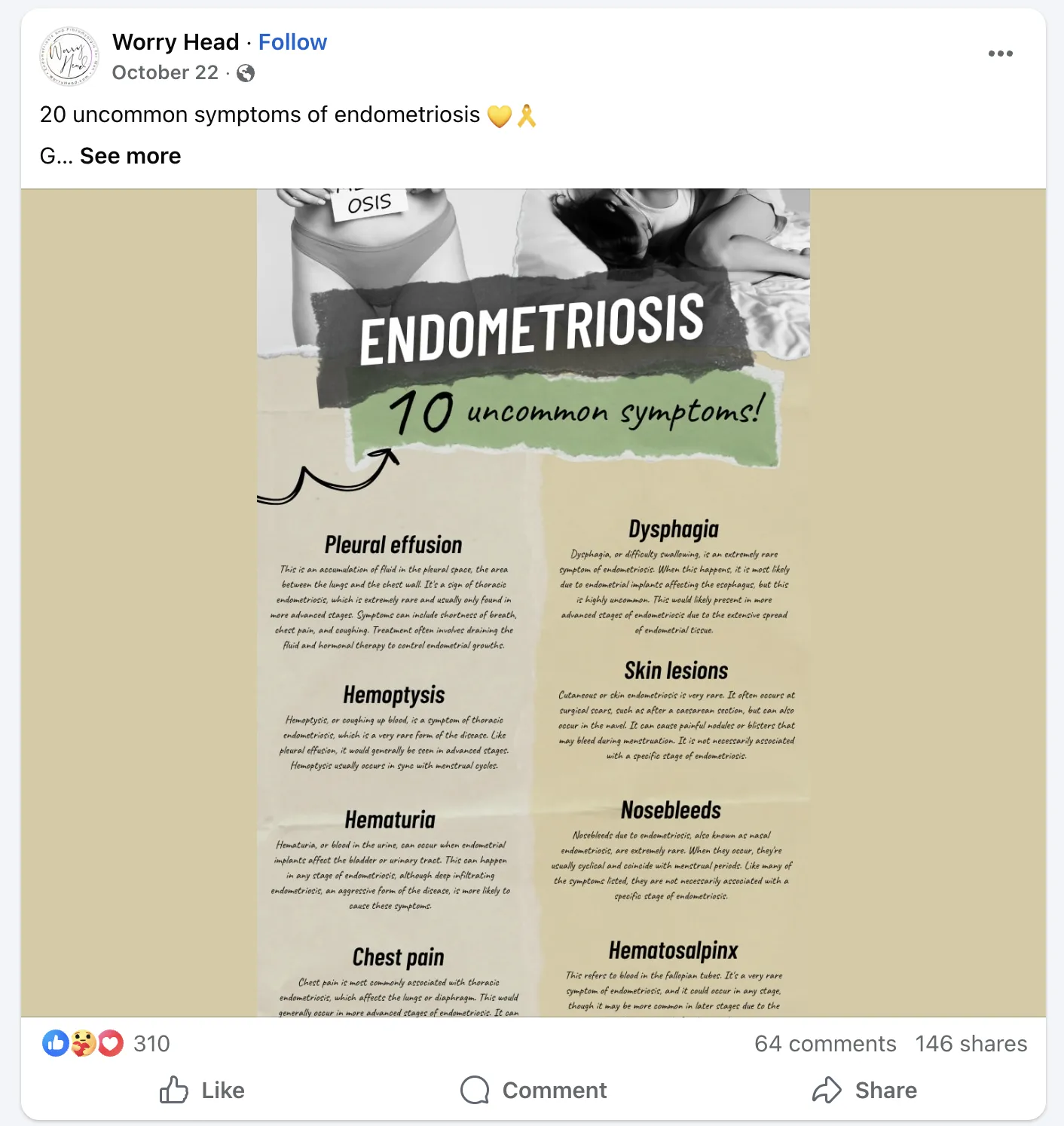
To make complex concepts easier to understand, use infographics and symptom checklists.
For example, your cardiology clinic can post on Facebook: “20 Uncommon Symptoms of Endometriosis”. Patients would share it, save it, and remember who helped them.
Tactic 4: Build Service Pages That Actually Explain the Service
Many websites in the healthcare industry list treatments without explaining them. This leaves patients reading but not knowing what it means. This is an easy way for them to become confused and leave the site.
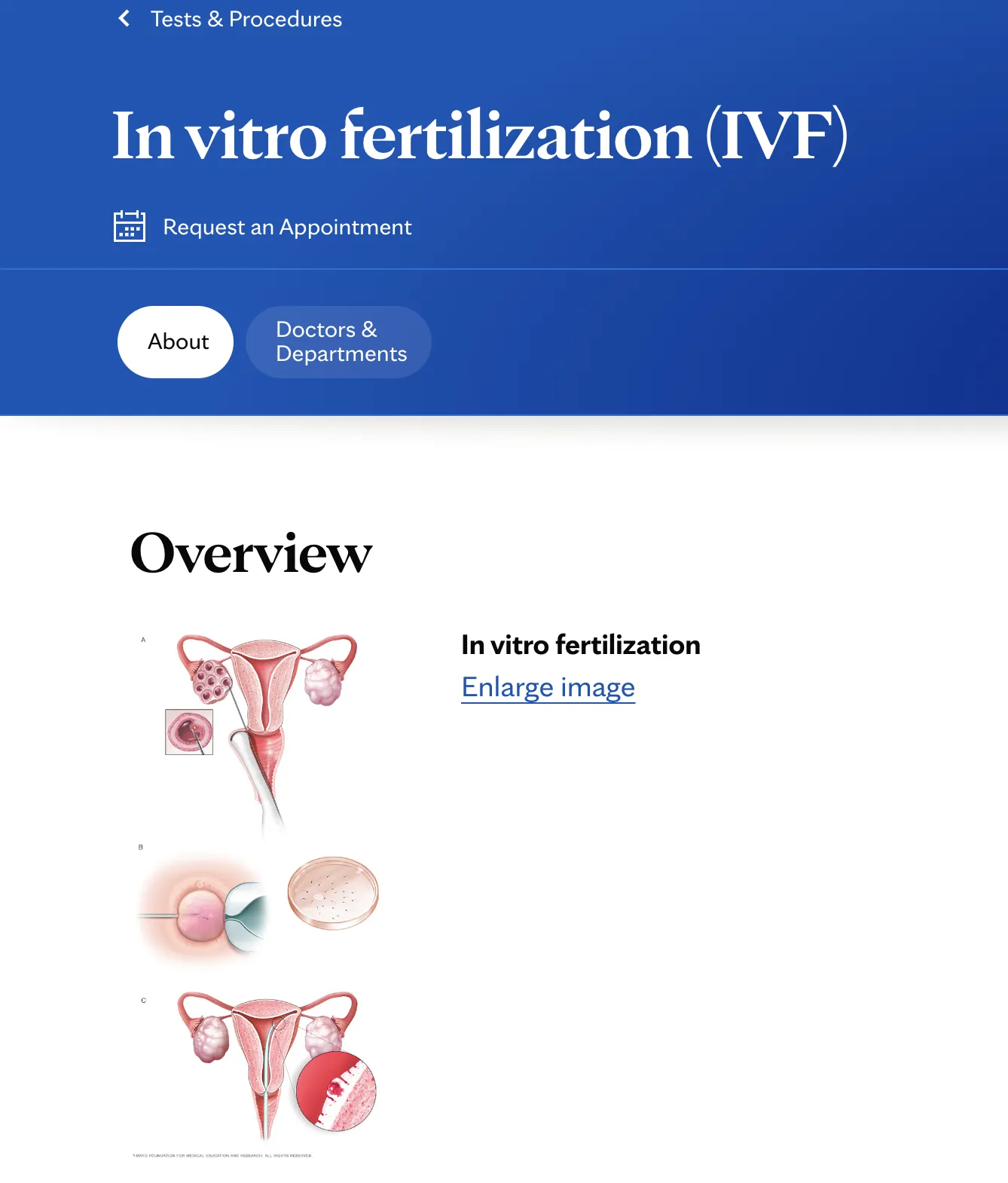
For example, if you’re a fertility clinic, you can rewrite your dry IVF page into: “IVF Explained: Steps and Risks.” Pages like this convert better because they answer what people actually want to know.
Tactic 5: Use Localized Content to Get “Near Me” Searches
People don’t want to travel far for healthcare. To make healthcare SEO (Search Engine Optimization) work and appear in “near me” results and on Google Maps, you need to create content that mentions your city or region.
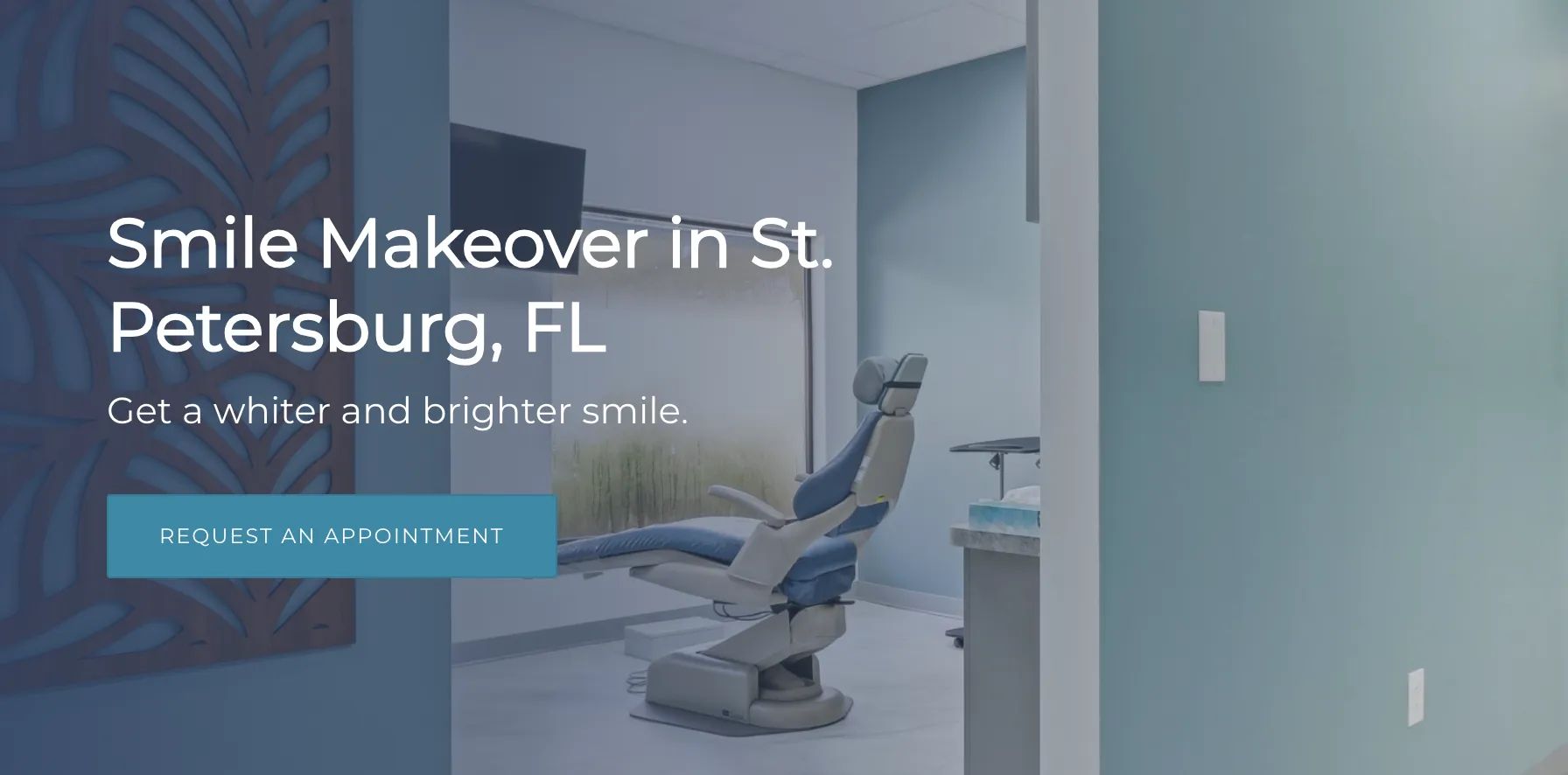
For example, instead of “Best Dental Implants Guide,” write: “Dental Implants in St. Petersburg, FL.” Now Google knows who you’re serving.
Tactic 6: Showcase Patient Stories (With Permission)
Storytelling helps patients connect with real human experiences. When people see someone who struggled with the same problem, they feel understood — and believe your clinic can help them too.
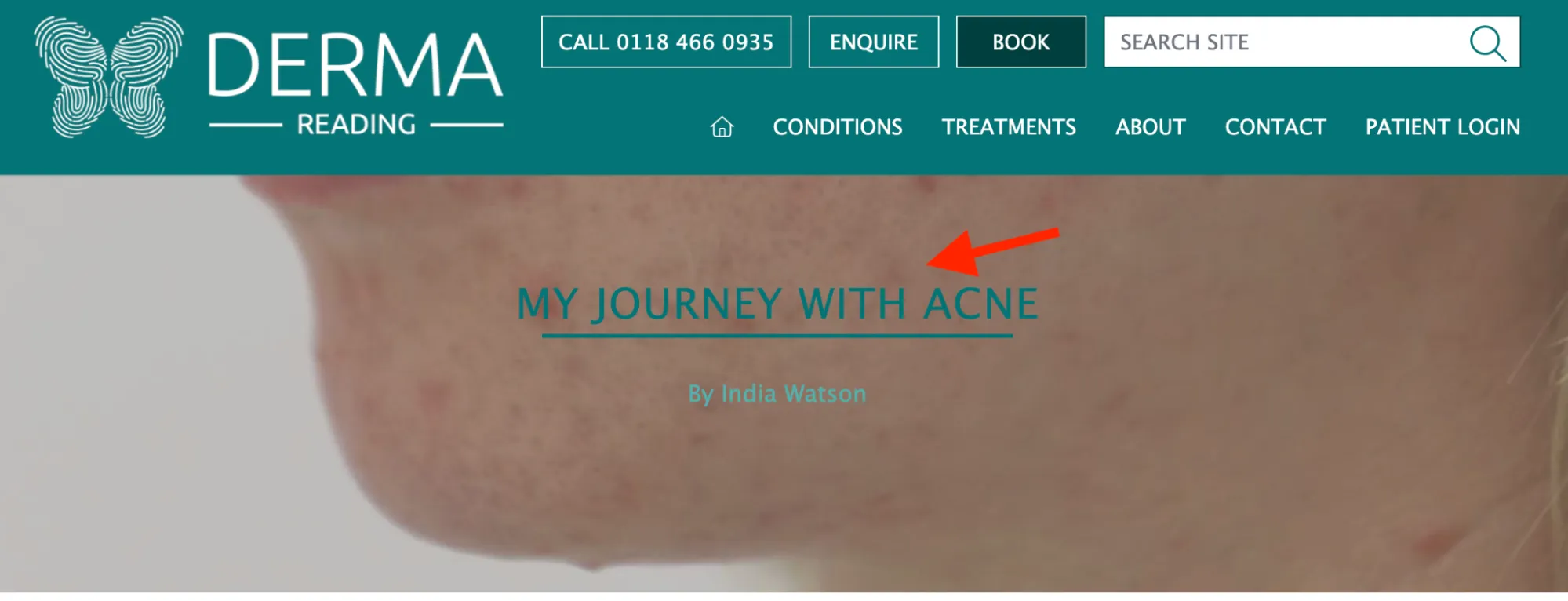
For example, a dermatology clinic can publish an article such as “My Journey with Acne” to convey real emotions and results.
Tactic 7: Offer Interactive Tools Patients Can Use Immediately
Patients love content that helps them quickly understand their situation. For example:
-
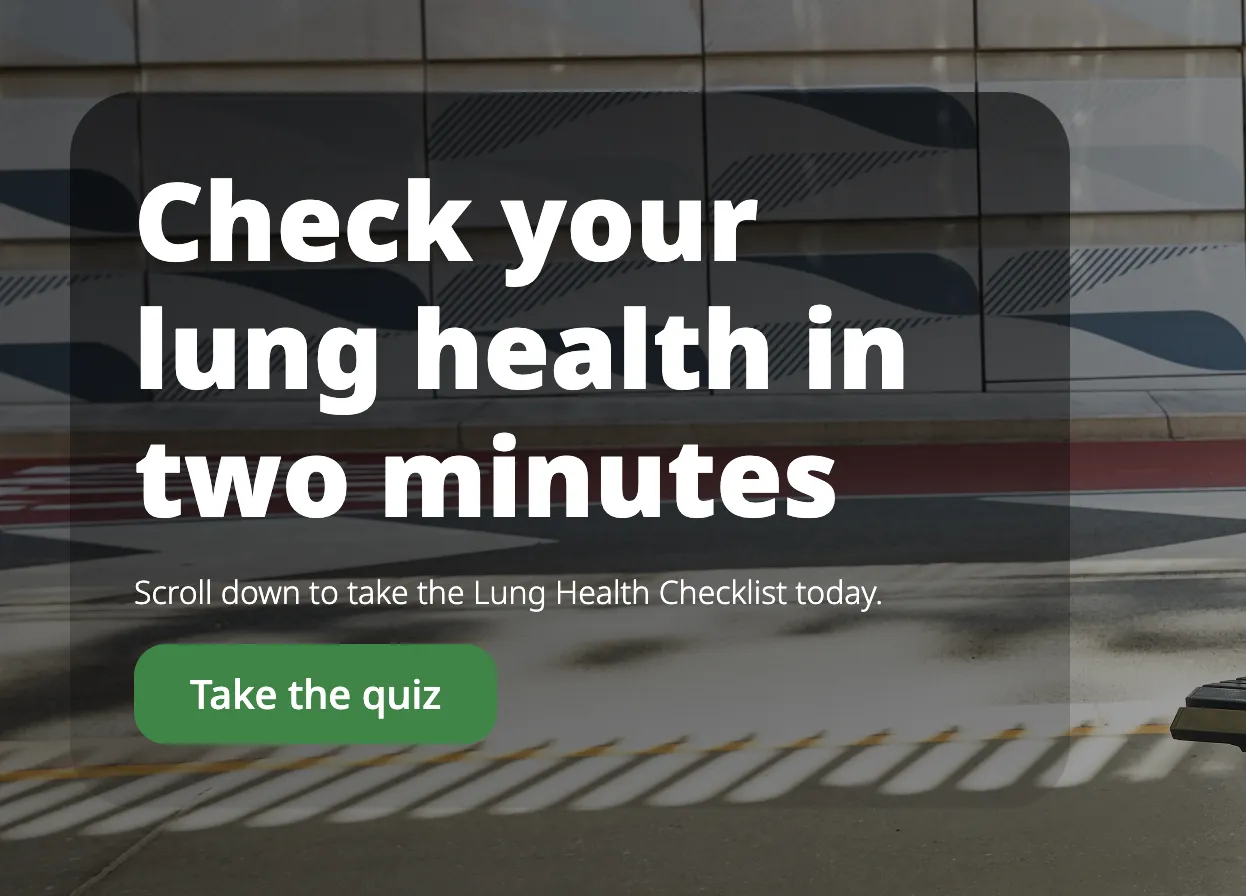
“Check Your Lung Health in Two Minutes?” quiz
-
“Back Pain Self-Assessment Tool”
-
“Surgery Preparation Checklist”
The Roadmap: 6 Steps to a Content Strategy That Brings in Patients
Think of this as the recipe for healthcare content that reads and actually does something because of it.
Step 1: Know Who You’re Creating Content For
Every article and video should speak to a specific audience, and you should know who those people are. For example, a pediatric clinic has two primary target audiences:
-
Parents who worry about fevers, allergies, and the development of their small children.
-
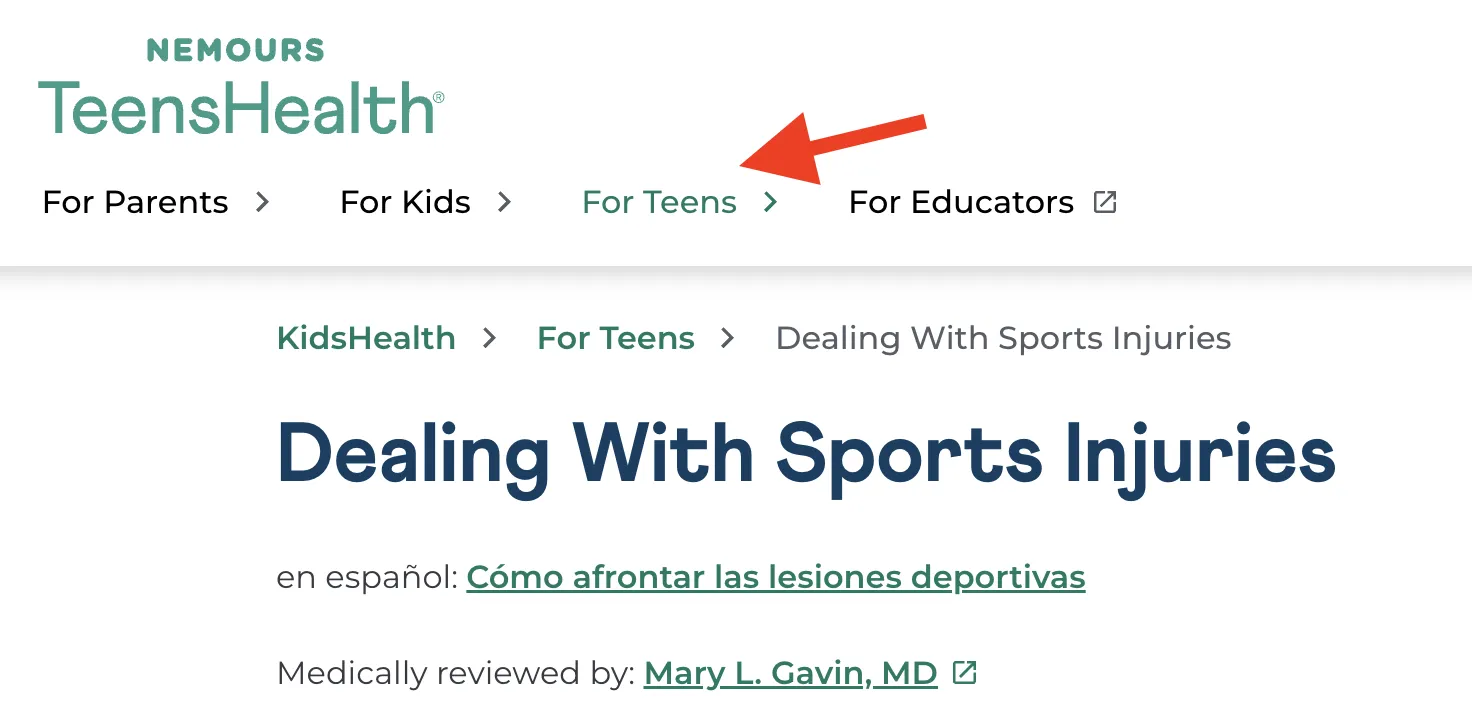
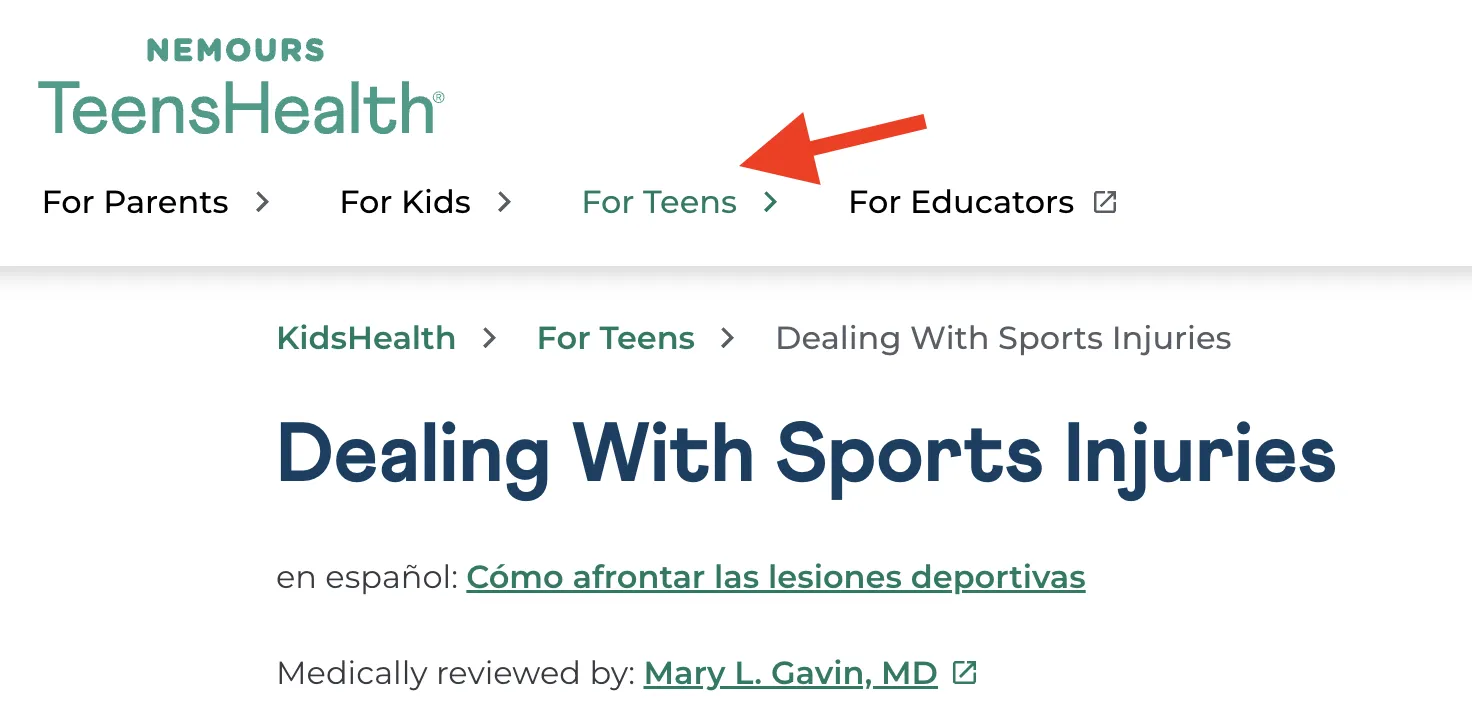
Teenagers who want to read about their own acne and sports injuries.
Step 2: Find Topics Patients Actually Care About
Pick topics that solve real problems, not just topics doctors like discussing. How to find them:
-
Look at the most common patient questions. Useful tools: Google Forms (to collect questions), Hotjar Feedback Widgets, and WhatsApp Business (common chat questions).
-
Check what people search for on Google. Useful tools: Google Search Console (your real keyword data), Google Keyword Planner, and AnswerThePublic (patient question ideas).
-
Ask your frontline staff what people struggle to understand. Receptionists, nurses, and call center teams hear the same questions repeatedly. These are perfect content topics.
-
Review your appointment trends. Your most booked services deserve more content. Your underbooked services need content explaining their value.
Step 3: Be Helpful, Not Just Chatty
To create valuable content, you need to explain topics clearly and help patients take the next step. It should be specific and actionable.
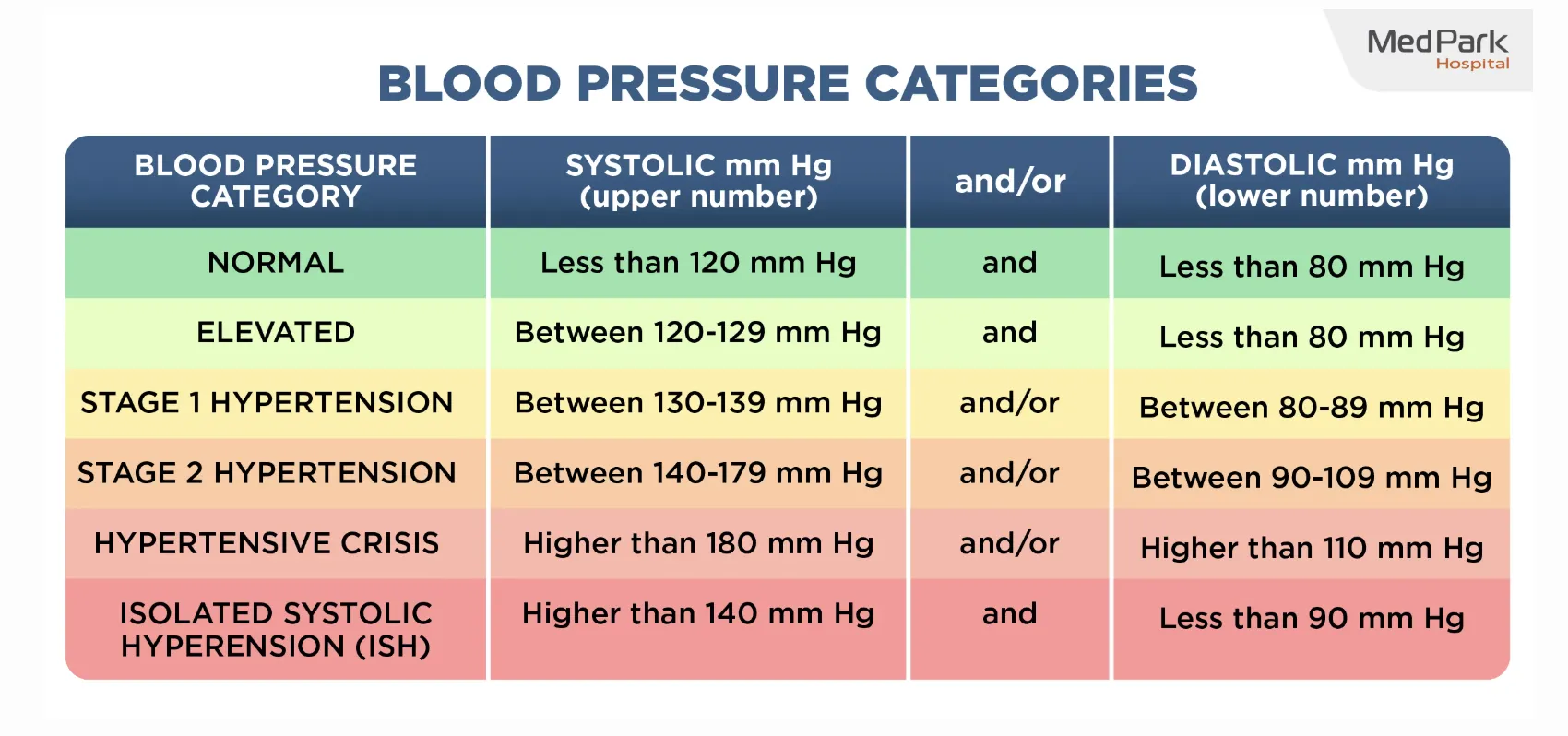
For example, instead of writing: “High blood pressure is dangerous and needs medical attention.” Write: “5 early signs of high blood pressure + when to see a cardiologist.” And add a list of blood pressure categories.
Step 4: Don’t Rely on Just One Channel — Mix It Up
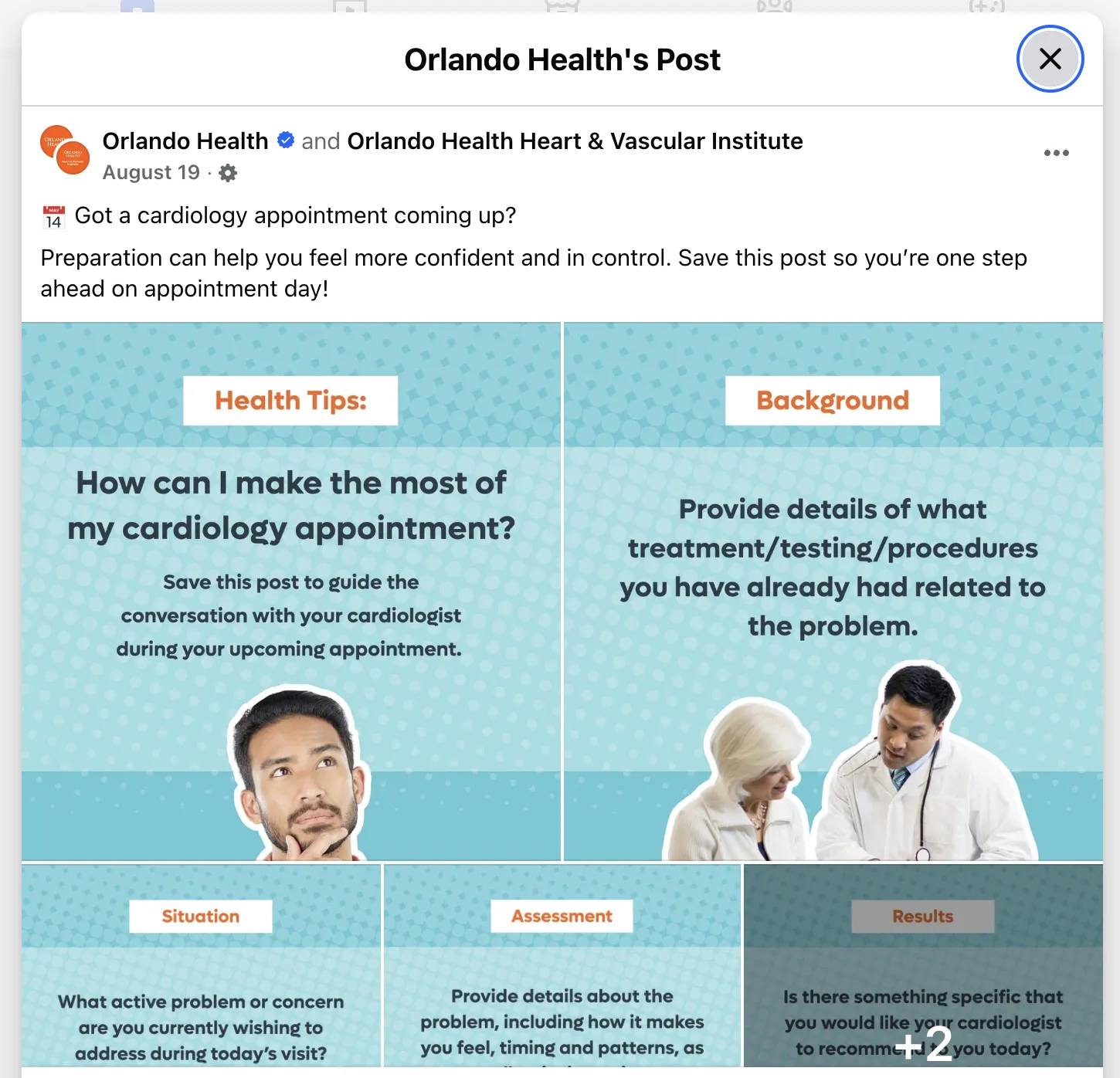
Your content should click with patients and appear wherever they look. You can use one article to create different formats to share. For example, if you wrote a blog post: “How to Prepare for Your First Dermatology Appointment,” you can use it to create:
-
Short video: where the doctor explains the topic in 45 seconds
-
Instagram carousel: “5 things to bring with you”
-
Email newsletter: simplified version + link to the article
Step 5: Use Plain Language, Not Medical Jargon
Healthcare is stressful enough — don’t make it more complicated with complex terms or long paragraphs. Use simple words, bullet points, visuals, and short sentences for medical writing.
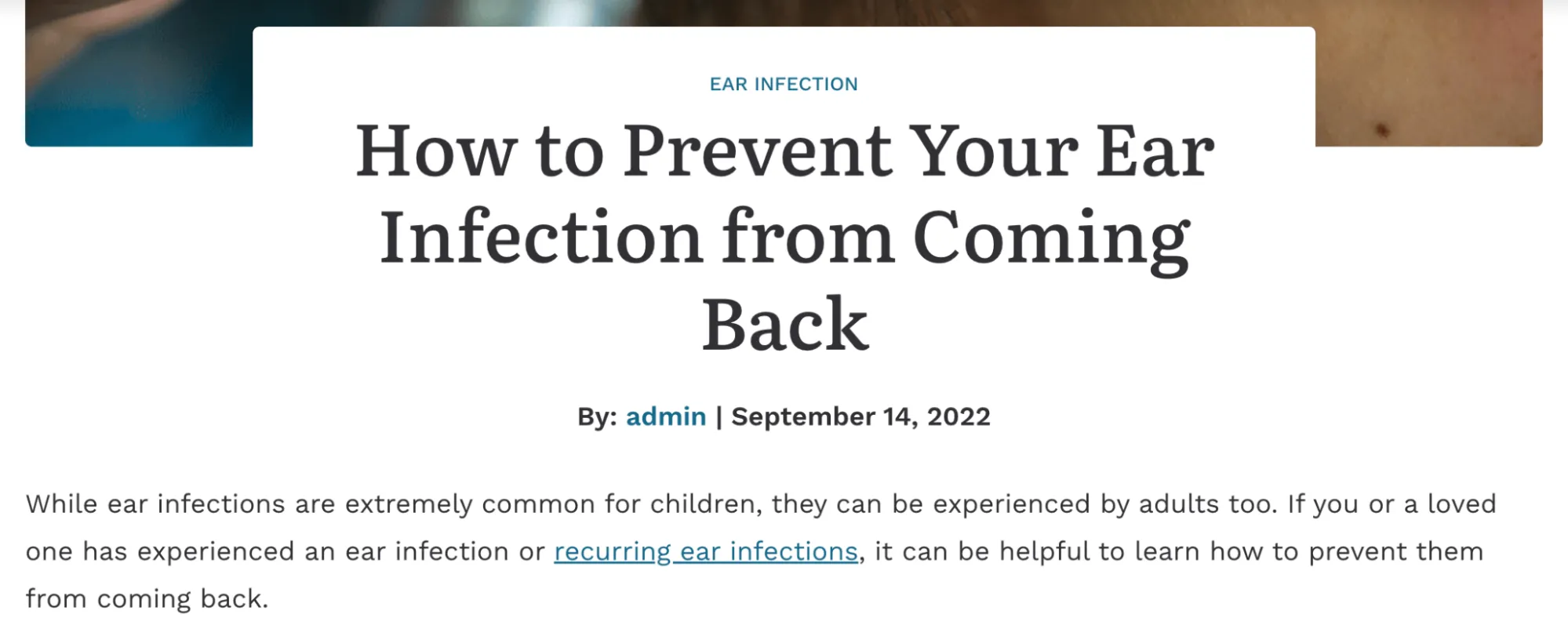
For example, instead of: “The etiology of chronic otitis media…”

Write instead: “If you or a loved one has experienced an ear infection or recurring ear infections, it can be helpful to learn how to prevent them from coming back.”
Step 6: Keep a Steady Content Rhythm
Your audience needs to see you show up regularly — consistency signals reliability and expertise. A steady flow of content also helps Google understand your site is active, which improves rankings over time.
Example of a repeatable content system:
Weekly:
-
“Myth-Busting Monday” videos. Quick clips where doctors debunk common misconceptions — perfect for Instagram, TikTok, and YouTube Shorts.
-
Google Business Profile updates. Short content updates that boost local visibility and keep your profile fresh.
Monthly:
-
Doctor-authored articles. Deep dives into conditions, treatments, or patient FAQs. Even one article a month builds a strong library over time.
-
Newsletter with doctor tips + clinic updates. Keeps your clinic top-of-mind for patients and encourages repeat visits.
Seasonal guides:
-
Flu season survival guides
-
Allergy season tips
-
Summer injury prevention
-
Winter skincare routines
Step 7: Be HIPAA-compliant
If a clinic, hospital, or healthcare marketer works with patient data in the U.S., they must be HIPAA-compliant and follow strict rules.
HIPAA is a U.S. law that protects the privacy and security of patients’ health information. The full name is the Health Insurance Portability and Accountability Act.
In simple terms, HIPAA makes sure that:
-
Doctors, clinics, and insurers don’t share medical data without permission.
-
Health information is secured on electronic devices.
-
Patients can control their medical information.
Is Your Content Doing Its Job? Here’s How to Tell
Creating content is only half the job — the real magic happens when you peek behind the curtain and see what actually worked. Tracking your results shows which articles, videos, or patient tools are becoming your top performers and filling up your appointment calendar.
Here are the metrics for you to track:
|
What It Measures |
Tools to Use |
Why It Matters |
|
|
Website Traffic |
How many people saw your content on your website? |
Your website traffic tells you how many potential patients are actually finding you online. |
|
|
Search Rankings |
How high does your content appear in Google? |
• Ahrefs • SEMrush |
If search rankings are higher, it means more people find you without paid ads. |
|
Engagement |
Do people actually read or watch your content? |
• GA4 (Engagement reports) • Hotjar |
Strong engagement (reads, clicks, time on page) shows your content is connecting with real patient needs. |
|
Conversions |
Did someone take the action you wanted (booking, form filled, download, call)? |
• GA4 (Events & Conversions) • CallRail • HubSpot |
Higher conversions mean your content is driving revenue. |
|
Leads |
Number of calls, messages, or inquiries from your content. |
• CallRail • HubSpot CRM |
Growing leads expands your pipeline of future patients and appointments. |
|
Patient Feedback |
What patients say about your content — what helped, what confused them. |
• Surveys (Google Forms) • Hotjar feedback widgets |
Helps you improve content and patient experience. |
|
Appointment Growth |
Did your content lead to more bookings over time? |
• GA4 (Goal tracking) • CallRail (call conversions) • Your clinic CRM |
This is the clearest signal that your marketing translates into business results. |
|
Cost Savings (Less Spent on Ads) |
How much organic content reduces your need for PPC healthcare marketing. |
• GA4 (Cost analysis with Google Ads link) • SEMrush (organic vs paid) |
When your content performs well, you rely less on paid ads to bring patients in. Over time, this lowers your acquisition costs and makes your marketing budget work much harder for you. |
Final Thoughts
Healthcare content marketing isn’t rocket science, but it's close. In both cases, you need to know what you’re doing inside out.
Patients don’t care how many Latin terms you know, so stop including them in your articles. People want someone who will calm them down and tell them what to do. Do they need to pay a lot of money for the visit, or can it wait? Are their cracked knees a symptom of Lyme disease, or do they just need to get some exercise?
If you can answer patients’ questions, your clinic will become a trusted source. This is important because they will be ready to trust you with their health and their lives.
If you’re running low on marketing ideas, check out our article on leading healthcare marketing trends.
FAQ
Why is marketing for healthcare difficult?
As it is regulated, based on trust and highly personal, exaggeration is not an option; you must stay compliant, and patients must choose carefully. On top of that, medical topics can be scary or sensitive, so it's crucial that your messaging makes people feel safe.
What makes healthcare content marketing unique?
It needs to be accurate, precise, and compassionate at the same time. You’re not just promoting a service — you’re helping people make important health decisions. One unclear sentence can confuse a patient, so precision really matters.
And the more helpful your content is, the more your brand becomes a trusted source of advice.
What kinds of content exist for healthcare companies?
Blogs, service pages, doctor videos, patient stories, symptom checklists, guides, FAQs, infographics, newsletters, and even interactive tools like quizzes. The goal is to meet patients where they are and answer the questions they actually have.
Educational content builds trust, while stories and videos make your clinic feel human. A good mix helps engage different types of readers and learning styles.
How does content marketing help clinics get more patients?
It builds trust, boosts Google visibility, and answers patient questions early — so when they’re ready to book, your clinic already feels familiar and reliable. Helpful content positions your doctors as experts rather than strangers. It also reduces fear and confusion, which makes booking feel easier.
Over time, this creates a steady flow of organic, high-intent patients.

 0
0
 0
0
 0
0
 0
0
Related Articles
13 Leading Healthcare Marketing Trends for 2026
Discover the 13 hottest healthcare marketing trends in 2026 that will help your brand stay ahead, engage patients, and drive results. Stay smart, stay relevant!
Local SEO for Home Service Companies: 8 Fool-Proof Ways to Reach Your Customers
When something breaks, people go straight to Google to find a plumber, an electrician, or a roofer right away. And local home services SEO is what makes sure you’re the one they find (and choose!) instead of your competitor.
Local SEO for Construction Companies Explained
If clients can’t find you online, they hire someone else. Learn how local SEO puts your construction business in front of ready buyers.