
AI content rushed into our lives and is here to stay. Up to 90% of online content could be created or touched by AI by next year. What can we say: work smarter, not harder. But did search engines allow content like that? Will it hurt your SEO results if you use AI to generate articles?
AI and SEO are the ultimate frenemies: they can amplify each other or accidentally sabotage everything you’ve worked so hard for. Nevertheless, the impact of AI is undeniable.
Let’s explore how AI-generated content really affects SEO, what Google says about it, and the best ways to use AI for SEO and drive traffic for your brand like a trampoline.
AI-Generated Content + SEO: Power Couple or Toxic Relationship?
Before artificial intelligence, creating SEO content was so much slower and very human-heavy:
-
Content briefs took hours because every outline had to be built from scratch.
-
Drafting articles from an empty page increased procrastination.
-
Updating old content was rare and only after Google penalties.
-
Competitor analysis meant opening 12 tabs and playing detective.
AI emerged with the introduction of ChatGPT in 2022. Gemini and Claude followed soon after, and AI then became widespread. SEO content teams suddenly gain Flash-level speed in creating drafts and generating outlines.
While this is impressive, when something sounds too good to be true, it usually is. AI brings useful tools, but also challenges. Let’s dig in.
AI Content + SEO: Perks
AI can help with content in three different ways:
|
How It Works |
Example |
|
|
AI Generation |
You give the AI a prompt for an article, and it creates a draft for you. You still edit, review, and add expertise before publishing. |
“Write a blog post comparing three VPN tools.” You’ll get generic text with no practical value for the reader. |
|
AI Automation |
AI attaches directly to the website, so content is produced with little or no human touch. |
An API system that connects to your website and helps:
|
|
AI Assistance |
AI helps the writer with their tasks while creating content. |
AI can suggest subtopics, pull a relevant statistic, rewrite a paragraph, etc. |
Google’s algorithms love it when websites use the last one in their work — because the writer controls every step of creation and final result.
Here are more AI perks for you:
-
You create more content. AI is so fast in turning keyword lists into outlines, outlines into drafts, and drafts into polished content. Business impact: Google loves it when you publish content more often, so it ranks your website higher.
-
You can scale with a small team. AI removes some of the manual, time-consuming steps from content creation. So, you don’t need to hire more writers or editors. Business impact: Per-article production costs are lower, so you can write more with the same team.
-
Stronger content structure. AI is excellent at organizing ideas logically, matching user intent, adding FAQs, suggesting headings, and ensuring the article actually answers the user’s question. Business impact: Users stay on the page longer.
-
AI makes updating content easier. AI speeds up rewrites, suggests missing sections, and checks for accuracy gaps. Business impact: Content updates improve rankings and help recover declined pages.
AI Content + SEO: Challenges
AI is excellent when it's under a writer's control, but problems begin when you give it an editor-in-chief and think that the robot knows better.
-
AI at scale triggers Google’s spam signals. Creating dozens of auto-generated pages “just to rank” is precisely what Google classifies as spam. Business impact: Google may start to treat you as a low-quality publisher, so entire sections of your site may drop in rankings.
-
AI can use inaccurate data. AI writes confidently, even when it’s their hallucinations. In YMYL topics (healthcare, finance, legal), even a single incorrect statement can instantly break trust. Business impact: Lower conversions and risk of Google devaluing pages for poor content quality.
-
AI creates low-value content. Google’s Helpful Content System was designed to find and demote content that adds nothing new, and it does its job well. Business impact: Pages are starting to appear far from the first page.
Google’s Content Rules: The Do’s, the Don’ts, and the “Please Don’ts”
Google's content rules aren't mysterious — they all come down to quality.
1. Content Should Be Helpful
Google looks for one main thing: Does your article genuinely help the person who searched for it? Google evaluates helpfulness using engagement signals such as the amount of time spent on the page and a low bounce rate.
You can check these metrics for your articles using:
-
Google Analytics (time on page, bounce rate, engaged sessions, scroll depth, etc.)
-
Google Search Console (click-through rate (CTR), average position, impressions, and queries).
-
Hotjar (heatmaps, session recordings, and scroll tracking) — great for understanding how visitors actually interact with your content.
2. E-E-A-T: Google’s Quality Compass
Google’s framework for trustworthy content is called E-E-A-T. That means that in articles, you need to provide:
-
Experience
-
Expertise
-
Authoritativeness
-
Trustworthiness
Google wants to ensure that a real expert writes your articles. With all due respect, AI is not an expert in anything. It just predicts which word will come next based on a lot of learned data.
The expert area is entirely down to humans.
3. Accuracy Is Non-Negotiable (Especially for YMYL)
Google treats areas like healthcare, finance, law, and safety as YMYL (Your Money or Your Life). The quality bar is much higher here because mistakes in this content could seriously affect readers' lives.
Google requires:
-
Correct facts
-
Up-to-date info
-
Responsible explanations
-
No exaggerated promises (“This app solves 100% of your problems!”)
4. Using AI Content Allowed
In Google’s own words (summarized): “We reward high-quality content, no matter how it’s produced.” Google is totally fine with:
|
✔ |
AI is used for research, creating outlines, and drafts. |
|
✔ |
AI-supported SEO content reviewed by a human. |
|
✔ |
Insights from people + structure from AI. |
What Google doesn’t approve:
|
❌ |
Mass-produced AI articles are created only to manipulate rankings. |
|
❌ |
Incorrect or misleading information. |
|
❌ |
Duplicate or lightly rewritten material. |
Helpful Content Update: Google’s Quality Gatekeeper
Google’s HCU is basically a giant filter that checks content for, as you can guess, helpfulness. HCU looks for signs like:
-
Is the content original, or just rewritten from other sites?
-
Was it clearly created for users, not just for SEO tricks?
-
Does it offer real value (examples, explanations, or insights)?
-
Does it look like it was written by someone who knows the topic?
The biggest challenge with AI-written content is that robots can’t produce genuinely helpful articles, no matter how hard they try: they don’t have real-life experiences or original thoughts.
Therefore, pure AI content would get stuck in the HCU filter.
So… Does Google Penalize AI-Generated Content?
Let's clear things up. Google hasn’t started a witch hunt to punish the use of AI, nor do they intend to. However, they do intend to penalise poor-quality content, whether AI or humans write it.
AI Content & SEO: Netpeak’s Smart Playbook
We at Netpeak also use AI for creating content: it’s just easier to edit a bad text than write a totally new one from scratch. AI hasn’t changed anything else: Google and our readers both expect expertise and real value.
Here are some hints from our experience with AI content that you can use.
Hint 1: Add Value AI Could Never Create
AI drafts are a starting point; they can’t be a final product because they're not good enough, even with the most excellent brief.
Content should come from someone who actually knows what they are talking about. That means that you should feel your articles with “meat”:
-
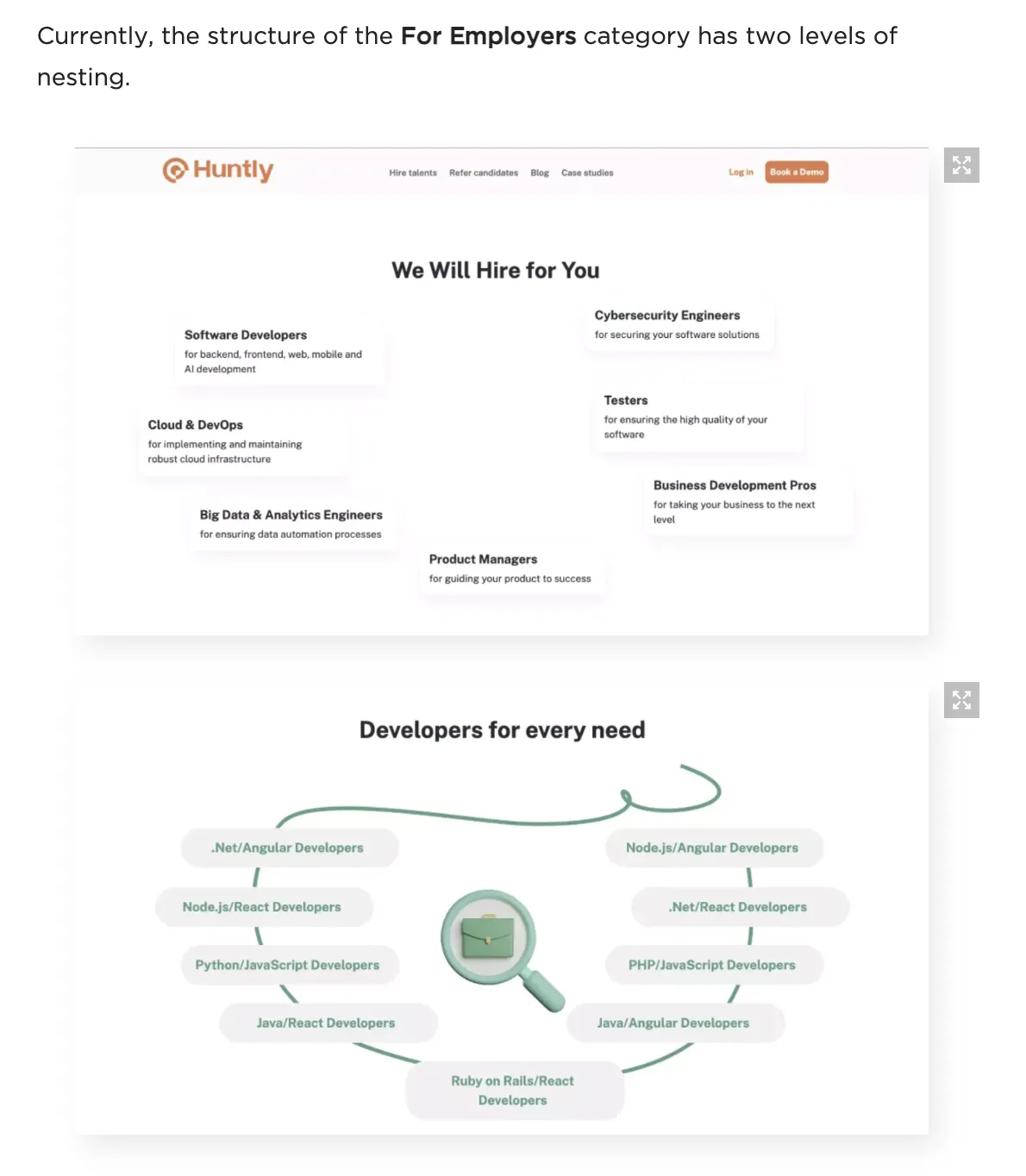
Real examples from your product experience.
-
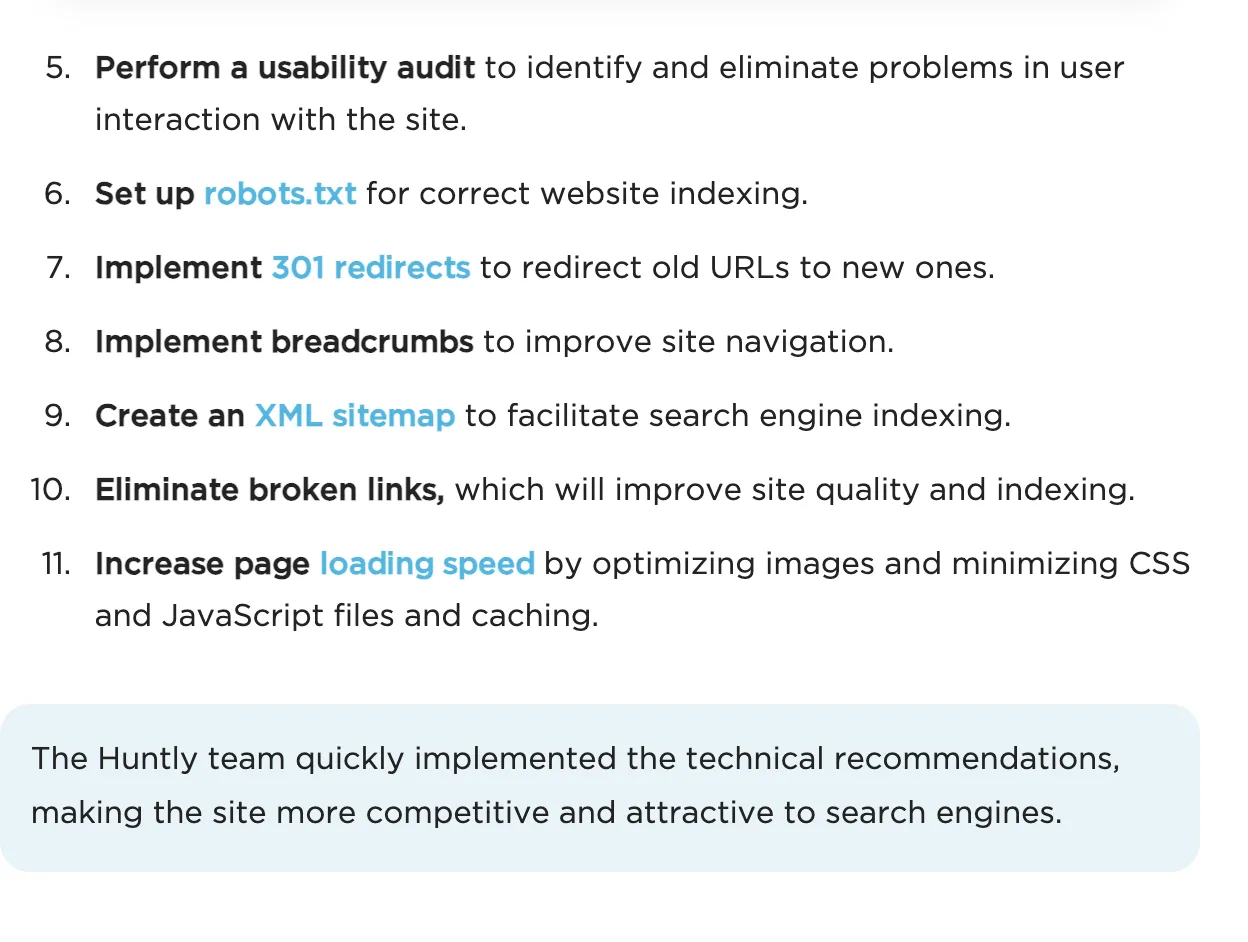
The workflows your team actually uses.
-
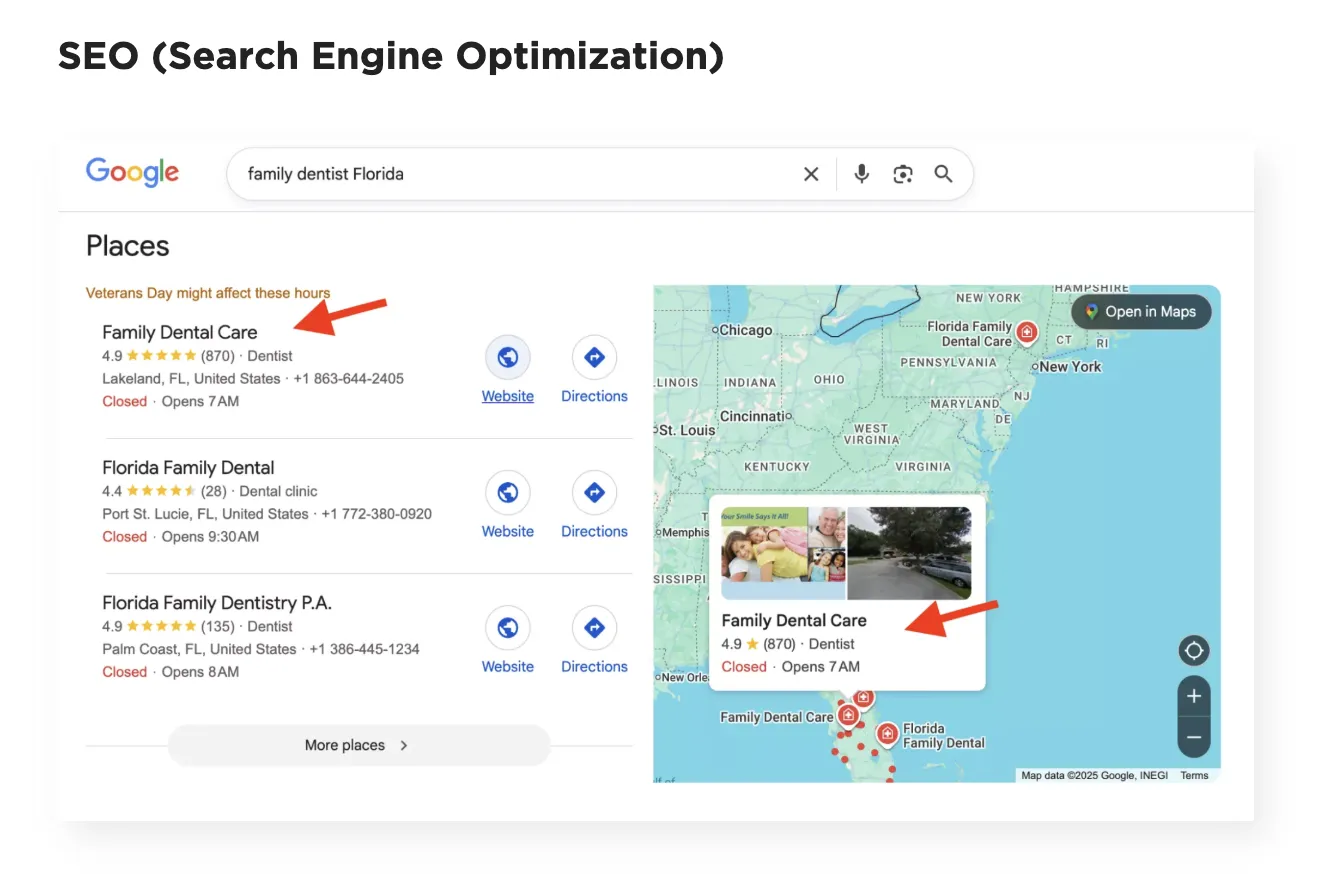
Screenshots, diagrams, or code snippets that explain what you’re writing about.
Hint 2: Focus on E-E-A-T (Experience, Expertise, Authority, Trust)
It’s a big deal for search engines, especially Google, so we pay attention to what they want and provide it. Their requirements are not unreasonable, and they improve every article. Here's how we make our articles EEAT-friendly:
-
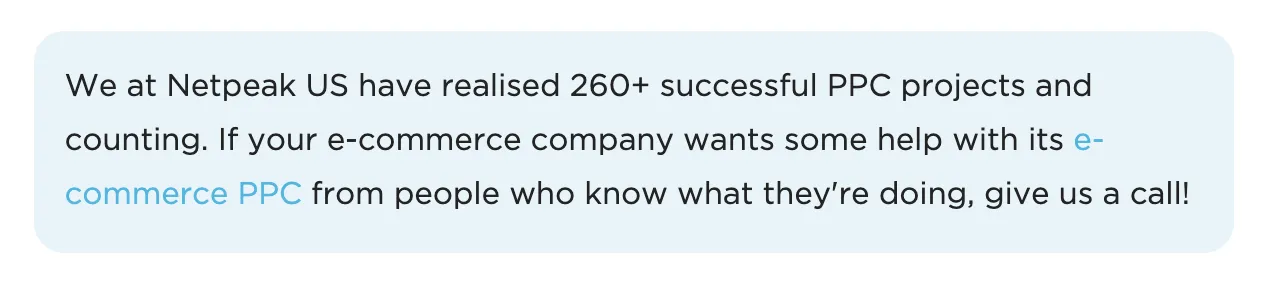
Experience: Authors have first-hand experience in what they write about.
-
Expertise: Writers understand the topics deep enough to explain them, adding practical advice, common mistakes, best practices, etc.
-
Authority: We add author bios with credentials and regularly write about our case studies.

-
Trust: Authors carefully fact-check stats and features and add links to reliable external sources so readers can double-check the info themselves.
Hint 3: Use AI for Speed — But Keep Humans in Control
It’s a good idea to use AI to create a starting point for an article. Sometimes it provides unexpected good ideas, and sometimes its proposals are so bad that, while pondering them, the writer comes up with better ones.
Workflow writer+AI often looks like that:
-
The writer creates a brief for AI as detailed as possible: with structure, length, tone of voice, etc.
-
AI generates a first draft that is accurate to the brief but basic as hell.
-
The writer starts editing the article piece by piece: make sentences less generic, add facts, statistics, examples, best practices, mistakes, challenges, other experts' words, screenshots, etc.
-
AI helps with witty subheading options and meta descriptions.
-
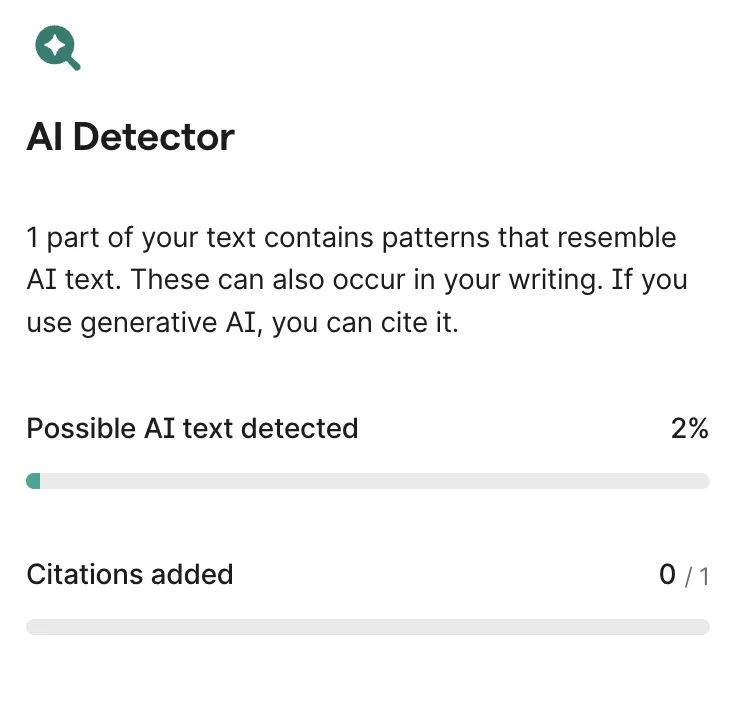
The writer checks every fact, link, and source. Plus, measure AI percentage using Copyleaks or Grammarly.
Hint 4: Clean Up “AI Smell”
Nobody can define exactly what is wrong with AI-generated texts, but we recognise them when we read them. There's something about the way it chooses adjectives and sentence structure that feels unnatural, as well as the same tricks it uses.
You might call me a romantic, but a text touched by a human hand feels warmer and creates a connection. AI lacks the human inner compass that determines whether a sentence feels good or bad. It's just a programme.
It's like setting the oven timer to 15 minutes when cooking spaghetti: the oven will stop cooking when the timer goes off, but it can’t tell whether the spaghetti is cooked. It hasn't eaten in its life. And AI doesn't feel either.
So, rewrite the sentences yourself and add some personality.
Hint 5: Write to Show Up in Zero-Click Results and AI Chat Answers
Adapt your articles to appear in AI Overviews and chats — people are used to them. That gives you brand visibility and an additional portion of trust.
GEO (Generative Engine Optimisation) is a new science that can teach you how to do this. Here are a few tips to help machines quote and summarize content on your website:
-
Answer the main question directly (2-3 sentences under a clear heading).
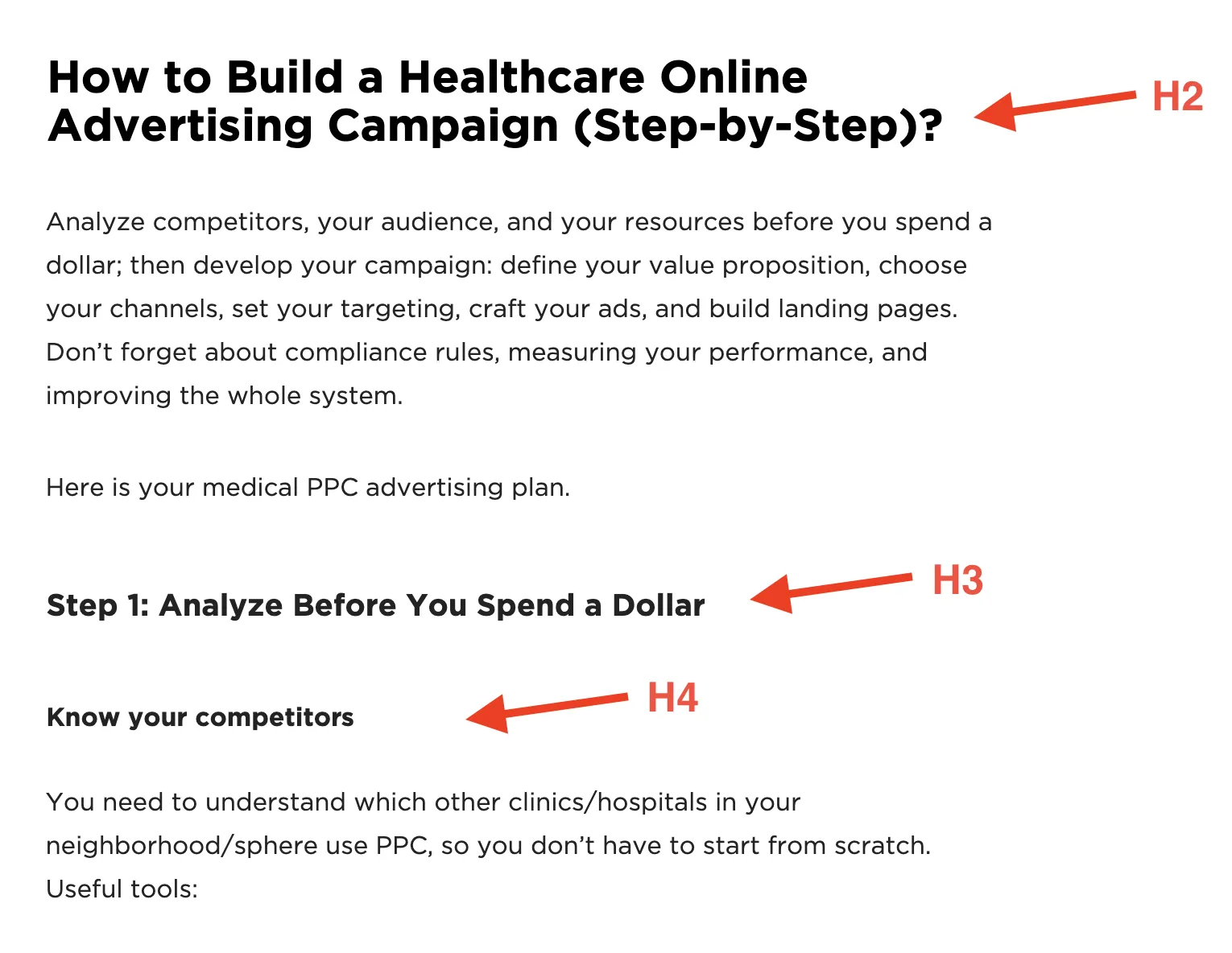
-
Break articles into logical sections with H2/H3s.
-
Add FAQ blocks that mirror how people actually ask questions.
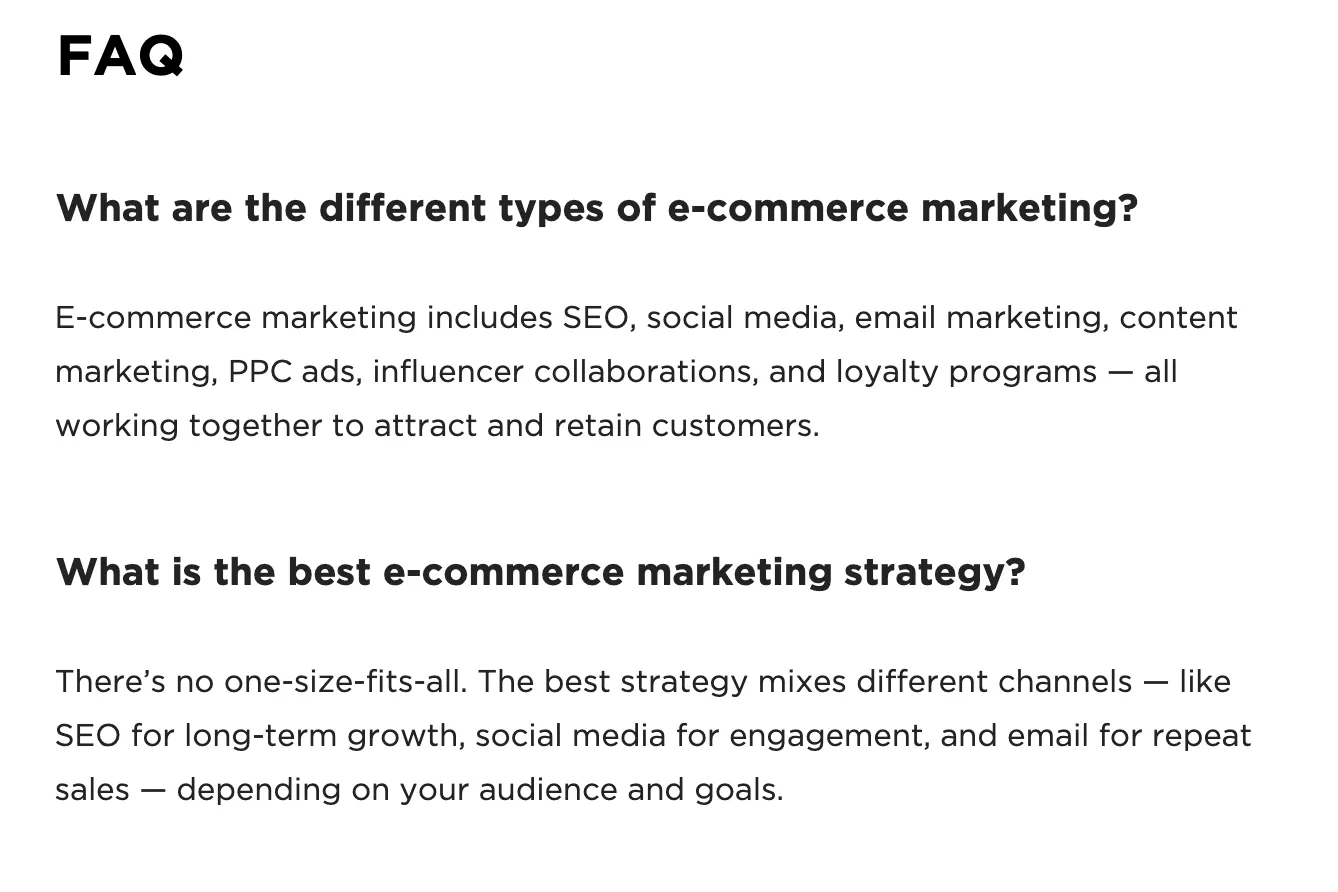
So, not only can you use AI to create content, but you can also serve as a source of knowledge and shape narratives however you like.
We at Netpeak are great with AI content in SEO and with every other aspect of using AI to promote your business, too. If you want help keeping up with changing trends, give us a call!
Future Outlook: AI Is Here to Stay
If you’re waiting for the hype around AI to die down, you might want to sit down — because it’s not going anywhere. According to McKinsey, generative AI could add between $2.6 and $4.4 trillion to the global economy each year, and companies are doing everything they can to make this happen.
People love anything that makes life easier. AI creates the illusion that even a cat playing with a keyboard could produce high-quality content — and many companies are starting to believe it.
Google doesn’t think so. It only supports expert content and will not settle for anything less.
So, use AI to create content as if it were the greatest tool humankind has ever made. But don't fool yourself into thinking that it can save your marketing and produce text good enough to be approved by Google.
FAQ
Should I use AI for content?
Yes — but use it as a helper, not a replacement for expertise. AI is great for speeding up outlines, drafts, and research. Just make sure a real human edits, fact-checks, and adds insight before publishing.
Is AI content against Google Search's guidelines?
No, AI content is not against Google’s guidelines. Google clearly says it rewards high-quality content “however it is produced.” What Google penalizes is low-value, unhelpful, or misleading content — whether written by AI or humans.
How can Search determine if AI is being used to spam search results?
Google looks for patterns like large-scale auto-generated pages, thin or repetitive text, and content created solely to manipulate rankings. These signals have existed long before AI tools became popular. If the content is helpful, original, and human-reviewed, Google treats it normally.
Can AI-written content actually rank well?
Yes — when it’s accurate, helpful, and enriched with real human expertise. AI can build the structure, but people need to add experience, examples, and context. The best-performing content today is AI-assisted, not AI-only.

 0
0
 0
0
 0
0
 0
0
Related Articles
Online Local Advertising for Small Businesses: How Neighbors Find You Online
Discover how small businesses use online local advertising to show up in search, maps, and social feeds — and turn neighbors into customers.
How to Do SEO for a Cleaning Company in 2026? From Invisible to Fully Booked
If you do it right, cleaning service SEO becomes your most sustainable growth channel — bringing in clients, lowering acquisition costs, and building long-term online visibility.
13 Leading Healthcare Marketing Trends for 2026
Discover the 13 hottest healthcare marketing trends in 2026 that will help your brand stay ahead, engage patients, and drive results. Stay smart, stay relevant!