
Start by figuring out who your competitors are, who you want to reach, and what resources you have. Then set clear goals, define your strengths, pick your targeting, and choose your channels. Launch your campaign, watch how it performs, adjust what’s not working, and always stay compliant — that part really matters in healthcare PPC.
The goal of medical PPC advertising is to deliver quick results through Google Ads, Meta Ads, display banners, YouTube, etc. It’s less about long-term marketing strategies and more about the healthcare PPC services that fill your schedule this week.
Let’s learn how to plan, launch, and scale online ads and help your revenue stop acting shy.
What is Healthcare PPC?
PPC (Pay-Per-Click) for healthcare is an advertising model that ensures your ads are seen by the audience you want on the platforms you choose: search engines, social media, display networks, video pre-rolls, etc.
Potential patients see the ad, click, and go to your website, landing page, or booking form.

What’s new in healthcare PPC in 2025:
-
Digital ad budgets in healthcare are growing bigger. In 2025, healthcare PPC experts report spending over 72% of their budgets online.
-
A conversion rate of ~2.6% makes healthcare PPC the most convertible channel in the industry.
-
Clinics start to combine PPC with telehealth, content, automation, and optimized user journeys to meet patients where they are.
-
Focus on data, ROI tracking, and strict compliance to keep pace with evolving ad policies.
Why Do You Need Healthcare PPC?
PPC for healthcare delivers fast results, reaches high-intent patients, and is highly measurable and predictable. The best part is that PPC allows you to scale successful campaigns and earn even more.
Brings Fast Results
You could get phone calls and booked appointments from pay-per-click PPC within a few days. This speed is essential for:
-
New clinics that need patients right now
-
Promoting new services like dermatology or cardiology
-
Healthcare providers who are trying to fill their empty appointment slots
Case Study: We at Netpeak US helped a healthcare clinic, Gold Laser, with a YouTube video ad campaign. In a short time, users searched for our client 4 times as often. And appointment calls increased by +174%.
Reaches High-Intent Patients
People who type in Google “urgent dental care open now,” “best fertility clinic near me,” or “dermatologist appointment today” are usually ready to book. PPC uses this demand to give you direct calls and scheduled visits.

65% of patients use online searches before contacting a doctor, so it’s a big audience.
Highly Measurable and Predictable
Healthcare PPC tools give you all the information: clicks, calls, and form submissions from your ads, how many of those turned into appointments, and how much you spend on every lead and every new patient.
It’s not a blind leads blind situation: you have numbers and can choose what to do next.
What Are The Best PPC Platforms for Healthcare in 2025?
Google Ads (Search, Display, Local, YouTube/Video), Microsoft Advertising (Search ads on Bing/Yahoo), Meta Ads (Facebook & Instagram), and LinkedIn Ads are the top platforms that healthcare digital advertisers use.
|
Why It Works |
When to Use |
|
|
Google Ads (Search, Display, Local, YouTube, Video) |
These ads pop up on the most popular placements in the world: Google search, Google Maps, YouTube, thematic websites, etc. You can reach patients by location, device, keywords, or time of day, and there’s no place they could hide from you. |
|
|
Microsoft Advertising (Search ads on Bing/Yahoo) |
Less competition, which often means lower CPC and cheaper clicks than on Google. Good for reaching slightly older age groups. |
|
|
Meta Ads (Facebook & Instagram) |
Have a massive user base and support flexible formats — images, videos, carousels. It works great for storytelling and retargeting patients who were interested but didn’t book yet. |
|
|
Linkedin Ads |
Expect higher cost per lead (CPL) — but higher lead quality too. |
Use it to target:
|
Is it possible to run Google Ads for a healthcare organization?
Healthcare organizations can run Google Ads, as long as they follow Google’s medical advertising policies and avoid restricted content (like unapproved treatments or sensitive health claims). Use an experienced healthcare PPC agency to ensure you do everything right.
Netpeak is a full-cycle digital marketing agency that specializes in healthcare PPC services. We know how to choose the best advertising platforms to keep your business up to date. Contact us, and we'll be there for you!
How to Build a Healthcare Online Advertising Campaign (Step-by-Step)?
Analyze competitors, your audience, and your resources before you spend a dollar; then develop your campaign: define your value proposition, choose your channels, set your targeting, craft your ads, and build landing pages. Don’t forget about compliance rules, measuring your performance, and improving the whole system.
Here is your medical PPC advertising plan.
Step 1: Analyze Before You Spend a Dollar
Know your competitors
You need to understand which other clinics/hospitals in your neighborhood/sphere use PPC, so you don’t have to start from scratch. Useful tools:
-
Google Ads Transparency Center – you can see all active and past ads run by any advertiser on Google Search, YouTube, and Display.
-
Meta Ads Library – to see competitors’ Facebook/Instagram ads.
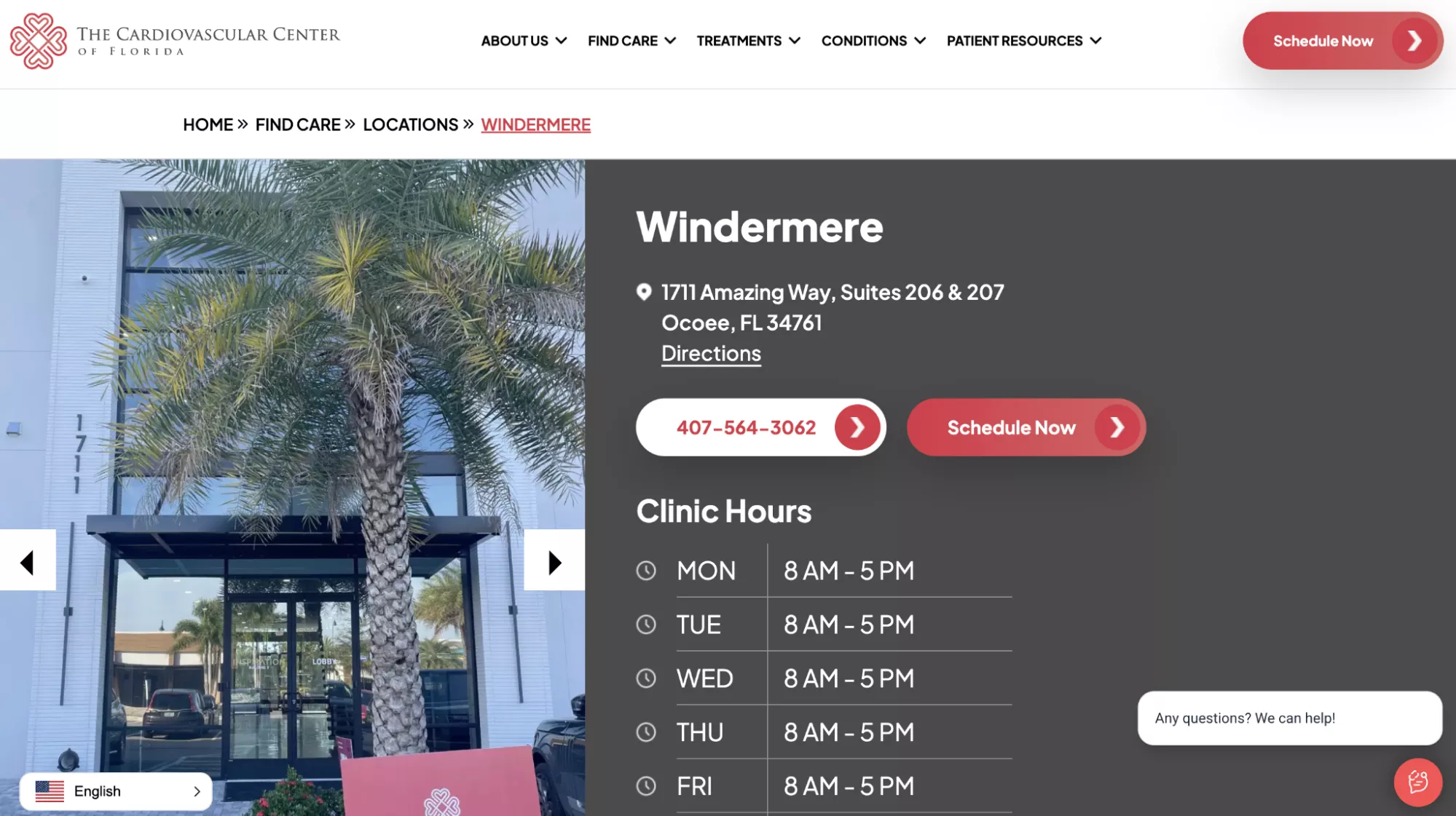
Take note of which clinics run PPC and what their landing pages look like for inspiration.
Understand your audience
You need to know who needs to see your ads and what they care about so you can leverage their pain points. Think in simple segments:
-
By life stage: parents of small kids, busy professionals, seniors, women 30–45, etc.
-
By need: urgent (injury, pain), chronic (diabetes, hypertension), preventive (check-ups, screenings), elective (cosmetic, dental implants).
Practical tools for this: Google Ads Audience Insights, Meta Audience Insights.
Which ad types work best for healthcare?
Search and local ads work best for healthcare because they reach high-intent patients actively seeking care now. Social/video ads work well for building trust and awareness, especially for elective or lifestyle-based services.
List your resources
Be honest about what you actually have:
-
Budget: Can you spend $1,500/month to start? Is it comfortable?
-
Team: Would you use an in-house marketer or hire an agency? Who will answer calls and check bookings?
-
Assets: Do you have a website, Google Business Profile, and social media marketing? Some patient reviews, photos of the clinic and staff, a blog?
This helps you choose channels you can realistically manage.
Set measurable goals
Clear goals help you to know what you consider the campaign's success. Business goals, for example, can look like this:
-
We book 40 new appointments/month
-
Our cost per new patient is ≤ $50
Marketing goals could focus on clicks per month from ads, conversion rates from visitors to calls or forms, cost per lead (CPL), or cost per appointment.
Step 2: Develop Your Campaign
Decide what your value proposition is
Why should a patient choose you instead of the clinic down the street? You need to know for sure:
-
“We have same-day pediatric appointments with board-certified doctors.”
-
“Our dermatology clinic has 4.9⭐ from 1,200+ patients and online booking in 2 minutes.”
Use this in ads, landing pages, and Google Business Profile.
Craft your ads
You have ~30 characters in headlines and ~60–90 characters in descriptions to answer this patient's questions:
-
What’s your benefit? (“Same-day appointments”, “Free screening”, “Discreet online therapy”.)
-
Why did they have to choose you? (reviews, certifications, years of experience.)
-
What should they do now? (“Call now”, “Book online”, “Schedule a free screening.”)

Build a simple landing page
You need to have a landing page for each primary service (cardiology, dermatology, dental implants, etc.). Must-have elements:
-
Headline (“Cardiology Clinic in [City].”
-
Reviews, awards, experience.
-
Location, hours, insurance, parking, and telehealth options.
-
Button with the call-to-action to click.
Step 3: Assure Compliance
Respect privacy (HIPAA / GDPR style)
Basic beginner rules to avoid fees:
-
Don’t mention patient names or conditions in ads without consent.
-
Don’t use tracking that stores Protected Health Information (PHI).
-
Be careful with remarketing: use only HIPAA-safe methods (anonymized audiences).
Know platform rules
Google and Meta restrict:
-
Sensitive topics (addiction, reproductive health, HIV, etc.)
-
Before/after images for cosmetic surgery in some regions.
-
Fear-based messages (“Don’t die from a heart attack – come now!”)
What ad rules does Google have for medical services?
Google requires medical ads to stay honest, avoid unapproved treatments, follow local healthcare rules, and use certified advertisers for sensitive services like prescription drugs.
Step 4: Execution & Performance
Launch small
Start with a few priority services (for example, cardiology + primary care). You can create separate campaigns for each service and location later, once the first ads start showing results.
Make sure that:
-
Your landing page is okay
-
Phone and book forms work
-
Someone is responsible for answering calls and emails
Measure performance
You need to track if your goals are achieved. Useful tools for that:
-
Google Tag Manager (to track form submissions)
-
Simple CRM or even a spreadsheet to mark patients from online ads
What’s the ROI of PPC campaigns in the healthcare industry?
ROI depends heavily on the type of service you promote, how valuable each patient is in the long term, and how well your team handles incoming leads.
Two clinics can spend the same amount on ads and end up with very different outcomes — one thriving and one frustrated — simply because their processes differ.
Analyze & optimize
Every 1–2 weeks, look at:
-
Which keywords bring leads? Increase the budget there. Turn off keywords that bring clicks but no leads (“free health course”, “medical jobs”).
-
Which ads have higher CTR and conversion rate? Keep and duplicate them.
-
Which devices work better (mobile vs desktop)? Often, mobile wins in healthcare. Improve speed and mobile usability.
-
Which hours/days bring more calls? Adjust ad schedules.
Keep improving the whole system
Improve ads and everything around them:
-
Train the front desk to answer calls quickly and professionally.
-
Add automated SMS/email reminders.
-
Expand successful campaigns to other services.
Pro Tips to Succeed in Healthcare PPC
Healthcare advertising is about running ads smarter than everyone else. Here are a few tips on how to stand out.
Tip 1: Create a strong review & reputation strategy
Patients trust reviews more than most ads — 94% of patients use them to choose healthcare providers. Nearly half of patients are willing to go outside their insurance network if the reviews are good enough.
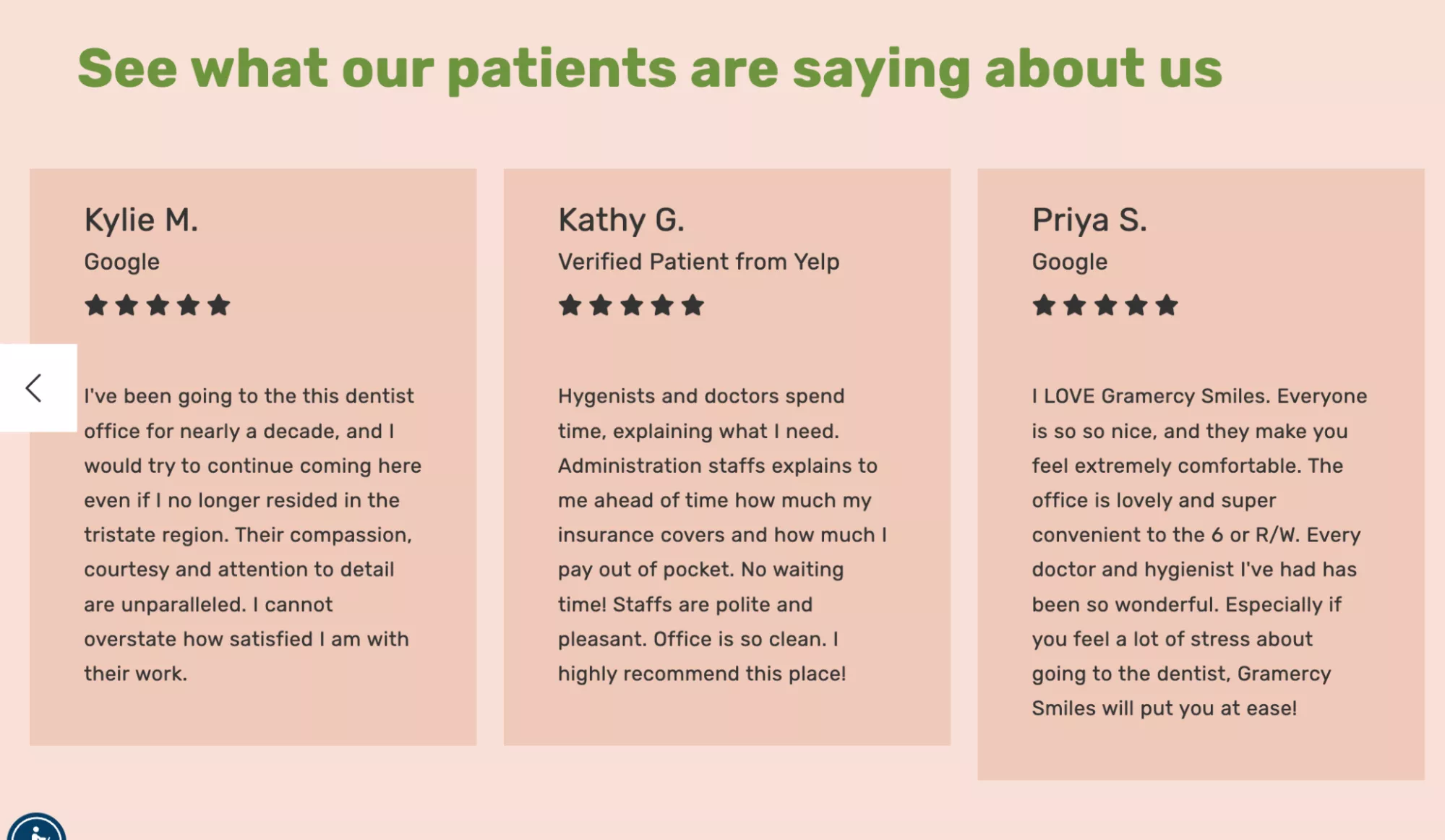
Add ratings, testimonials, or your average score to ads and landing pages. This helps patients feel confident choosing you.
Tip 2: Prioritize calls over web-form leads
88% of healthcare appointments are scheduled by phone. Many patients prefer speaking to a human — especially for sensitive health moments.
Use call extensions in ads and track phone call conversions as a critical metric.
Tip 3: Anchor ads in high-quality content marketing
Good ads get attention — but if your website looks bad, you lose a majority of potential patients before you even reach them. Use high-quality pages, FAQs, and treatment guides to keep people engaged and build trust.
Common Mistakes in Your Healthcare PPC to Avoid
Even the best clinics can sabotage their own ads with a few classic slip-ups — the mistakes that quietly eat your budget and scare off patients.
-
Promoting services without real availability. Clinics offer “Same-day appointments” or “Fast cardiology consults,” but the earliest available slot is 10 days away. Fix: Sync marketing with operations and use dynamic scheduling widgets that show open times instantly.
-
No insurance-related messaging. Ads often don’t clarify whether the clinic accepts popular insurance plans, causing drop-off. Fix: Add insurance badges or “We accept UHC, Aetna, BCBS” in ads and landing pages.
-
Ignoring after-hours demand. Your ads run 9–5, but patients could search for symptoms late at night. Fix: Use 24/7 ad scheduling, after-hours auto-responses, and next-morning follow-up. Many urgent care clicks happen between 7 p.m. and midnight.
-
Using fear-based messaging. Google and Meta often disapprove overly alarming ads (“Skin cancer kills if untreated!”). Fix: Switch to supportive, positive messaging (“Early checks give peace of mind”). Focus on empowerment, not fear.
If you’re running low on marketing ideas, check out our article on leading healthcare marketing trends.
FAQ
What are the average CPC rates in healthcare advertising?
Healthcare keywords usually run anywhere from about $4 to $35 per click, with competitive specialties like dermatology, cardiology, and dentistry landing on the pricier end.
What are HIPAA-compliant ways to retarget patients online?
Only privacy-safe, non-identifiable methods:
-
Contextual retargeting (based on page topic, not user data)
-
First-party, consent-based email lists
-
Privacy-focused platforms (Google Enhanced Conversions, Meta CAPI) without sharing PHI
-
Retargeting only with hashed, anonymized audiences — never health conditions
How have Google Ads policies for healthcare changed in 2025?
Google tightened rules for:
-
Personalized remarketing → entirely banned for sensitive health topics
-
Certifications required for telemedicine & prescription drug advertising
-
AI-generated content claims must be medically validated
-
Local clinic ads must show verified company & practitioner info
What’s the best-performing digital channel for healthcare in 2025?
Local SEO + Google Business Profile drives the highest ROI — 46% of patient inquiries for clinics begin with “near me” searches.

 0
0
 0
0
 0
0
 0
0
Related Articles
Local SEO for Home Service Companies: 8 Fool-Proof Ways to Reach Your Customers
When something breaks, people go straight to Google to find a plumber, an electrician, or a roofer right away. And local home services SEO is what makes sure you’re the one they find (and choose!) instead of your competitor.
Local SEO for Construction Companies Explained
If clients can’t find you online, they hire someone else. Learn how local SEO puts your construction business in front of ready buyers.
How to Market a Security Company in 2026?
Most security companies are invisible online. Here's how to fix that and turn your digital presence into a steady stream of qualified leads.