
5 Questions to Expose an Amazon Agency That Can’t Handle Pet Brands
The US pet industry is not a niche. It is a $147 billion ecosystem where the margin for error is thin, and the competition is très, très sérieux (deadly serious).
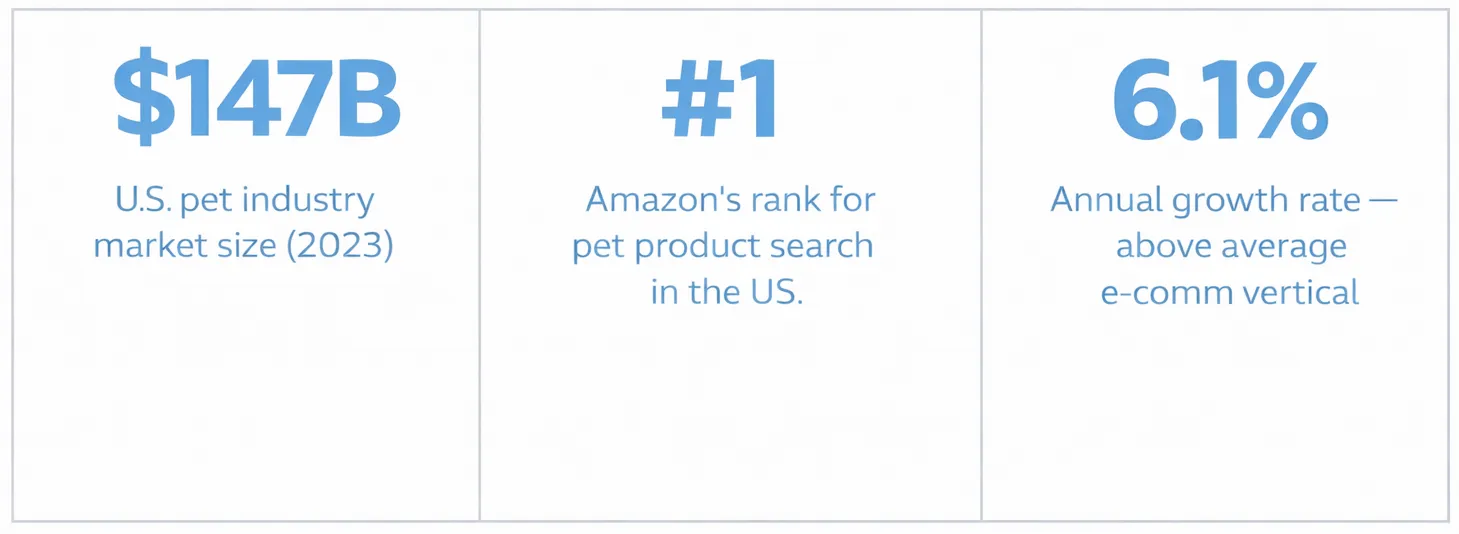
Let’s set the scene. You’re a CMO — either a sharp junior stepping into the marketplace for the first time, or a seasoned executive who has conquered DTC and now finds yourself staring at Seller Central thinking: who on earth do I trust with this?
The Amazon agency market is enormous. Most of them will claim to “specialize” in pets within three minutes of your first call. Some of them mean it. Here is how you tell them apart.
#1: Ask for the Amazon Pet Category ASIN Data — Not Just Case Studies
Any agency can write a beautiful PDF with “300% ROAS improvement” in big numbers. But the US pet category on Amazon is violently competitive: Hill’s, Purina Pro Plan, Blue Buffalo, and Chewy’s private labels are all fighting for the same search terms.
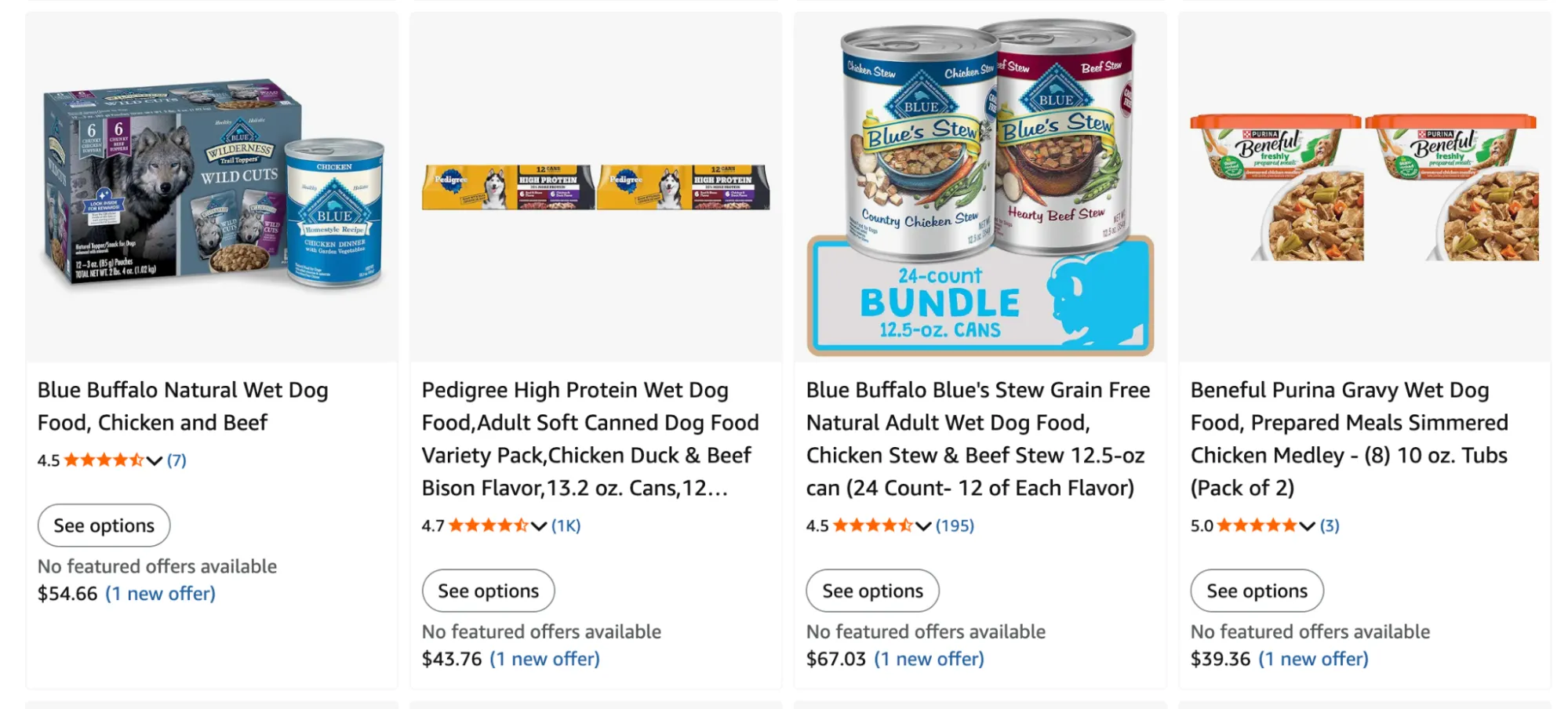
Ask your prospective pet brand marketing agency to walk you through how they approach keyword strategy for a subcategory like senior dog food or grain-free cat treats. You are looking for specific answers:
-
How they use “Share of Voice” data
-
How they interpret Cerebro or Helium 10 Black Box
-
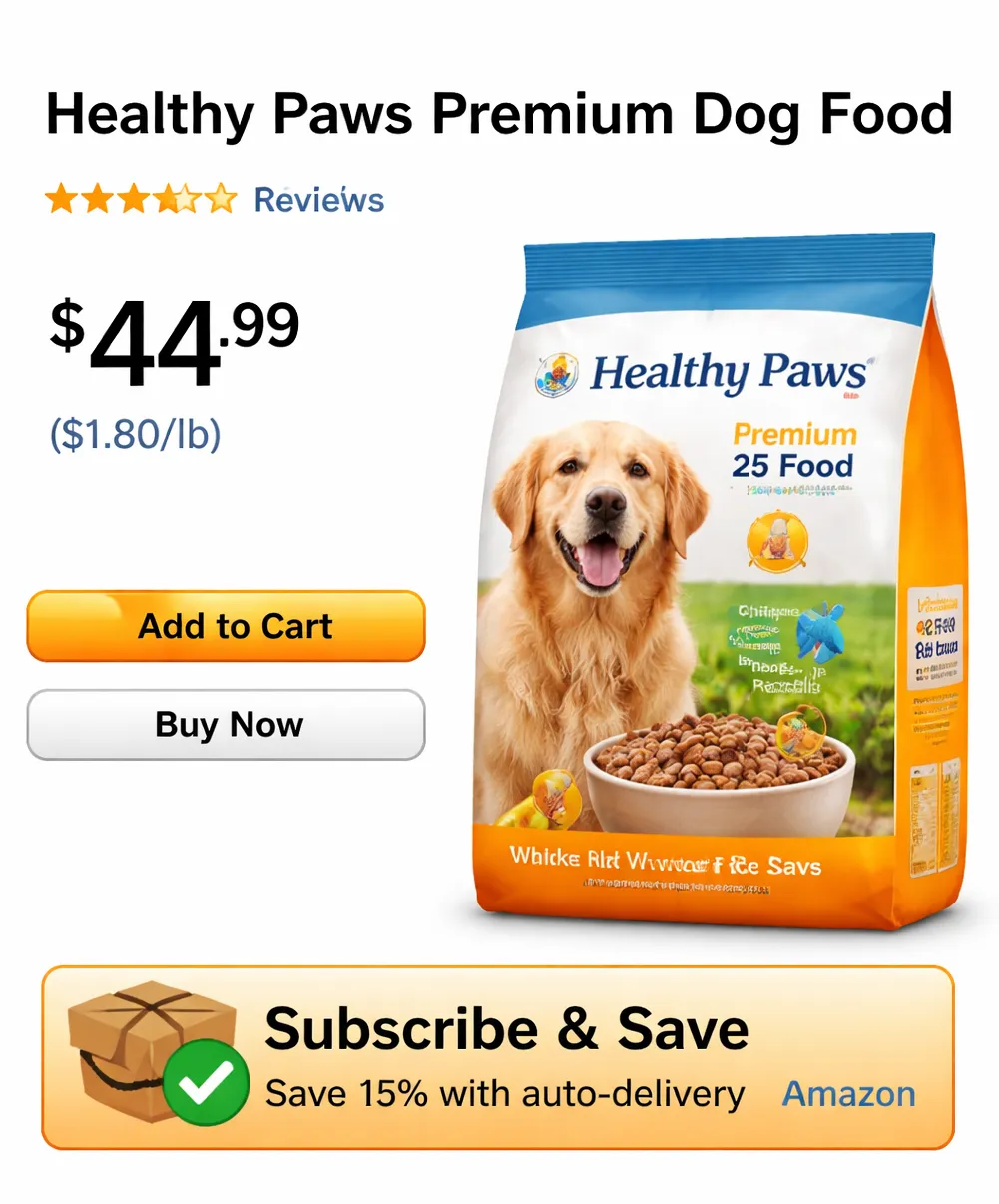
What they know about auto-ship velocity (“Subscribe & Save” accounts for a massive chunk of pet revenue on Amazon)
If they pivot to generic e-commerce language or tell you that they don’t really understand what you mean, you have your answer.
#2: Check Whether They Understand Reviews — Especially Post-February 2026
Amazon’s bundle review-sharing policy changed in February 2026. If your agency does not know what that means for multi-pack SKUs in the pet space — where bundles are practically a strategic weapon — walk away.
If you want to know more about what happened with reviews in February 2026, here you go.
In a category where a 4.3-star rating is the line between page 1 and page 3, managing your review architecture is not an afterthought. Your agency should have an opinion on how to structure your ASINs around the new policy, not just know it exists.
Bonus points if they mention brands like Nutrish or Hill’s Science Diet by name and can tell you how their ASIN strategies shifted or if they know what happened with Blue Buffalo hero ASIN.
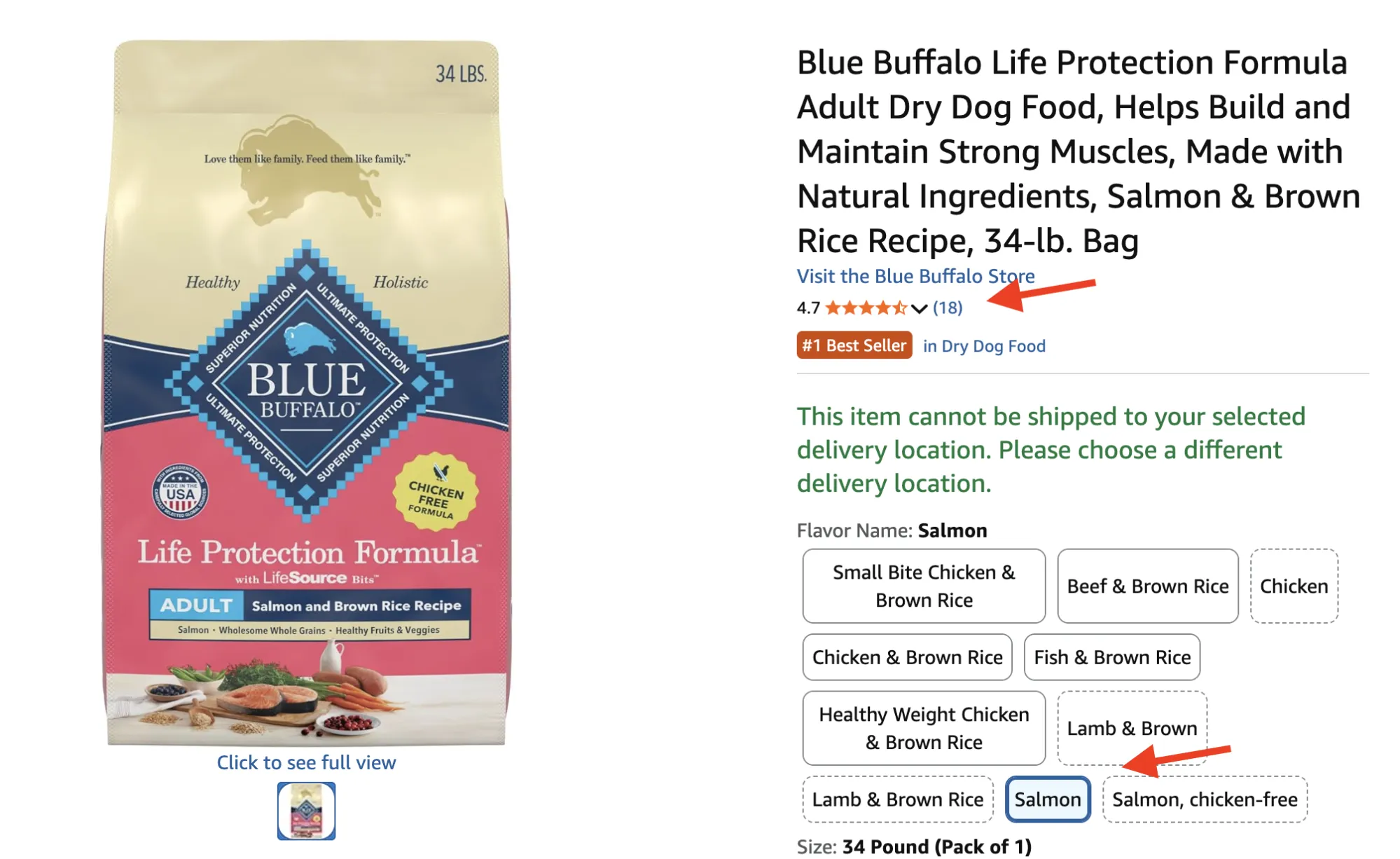
Voilà, a signal of real expertise: they cite the policy date, the affected SKU types, and the grey zones that were created. Not the theory read from the Amazon update post. The practice.
#3: Understand Their DSP Philosophy — And Whether It Goes Beyond Retargeting
Amazon DSP in the pet industry is underused by most mid-market brands and overused badly by the rest. The opportunity is in lifestyle targeting: reaching pet owners before they are in buying mode, not just when they are already on a competitor’s ASIN page.
Ask the agency how they would approach a DSP strategy for a premium dog supplement brand with a $30K/month budget.
If their answer starts and ends with “we retarget your own traffic,” you are looking at a 2019 agency in 2026 clothing.
Look for: in-market audience segmentation, Amazon’s contextual signals (pet content pages, vet-topic searches), and a clear funnel logic from awareness to “Subscribe & Save” conversion.
DSP without a proper funnel is like a baguette without butter. Technically food. Fundamentally disappointing.
#4: Demand a Named Contact Who Does the Work — Not a Rotating Account Team
This applies to any agency vertical, but it is especially painful in pet, where category dynamics move fast. Be careful because the people pitching you on the agency are not the ones who will do the behind-the-scenes work.
Make sure you see the one responsible for your success, not just a salesperson who will forget about your existence as long as you pay the fees. You need to clearly understand who you call when you find out you’ve just lost 4k reviews because of the new policy.
Practical example: Chewy launches a new private label. Amazon is changing how it indexes variation listings. A trending ingredient creates an overnight category shift. When these things happen, you do not want to explain the situation to a new account manager who has just inherited your file and will say, “Sorry, I just arrived.”
Ask directly: “Who will manage our account in month three if things go well?” Then ask to meet that person before you sign. The quality of that meeting will tell you more than any pitch deck.
#5 (The Important One): Ask If the Ones Working on Your Brand Actually Have a Pet. Then Figure Out If It’s True
This is not a joke. Well, it is a little bit of a joke. But mostly it is not.
The pet industry runs on emotional resonance. The brands that win on Amazon are not the ones with the best keyword coverage alone. They are the ones whose content, A+ pages, and brand story actually connect with the person reading them at 11 pm, wondering if their anxious rescue dog needs a different kibble.
The agency managing your brand should have some version of that feeling. So ask, “Does anyone on your team have a pet?” Then watch what happens.
If they say yes and they immediately have a story — a cat that destroyed a couch, a dog with a grain allergy, a guinea pig no one expected to survive three years — that is a green flag. If they say yes and then look at each other, waiting for someone else to confirm it… mon Dieu. Do what an HR would do to an unfit candidate — smile and say you’ll call them back.
The test is not whether they love animals. The test is whether pet ownership is part of their team culture or something they added to the pitch because you are a pet brand. You will know in about four seconds.
Reading about pets is not enough; you need to live with one. You need to understand how a pet owner feels. It's different for dog owners and cat owners, for example.
For the record: I have a cat. He doesn't care about any of this — but he sits next to me while I work and stares at the screen, and he never signed any NDA.
Final Thoughts
“The pet industry on Amazon is not forgiving of a generic strategy. It rewards specificity, category knowledge, and the kind of content that makes a dog parent stop scrolling at midnight. The agency you choose should be able to prove all three.”
So before the next pitch call, print these five points. Use them. One of them might save you twelve months of frustration, and, which is the most importantly, pet parents who are extremely difficult to make loyal and easy to lose because of one wrong message.
Bonne chance — and may your Subscribe & Save conversion rate be ever in your favor ;)

 0
0
 0
0
 0
0
 0
0
Related Articles
2026 E-commerce Scaling Guide: Boost Your Revenue Manyfold
Ready to scale your e-commerce business? This guide covers the strategies, systems, and metrics for growing revenue without increasing costs.
SEO for Contractors: Tips and Strategies for 2026
Your freedom as a contractor comes at a high price: you need to find your own jobs. That's what SEO for contractors helps you with.
New Apple Ads Update Changes the Game. Restructure Your Budget ASAP
Apple’s new App Store ad placement is live. Organic traffic is at risk. Learn how to conquer auction uncertainty.