
You know that feeling when you post what you think is irresistible content on Instagram, run ads that look absolutely gorgeous, and then... crickets? Or worse — you’re spending money, getting clicks, but your cash is dwindling and you can’t figure out where all those “engaged users” actually went?
Welcome to fashion digital marketing in 2025, where looking good isn’t enough anymore. You need to actually have a decent marketing strategy.
Let’s break down everything you need to know about digital marketing for fashion brands — and we promise to skip the corporate buzzwords.
What Is Digital Marketing for Fashion Brands?
Digital marketing for fashion brands is basically everything you do online to get people to notice, love and buy from you. It’s your Instagram feed, your Google ads, your website, your emails, that TikTok you posted that somehow went viral — all of it working together (hopefully) to turn scrollers into shoppers.
Unlike slapping an ad in Vogue and calling it a day, digital marketing means you’re constantly showing up where your customers actually hang out online. The best part of the equation is that you can actually track whether it’s working. That magazine ad? You’ll never really know if anyone saw it. That Instagram Story ad? You’ll know exactly how many people saw it, clicked it and bought something.
The goal is to meet your customers where they are (psst: on their phones), show them why your brand is worth their time and money, and make buying from you as easy as possible.
How Is Digital Marketing Different From Traditional Fashion Marketing?
Remember when fashion marketing meant runway shows, magazine spreads and billboards in Times Square? Those still exist, but they’re not where most of the action happens anymore.
The difference is that traditional marketing is a megaphone. Digital marketing is a conversation.
With traditional marketing, you shout your message into the void and hope someone hears it. You run a TV commercial during Fashion Week, buy a full-page ad in Elle, sponsor a fashion show. It costs a fortune, you can’t really measure whether it worked and you're basically knocking on wood that the right people saw it.
With digital marketing, you get specific: target women aged 25–35 who follow sustainable fashion brands, live in urban areas and just Googled “ethical denim.” You can see exactly how many people saw your ad, how many clicked and how many bought. And if something’s not working? You can change it tomorrow, not wait for next quarter’s magazine issue.
Plus, digital lets your customers interact. They comment on your posts, share your content, tag you in photos wearing your clothes. It’s a two-way street, it’s immediate and it feels more personal than a billboard ever was.
Challenges in Fashion Digital Marketing
Fashion digital marketing can come with its own woes. Here’s why.
The Attribution Chaos
So let’s say that someone sees your Instagram Reel. Two days later, they Google your brand name. They click on your organic search result, browse, then leave. Three days after that, they see your retargeting ad on Facebook, click through and finally buy something.
Quick question: Which channel gets credit for that sale?
If you said Facebook because that’s where the last click happened, you just made the same mistake destroying fashion marketing budgets everywhere. Most attribution models only give credit to the last touchpoint, which means you’re making budget decisions based on incomplete data.
The result? Brands end up spending money convincing people who were already going to buy instead of finding new customers. This gets even messier when you factor in influencer posts, user-generated content on TikTok and the fact that someone might see your product online but not convert until they’re scrolling three weeks later.
Microtrends Are Killing Your Budget
TikTok says everyone needs a specific shade of brown lipstick this week. You pivot your entire content strategy, run ads, maybe even adjust inventory. By the time you’ve done all that? The trend is dead, and you’ve just spent thousands marketing products that nobody cares about anymore.
Social media has turned the trend cycle into a sprint, and trying to keep up is like being stuck on the treadmill. The winning brands are building strong identities that can nod to trends without becoming victims of them.
Your Seasonal Budget Strategy Is Probably Backward
Most fashion brands dump money into marketing during peak season when everyone’s launching collections. Then they pull back during the off-season to save budget.
The problem there is that your competitors are eating your lunch during your off-season because they’re not facing the same competition for ad space. According to a Netpeak fashion PPC case study, strategic seasonal budget management helped one fashion brand reduce their cost-per-acquisition from a volatile $45–$180 range to a consistent $60–$70, while data shows that Q1 advertising costs trend significantly lower than peak holiday periods.
While you’re cutting back, smart brands are building awareness at a fraction of the cost, priming customers for when your peak season hits.
The Money Drain You Can’t See
According to a Rakuten Marketing survey, marketers waste an average of 26% of their budgets on ineffective channels and strategies, with research by Proxima showing that some companies waste up to 60% due to inefficiencies in execution and planning.
Translation? For every $10,000 you spend, $2,600 might be doing absolutely nothing. And without proper attribution modeling, research shows you could be misallocating 20%–40% of your ad budget.
Goals of Fashion Digital Marketing
Before you have an existential crisis, let’s talk about what you’re actually trying to accomplish with all this.
Increase Brand Recognition
This is the “make people notice you” goal. Before someone can buy from you, they need to know you’re out there and legit. Brand recognition means that when someone thinks “sustainable denim,” your brand pops into their head. Or when they’re scrolling Instagram and see your post, they go “Oh yeah, I love that brand.”
You build this through consistent presence across channels, distinctive visual identity (people should recognize your aesthetic instantly) and showing up where your audience hangs out. Strong branding paired with consistent messaging helps turn casual scrollers into loyal customers. Building community is a long game, but it matters.
Drive Website Traffic
All the brand awareness in the world means nothing if people aren’t actually visiting your site. This goal is getting people to click through from wherever they found you — Instagram, Google, TikTok, that email you sent — to your actual website where they can, you know, buy your stuff.
The key here is making sure you’re driving the right traffic. A million visitors who bounce immediately is worse than 10,000 visitors who actually look around and convert.
Enhance Credibility
In a world where new fashion brands pop up every five minutes (and half of them are dropshipping garbage), credibility is everything. This means building trust through customer reviews, user-generated content showing real people wearing your clothes, influencer partnerships that feel authentic and consistently delivering on your brand promise.
Social proof is huge, especially in this niche. People want to see other people wearing, loving and recommending your stuff before they pull out their credit card.
Examples of Successful Fashion Digital Campaigns
Let's look at what actually works when brands get it right.
Gap’s “Better in Denim” featuring KATSEYE (Fall 2025)
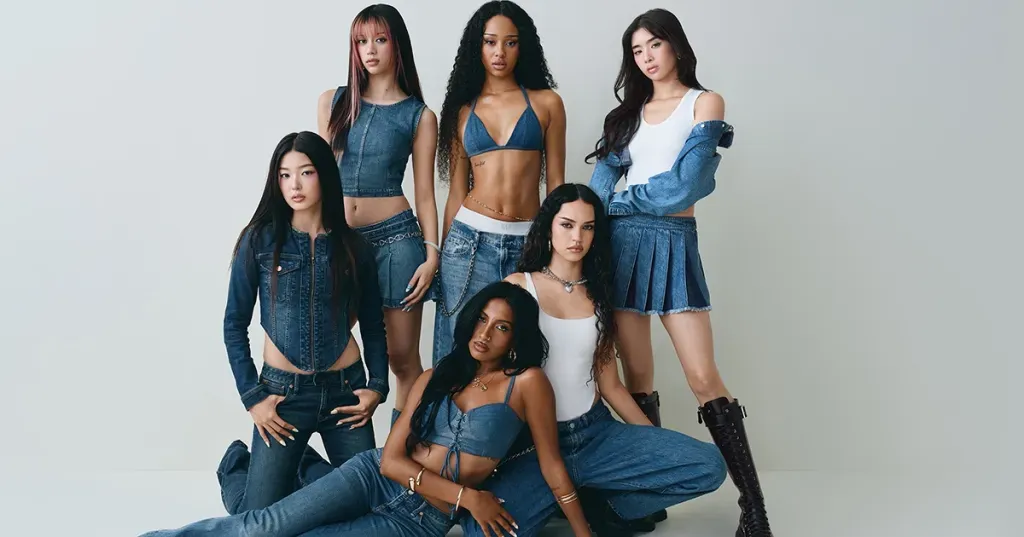
This campaign was a masterclass in vibing with your audience. Gap partnered with KATSEYE, and instead of just running traditional ads, they activated the group’s massive global fanbase. Fans created edits, started trends and drove conversations that dwarfed what Gap’s own media spend could have achieved.
Why it worked:
-
Mobilized a community: They tapped into an existing, highly engaged audience that was already creating content
-
Brand rejuvenation: Made Gap relevant to Gen Z by connecting with K-pop culture
-
Multi-platform integration: TikTok dance challenges, behind-the-scenes content, “get the look” features — it wasn’t just an ad, it was an ecosystem
Louis Vuitton’s Zendaya x Murakami Campaign (2023)
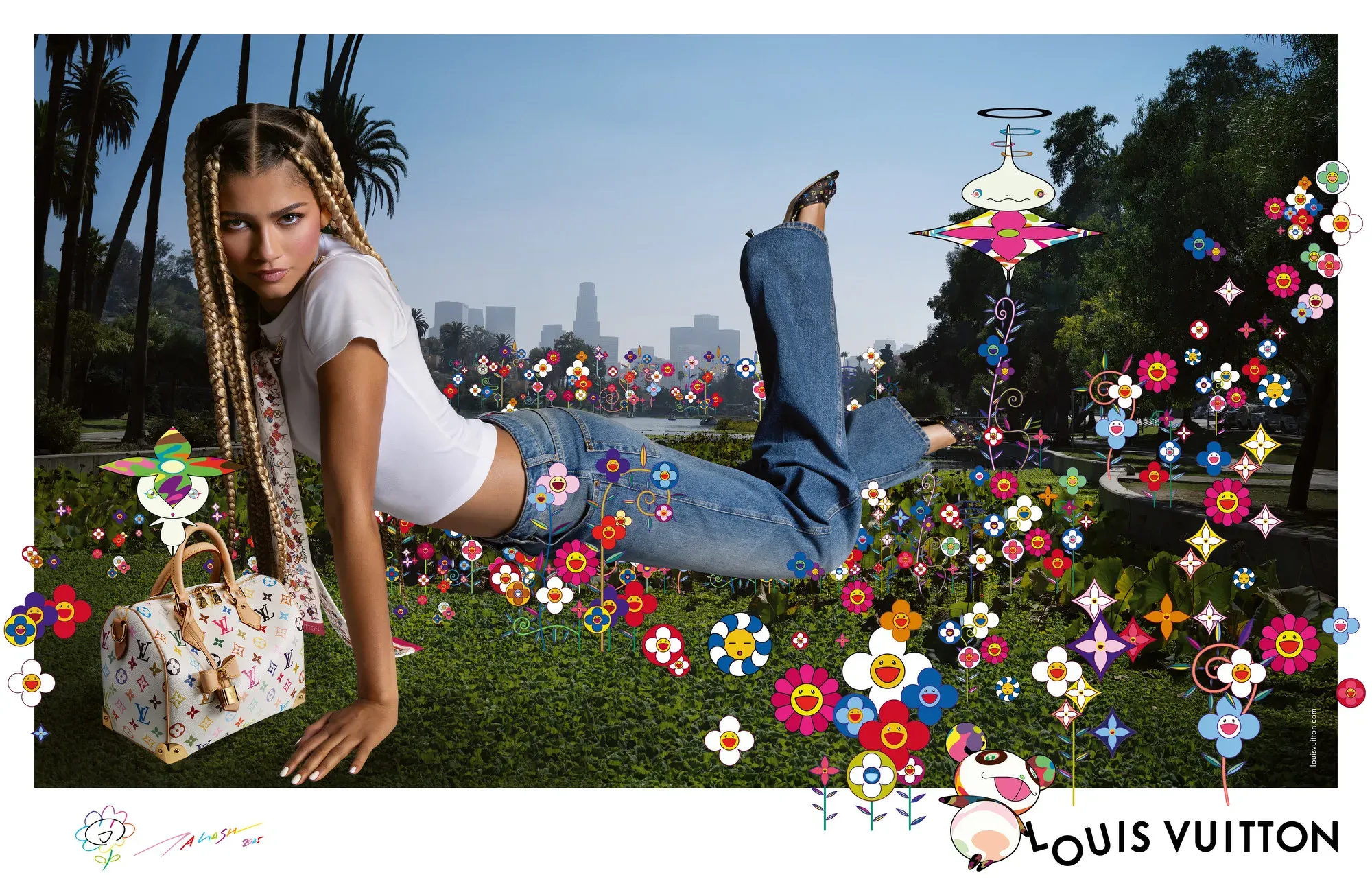
When Louis Vuitton wanted to celebrate 20 years since their groundbreaking Takashi Murakami collaboration, they did what any smart brand does when they call in their House Ambassador, certified cultural icon, Zendaya. The campaign brought back all those chaotic, joyful, cherry-blossom vibes from 2003, except filtered through someone who actually makes people stop scrolling.
Why it worked:
-
They cast perfectly: Zendaya is the rare celebrity who can make both your teenage cousin and your fashion-obsessed aunt want to follow her moves
-
Impeccable timing: This dropped right when everyone was collectively exhausted by beige minimalism and “quiet luxury” and wanted something fun
-
Nostalgia, but make it fresh: Y2K was already having a moment, and LV literally invented luxury Y2K.
-
Actually moved the needle: $7.4 million in media impact value in one week
Gucci's “We Will Always Have London” Campaign (2024)
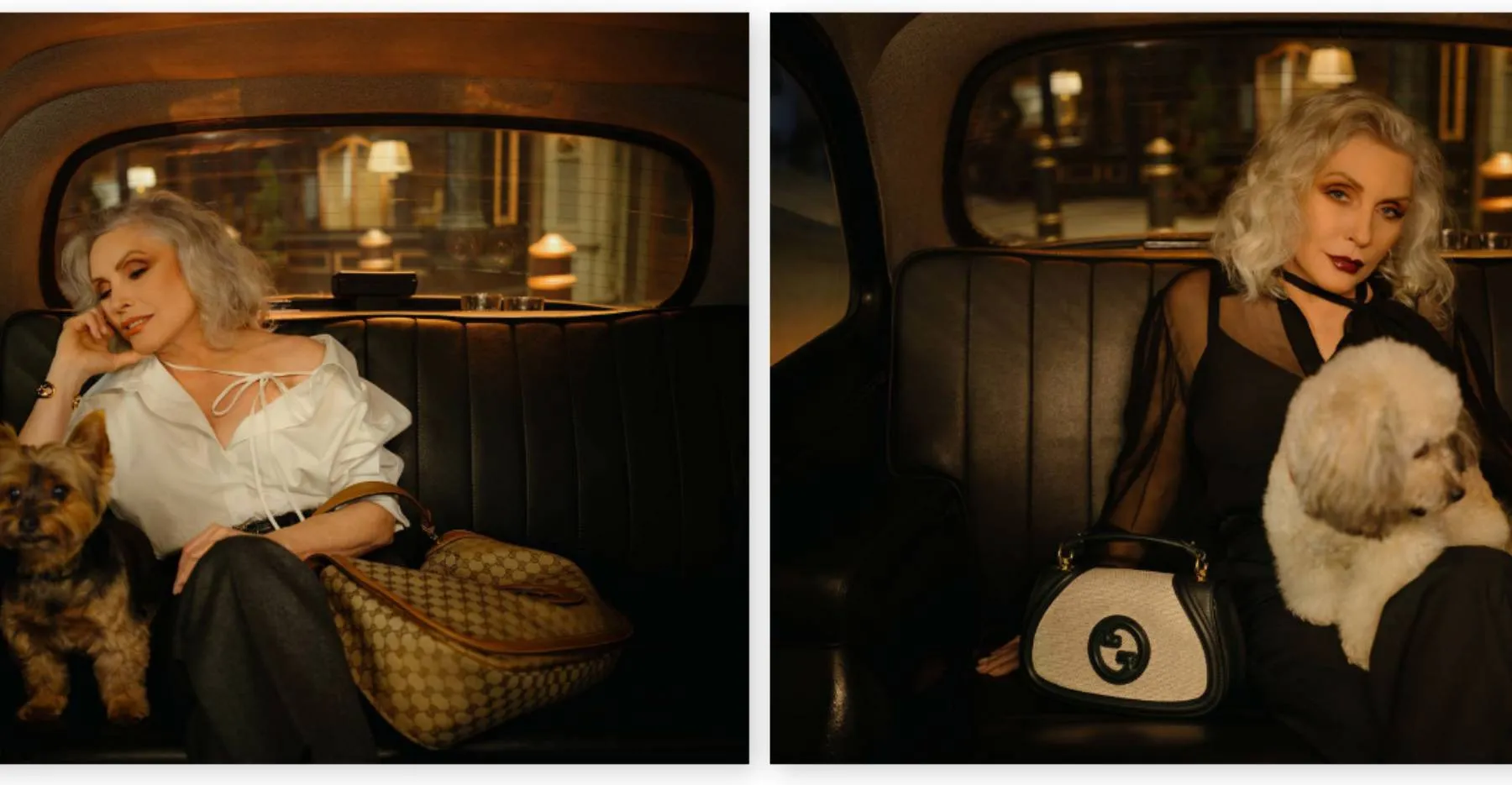
Gucci decided to throw a full-blown love letter to London, and honestly? Iconic. They tapped into British culture at every level — from grime music to the Royal Ballet, from South London barbershops to Notting Hill vintage shops. The campaign, which embodied the city, was shot by Nan Goldin and starred Debbie Harry and Kelsey Lu.
Why it worked:
-
Authenticity over aesthetics: Instead of the usual “luxury brand discovers a city” nonsense, they actually collaborated with local creatives who knew the culture intimately
-
Cultural moment hijacking: Dropped right when British fashion was having a renaissance and everyone was obsessed with anything London-coded
-
User-generated amplification: Encouraged Londoners to share their own “Gucci moments” in the city, turning customers into content creators
-
Commercial impact: Effective promotion of the Blondie Gucci bag and a special award at the 2024 Fashion Awards
Calvin Klein’s Jeremy Allen White Campaign (Spring 2024)

Calvin Klein kicked off 2024 by causing quite a stir during the first week of January. They dropped images of Jeremy Allen White — yep, The Bear — in classic white boxer briefs on a New York rooftop. Within 48 hours, the campaign had generated $10.4 million in media impact value.
Why it worked:
-
Perfect cultural timing: They released this right after White won a Golden Globe and while everyone was obsessed with The Bear — when he was at peak internet thirst trap status
-
Back to basics (literally): In an era of overcomplicated fashion campaigns, they went full minimalist — just a hot guy, white underwear and a rooftop
-
Multi-platform domination: The campaign didn’t just live on billboards — people were talking about and sharing it… everywhere
-
Actual brand impact: Q1 2024 marked the first revenue increase for Calvin Klein North America since 2022
What Makes Digital Campaigns Win
The best fashion digital campaigns share a few things:
-
They understand their audience deeply (not just demographics, but what they actually care about)
-
They create content people want to engage with, not just ads people tolerate
-
They make it ridiculously easy to go from “I want that” to “I bought that”
-
They measure everything and adjust quickly when something’s not working
Trends in Digital Marketing for the Fashion Industry
Here’s what’s in style in fashion:
Social Commerce Is the New Storefront
Instagram and TikTok aren’t just inspiration anymore — they’re where people buy. With Instagram Shopping and TikTok Shop, customers can see a product in their feed and buy it without ever leaving the app. Social commerce sales are expected to reach $8.5 trillion globally by 2030.
AI and Personalization
Be helpful, not creepy. AI helps brands show you products you’ll actually like based on what you’ve browsed, recommend sizes that’ll fit and even predict what you’ll want next season. When done right, it makes shopping feel less like searching through a massive catalog and more like having a really good personal stylist. 80% of consumers are more likely to purchase from brands that offer personalized experiences.
Sustainability Isn’t Optional Anymore
Customers — especially younger ones — want to know where their clothes come from, how they’re made and what happens to them after. Brands that are transparent about their supply chains and committed to sustainable practices are winning customers who care. More than one-third of consumers are willing to pay more for sustainable products.
Video Is Essential
Short-form video on TikTok and Reels, longer YouTube content, livestream shopping events — video is how people discover and connect with fashion brands now. Static images? That’s so 2019. 84% of consumers want to see more videos from brands in 2026.
User-Generated Content Beats Professional Campaigns
It turns out that people trust real people wearing your clothes more than they trust models in professional photoshoots. Brands are actively encouraging customers to create content, reposting it, and building communities around their products. It’s more real, more relatable and way cheaper than hiring a whole production team. A whopping 92% of consumers trust human recommendations over brand messages.
Key Digital Channels for Fashion Brands
Let’s break down where you should actually be showing up online.
SEO (Search Engine Optimization)
This is the “make Google love you” strategy. When someone searches for “black leather jacket women,” you want your brand to show up. SEO services help you rank higher in search results without paying for ads.
The beauty of SEO? Once you rank well, that traffic keeps coming for free. Unlike ads, where traffic stops the second you stop paying. It pays off, if you’re patient.
GEO/AEO (Generative Engine Optimization/Answer Engine Optimization)
This is the new frontier. With AI tools like ChatGPT and Google’s AI overviews changing how people search, you need to optimize your content so AI actually recommends your brand when people ask questions like “best sustainable denim brands” or “where to buy vintage-inspired dresses.”
PPC (Pay-Per-Click Advertising)
This is your Google Ads and paid search. Someone searches for “women’s winter coats,” and boom — your ad shows up at the top. You only pay when someone clicks.
PPC management is crucial for fashion brands because you can capture people with high buying intent — they’re literally searching for what you sell. The challenge? Everyone else in your (very competitive) category is bidding on the same keywords, so costs can get wild if you don’t know what you’re doing.
Social Media Marketing
Instagram, TikTok, Pinterest, Facebook — this is where strong fashion brands live and breathe. You can control your brand story by building community, engaging with customers and creating content that people actually want to see and share.
Platforms like Instagram are perfect for showcasing your products visually, while TikTok is where you can show personality, go viral and reach younger audiences who are basically allergic to traditional ads.
Display Advertising
Display advertising is those banner ads you see on websites. They’re great for retargeting — showing ads to people who visited your site but didn’t buy. Ever looked at a pair of shoes and then had them follow you around the internet for a week? That’s display retargeting in action.
Email Marketing
Email is still alive and kicking. In fact, it’s one of the highest ROI channels for fashion brands. You own your email list (unlike your social media followers, which the platform owns), and you can reach customers directly without competing for attention in a crowded feed.
The key is not treating email like spam. Send stuff people actually want to see: early access to sales, styling tips, new collection launches.
Influencer Marketing
Partnering with people who already have the audience you want. The trick? Finding influencers whose audience actually matches your target customer and who feel authentic to your brand. A mega-influencer with 5 million followers who doesn’t fit your brand is way less valuable than a micro-influencer with lower followers but high engagement who loves what you do.
Key Tactics That Actually Work
Your tactical playbook awaits.
Build a Content Marketing Engine
Stop thinking of content as filler for your Instagram feed and start thinking of it as your primary customer education and acquisition tool. Create content that provides actual value: styling guides, trend reports, behind-the-scenes looks at your design process, sustainability deep-dives.
Content marketing builds trust, establishes expertise and gives people a reason to follow you beyond “they sell clothes I might want.”
Master Your Email Sequences
Set up automated email flows for key moments: welcome series when someone subscribes, abandoned cart reminders when someone leaves without buying, post-purchase follow-ups to encourage reviews. These automated sequences work while you sleep and can be some of your highest-converting marketing.
Use Data to Make Decisions, Not Guesses
Go from “I think this is working” to “the data shows this is working.” Use Google Analytics 4 to track what’s actually driving sales. Set up proper attribution so you know which channels deserve more budget. Test everything — ad creative, email subject lines, landing page layouts.
Create Shoppable Content
Make it as easy as possible for people to buy. Tag products in your Instagram posts, use shoppable Stories, enable TikTok Shop. The fewer clicks, the better.
Focus on Retention, Not Just Acquisition
Pro tip: It’s way cheaper to get existing customers to buy again than to find new ones. Build loyalty programs, create VIP experiences for your best customers, use email to stay on their minds. The average fashion brand CAC is $129 — if you can get that customer to buy from you multiple times, that acquisition cost looks a lot better.
Optimize for Mobile
Over 60% of fashion shopping happens on mobile devices. If your website looks janky on a phone or takes forever to load, you’re losing sales. Period.
“When you think of mobile, you probably think of a small screen size. Marketers, though, think of the mobile-specific web surfing specifics — mobile sessions are reactive, narrow-focused and last seconds.
-You have a heavy UI with six buttons and two more for email subscription? The audience probably won’t understand what you want them to do.
-You added an unskippable full-length movie about your company as a pop-up? Come on.
-You placed your ‘Add to cart’ button in the upper-left corner? Go and check the average length of human thumbs. I have quite a basketball player’s arms and a small iPhone, and sometimes even I need to press buttons with my nose. Please don’t do that to people,” — Leonid Kovalenko, Head of Marketing at Netpeak Agency USA
How Netpeak Can Help Your Fashion Brand Win
Digital marketing for fashion brands is complex, and doing it well requires savviness across multiple channels.
We can help. Netpeak is a full-cycle digital marketing agency that specializes in helping fashion brands navigate exactly these challenges.
We don’t offer cookie-cutter solutions because fashion digital marketing is not one-size-fits-all. Instead, we build custom fashion digital marketing strategies for brands based on your specific business model, target audience and growth goals. Whether you need PPC management to fix your paid advertising ROI, SEO services to build organic visibility or ASO (App Store Optimization) if you have a mobile app — we’ve got the expertise to make it happen.
We’ve helped fashion brands tackle everything from Amazon marketing strategies to seasonal campaign optimization. We understand the unique challenges fashion brands face — from the impact of microtrends to avoiding common scaling mistakes.
Check out our case studies to see how we’ve helped fashion brands transform their digital presence and, more importantly, their bottom line.
FAQ
What is digital marketing for fashion?
Digital marketing for fashion is the strategic use of online channels and tactics to promote fashion brands and drive sales. Unlike traditional fashion marketing, it leverages social media marketing, search engine optimization, content marketing, paid advertising and email marketing to reach customers where they actually spend time — online.
How to get into fashion digital marketing?
Breaking into fashion digital marketing requires mastering core digital marketing skills like social media advertising, SEO, content creation and analytics using tools like Google Analytics. Gain practical experience by managing social media for small fashion brands, creating content for your own fashion-focused blog or offering freelance services. Many successful fashion marketers also invest in certifications for platforms like Facebook Ads or Google Ads to demonstrate technical proficiency.
How to create a digital marketing strategy for fashion and clothing brands?
Creating a digital marketing strategy for fashion starts with understanding your target audience and defining clear business objectives. Build your strategy around the channels where your audience actually engages: platforms like Instagram for visual discovery, Google for search-driven purchases and email marketing for retention. Most importantly, establish proper tracking and attribution so you can measure what’s actually working and optimize your fashion digital marketing accordingly.

 0
0
 0
0
 0
0
 0
0
Related Articles
Sustainability Marketing: 7 Smart Ways to Earn Trust (and Customers)
Learn how to grow your brand efficiently while using eco-friendly marketing practices to build trust and long-term revenue.
Why Your Amazon Pet Ads Are Getting More Expensive Every Quarter Since 2025 (and How Smart Brands Manage It)
What happened to the auction prices? Where is the margin going, and what should be done next quarter?
How to Track Brand Mentions in AI Search? Find Out Whether You Are in the Answer
Being mentioned in an AI search boosts visibility. Discover how to monitor your brand mentions in ChatGPT, Perplexity, or Gemini and follow our approach to higher mention frequency.