
When choosing a healthcare provider, a friend’s recommendation still matters. But even then, patients do a full digital background check before booking. First stop: Google reviews. Then Reddit. Your medical marketing is more than just running advertising today. It's your reputation.
In healthcare, trust is built online long before a patient walks through your door. Right healthcare marketing makes every piece of your online presence give vibe of a trusty consultant — friendly, attentive without being intrusive, and fiercely competent.
Let's discuss why marketing in the medical industry matters so much, what’s actually working in 2025, and how to fill your schedule and keep patients coming back.
Medical Marketing in Plain English
Medical marketing is the mix of tactics that help health-related businesses make sure consumers can find them, choose them, and return to them. It includes marketing techniques like:
-
Having a website that doesn’t look like it was built in 2008 and actually helps you with booking the appointments
-
Managing online reviews, answering healthcare consumer feedback, and keeping your reputation clean
-
Creating helpful content (blogs, reels, videos) that makes you look like the healthcare professionals you are IRL
-
Running online or local advertising so your neighbours can find you when they need help
You Save Lives — Let Marketing Save Your Business
Healthcare organizations already do the hard part: diagnosing, fixing, and comforting. But while you’re busy reducing suffering in this world, your business needs something that helps it too — visibility. Here is why it’s important in 2025.
High-Rock Competition
Having great medical skills is essential, but if people can’t find you, or don’t trust you, your business is in trouble. Competition is huge: in 2025, the global healthcare marketing industry is valued at $210+ billion, growing at ~7-10% year over year. With those numbers, a weak marketing presence can mean that you are invisible.
Reputation is the King of the Hill
Over 70% of patients in the US read online reviews when choosing a new doctor, and 72% will only choose doctors with 4-star reviews or higher. Your online reputation is the first impression a patient gets.
Goodbye One-Off Visit Pattern
The impact of medical marketing is enormous: you can make 55%-70% patients stay loyal and make the next appointment. A brand-new patient can cost a clinic $247 to $1,435, depending on specialty, but keeping a patient you already know costs only around $35 to $85.
We at Netpeak US helped a medical product online store with its marketing and increased its income by 23.2%. Impressive, right? If you want to make your marketing more effective, just give us a call!
2025 Vibes: US Medical Marketing Trends You Can’t Ignore
Healthcare marketing in 2025 is moving faster than a doctor late for morning rounds. One minute you’re buying print ads, the next your patients are finding you through TikToks and “doctor near me” searches.
Trend 1: AI-Powered Mind-Reading Personalization
The days of “one-size-fits-all” health ads are so gone. The global AI in healthcare market is projected to hit ~$36.96 billion in 2025.
Top healthcare marketers are using AI to send highly targeted messages, ask questions, and send reminders — all personalized to patients’ history.

Trend 2: Healthcare Could Be Interactive Too
Patients are not fans of walls of text — they are all about quick, engaging content. On health platforms, videos, reels, and live Q&As get 3× higher engagement than static posts.
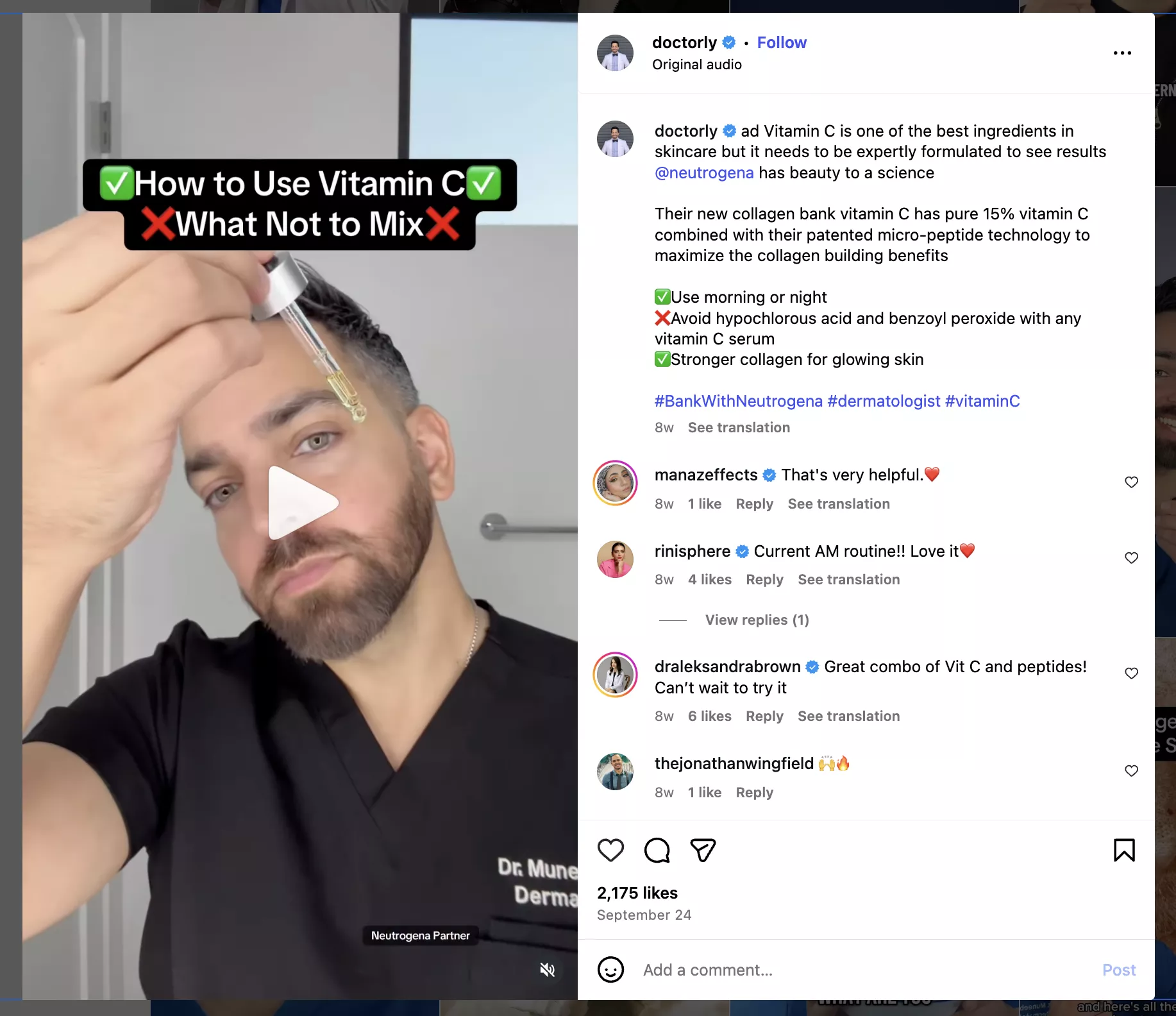
For example, a dermatologist posts a 30-second Instagram reel: “How to Use Vitamin C and What Not to Mix” and has 165k views and 2,175 likes.
Trend 3: Go Local and Omnichannel
If you can’t be found via Google, you might as well not exist. In 2025, 77% of patients say they rely on search engines before booking an appointment. And they don’t stop there.
Their journey looks more like a chaotic scavenger hunt across the internet. They hop from Google to YouTube, then to TikTok and insurance directories, then Healthgrades, maybe Reddit, then your chatbot — all before deciding if you’re worth their time.
Trend 4: Virtual Visits Are Not Just for the Pandemic
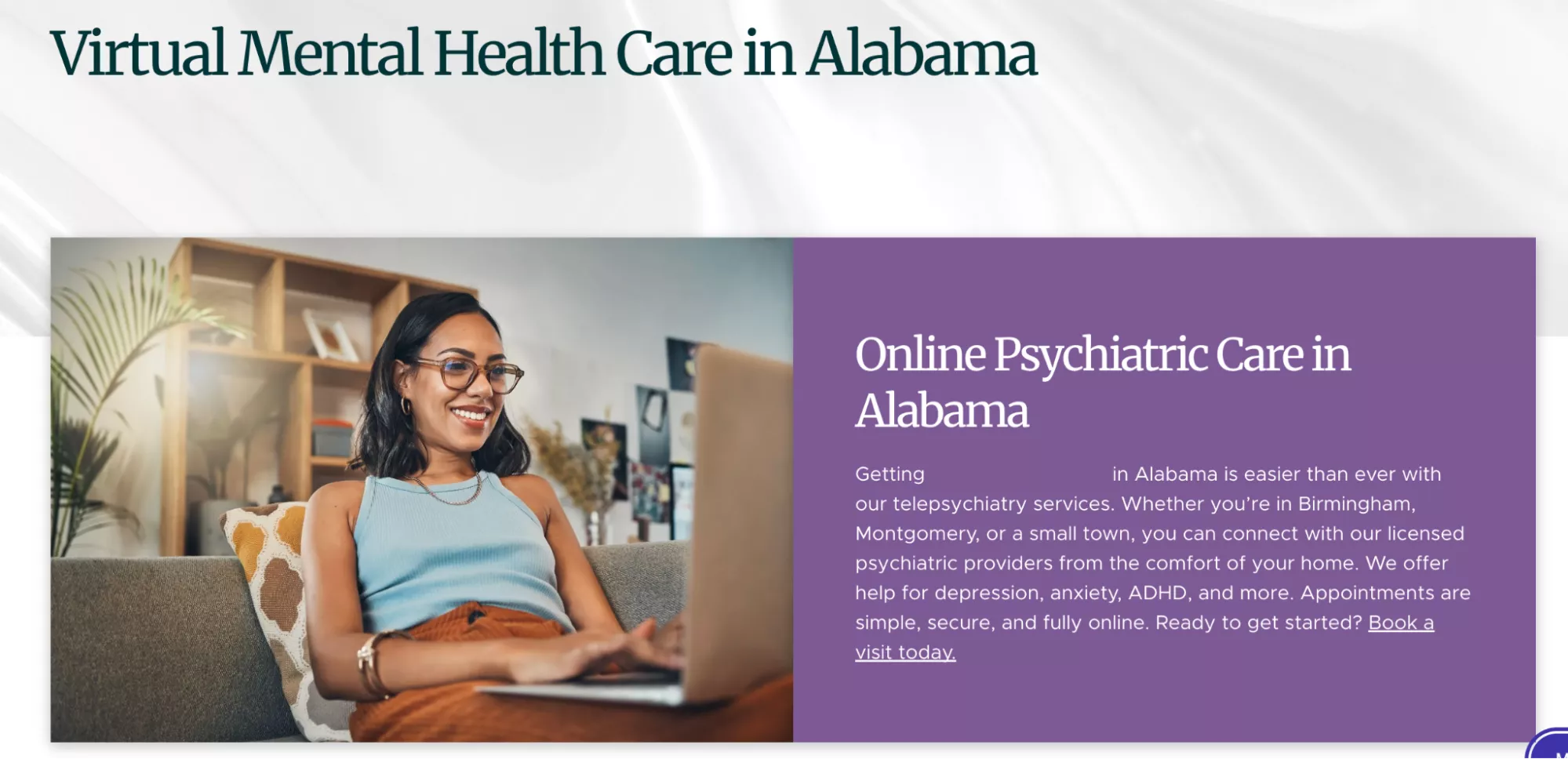
By 2026, 25-30% of all US medical visits are expected to happen via virtual consults, remote patient monitoring (RPM), and teletherapy. Healthcare online is our new routine.
Marketing Pain Points Every US Clinic Feels
Medical marketing in the US feels like maneuvering through a hospital hallway during shift change — it’s not easy. Here are the biggest obstacles you need to face and address them properly.
HIPAA Always Matters
Healthcare marketing is often about using personal information, so you need to follow rules. Here are a few: don’t use patient images in ads without consent, protect with your life all personal data, and be careful with sharing medical details.
Take HIPAA seriously to avoid huge fines — sometimes they can reach hundreds of thousands of dollars. Google, Meta, and YouTube also have strict policies regarding medical content. If you violate these, your ads may be removed and your account restricted.
Practical tip: Be extra careful with patients' data, always use a media consent form, and choose a HIPAA-compliant CRM. For example:
-
InfluxMD: Built-in HIPAA-compliance: secure messaging, encrypted data, and audit trails.
-
NexHealth: Has HIPAA-compliant features too.
Sensitive Audience + Trust Issues
Clients in the healthcare industry are often emotional and suspicious. For example, when a clinic runs a marketing campaign saying “Best doctors in town!”, potential patients don’t instantly believe it. They think, “Who says?”
Person, full of anxiety, message your clinic at 2 a.m.? They need an answer immediately! If you find something scary about your health on Google, you can’t wait hours to hear back.
Practical tip: Use real patient reviews to build trust. Create an AI chatbot that will answer faster — even with templates like “We’re checking this for you.”
Reputation Can Flip Overnight
Google, Yelp, Healthgrades, and Facebook all prioritize new reviews. So, a fresh 1-star rating would be on top for some time, temporarily lowering your rating and click-through rate. Respond quickly to take control!
Do it with every negative review. People will scroll past twenty “Best doctor ever!” comments, but read the one titled “Worst experience of my life.”

Practical tip: Respond to every negative review with empathy. Explain what happened, own up to your mistakes, and take responsibility for them.
We at Netpeak US are experts at creating marketing strategies for the healthcare industry. We know all the trends and pain points, so you don't have to. If you need help with your marketing, give us a call!
Practical Steps for Healthcare Businesses: Beginner Edition
Typical medical marketing motto is “try hard, and learn from your mistakes.” Here is a breakdown of first steps, so you can avoid pitfalls.
Step 1: Make Your Website Your Digital Waiting Room
You need a modern website to show what you treat, how much things cost, and an online booking button so big you could land a rocket on it.
Patients judge websites the same way they judge dating profiles:
-
Outdated? Nope
-
Confusing? Goodbye
-
Blurry photos? Red flag
A fast, stylish website makes patients feel like they’re in safe hands, which is the most important thing in healthcare.
Business result: More people find your business, read reviews and content, and book appointments.
Step 2: Tell Google “Yes, That’s My Clinic”
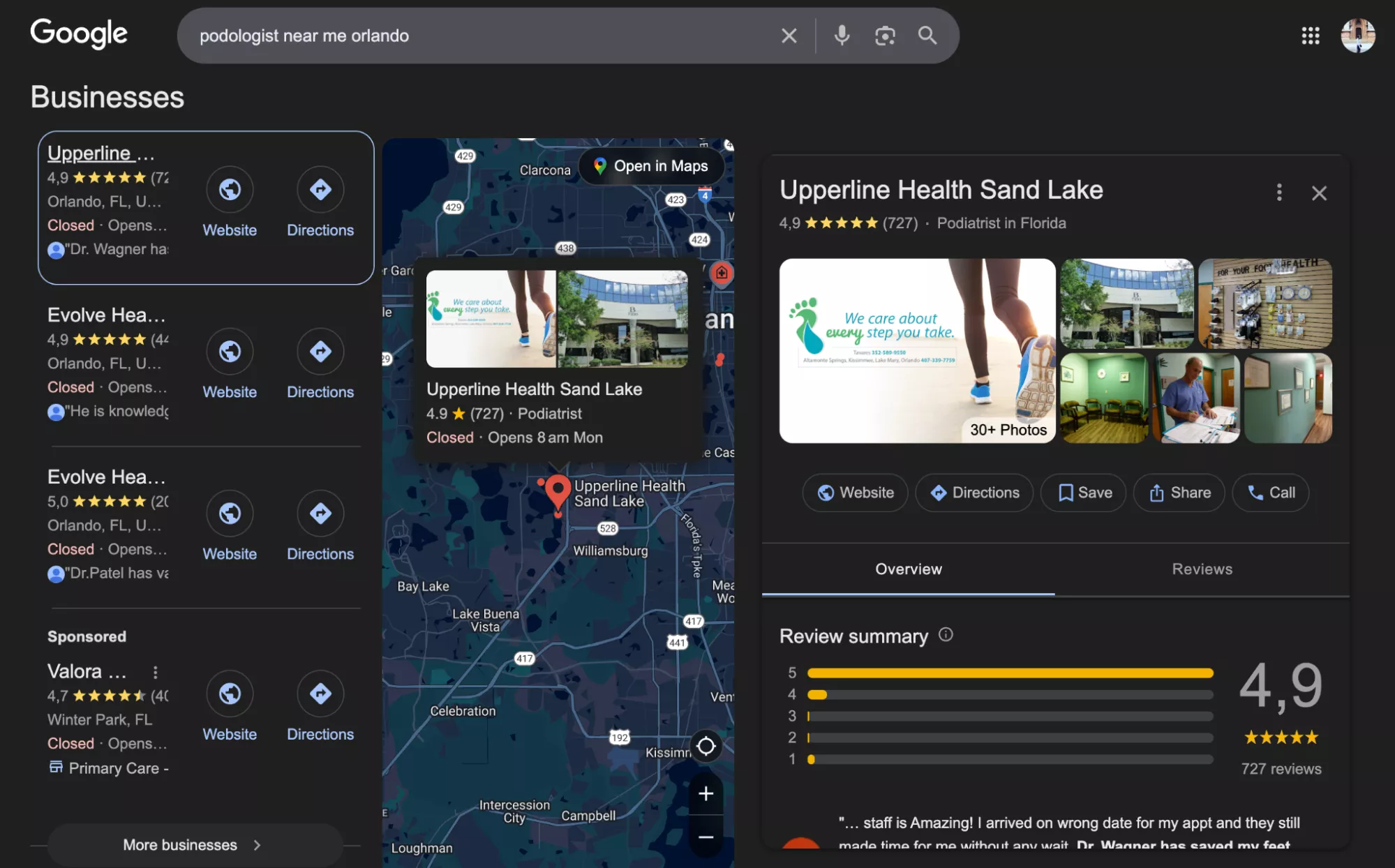
You need to claim your Google Business Profile (GBP) to make your business visible in local search results and show your reviews to the entire Internet. Local search is effective: 76% of people who search for something near them visit a business they found online within a day.
Before patients see your reception area, they see your Google listing. Don’t forget to add your clinic treatments, phone number, work hours, and photos.
Business result: You appear in “doctor near me” searches. It brings you high-intent patients who are ready to book.
Step 3: Nudge Your Patients… Nicely
People forget appointments. Life gets busy, and medical visits fall to the bottom of the mental to-do list. Reminders show patients you care — and want to keep your cabinets full. For example, you can send:
-
SMS about appointments (“Therapist will wait for you tomorrow at 10 AM!”)
-
Post-visit check-ins via email (“How are you feeling after your procedure?”)
-
Preventive nudges via push-up messages (“Time for check-up!”)
Business result: You save the money. In the US, no-shows cost the healthcare system $150 billion annually.
Step 4: Explain Things Like a Human
Patients want to understand what’s happening to them in human language and in a fun way. Content showcases that you know what you're talking about and want to help, not just earn some money. It could be:
-
30–60 second myth busters videos
-
Quick FAQs
-
Guides for procedures
-
After care instructions, etc.
Business result: Creating content costs less than running ads. You publish it and become the go-to expert — the name people know when symptoms are looking bad.
Step 5: Run Online Ads
We love a free organic search, but sometimes you need to get in front of the right patients right now. Run simple Google Ads (e.g., “pediatric clinic open today”), Meta ads, and retargeting ads, so you’ll have new patients and return some.
Business result: With PPC healthcare marketing, you attract patients who are searching for help and fill your hours.
Step 6: Track What Works (and Stop What Doesn’t)
Data tells you the truth — what’s bringing in patients and what’s just making an illusion of work. Keep an eye on your real numbers:
-
How many people visit your website?
-
How many of them are booking appointments?
-
Are you climbing toward better ratings and reviews?
-
Are your reminders working?
-
Are you getting patients or burning money for nothing?
Business result: You change your strategy and stop investing money into things that don’t work. At the same time, you double down on what does work.
What’s Coming Next (and Why It’s Exciting)
The market of medical marketing is only growing. Right now, over 72% of all healthcare & pharma ad budgets are already going digital, and 88% of US healthcare marketers plan to spend even more on digital ads in 2026.
Meanwhile, global healthcare data is skyrocketing from $31.46B in 2024 to a projected $121.85 by 2034.
Your competitors are getting smarter and faster. That’s great motivation to start being serious about medical marketing now.
FAQ
What is medical marketing?
Medical marketing is how clinics, hospitals, and healthcare providers help patients find them, trust them, and choose them. It includes anything that helps people understand who you are and book an appointment with confidence.
Why is medical marketing important for healthcare businesses?
Because today’s patients research everything online first. Even if a friend recommends you, people still check your reviews, website, and social media before booking. Without marketing, you’re basically invisible.
What are the main trends in US medical marketing?
In 2025–2026, the big shifts are:
-
AI-powered personalization (smart reminders, targeted messages, chatbot triage)
-
Short-form video (TikTok, Reels, YouTube Shorts)
-
Local & national SEO (“doctor near me” is the new front door)
-
Telehealth marketing (virtual visits are now routine)
-
Privacy-first trust-building (patients want transparency)
Do small clinics really need marketing — or is it only for big hospitals?
Great news: marketing helps small clinics the most. Big hospitals already have brand recognition. A simple website, updated Google Business Profile, helpful videos, and consistent reviews can bring in more patients than expensive ads.

 0
0
 0
0
 0
0
 0
0
Related Articles
Online Local Advertising for Small Businesses: How Neighbors Find You Online
Discover how small businesses use online local advertising to show up in search, maps, and social feeds — and turn neighbors into customers.
How to Do SEO for a Cleaning Company in 2026? From Invisible to Fully Booked
If you do it right, cleaning service SEO becomes your most sustainable growth channel — bringing in clients, lowering acquisition costs, and building long-term online visibility.
13 Leading Healthcare Marketing Trends for 2026
Discover the 13 hottest healthcare marketing trends in 2026 that will help your brand stay ahead, engage patients, and drive results. Stay smart, stay relevant!