
Plastic Surgery Marketing: 11 Strategies to Make Your Practice Visible Online
You might be a world-class plastic surgeon, but talent behind closed doors is no longer enough — visibility is part of the job now. That’s why you need digital plastic surgery marketing — to help new patients discover your name on Google, view your work on Instagram, and feel confident to call after reading your reviews.
Many of your best patients are quiet about their plans. They're not like the Kardashians, eager to announce every enhancement. They’re not ready to ask friends or colleagues for reviews. Instead, they search Google and read reviews to find your plastic surgery practice discreetly. Later, when someone asks them why they look so good, they’ll smile and say, "Oh, just exercise and enough sleep."
This guide shows you how to use plastic surgery marketing to help patients easily find you online, trust you, and book an appointment without any unnecessary roadblocks on their way.
Why Random Marketing Activities Fail — and Strategy Wins
Even if you can achieve stunning results, your calendar may still be empty if your marketing strategy is "post and pray." A plan turns beauty into business.
Here are a few reasons why it matters:
-
You work in a highly competitive industry. There are over 11,000 plastic surgery businesses in the U.S. alone, and demand has been rising. The cosmetic surgery market was valued at $69.7 B in 2023 and could double by 2031. Surgical cosmetic procedures alone are expected to grow from $47 B (2025) to $62.8 B by 2034.
-
Most patients start with online research. 95% of patients researching cosmetic plastic surgery use the internet to gather information before a consultation, and for 68% of them, online searches are their first step in the patient journey.
-
Marketing builds trust, and you need it. 49% of consumers trust online reviews almost as much as word-of-mouth recommendations. 69.5% of patients reported that before-and-after photos influenced their choice of surgeon.
If you want some help with your plastic surgery marketing, just give us a hint!
Baseline: Understand Your Target Audience
Good marketing starts with people. In plastic surgery practice, success depends on how well you understand your patients' goals, concerns, and decision-making process. Here are some general plastic surgery stats you need to know:
-
Women are 85% of cosmetic surgery patients, dominating the industry, though male interest is rising, especially for injectables and minimally invasive procedures. In 2024, around 1.6 million cosmetic procedures were performed on men in the US, marking a 4% increase from 2022.
-
A large portion of cosmetic patients are educated, working women with family responsibilities:
-
Married: 67.5%
-
College-educated or higher: 66.9%
-
Employed: 74.3%
-
Mother: 74.5%
-
Younger adults and slightly older adults interested in different treatments:
-
18–34-year-olds want breast augmentation and rhinoplasty
-
35–50-year-olds are most interested in botulinum toxin injectables
Using this data, let’s build a few customer portraits to inform your marketing strategy:
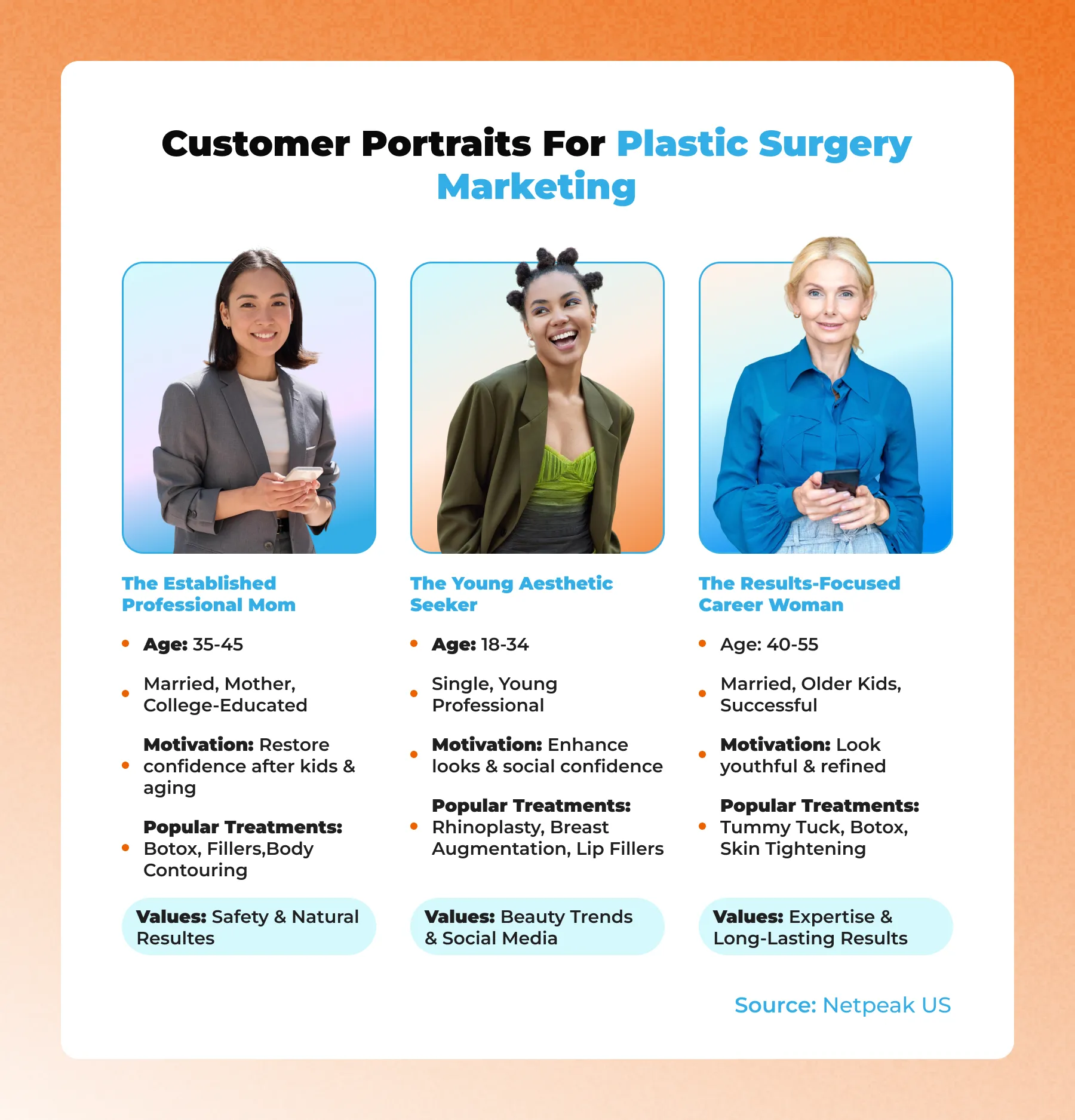
-
Customer Portrait #1: “The Established Professional Mom”. She's like Kate McCallister, Kevin's mom from Home Alone — busy, warm, and never vain.
-
Customer Portrait #2: “The Young Aesthetic Seeker”. Think about Elle Woods from Legally Blonde — she is beauty-positive, and wants to look iconic and confident.
-
Customer Portrait #3: “The Results-Focused Career Woman”. She is like Samantha Jones from Sex and the City — all polished, authoritative, and deeply results-driven.
Customer Portrait #1: “The Established Professional Mom”
This is THE profile of a plastic surgery patient. She starts with minimally invasive procedures before surgery.
-
Gender: Woman
-
Age: 35-45
-
Family status: Married, mother
-
Education: College-educated or higher
-
Employment: Working professional or business owner
What motivates her toward plastic surgery: She wants to look like her best self after pregnancy and the natural signs of aging. For her, plastic surgery is also a way to invest in her own well-being after years of putting others first.
Cosmetic surgery procedures she is most likely to consider:
-
Botulinum toxin (Botox) and fillers
-
Non-surgical skin rejuvenation
-
Body contouring or breast lift after childbirth
Customer Portrait #2: “The Young Aesthetic Seeker”
Unlike in Portrait #1, she is more emotionally driven and less risk-averse, though she is still concerned about outcomes.
-
Gender: Woman
-
Age: 18–34
-
Education: Often a college student, recent graduate, or early-career professional
-
Employment: Frequently employed or building a career
-
Family status: More likely to be single or child-free
What motivates her toward plastic surgery: How she looks matters a lot to how she feels. She often carries insecurity from her teenage years and hopes aesthetic changes will help her feel more attractive in dating and on social media.
Cosmetic surgery procedures she is most likely to consider:
-
Rhinoplasty (nose surgery)
-
Breast augmentation
-
Lip fillers or subtle facial contouring
-
Non-surgical tweaks as a “first step”.
Customer Portrait #3: “The Results-Focused Career Woman”
Unlike in Portrait #1, she is open to surgery if the results are clear and long-lasting.
-
Gender: Woman
-
Age: 40–55
-
Marital status: Most often married or in a long-term partnership
-
Family status: Mother
-
Education: College-educated or higher
-
Employment: Actively working — senior professional, business owner, manager, or specialist
What motivates her to pursue plastic surgery: Her career is well settled, her children are more independent, and she feels more financially secure than before. Now she wants to gently refresh the visible signs of aging.
Cosmetic surgery procedures she is most likely to consider:
-
Botulinum toxin (Botox)
-
Dermal fillers for volume loss
-
Skin tightening or resurfacing
-
Body contouring procedures include tummy tuck, breast lift, liposuction, and body sculpting.
Brand First: Why Reputation Matters More Than Anything Else
In most industries, a strong brand helps you stand out. In plastic surgery, a strong brand builds trust in an arena where trust literally affects people’s lives and identities. Plastic surgery is a personal, irreversible, and deeply emotional decision.
-
94% of patients care a lot about a doctor’s reputation when choosing healthcare.
-
42% of consumers said they will pay more for services from brands they trust.
-
Companies with consistent, recognizable branding can see up to a 23% increase in revenue.
“Surprisingly, reputation isn’t built on five-star reviews, but on how boringly consistent you look across a hundred review platforms. Trust is built through a rich and reliable presence.
Build your signal system. Explain any complications and note that your results may vary naturally across faces and body types. Stay calm when responding to someone who left a four-star review instead of a five-star one.
No fireworks here. This is a calm, low-drama channel — but an effective one,” — Leonid Kovalenko, Head of Marketing, Netpeak US
Same Brand, Different Message: How to Speak to Each Patient
Your brand should have a clear identity, but use different “voices” of this same promise for different customer portraits.
|
CP #1: “The Established Professional Mom” (35–45) |
CP #2: “The Young Aesthetic Seeker” (18–34) |
CP #3: “The Results-Focused Career Woman” (40–55) |
|
|
Positioning angle |
She needs to feel understood, respected, and not pressured |
She wants to feel inspired by modern aesthetics |
She wants to see authority, results, and longevity |
|
Proof you should show her |
Real patient stories (moms, working women) Before/after photos focused on subtle change Recovery timelines |
Short Reels/TikToks Before/after videos Q&A videos Influencer-style educational healthcare content Trend-related posts (nose, lips, contouring) |
Detailed before/after galleries Case studies Explanations of techniques Recovery expectations Realistic outcomes |
|
Channels that fit her best |
Google + website, Facebook, Instagram (educational tone), blog articles, patient testimonials |
TikTok, Instagram Reels, YouTube Shorts, and an Instagram profile as a portfolio |
Google + website, educational blog, long-form video, Facebook, and professional Instagram feed |
Marketing for Plastic Surgery: 11 Strategies for Visibility
If new patients can’t find you online, they won't choose you. These 11 digital marketing strategies will show you exactly how to increase your visibility.
Strategy 1: Refine Word-of-Mouth
Word-of-mouth is when happy patients recommend you to friends, family, or colleagues. If a patient trusts you and loves their results, they naturally talk about you — in person, in chats, or on social media. You can encourage this by asking for referrals and giving referral bonuses.
How to apply by portrait:
|
CP #1: Established Professional Mom (35–45) |
Stay in touch after treatment and gently encourage referrals through mom groups and local communities. |
|
CP #2: Young Aesthetic Seeker (18–34) |
Spark natural conversations among friends by sharing beautiful results, short videos, and stories that people want to repost. |
|
CP #3: Results-Focused Career Woman (40–55) |
Grow word-of-mouth over time by delivering great results and building a strong reputation among patients, colleagues, and professional networks. |
Strategy 2: Master Local Plastic Surgery SEO
Local SEO (Search Engine Optimization) means making your clinic appear when people search for things like: “plastic surgeon near me,” “rhinoplasty in NYC,” or “botox clinic in Boston.” To show up in these results, you need to optimize:
-
Google Business Profile (photos, reviews, services)
-
Your website (service pages, blogs, local keywords)
-
Online directories
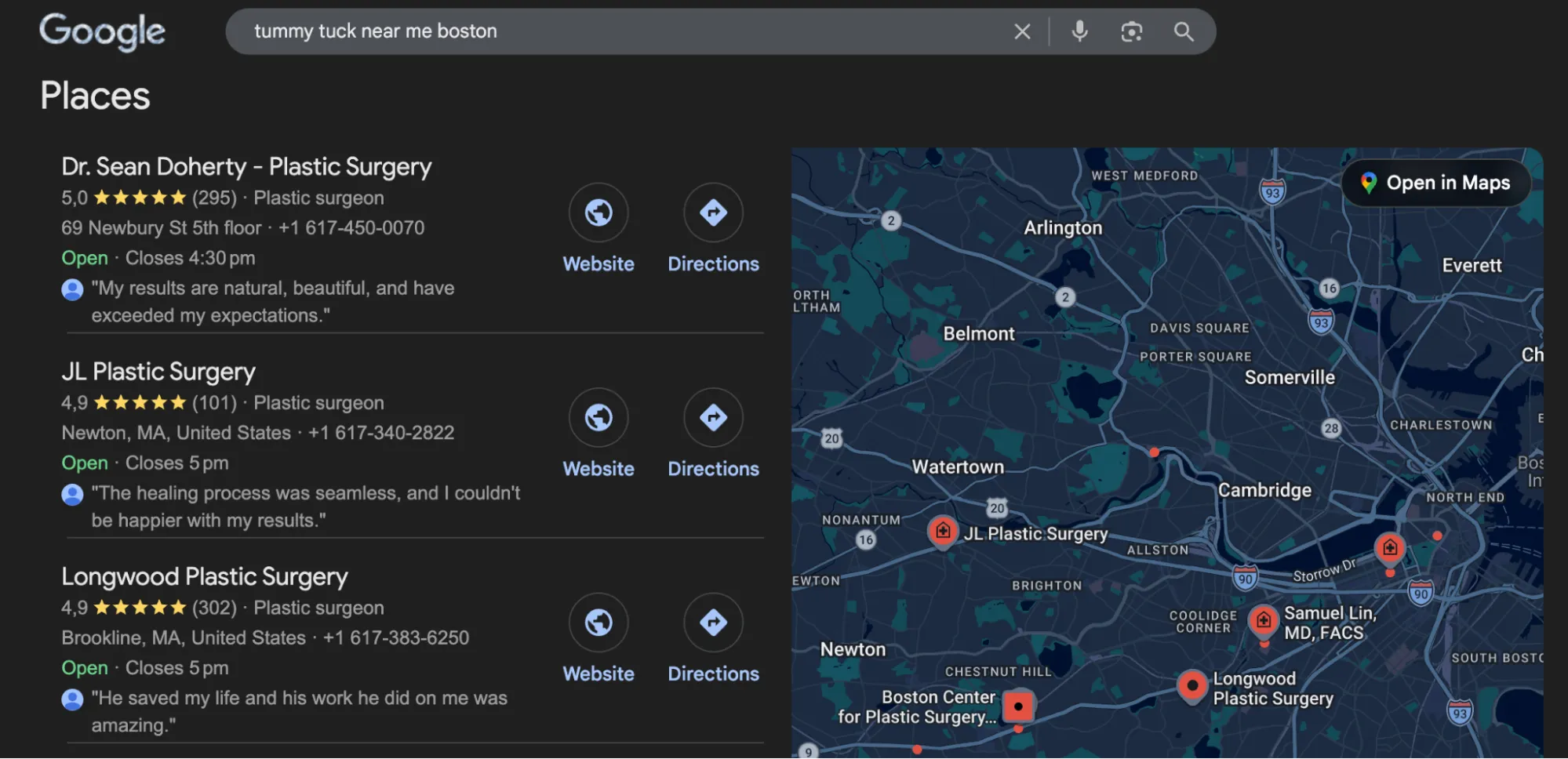
For example, a woman searches for “tummy tuck near me.” Your clinic appears in the top 3 results of a Google search view with strong reviews, so she clicks and books a consultation.
How to apply by portrait:
|
CP #1: Established Professional Mom (35–45) |
Optimize for queries such as “mommy makeover near me,” “Botox for busy moms,” and “safe plastic surgeon + city.” |
|
CP #2: Young Aesthetic Seeker (18–34) |
Rank for aesthetic keywords: “rhinoplasty near me,” “lip fillers + city,” “natural nose job.” |
|
CP #3: Results-Focused Career Woman (40–55) |
Focus on authority-driven keywords: “best board-certified plastic surgeon,” “tummy tuck expert,” “facelift specialist + city.” |
Strategy 3: Tailor Your Paid Ads
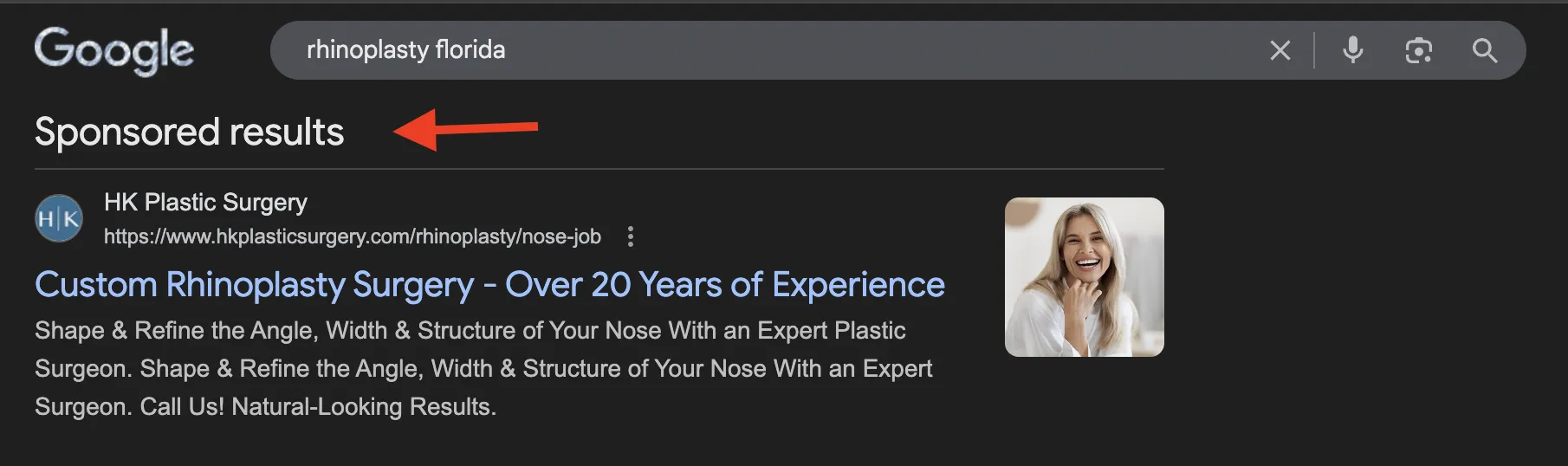
Healthcare PPC (Pay-Per-Click) ads are paid ads on Google or Meta (Facebook/Instagram). You pay only when someone clicks. For example, a person types “rhinoplasty Florida” and sees your Google ad: “Custom Rhinoplasty Surgery - Over 20 Years of Experience.”
How to apply by portrait:
|
CP #1: Established Professional Mom (35–45) |
Use empathetic ad copy like “Safe, natural rejuvenation with minimal downtime.” |
|
CP #2: Young Aesthetic Seeker (18–34) |
Use visual-first ads (video + before/after) and trend-aware language. |
|
CP #3: Results-Focused Career Woman (40–55) |
Highlight credentials, years of experience, and long-lasting results in ad text. |
Strategy 4: Make Use of Testimonials
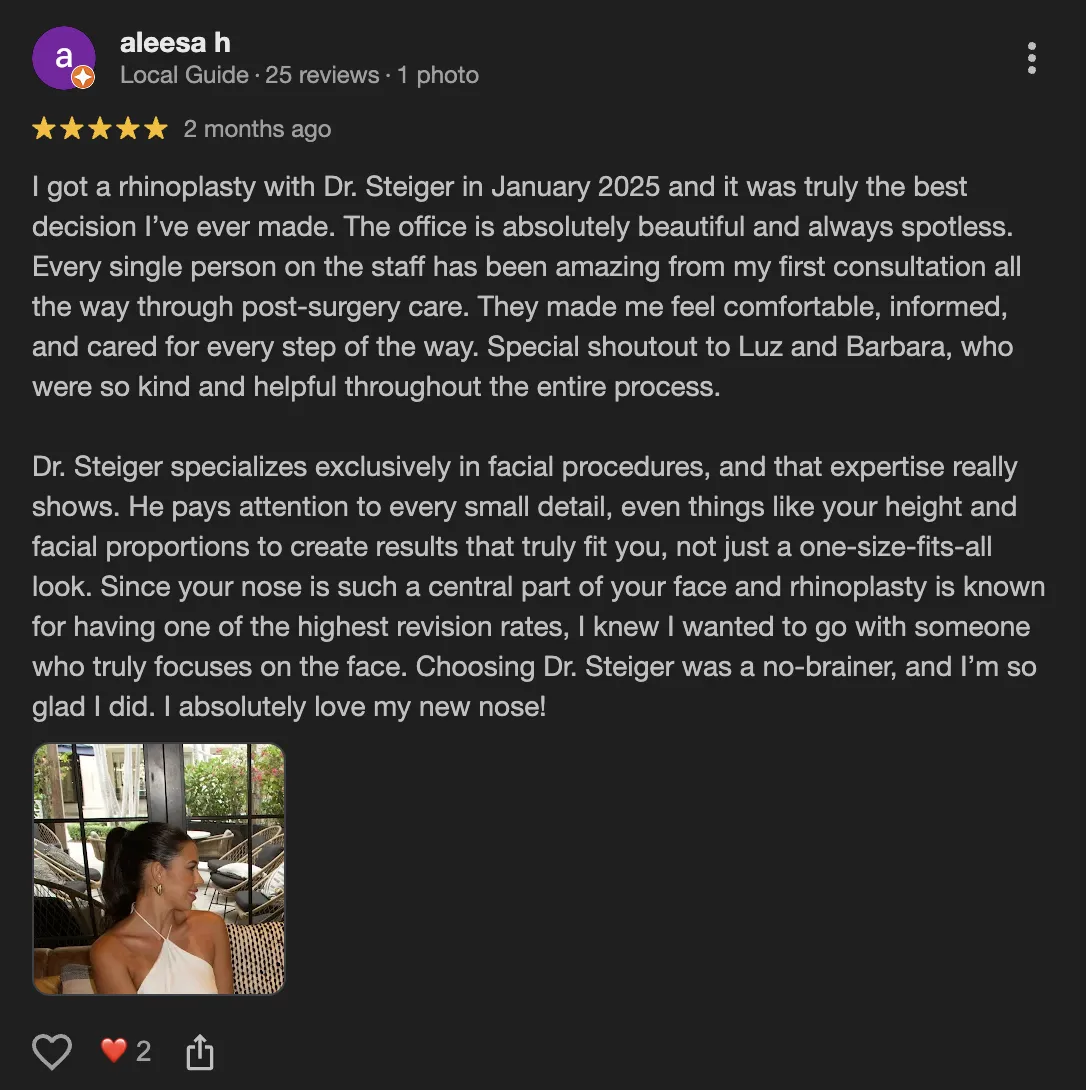
Testimonials are reviews, patient stories, and before/after results that you later display on your website, social media, and ads. For example, if a patient sees positive rhinoplasty reviews, they would feel so much more confident booking than before.
How to apply by portrait:
|
CP #1: Established Professional Mom (35–45) |
Show testimonials from real moms about recovery, safety, and confidence. |
|
CP #2: Young Aesthetic Seeker (18–34) |
Use short video testimonials that are authentic and aesthetically pleasing. |
|
CP #3: Results-Focused Career Woman (40–55) |
Provide detailed case studies that emphasize outcomes and professionalism. |
Strategy 5: Improve Your Social Media Marketing
Use Instagram, TikTok, and Facebook to educate and attract patients. Post before/after videos, educational reels, Q&A with the surgeon, and behind-the-scenes clinic content.
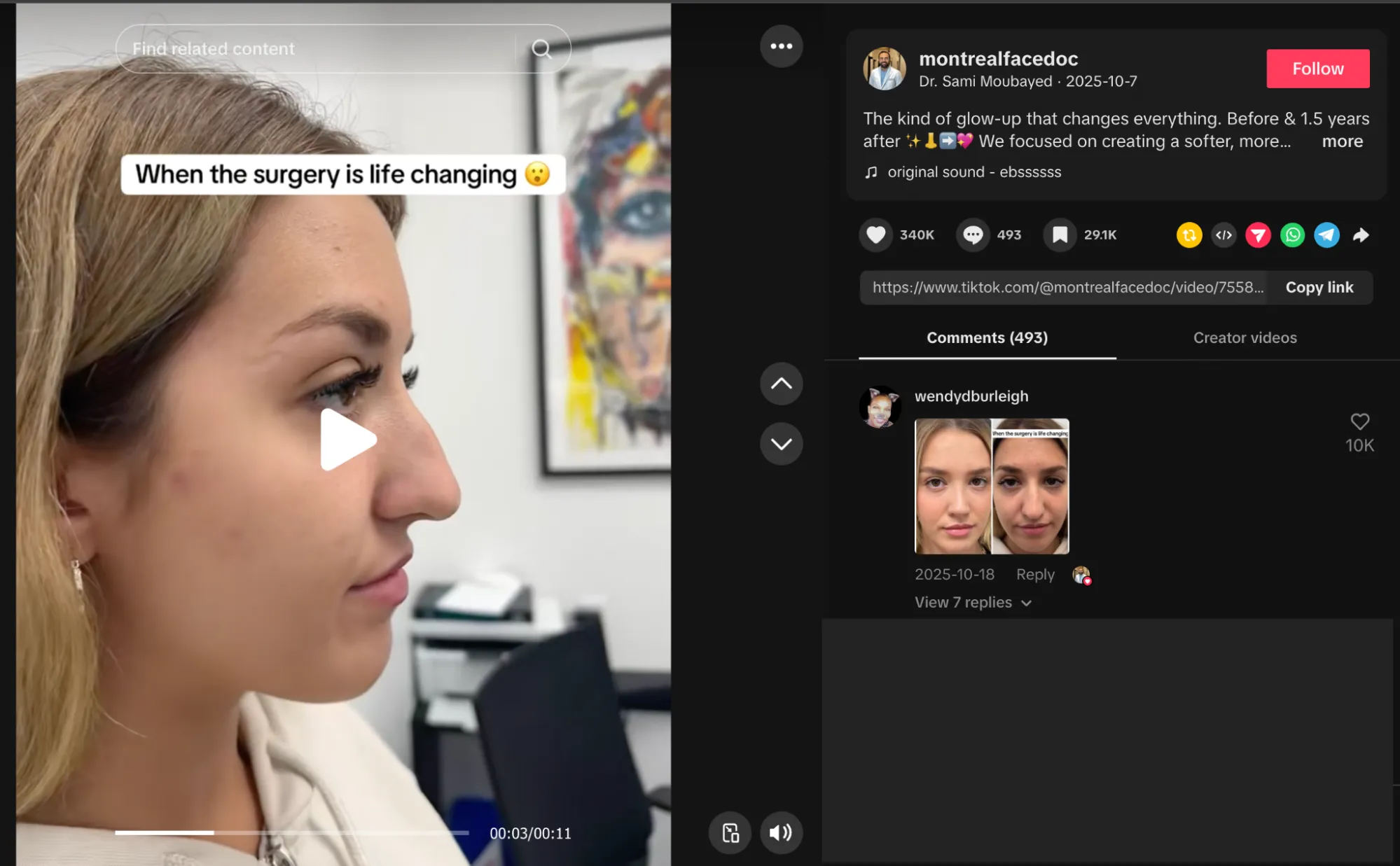
For example, a TikTok video of a rhinoplasty transformation could go viral and bring new clients
How to apply by portrait:
|
CP #1: Established Professional Mom (35–45) |
Educational, calm, and supportive content (FAQ, myths, recovery tips). |
|
CP #2: Young Aesthetic Seeker (18–34) |
Reels, TikTok, transformations, “day in the clinic,” and trend-based content. |
|
CP #3: Results-Focused Career Woman (40–55) |
Polished, expert content: procedure explainers, doctor insights, real results. |
Strategy 6: Double-Down on Retention
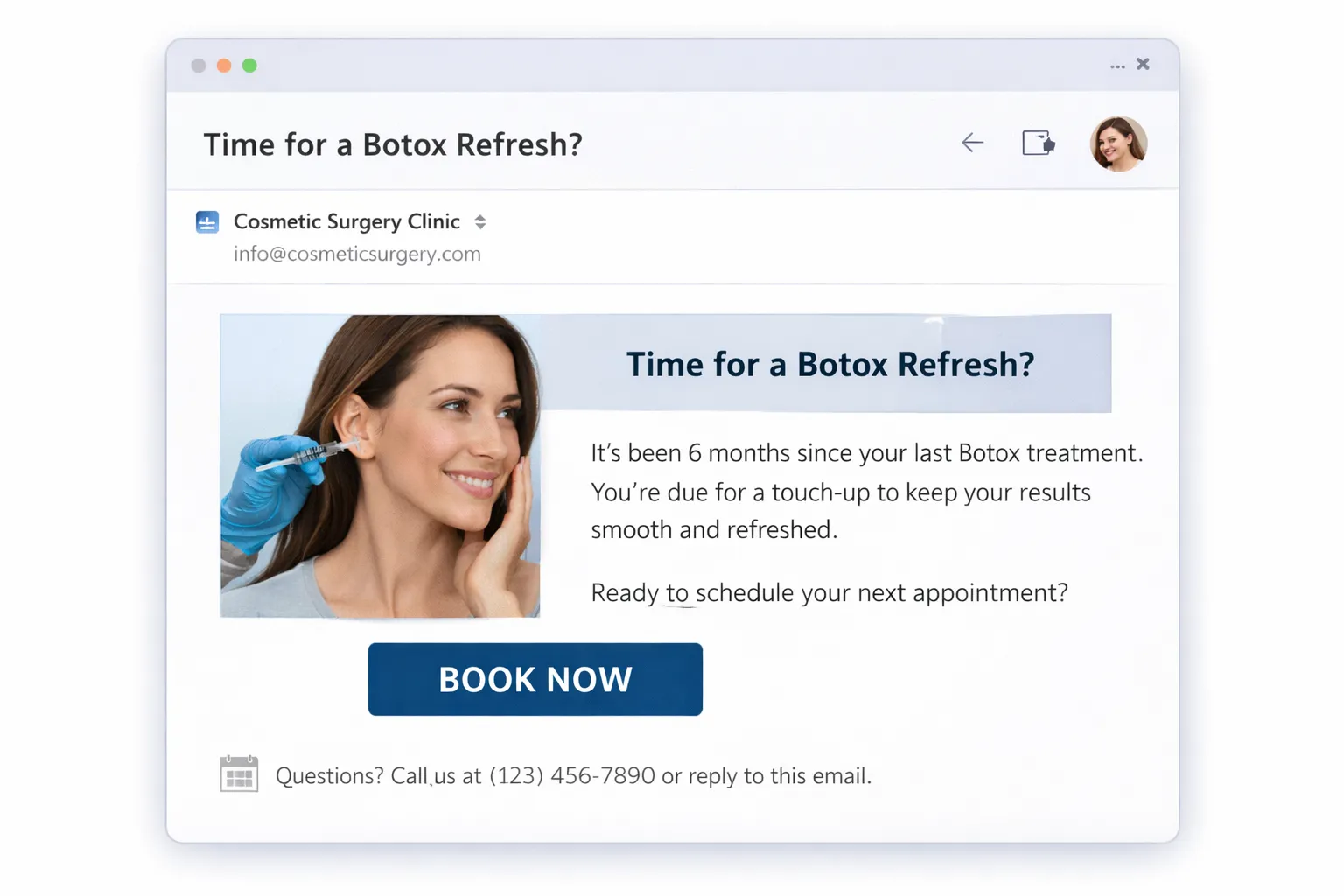
It’s how you keep people coming back instead of always chasing new clients. You need to send reminders, check in after procedures, create long-term care plans, etc.
For example, a patient receives Botox every 6 months — your clinic better automatically remind her, so she never goes elsewhere.
How to apply by portrait:
|
CP #1: Established Professional Mom (35–45) |
Post-treatment check-ins, maintenance reminders, and gentle follow-ups. |
|
CP #2: Young Aesthetic Seeker (18–34) |
Create “glow plans” or starter packages that keep her engaged. |
|
CP #3: Results-Focused Career Woman (40–55) |
Long-term care plans (annual refresh, skin programs, preventive aging). |
Strategy 7: Visualize Your Storytelling
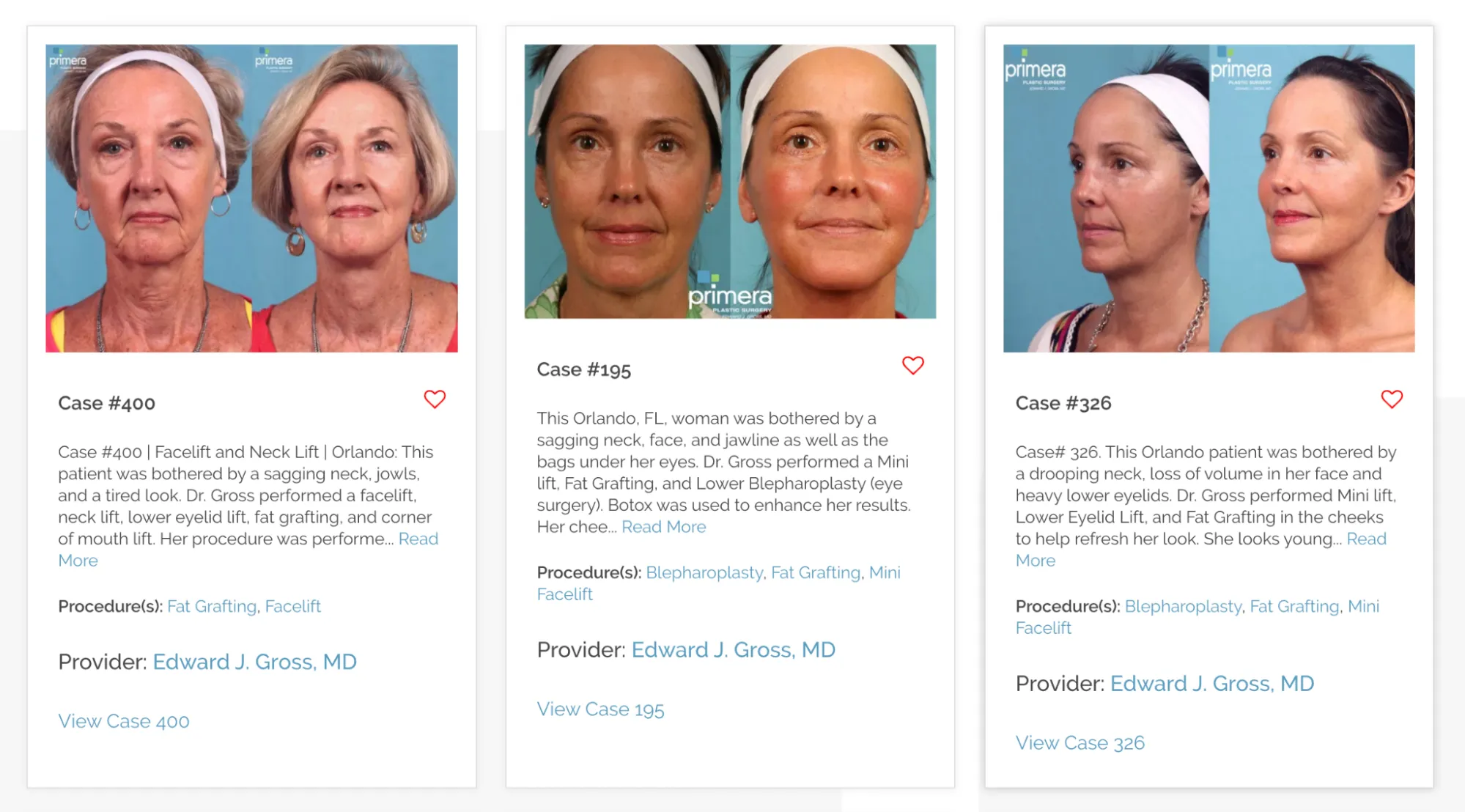
Tell your clinic's story with visuals. Show patient journeys and real transformations. For example, include a pre- and post-surgery photo of the patient.
How to apply by portrait:
|
CP #1: Established Professional Mom (35–45) |
Before/after focused on subtle change and real-life confidence. |
|
CP #2: Young Aesthetic Seeker (18–34) |
Transformation videos, cinematic reels, and process storytelling. |
|
CP #3: Results-Focused Career Woman (40–55) |
Case journeys showing decision → procedure → recovery → results. |
Strategy 8: Nurture Loyalty Programs
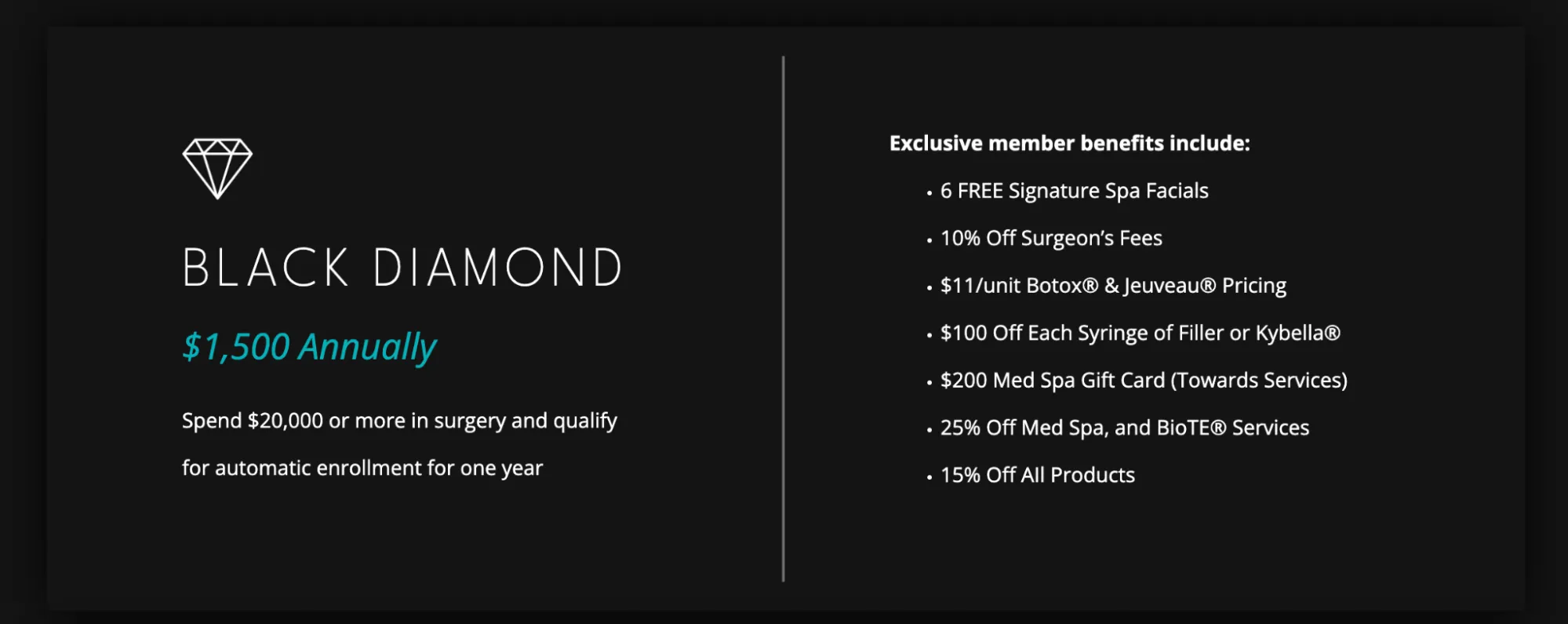
Create special programs that reward loyal patients. Offer membership plans, discounts for repeat treatments, and referral rewards.
For example, one plastic surgery practice launched a membership plan called “Black Diamond” that includes 6 complimentary signature spa facials, 10% off surgeon’s fees, a $200 med spa gift card, and a bunch of other bonuses.
How to apply by portrait:
|
CP #1: Established Professional Mom (35–45) |
Create memberships for injectables, skincare, and annual check-ups. |
|
CP #2: Young Aesthetic Seeker (18–34) |
Propose referral perks, influencer-style benefits, or “bring a friend” incentives. |
|
CP #3: Results-Focused Career Woman (40–55) |
Launch VIP programs: priority booking, personalized plans, and concierge care. |
Strategy 9: Optimize Wisely With AI
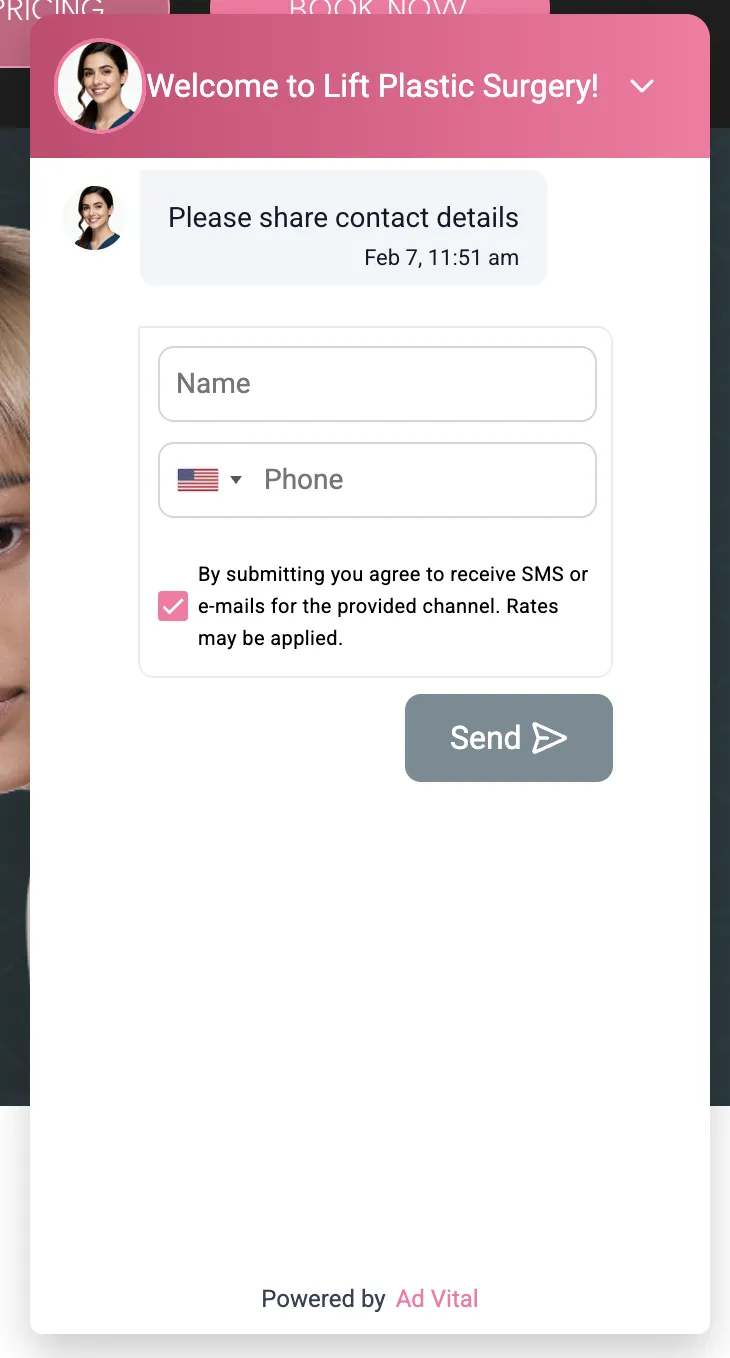
Use AI tools to improve marketing and communication. AI can answer patient questions 24/7, suggest social media posts, and analyze which ads work best.
For example, an AI chatbot on your website can answer FAQs after hours and schedule consultations.
How to apply by portrait:
|
CP #1: Established Professional Mom (35–45) |
Use AI chatbots for gentle education and appointment triage. |
|
CP #2: Young Aesthetic Seeker (18–34) |
Explore AI-driven social captions, video ideas, and personalized content feeds. |
|
CP #3: Results-Focused Career Woman (40–55) |
Use AI analytics to refine messaging, predict patient needs, and optimize results. |
Strategy 10: Try Remarketing
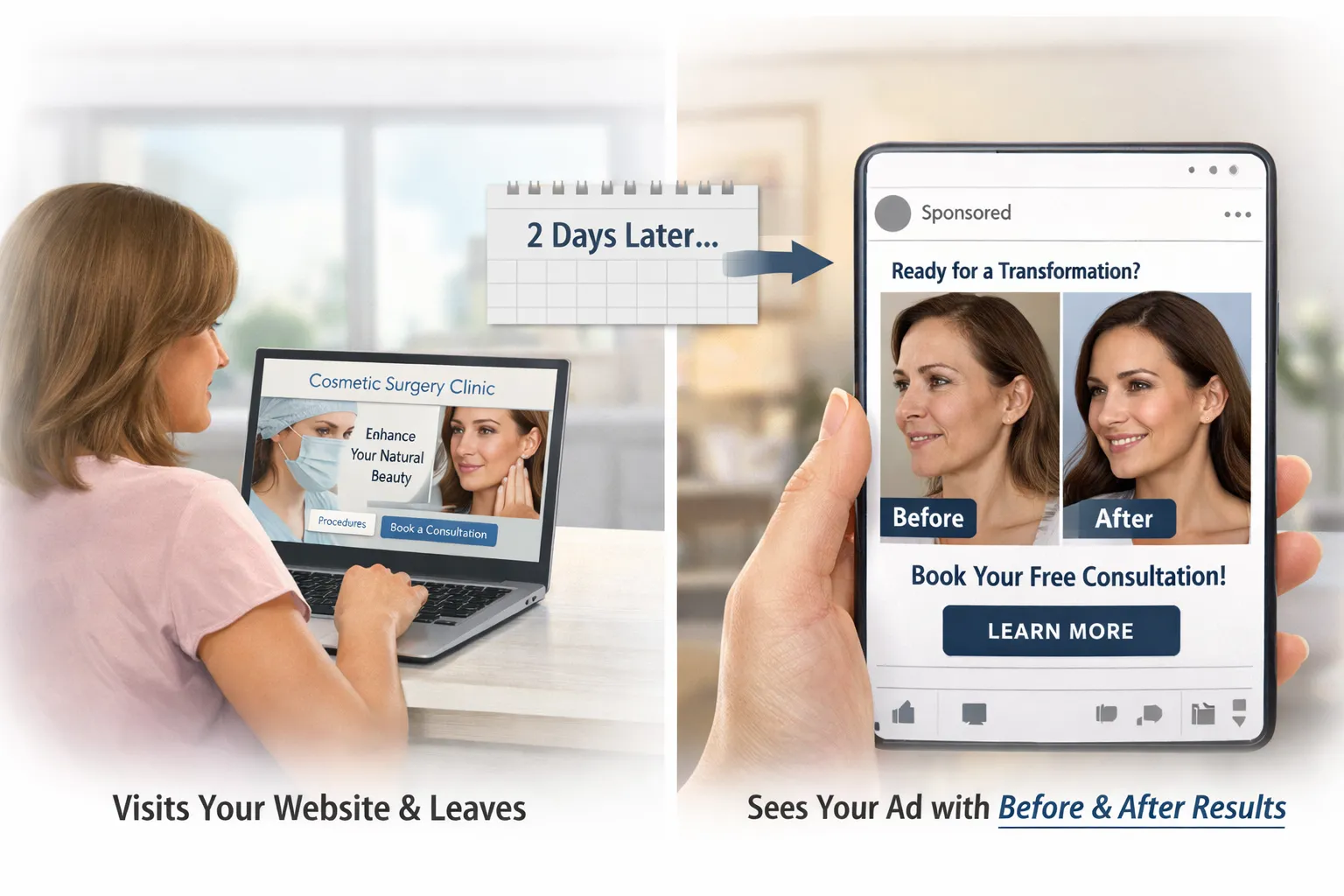
Show ads to people who have already visited your website but haven’t booked. If someone views your rhinoplasty page, they may later see your ads on Instagram or Google.
For example, a woman checks your site but leaves. Two days later, she sees your ad with before/after results and books.
How to apply by portrait:
|
CP #1: Established Professional Mom (35–45) |
Remarket with reassurance: safety, recovery, testimonials. |
|
CP #2: Young Aesthetic Seeker (18–34) |
Remarket with inspiring visuals and transformation stories. |
|
CP #3: Results-Focused Career Woman (40–55) |
Remarket with credentials, case studies, and expert messaging. |
Strategy 11: Refresh Your Site’s Design
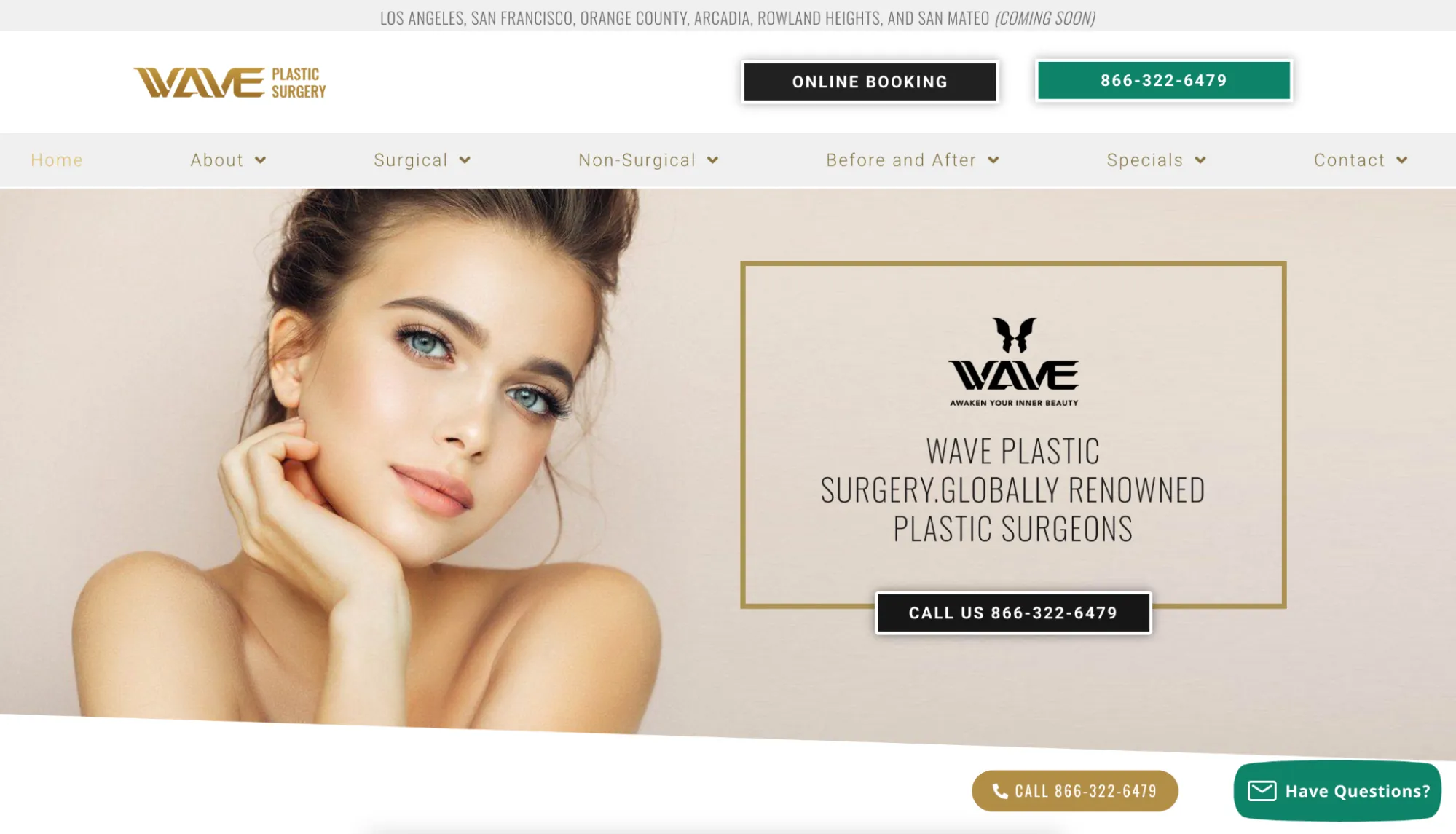
Keep your website modern, clear, and easy to use. A clean, beautiful site with transparent navigation makes patients feel safe and professional — so they book.
How to apply by portrait:
|
CP #1: Established Professional Mom (35–45) |
Create clean, warm, professional design with clear patient journeys. |
|
CP #2: Young Aesthetic Seeker (18–34) |
Improve a visually dynamic site with videos, galleries, and modern UX. |
|
CP #3: Results-Focused Career Woman (40–55) |
Use authority-driven layout: credentials, expertise, results, and clear navigation. |
Pro Approach: Build a Multichannel Marketing Campaign
A multichannel marketing campaign means you don’t put all your eggs in one basket. Instead, you appear across several connected channels — search results, your website, social media, reviews, email, and ads — so patients meet your practice naturally at different moments as they decide.
Oxford Medical Multichannel Marketing Case Study
At Netpeak US, we helped Oxford Medical to:
-
Improve their SEO. We refined website content and internal links to align with Google’s EEAT principles (experience, expertise, authority, and trust). Because healthcare is a sensitive YMYL (Your Money, Your Life) category, we made sure all information was accurate, transparent, and trustworthy.
-
Launch effective PPC campaigns for fast lead generation. We ran high-intent Google Ads and social campaigns, optimized bids for the best keywords, and created tailored ad creatives to reach the right patients at the right time.
-
Increase patient engagement with email marketing. We sent targeted emails with useful content, relevant offers, and personalized health recommendations to keep patients connected to the clinic.
-
Strengthen brand trust through reputation management (SERM). We encouraged happy patients to leave genuine reviews on Google, Facebook, and medical platforms, and built a consistent strategy to grow and manage positive feedback.

Results: +44% increase in organic search share, +86% growth in conversions from PPC.
Marketing for Plastic Surgery: Things to Keep in Mind
You are promoting medical services that can permanently change a person’s body and well-being. Make sure your campaigns are trendy but legally compliant, ethically sound, and credible. Or face a trouble with a capital “T”.
-
Avoid misleading claims (“guaranteed results,” “risk-free surgery”), transparently use before-and-after photos, and respect patient privacy.
Helpful sources: FTC advertising guidelines (USA) and HIPAA basics.
-
Educate rather than exploit insecurity, avoid fear-based messaging (“you must fix this now”), be transparent about risks, recovery, and realistic outcomes; and respect patient dignity in imagery and storytelling. Useful ethical framework: General principles of medical ethics.
-
Demonstrate certified credentials, real before/after results, authentic patient reviews, and transparency about procedures and limitations.
FAQ
What are the challenges of marketing for plastic surgeons?
Plastic surgery marketing must balance promotion with ethics, because procedures are emotional, irreversible, and highly personal. Competition is intense, while regulations limit what you can claim, show, or promise. At the same time, patients research deeply, so trust must be earned across many touchpoints — not just one ad.
Why is content important for plastic surgery marketing?
Content educates patients before they ever meet you, reducing fear and building confidence in your expertise. It helps your clinic get found on Google and social media while positioning you as a trusted professional rather than a “salesperson.”
Why should you use cases for plastic surgery marketing campaigns?
Cases make results real, visual, and believable — which is crucial in a results-driven field like plastic surgery. They show your surgical style, consistency, and quality far better than words alone. Strong case storytelling also shortens decision time because patients can clearly imagine their own outcomes.
Why does trust matter more in plastic surgery than in most other services?
Plastic surgery outcomes are largely permanent, so patients are choosing a person, not just a service. Because results cannot be easily “returned” or reversed, perceived risk is much higher than in ordinary consumer purchases.

 0
0
 0
0
 0
0
 0
0
Related Articles
SEO for Contractors: Tips and Strategies for 2026
Your freedom as a contractor comes at a high price: you need to find your own jobs. That's what SEO for contractors helps you with.
New Apple Ads Update Changes the Game. Restructure Your Budget ASAP
Apple’s new App Store ad placement is live. Organic traffic is at risk. Learn how to conquer auction uncertainty.
Why Target College Students for Marketing? Moving Companies' Untapped Gold Mine of Leads
College students move more often than almost any other group, yet they’re the least experienced at hiring movers. That’s exactly why moving marketing to them should be specific.