
Why Your Amazon Pet Ads Are Getting More Expensive Every Quarter Since 2025 (and How Smart Brands Manage It)
Americans now spend more on their animals than on alcohol and tobacco combined. The US pet industry reached $147 billion in annual consumer spend in 2023, per the American Pet Products Association. The category is recession-resilient, emotionally driven, and growing. Every investor noticed. Every DTC founder noticed. Every legacy CPG brand is noticed.
And then they all started advertising. On the same platforms. Against the same keywords. At the same time. We all know what it entails — permanent CPC growth.
As we say in France: qui trop embrasse, mal etreint — he who grabs too much holds nothing well. That is precisely what happened to pet advertising. Too many brands chased the same auction, and now everyone is holding a shrinking margin.
If your blended CPCs are up 25-40% year-over-year and your ROAS is drifting south, you are not experiencing a targeting problem. You are experiencing a market structure problem. Those require different solutions.
The good news? This isn’t new: top brands have already figured it out, and I’ve seen it from the inside at Amazon.
What Actually Happened to Auction Prices
Three forces converged between 2020 and 2023, and they are not going to unconverge.
1. The pandemic adoption wave brought in capital. US pet ownership grew by roughly 12 million households between 2020 and 2021, per the APPA. Sequoia, General Catalyst, and a cohort of family offices followed that demand signal into brands like Jinx, Smalls, and Maev — all of which needed fast customer acquisition and had the budgets to buy it.
They bid aggressively on Amazon Sponsored Products, Google Shopping, and Meta, compressing margins for everyone already in those auctions.
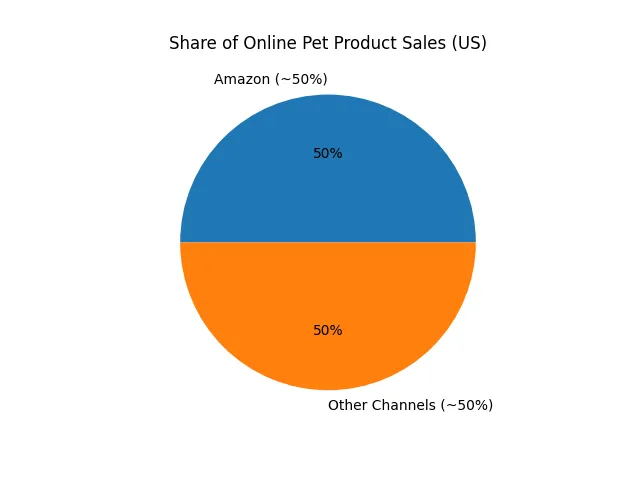
2. Amazon became the only channel that mattered. Amazon captures nearly half of US online pet product sales, per Packaged Facts. That made Sponsored Products non-negotiable for any brand serious about scale.
When a channel is inescapable, its advertising prices behave accordingly. You pay, or you disappear.
3. The incumbents got serious. Nestle Purina PetCare reported over $21 billion in annual revenue in 2023. Hill's Pet Nutrition, owned by Colgate-Palmolive, is not a startup burning through a Series B. When businesses of that size run structured digital campaigns, they move auction floors permanently upward. You do not win a sustained bidding war with Nestle. You find a different battlefield.
"Retail media is rapidly expanding and is projected to reach over $300 billion globally by 2030, reflecting its growing importance in digital advertising."
Forrester, Global Retail Media Forecast, 2025
Where the Margin is Actually Going
Pacvue Retail Media Benchmark Report (2025) shows that pet supplies had the highest CPC increase year-over-year on Amazon (+23%), reflecting rising competition in the category.
The brands absorbing that increase without a compensating LTV advantage are watching ROAS compress quarter after quarter. The ones growing through it share one characteristic: they stopped treating paid auction media as their primary acquisition engine.
“The brands that win in maturing auction environments are those who built organic rank early enough to not need the auction, and those disciplined enough to compete only where they have a structural edge. Everyone in the middle pays a premium for a mediocre position.”
Bref: if you are bidding from a position of weakness, you are essentially paying a tax on your own indecision.
Where the Smart Brands are Spending Instead
While everyone else is busy arm-wrestling in the same overcrowded ad auctions, smarter brands are casually slipping out the side door — into channels where competition is still fashionably late.
1. Chewy's ad platform. Chewy holds roughly 36% of the US online pet supply market, per Bloomberg Intelligence transaction data. Its advertising platform — Sponsored Listings, Display, and offsite retargeting — is structurally underpriced relative to its audience quality. Chewy shoppers are high-frequency, high-LTV buyers who have self-selected into a pet-specific environment.
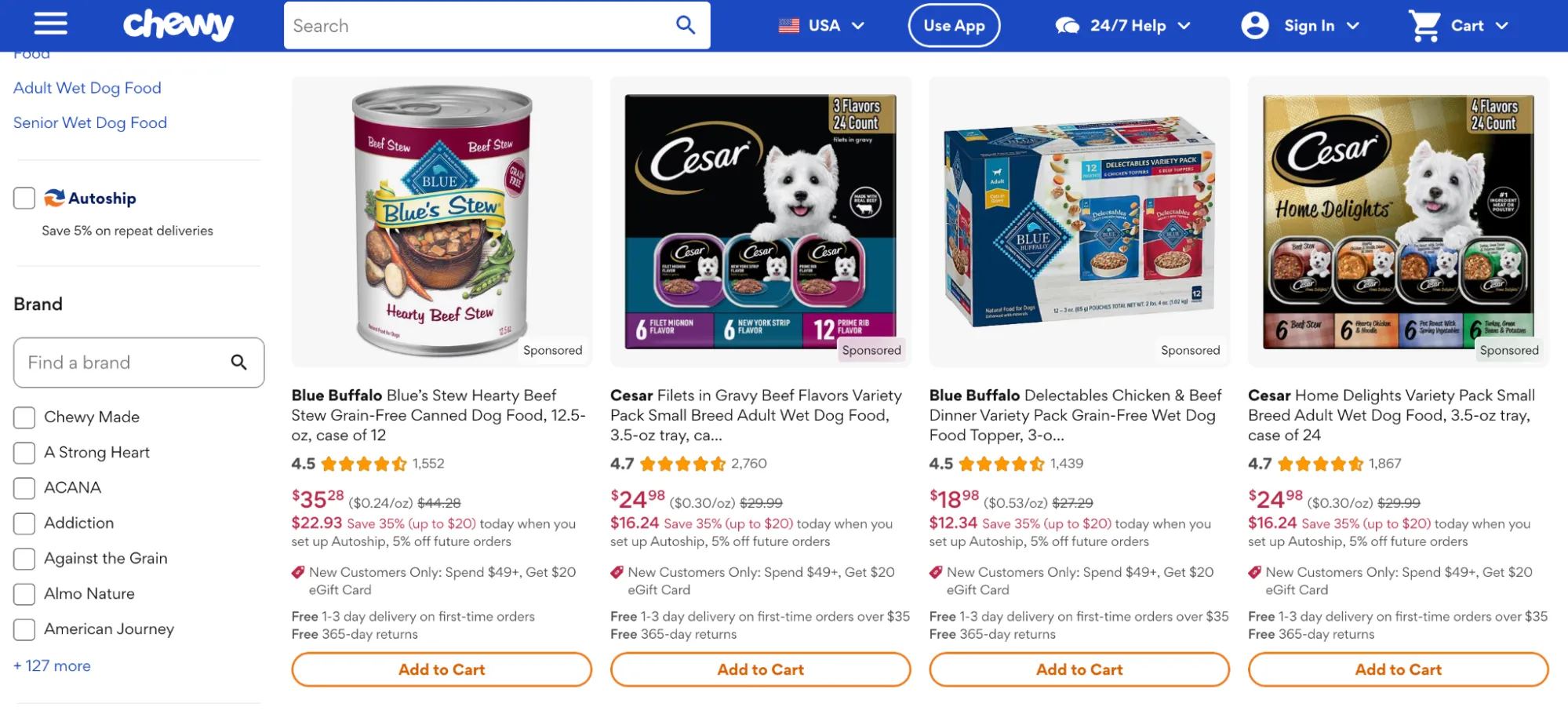
CPCs are lower than equivalent Amazon placements because fewer brands have built the operational capability to run Chewy campaigns with real discipline. That gap exists. It will not exist forever.
2. Consideration-stage search. The standard US pet brand playbook targets transactional keywords: “buy grain-free dog food online”, “freeze-dried cat food free shipping”. Those terms are expensive because every competitor is bidding on them.
The undervalued inventory is the research phase — “Is grain-free dog food safe after the FDA warning?” “How much protein does a senior cat need?” and “Signs of food allergies in dogs.” These terms cost a fraction of commercial keywords and reach buyers before brand preference is set.
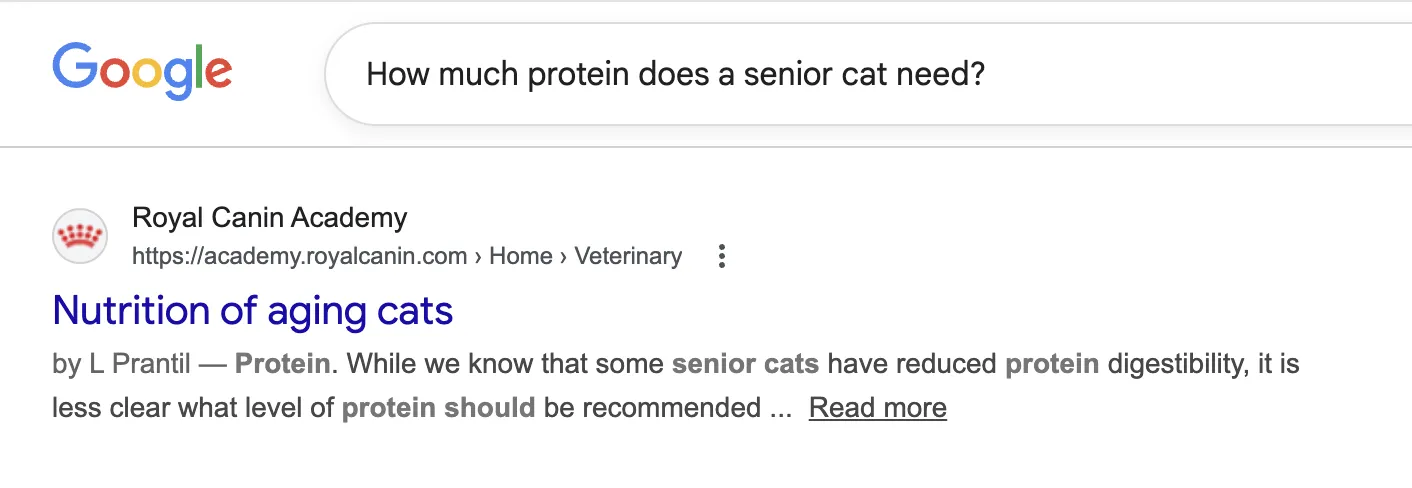
Your competitor bidding only on transactional terms is funding your education of their future customers. We call this chasser sur les terres de l'autre — hunting on someone else's land. Do it.
3. Subscription economics that change the acquisition math. Chewy has disclosed that Autoship customers generate significantly higher annual spend per customer than one-time buyers, with meaningfully higher retention rates.
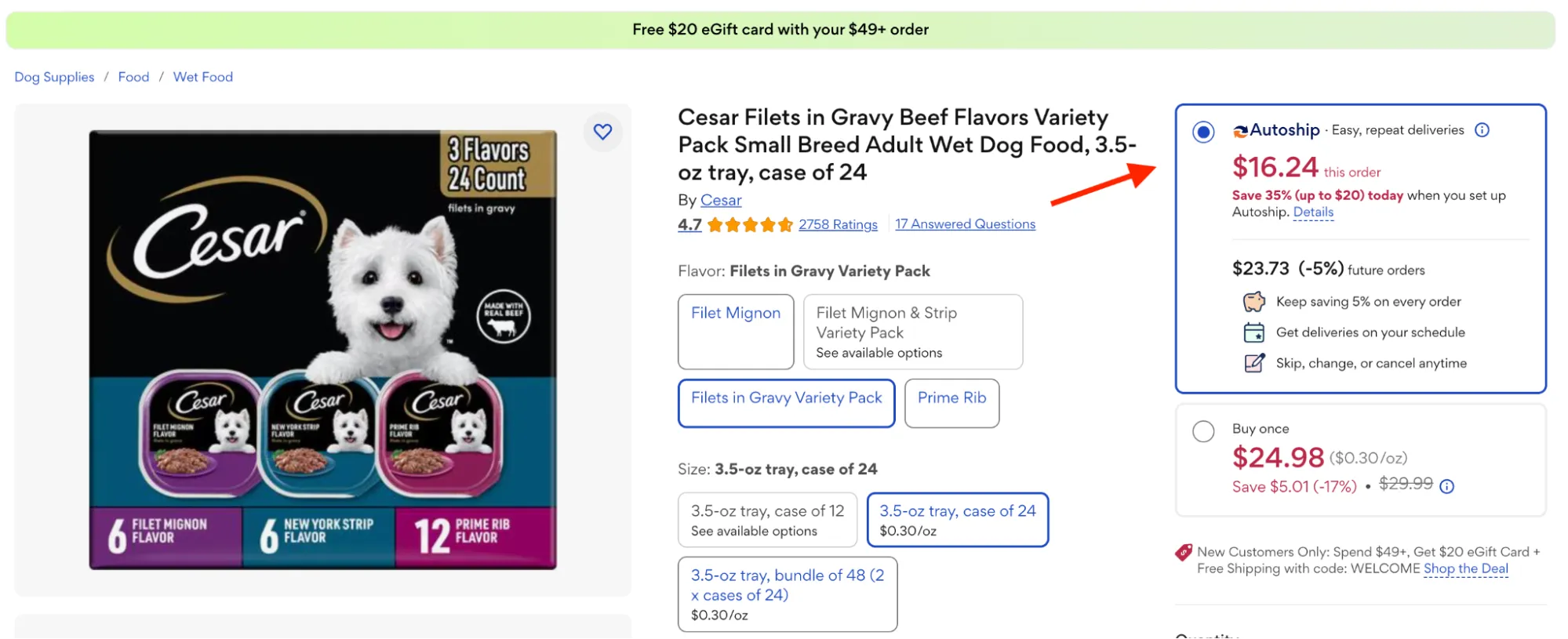
Brands designed around subscription LTV can rationally outbid transactional players on first-order acquisition because the unit economics are different.
If you optimize for first-order ROAS, you compete against brands that do not have to care about first-order ROAS. That is a structural disadvantage, not a bidding strategy problem.
4. Veterinary and expert credibility. Nielsen's 2023 Annual Marketing report found that professional recommendations rank among the highest-trust purchase influences in health-adjacent categories.
US pet owners increasingly treat food and supplement decisions as health decisions — the vet recommendation carries conversion weight that no paid placement replicates at equivalent cost.
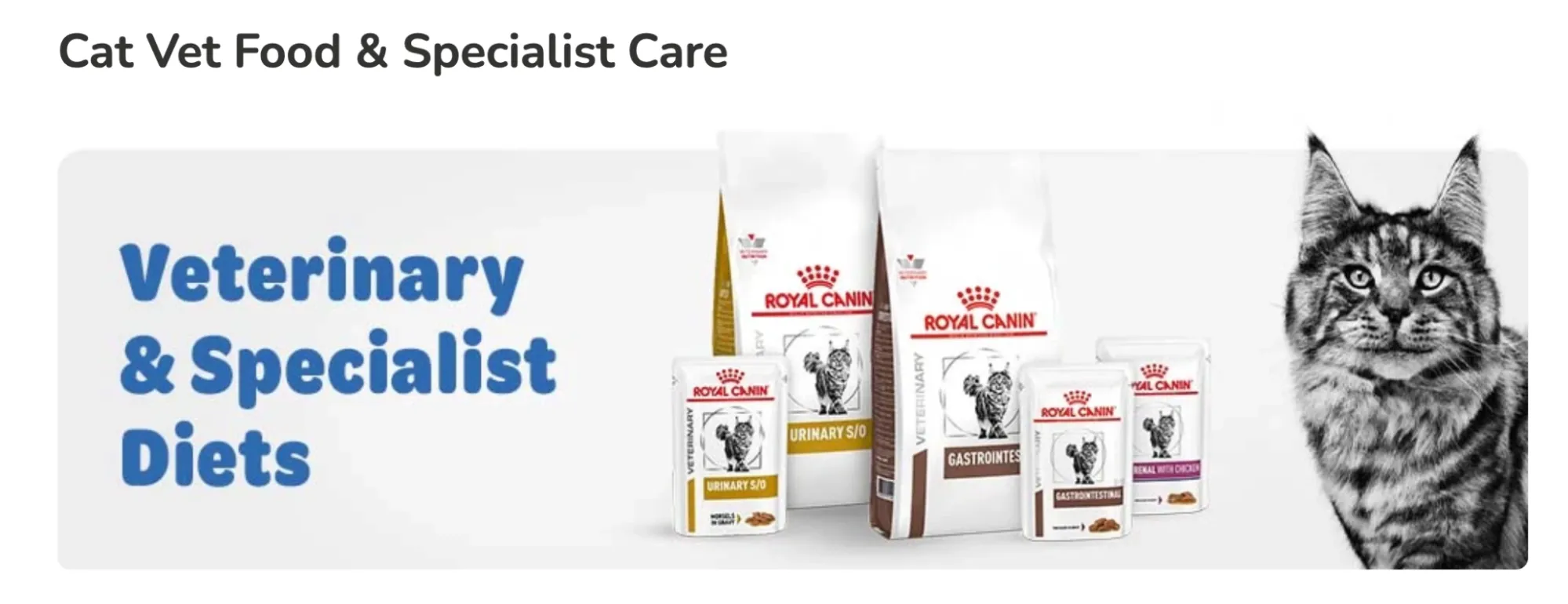
Brands that build genuine professional credibility see their paid media perform better because buyers arrive pre-warmed. This shows up in conversion rates and cost per new subscriber. It is not a soft metric.
5. Community-driven organic credibility. r/dogs has over 863k members. r/cats has over 3.5 million. r/puppy101(309k weekly visitors) regularly drives purchase decisions for new dog owners who are anxious, research-heavy, and highly susceptible to peer recommendation.
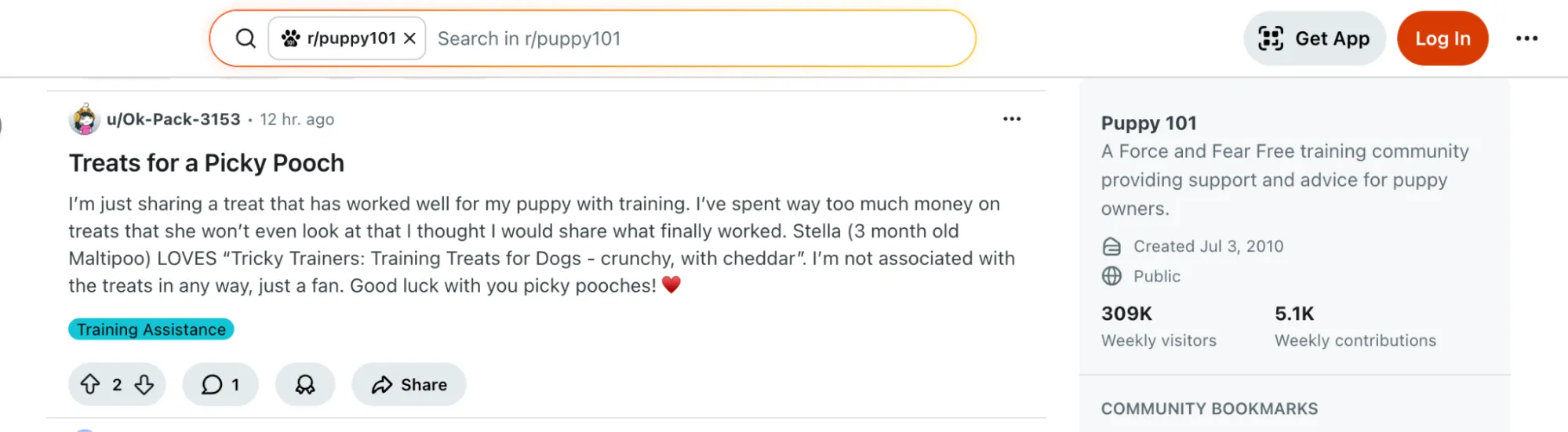
Brands that show up authentically in these communities — through product quality that generates genuine word of mouth, not through astroturfing — see lower paid acquisition costs because the community does part of the conversion work.
Noblesse oblige: earn the trust, and the trust earns you customers.
Not every “Amazon expert” understands all these nuances. Read our article to discover 5 Questions to Expose an Amazon Agency That Can’t Handle Pet Brands — before you trust someone with your growth.
The 20-Minute Diagnostic
Before your next media planning cycle, run this:
-
Pull your top 10 Amazon Sponsored Products keywords. Check the 12-month CPC trend. If more than half are up over 20% year-over-year, you are in structural compression — not a campaign execution problem.
-
Calculate what percentage of total marketing spend is going to pure auction-based media: Sponsored Products, Google Shopping, and Meta conversion campaigns. Above 70% means no buffer. Any auction spike hits the P&L directly.
-
Calculate customer LTV at 12 months for subscribers versus one-time buyers. If you do not have this number, that is the first problem to fix — before the media mix question.
-
Check whether you are running Chewy Sponsored Listings with the same rigor as Amazon. If the answer is no, that is your nearest untapped margin.
-
Check your non-brand Google search share in consideration-stage queries. If you are invisible in research terms, you are ceding the top of the funnel to whoever bothers to show up.
Brands gaining share tend to run 50-60% auction-based, with the rest split across CRM, retail media outside Amazon, and content. That balance creates room to manoeuvre.
When one channel gets expensive — and it will — you have somewhere to move.
What to Do Next Quarter, Specifically
Let’s turn theory into a few moves your budget will actually appreciate.
Step 1: Run Chewy Properly
Not listed — actively managed, with PDPs optimized for Chewy's search algorithm, which weights review recency differently than Amazon's. Most brands treat Chewy as secondary. That error shows up as a foregone margin every quarter.
Step 2: Test One Non-Transactional Keyword Cluster on Google
Pick a category question that your product genuinely answers. Build a landing page that helps the reader rather than pitching them. Run it for 60 days. Measure assisted conversion value, not last-click ROAS.
Step 3 (For Subscription Products): Price Your Acquisition to Reflect LTV, Not First-Order Margin
Acquire at a loss on transaction one if the predicted LTV supports it. Most US pet brands are not doing this. That is why they keep reporting that paid media does not work.
Final Thoughts
The US pet category will not get cheaper. Too much capital, too much emotional purchase behavior, too many new entrants chasing the same consumer. What you can control is where you choose to compete.
The French have a phrase for a dog that barks at everything and catches nothing: chien qui aboie ne mord pas. A dog that barks does not bite. Stop barking at every auction. Pick your spots, bite hard, and let the others exhaust themselves bidding on keywords they cannot afford to win.
Netpeak Marketplace Promotion Agency helps brands grow on Amazon, Chewy, Walmart Connect, and beyond.
French Kiss is our blog for marketing professionals who want real numbers, no filler, and the occasional well-earned French expression.

 0
0
 0
0
 0
0
 0
0
Related Articles
How to Track Brand Mentions in AI Search? Find Out Whether You Are in the Answer
Being mentioned in an AI search boosts visibility. Discover how to monitor your brand mentions in ChatGPT, Perplexity, or Gemini and follow our approach to higher mention frequency.
5 Questions to Expose an Amazon Agency That Can’t Handle Pet Brands
A field guide for CMOs who are tired of getting sold smoke and mirrors — and want an agency that actually understands the difference between a kibble and a kernel.
2026 E-commerce Scaling Guide: Boost Your Revenue Manyfold
Ready to scale your e-commerce business? This guide covers the strategies, systems, and metrics for growing revenue without increasing costs.