
9 Steps for How to Prepare Your E-Commerce Business for SEO Voice Search (Checklist Included)
Remember asking “Hey Siri, where can I buy organic catnip near me?” with your hands full of groceries, and she actually got it right? Or that time you whispered “best chocolate chip cookie recipe” so you wouldn’t wake anyone? That’s voice search in e-commerce, and it’s how nearly 50% of U.S. shoppers find products today. If your store isn’t optimized for these chatty, hands-free searches, you’re not being found by half your potential customers.
The stats are wild. Global voice commerce hit $82 billion in 2025 (up from $4.6 billion in 2021), and voice-driven sales will make up 30% of total e-commerce by 2030. Voice search e-commerce SEO is happening now, and if you’re not optimizing for it, you’re missing direct voice purchases, losing visibility in voice search results and letting competitors capture customers who prefer hands-free shopping.
What Is Voice Search Optimization?
Voice search optimization means tailoring your e-commerce site so it ranks when customers ask questions out loud to Siri, Alexa, Google Assistant or any voice-enabled device. Instead of typing “running shoes women size 8,” people ask “What are the best running shoes for women with wide feet?”
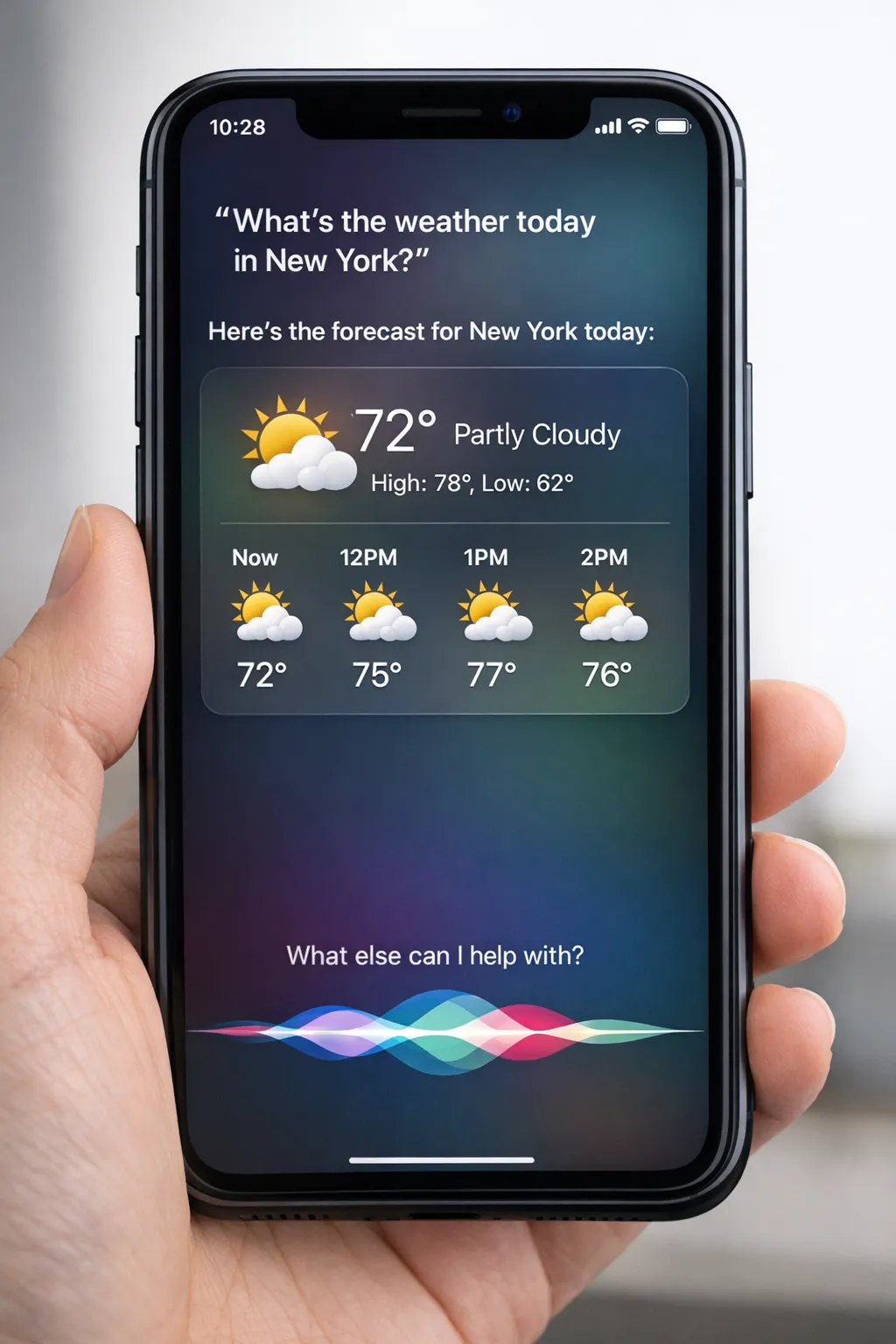
Voice search query on mobile device showing conversational search pattern
That shift from robot keywords to actual human conversation? It’s everything. Search engines use natural language processing (NLP) to understand these spoken questions, analyzing context, intent and conversational patterns rather than just matching keywords. Google has been advancing this technology since 2019 with BERT, and more recently with MUM (Multitask Unified Model), which can process text, images, video and audio simultaneously across 75+ languages. According to Google’s official blog, their algorithms prioritize content that directly answers questions in natural, conversational language, particularly for “longer, more conversational queries.” This means your product descriptions and content need to sound like real people talking, not keyword-stuffed junk.
The difference is huge: instead of optimizing for “best running shoes women,” you’re now optimizing for “What are the best running shoes for women with flat feet?” That longer, more specific query is exactly how people speak to their devices, and if your content doesn’t match that conversational tone and answer format, voice assistants will skip right over you and recommend a competitor instead.
Why Voice Search Matters for E-Commerce
Around 20.5% of people worldwide use voice search technology — that’s 1 in 5 internet users. There are 8.4 billion voice assistants out there (outnumbering actual humans on the planet). In the U.S., 153.5 million people use voice assistants regularly, and 51% of voice searchers use it specifically to research products before buying.
Speed Wins
Voice search results load 52% faster than regular search, and 90% of people say it beats typing. When you’re walking Buddy and you think about what a good boy he is, “Alexa, reorder Greenies” destroys remembering to type in that search later on.
Always Available
Voice queries happen everywhere — driving, cooking, working out, yelling from the shower because you forgot what time your dentist appointment is. With more than a billion (yep, that’s a B) searches happening on smartphones and smart speakers everywhere, the friction of the shopping experience drops to basically zero.
Mobile Everything
When 90.5% of voice searches happen on mobile, and 58% of people use voice search to find local businesses, that should get your attention. When someone asks “where can I buy a birthday cake near me,” they’re ready to buy today. That’s high-intent traffic you cannot ignore.
9 Tips to Optimize Voice Search for E-Commerce
1. Write Like a Human
Instead of “women’s athletic footwear, lightweight, breathable,” go with “These lightweight running shoes for women keep your feet cool during long runs.” Voice searches are conversations. People ask “What’s the best lightweight running shoe for summer training?” Your content should answer the same way.
Write product descriptions like you’re explaining stuff to a friend. Use contractions. Ask questions. Make it sound natural.
2. Think in Questions
E-commerce voice search queries are loaded with “how,” “what,” “where,” “when,” “why” and “which.” Structure your content around these:
-
What’s a sustainable women’s clothing brand?
-
What’s the difference between organic and conventional cotton sheets?
-
Where can I find vegan boots?
-
When should I replace my running shoes?
-
Which coffee maker is best for small apartments?
Build FAQ pages that nail these questions in 40–50 words each.
3. Go Long-Tail
Voice searches average 29 words, while text searches are 2–3 words. Instead of targeting “coffee maker,” optimize for “what’s the best programmable coffee maker under $100?”
Mine your customer service logs for the exact questions that shoppers ask. These long-tail keywords have less competition and convert better because they’re incredibly specific. Plus, people ask voice assistants questions they’d never type — optimize for human weirdness.
4. Own Your Google Business Profile
If you’ve got any local presence, this is mandatory. Voice search is inherently local — 58% of consumers use it to find nearby businesses, and “near me” searches jumped 146% in 2025.
Claim your Google Business Profile, keep your NAP (name, address, phone number) consistent everywhere, and collect reviews. When someone asks “where can I buy organic pet food near me,” Google pulls from these profiles.
5. Get Schema Markup Working
Schema markup is code that tells search engines exactly what your content is about — prices, ratings, availability, all of it. It massively boosts your chances of showing up in voice search results.
Add Product, FAQ and LocalBusiness schemas. If the tech sounds scary, Shopify and WordPress have plugins that make it super simple.
6. Speed Up Your Mobile Site
Slow site? You’re not in the game. Google prioritizes fast, mobile-friendly sites for voice results.
Get your page speed under 3 seconds. Compress images, clean up code, use a CDN. Test your mobile experience constantly — if you wouldn’t buy from it, neither will voice searchers.
7. Build Content Hubs
Create comprehensive guides around your product categories. Selling outdoor gear? Build a “Complete Guide to Choosing Hiking Boots” that answers sizing, materials, terrain and maintenance questions all in one place.
Use natural language, add comparison tables, keep paragraphs tight and use conversational headers. When Alexa needs to answer “how do I break in new hiking boots,” your guide should be the source.
8. Capture the AI Overview (The New Featured Snippet)
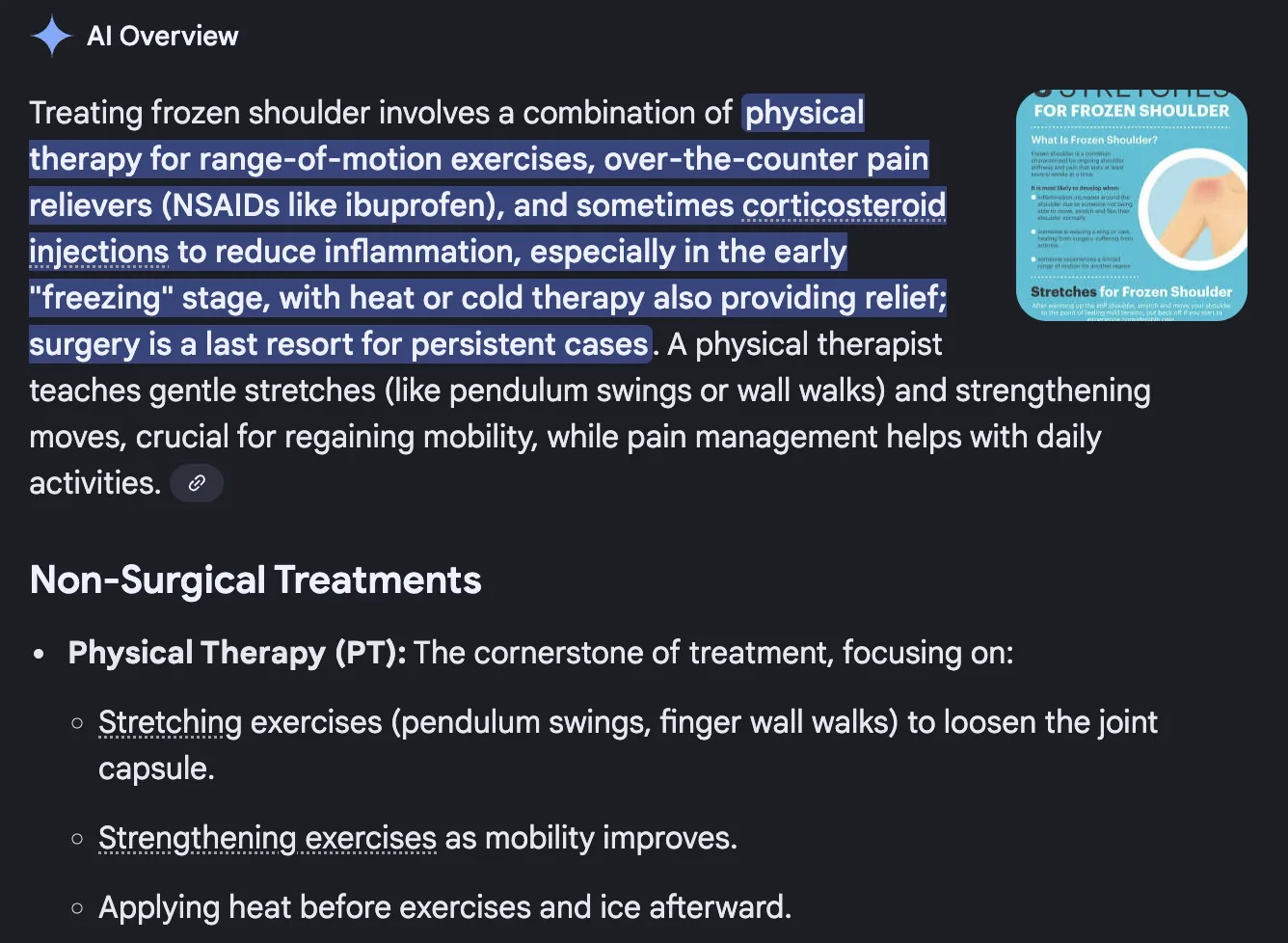
Featured snippets are voice search gold — Google reads them aloud. Voice assistants pull from position zero constantly. To win snippets:
-
Answer questions directly and fast
-
Use bullet points and numbered lists
-
Structure with clear headers
-
Keep answers around 40–50 words
-
Add comparison tables
The average voice search result is 29 words — that’s your zone.
9. Work with Voice Search Experts
Voice search optimization is complex and changes constantly. Technical SEO, content strategy, structured data — it all needs expertise. Netpeak US, a full-cycle digital marketing agency, handles the whole thing, so you’re not just keeping up… but dominating.
Their work speaks for itself: Decathlon saw 197% organic traffic growth, PUMA hit 100% revenue growth from organic and BSH got 247% organic CTR increase. That’s what happens when voice search optimization is done right.
Your Voice Search Game Plan
Keyword Research That Actually Works
Forget traditional keyword research. Think questions and conversations. Start by mining your customer service data — support tickets, chat logs, emails. If customers keep asking “how long does shipping take,” boom, that’s a voice search opportunity.
Use tools like AnswerThePublic for question visualization, check Google’s People Also Ask boxes, and dig into Search Console for actual queries driving traffic. Look at competitor FAQ pages, see what’s working, and make yours better, more comprehensive, and more conversational.
Structure Content for Voice
Voice-optimized content needs specific formatting. Use clear headers (H2s, H3s) that pose questions. Keep paragraphs short. Dense text blocks kill voice optimization.
Build dedicated FAQ pages for each product category with schema markup. Each FAQ should pose the question naturally, answer in 40–50 words, and use conversational language with long-tail keywords baked in naturally.
Technical Must-Haves
HTTPS security, mobile-first design, sub-3-second page speed, structured data across products and FAQs, updated XML sitemaps, clean URLs. If this feels overwhelming, Netpeak’s SEO services handle it all.
Voice Search Meets AI
AI-powered search (ChatGPT, Google’s AI Overviews) is taking over voice queries. Generative Engine Optimization (GEO) ensures AI systems actually cite your brand.
For e-commerce, that means creating authoritative content, building interconnected content hubs, maintaining quality backlinks and keeping everything factually accurate. As AI handles more voice queries, traditional SEO and GEO blend together. Check out Netpeak’s GEO services to stay ahead.
We’re living through an AI revolution in SEO. Voice assistants now understand context and accents with 95% accuracy. They handle complex questions and remember previous queries.
For e-commerce, your content needs to satisfy both Google’s algorithms and the AI powering Siri, Alexa and Google Assistant. These systems want comprehensive answers, natural language, authoritative sources and fresh content. Brands winning at voice search optimization create genuinely helpful content that AI trusts enough to cite.
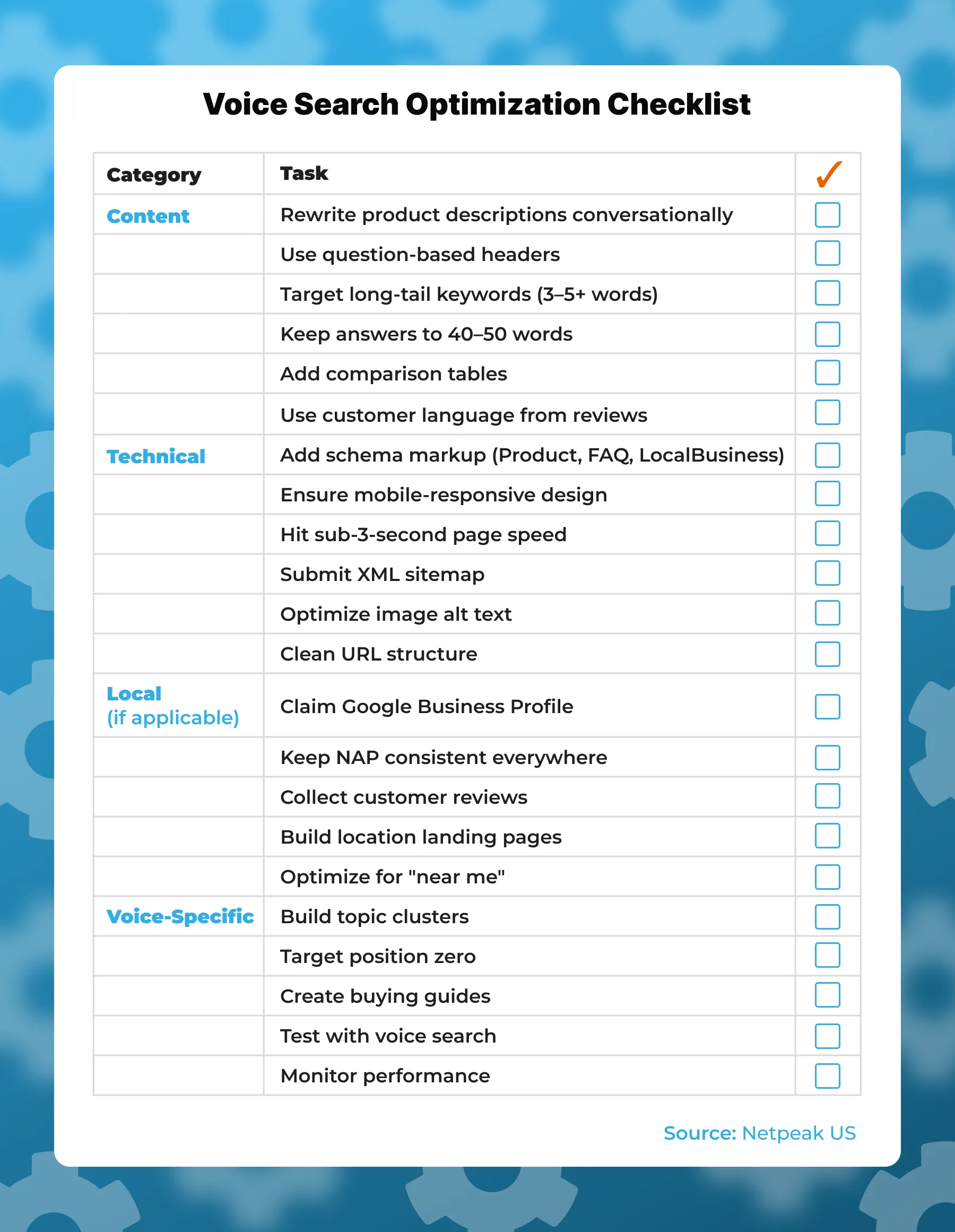
Voice Search Optimization Checklist
|
Category |
Task |
✓ |
|
Content |
Rewrite product descriptions conversationally |
☐ |
|
Build FAQ pages for each category |
☐ |
|
|
Use question-based headers |
☐ |
|
|
Target long-tail keywords (3–5+ words) |
☐ |
|
|
Keep answers to 40–50 words |
☐ |
|
|
Add comparison tables |
☐ |
|
|
Use customer language from reviews |
☐ |
|
|
Technical |
Add schema markup (Product, FAQ, LocalBusiness) |
☐ |
|
Ensure mobile-responsive design |
☐ |
|
|
Hit sub-3-second page speed |
☐ |
|
|
Verify HTTPS across site |
☐ |
|
|
Submit XML sitemap |
☐ |
|
|
Optimize image alt text |
☐ |
|
|
Clean URL structure |
☐ |
|
|
Local (if applicable) |
Claim Google Business Profile |
☐ |
|
Keep NAP consistent everywhere |
☐ |
|
|
Collect customer reviews |
☐ |
|
|
Build location landing pages |
☐ |
|
|
Optimize for "near me" |
☐ |
|
|
Voice-Specific |
Build topic clusters |
☐ |
|
Optimize for snippets |
☐ |
|
|
Target position zero |
☐ |
|
|
Create buying guides |
☐ |
|
|
Test with voice search |
☐ |
|
|
Monitor performance |
☐ |
Or grab this checklist in a convenient pic format:
Hey, Google!
Voice search is reshaping how people buy online. Winners embracing conversational content, nailing technical SEO and understanding voice queries mean ready-to-buy customers.
Whether you’re starting from scratch or improving existing efforts, consistency across content, technical SEO and user experience wins. Ready to dominate? Partner with Netpeak US. Our track record with brands like Marfa Cabinets (86% conversion increase) and Italwax (900% organic income growth) proves what’s possible.
The future of e-commerce is conversational. Is your store ready?
FAQ
How does voice search affect SEO?
Voice search prioritizes natural language, long-tail keywords and featured snippets over traditional short-phrase optimization. It emphasizes local SEO, page speed and mobile-first design since most queries happen on smartphones.
Does voice search impact SEO differently than text search?
Absolutely. Voice queries average 29 words compared to 2–3 for text, they’re phrased as complete questions and typically deliver only one answer from featured snippets. You need to capture that single top position since voice doesn't show multiple results like text search does.
Do I need to redesign my website for voice search e-commerce?
Not a full redesign, but strategic updates are essential. Your site must be mobile-friendly, fast-loading and have conversational content with FAQ pages, question-based headers and schema markup. Many optimizations are content and technical fixes, not visual overhauls.
How to do voice search SEO for e-commerce?
Focus on long-tail, question-based keyword research. Create natural language content answering customer questions in 40–50 words. Add schema markup, optimize for local search, improve page speed and mobile experience.

 0
0
 0
0
 0
0
 0
0
Related Articles
Account-Based Marketing (ABM) for B2B: A Practical Guide to Targeting Big Fish
Your B2B wants to target specific big companies rather than chase a massive pool of leads? Account-based marketing (ABM) is exactly what you need!
SEO Marketing for Moving Companies, Illinois: What Actually Works in 2026
Read these best SEO tips to help your local moving companies, Illinois, outrank competitors and get to the top of Google SERP in 2026!
Pet Care Marketing: Why Does Empathy Beat Tech Specs
Increase your pet care marketing efficiency with our guide. Use 10 tried and tested marketing strategies that will help you grow.