
If you’re running an online store in 2026, you already know the basics. What you need is real e-commerce marketing strategies that’ll actually move the needle on your sales.
We’re going to dive into the tactics that successful e-commerce businesses are using right now to turn window shoppers into loyal customers who keep coming back for more.
What Is E-Commerce Marketing?
E-commerce marketing is basically the art and science of getting people to notice your online store, convincing them to buy your stuff and then somehow making them want to come back. It’s not rocket science, but it does require a solid marketing strategy that actually takes into account how humans shop online.
Think of e-commerce marketing as the digital equivalent of having a really persuasive friend who knows exactly when to reach customers with timely, personalized messages with a perfectly timed product recommendation. Except instead of one friend, you’ve got email marketing, social media marketing, SEO, GEO, paid ads and a bunch of other tactics working together to drive traffic and increase sales.
E-commerce is BOOMING. In 2025, U.S. retail e-commerce sales are projected to hit $1.47 trillion — a 9.78% increase from 2024. Global retail e-commerce is expected to reach $6.42 trillion in 2025. So yeah, there’s plenty of pie to go around. So, are you getting your slice?
Why You Need an E-Commerce Marketing Strategy
You could seriously have the most beautiful website, the smoothest checkout process and products that make customers say “Take all my money!” — but if nobody knows you exist, you’re just sitting in a warehouse waiting for the money to roll in (don’t hold your breath).
A well-executed marketing strategy is one that helps you:
-
Drive more qualified traffic to your site (not just random bots and your mom)
-
Build brand awareness so people actually remember that you’re still out there
-
Convert browsers into buyers with tactics that nudge them toward checkout
-
Keep customers coming back because acquiring new customers costs 5x–25x more than retaining existing ones
-
Stand out from competitors who are all fighting for the same eyeballs
Plus, while e-commerce accounts for 20.5% of total global retail sales in 2025, the competition isn’t exactly resting. You need a strategy, or you’re just another website floating in the ether.
Types of E-Commerce Marketing Channels (Where Your Customers Are)
Modern e-commerce success requires creating an omnichannel experience that meets customers wherever they are. It’s world-building, but for your brand.
Social Media Marketing
Around 68% of the global population is on social media, which means your customers are definitely scrolling right now. Instagram, TikTok and Facebook aren’t just for memes anymore — they’re legit sales channels. In reality, stores with at least one social media account generate 32% more sales than those without.
Facebook alone was expected to have 69.4 million American shoppers in 2025. That’s not just brand awareness — that’s direct revenue impact!
Email Marketing
Yes, email is still alive. In fact, 87% of marketers think email marketing is critical, and 14% say it has the strongest ROI of any marketing channel. From abandoned cart reminders to perfectly timed promotional campaigns, email lets you slide into someone’s inbox with personalized offers that actually create sales.
Search Engine Optimization (SEO)
Here’s a fun stat: The first organic search result gets clicked 10x more often than the 10th result. If you’re not investing in SEO to improve your visibility in search engines, you’re basically invisible to potential customers who are actively seeking out your products.
Pay-Per-Click (PPC) Advertising
When you need results fast, PPC campaigns on platforms like Google and Facebook are your best friend. Google estimates that businesses see an $8 return for every $1 spent on PPC. Not too shabby.
11 Best E-Commerce Marketing Tactics to Increase Sales
This is where the rubber meets the road. These are the proven tactics that’ll help you boost your e-commerce success and drive those sweet, sweet conversions.
1. Optimize Product Pages For SEO and GEO
Your product pages aren’t optimized for search engines and AI-powered search tools, potential customers will never find them.
Traditional SEO still matters — awesome product descriptions packed with relevant keywords, high-quality images, customer reviews and technical SEO elements like meta titles and descriptions. But there’s something missing from many e-commerce stores: Generative Engine Optimization (GEO).
ChatGPT, Google’s AI Overviews and Perplexity have changed how people find products, and you need to optimize for both traditional search engines and large language models. That means:
- Structured, natural language content that answers common questions about your products
- Clear, factual product information that AI can easily parse and cite
- Schema markup to help AI understand your product details, pricing and availability
- FAQ sections that address real customer queries in conversational language
- Rich product descriptions that go beyond specs to explain use cases and benefits
While traditional SEO gets you on the results page, GEO gets you cited in AI-generated answers, which is more and more where buying decisions start. If you’re not optimizing for generative engines, you’re a ghost to a growing segment of shoppers who ask AI for product recommendations before they ever hit Google.
On-page SEO optimization ensures that when someone searches for what you sell, you actually show up.
2. Invest in Search Engine Marketing
While organic SEO builds long-term visibility, sometimes you need results now. That’s where PPC campaigns come in. With proper keyword targeting and compelling ad copy, you can appear at the top of search results for high-intent buyers who are ready to purchase.
The beauty of PPC is that you only pay when someone clicks — and if you’ve done your homework with audience targeting, those clicks turn into customers.
3. Offer Tailored Discounts
Everyone loves a good deal, but blasting “20% OFF EVERYTHING!” every week trains customers to wait for sales. Instead, use data to offer personalized discounts based on browsing behavior, cart abandonment or customer loyalty status.
First-time visitor who left items in their cart? Send them a targeted 10% discount. Loyal customer who hasn’t shopped in 3 months? Tempt them back with a special offer. Strategic beats desperate every single time.
4. Build a Brand Presence
You need a brand that resonates. That means consistent messaging across all channels, authentic storytelling and a clear value proposition that tells customers why they should care about your brand specifically.
Take the time to develop your digital marketing presence across social media, your website and email. When people recognize and trust your brand, they’re far more likely to buy — and keep buying.
5. Leverage User-Generated Content
Nothing sells better than social proof. When potential customers see real people using and loving your products, it builds trust way faster than any ad copy you could write. Encourage customers to share photos, reviews and testimonials. Feature this content on your product pages and social media.
The subscription box brand FabFitFun generates massive engagement by reposting customer unboxing videos. It’s authentic, it’s free and it drives sales.
6. Create Killer Email Marketing Campaigns
While email marketing is alive, boring email marketing is dead. The brands crushing it with email understand that every message needs to provide value. That could mean exclusive discounts, helpful content, early access to new products or personalized recommendations based on past purchases.
Segmentation is key here. Don’t send the same generic newsletter to everyone. Use your customer data to create targeted campaigns that speak directly to different audience segments.
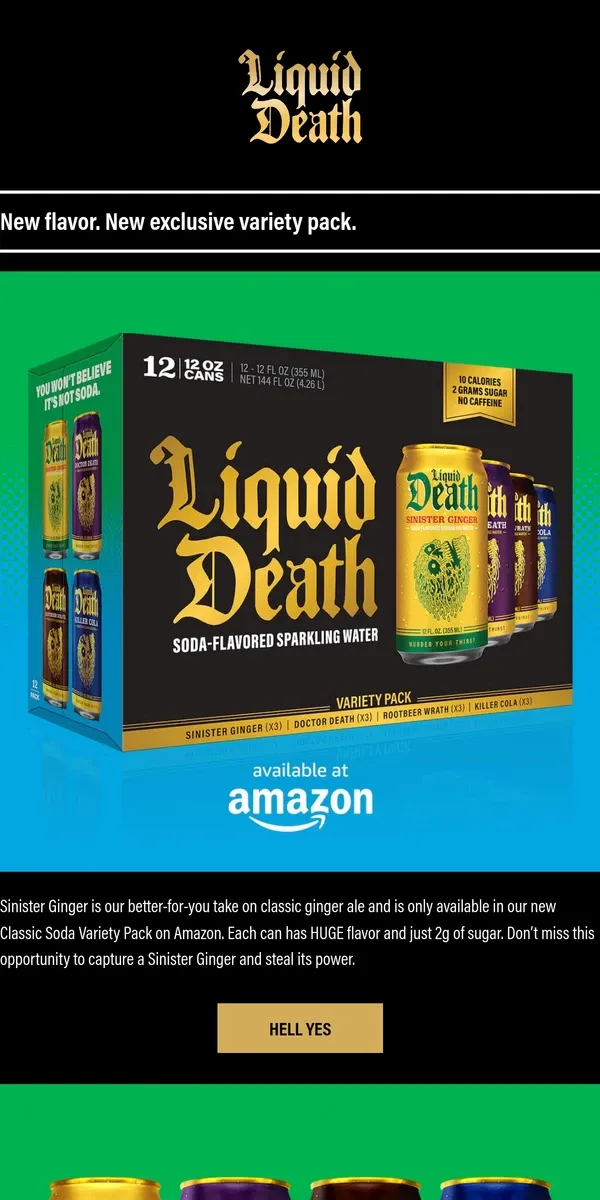
Liquid Death is pretty amazing at marketing … water. When your coworker asks you if you’ve read their latest email, that’s nothing short of genius.
7. Reduce Cart Abandonment
Cart abandonment rates hover around 70%, which means for every 10 people who add something to their cart, only 3 actually complete the purchase. That’s a LOT of lost revenue.
Combat this with abandoned cart email sequences that remind shoppers what they left behind, address common concerns (shipping costs, return policies) and maybe offer a small incentive to complete the purchase.
8. Invest in Mobile Optimization
Mobile commerce accounted for nearly 60% of global e-commerce sales in 2025, and that number’s only growing. If your site isn’t optimized for mobile, you’re basically telling more than half your potential customers to take a hike.
Your mobile experience has to be smooth, fast and easy. Big “Add to Cart” buttons, quick-loading images and a streamlined checkout process are non-negotiables.
9. Start a Customer Loyalty Program
Loyal customers spend far more than new customers and are way more likely to refer friends. A solid loyalty program rewards repeat purchases while keeping your brand top of mind.
Whether it’s points-based, subscription-based or tier-based, the key is making customers feel valued for their loyalty. Beauty brand Mirenesse offers members secret sales, free shipping and exclusive rewards — and they have the stans (loyal customers) to prove it.
10. Use Social Commerce Features
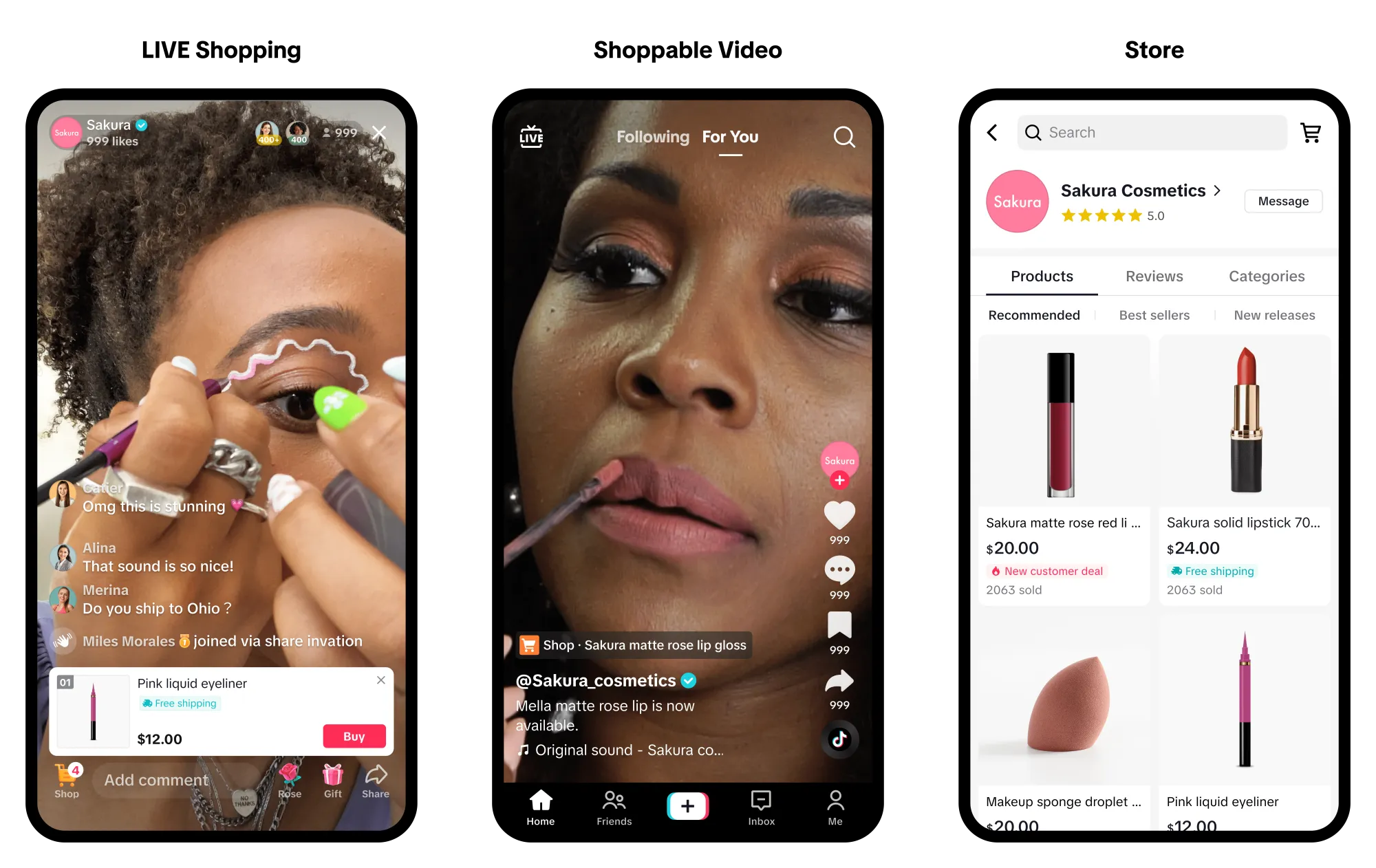
Social media platforms have evolved to actual sales channels for online shopping. Instagram Shopping, Facebook Shops and TikTok Shopping let customers purchase without ever leaving the app.
With 67% of internet users likely checking social media to research brands before buying, meeting them where they already are is just common sense. Plus, it shortens the buyer journey significantly.
11. Implement Retargeting Campaigns
Not everyone buys on their first visit. In fact, most don’t. That’s where retargeting comes in. By showing targeted ads to people who’ve visited your site, you stay top of mind and increase the chances they'll come back to complete their purchase.
The key is making your retargeting ads helpful, not creepy. Show them the exact products they viewed, offer relevant recommendations or provide a limited-time incentive.
The Customer Journey in E-Commerce (And How Marketing Fits In)
Understanding where customers are in their journey helps you deliver the right message at the right time.
- Awareness Stage: Potential customers discover your brand through SEO, GEO, social media or ads. Your goal is to make a strong first impression and drive traffic to your site.
- Consideration Stage: They’re browsing, comparing options and researching. This is where compelling product pages, customer reviews and educational content shine.
- Decision Stage: They’re ready to buy but might need a final nudge. Strategic discounts, free shipping offers and easy checkout experiences seal the deal.
- Retention Stage: Post-purchase, you work to turn them into repeat customers through email marketing, loyalty programs and exceptional customer experience.
- Advocacy Stage: Happy customers become brand advocates who refer friends, leave reviews and generate user-generated content.
- Marketing touches every single stage, which is why having a cohesive strategy matters so much.
Foundation Steps to Build Your E-Commerce Marketing Strategy
Ready to get started? Here’s your GPS:
Define Goals & KPIs
What does success actually look like? More traffic? Higher conversion rates? Increased average order value? Define specific, measurable goals and the key performance indicators (KPIs) you’ll track.
Analyze Your Competitors
What are successful competitors doing? What channels are they dominating? Where are the gaps you can exploit? Competitive analysis helps you understand the playing field.
Know Your Target Audience
Who are your ideal customers? What problems do they have? Where do they hang out online? The better you understand your audience, the more effective your marketing will be.
Choose Your Marketing Channels
You can't be everywhere at once. Based on your audience and goals, prioritize the channels that'll deliver the best ROI. Maybe that's Instagram and email. Maybe it’s SEO, GEO and PPC. Make strategic choices.
Create Your Content Strategy
Content marketing and SEO go together like peanut butter and jelly. Plan what content you’ll create, when you’ll publish it and how it supports your overall marketing goals.
Test, Measure, Optimize
Launch your campaigns, track performance and continuously optimize based on real e-commerce data. What works for one brand might flop for another — let the numbers guide you.
Your Customers Are Out There
Look, we get it — managing all these tactics while running your business is overwhelming. That’s where working with a full-cycle digital marketing agency like Netpeak US comes in.
We specialize in creating comprehensive e-commerce marketing strategies that actually work. From SEO and GEO, PPC, email marketing and conversion optimization, we handle the heavy lifting so you can focus on what you do best — running your business. Book a consultation to see how we can help.
Whether you’re building your e-commerce SEO strategy or launching your first PPC campaign, start with a solid strategy and continuously optimize based on results.
Need help developing an e-commerce marketing strategy that actually works? The team at Netpeak US has helped dozens of e-commerce brands scale their sales. Check out our e-commerce case studies and see what we can do for you.
FAQ
What’s the difference between e-commerce and digital marketing strategy?
E-commerce is the platform (your online store), while digital marketing is how you drive traffic and sales to that platform. You need both working together.
How can I measure the success of e-commerce marketing efforts?
Track metrics like website traffic, conversion rate, average order value, customer acquisition cost, customer lifetime value and ROI on specific campaigns. Tools like Google Analytics and your e-commerce platform’s built-in analytics make this easier.
What are the 5 Cs of e-commerce marketing?
Company, Collaborators, Customers, Context and Competition. These five elements form the foundation of any solid marketing strategy.

 0
0
 0
0
 0
0
 0
0
Related Articles
Sustainability Marketing: 7 Smart Ways to Earn Trust (and Customers)
Learn how to grow your brand efficiently while using eco-friendly marketing practices to build trust and long-term revenue.
Why Your Amazon Pet Ads Are Getting More Expensive Every Quarter Since 2025 (and How Smart Brands Manage It)
What happened to the auction prices? Where is the margin going, and what should be done next quarter?
How to Track Brand Mentions in AI Search? Find Out Whether You Are in the Answer
Being mentioned in an AI search boosts visibility. Discover how to monitor your brand mentions in ChatGPT, Perplexity, or Gemini and follow our approach to higher mention frequency.