
What Are Regulations for Pet Food on Amazon in 2026?
The pet food industry is booming. In 2026, the global pet market is projected to reach a retail value of $134.5 billion, reflecting the actual dollars consumers spend. Even before retail markups, the sheer scale of production is massive, with manufacturer (factory gate) values expected to reach $83.51 billion this year.
However, with great growth comes great responsibility and even greater regulation. If you are a brand looking to scale on Amazon this year, navigating the maze of FDA, AAFCO, and Amazon-specific safety protocols is the difference between a high-converting listing and a suspended account. Mastering these compliance updates is an essential first step for anyone planning on selling pet food on Amazon.
Regulations to Comply With
In 2026, the pet food regulations are tougher. Amazon now utilizes more automated compliance sweeps, meaning sellers must have their documentation in order before the first bag of kibble hits the warehouse.
FDA Rules & Federal Oversight
The FDA (Food and Drug Administration) remains the primary authority under the Federal Food, Drug, and Cosmetic Act (FFDCA). For 2026, the focus is heavily on:
-
FSMA Compliance: Ensuring that your manufacturing facility follows the Food Safety Modernization Act standards.
-
Ingredient Transparency: Ingredients must be listed by their common names in descending order of weight.
-
Health Claims: Making medical or therapeutic claims (e.g., "cures arthritis") without FDA approval will lead to immediate listing removal.
Amazon Specific Documentation
Amazon rolled out tougher FBA Prep rules in 2026, so it’s now your responsibility to ensure every bag, box, or can meet inspection standards.
-
Tamper-Evident Seals: At least one form of secondary closure (shrink wrap, induction seal, or safety ring).
-
Third-Party cGMP Audit: Amazon’s not taking your word for it—or your cousin’s. Only a GMP certificate from an Amazon-approved inspector will do.
-
Expiration Transparency: Dates must be clearly visible and have a shelf life exceeding Amazon’s minimum thresholds for consumables.
AAFCO Basics
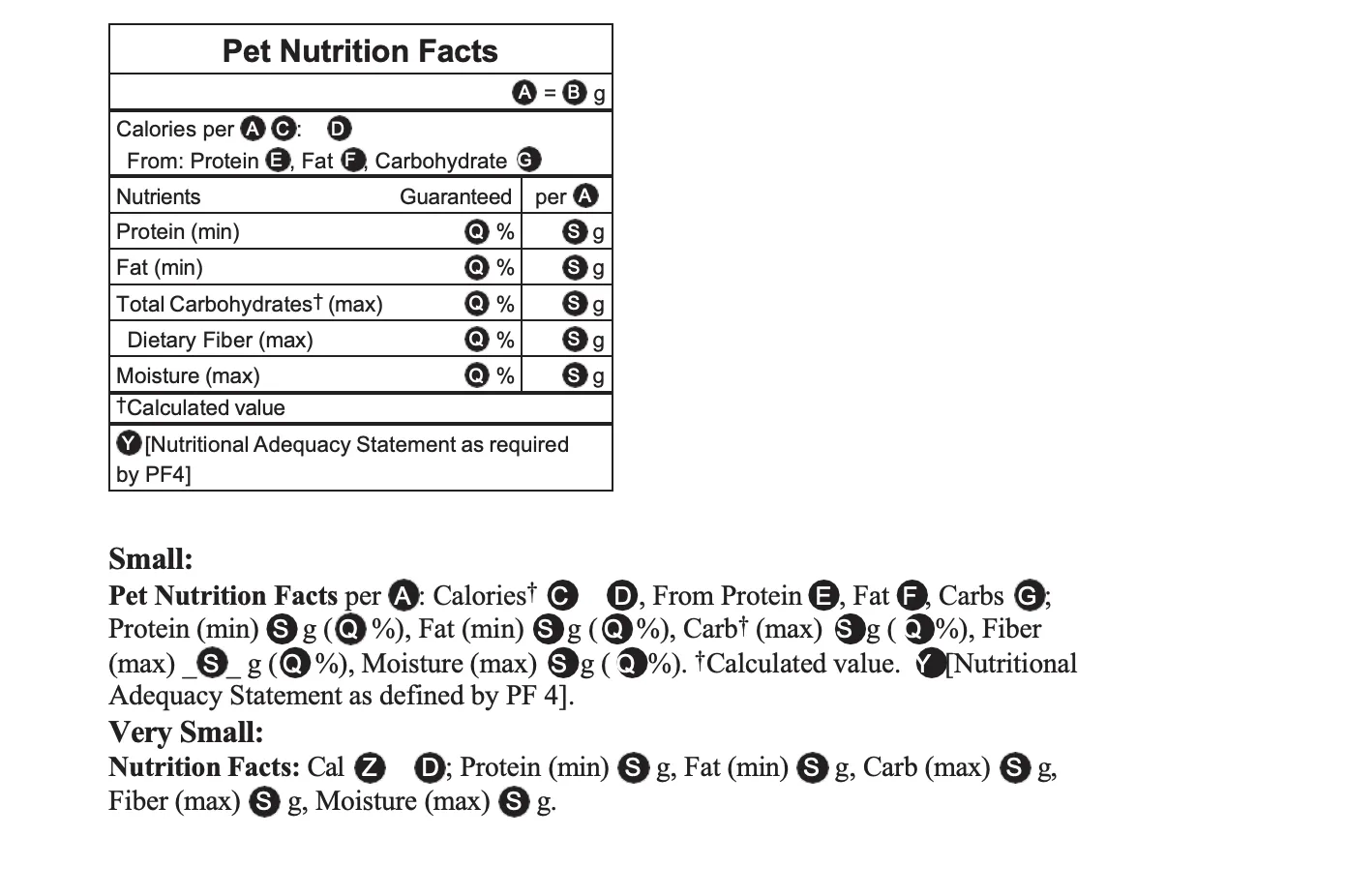
The Association of American Feed Control Officials (AAFCO) provides the "Model Regulations" that most states adopt. In 2026, the Pet Food Label Modernization (PFLM) initiative is in full swing. This means your labels should begin mirroring human "Nutrition Facts" boxes, including:
-
Intended Use Statements: Clearly visible on the front of the pack (e.g., "Complete and Balanced for Adult Dogs").
-
Standardized Nutrition Panels: Replacing crude fiber with total carbohydrates and dietary fiber.
Launching on Amazon? Read our article “The $12,000 Amazon Launch Mistake: How to Avoid the Same Fate” before a few small setup errors turn into a very expensive lesson.
Comparison of Key Compliance Requirements
|
Labeling |
Common name ingredients |
Barcode scannability |
"Intended Use" statement |
|
Safety |
FSMA facility registration |
Third-party cGMP Audit |
Nutritional Adequacy |
|
Packaging |
Standard food safety |
3-foot drop test & seals |
Standardized calorie count |
|
Claims |
No "drug" claims |
SDS for hazardous items |
Specific "Natural" definitions |
Read our articles to get more Amazon deep dives:
- Sephora Just Plugged into ChatGPT — find out what this means for your brand
- Your US Pet Parcel to the EU Now Costs 3€ More. What Next?
- Amazon's 2026 Fee Changes: What Every Pet Brand Should Recalculate Before Q4
How to Pass Through All Amazon Regulations?
Successfully launching and maintaining the sale of pet food on Amazon requires a proactive compliance strategy. Don't wait for a "Request for Information" (RFI) to scramble for papers.
-
Audit Your Supply Chain: Make sure your manufacturer has a valid, up-to-date GMP certificate.
-
Modernize Your Labeling: Start using PFLM standards. Adding a "Pet Nutrition Facts" box helps you meet requirements and builds trust with informed pet owners.
-
Prepare a Technical File: Keep one folder — SDS sheets, state feed licenses, heavy metal, and microbial lab results. If an inspector or Amazon ever asks, you want it ready in seconds, not days.
-
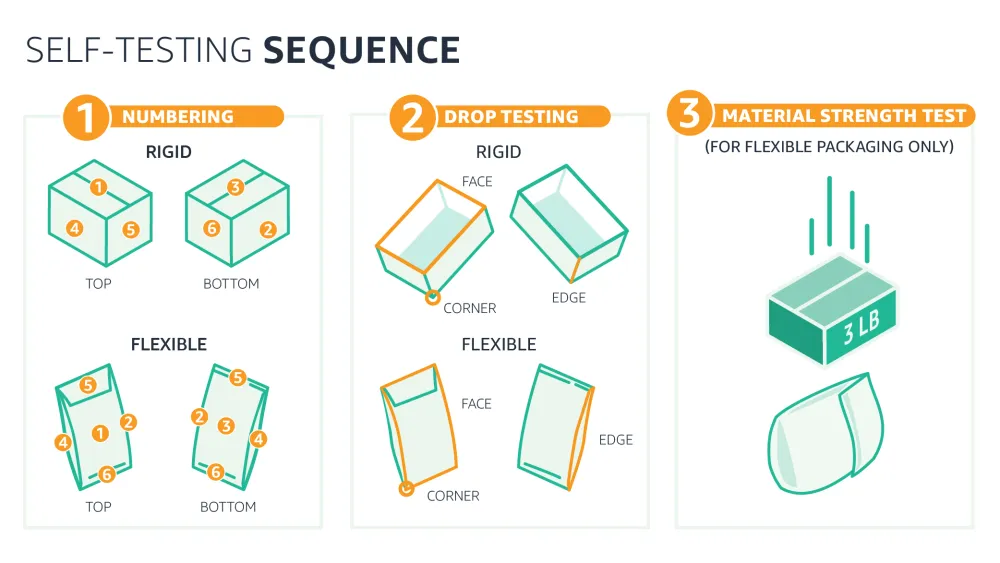
Optimize for Logistics: Amazon’s 2026 "drop test" is strict. In case of failure, it causes more damaged products and lowers Seller Performance scores. If your product weighs over 10 lbs, use double-walled corrugated boxes.
If you find pet food marketing on Amazon challenging, consider working with a specialized agency. They can help you meet regulations and create effective marketing campaigns.
FAQ
Is pet food gated on Amazon?
Yes, pet food is a "partially gated" category. While "Pet Supplies" (like toys) are often open, any consumable product that affects a pet's health or nutrition requires category approval. You must submit invoices from authorized distributors and often provide your cGMP certification.
What documents does a pet brand have to have to get listed on Amazon?
At a minimum, you need:
-
A manufacturer's invoice showing the purchase of at least 10 units.
-
A third-party GMP certificate.
-
A COA (Certificate of Analysis) for specific batches.
-
State-specific commercial feed licenses, if applicable.
Are there country-specific rules for pet food on Amazon?
Absolutely. For example, the US relies on FDA/AAFCO guidelines, but selling in the EU or UK requires strict compliance with REACH and the GPSR (General Product Safety Regulation). Replacing the outdated GPSD, the GPSR brings much stricter requirements for Amazon sellers, including the mandatory need for an EU-based Responsible Person. Additionally, all labels must be translated into the marketplace's local language.
Can I sell "Handmade" pet treats?
No. As of 2026, Amazon prohibits handmade pet food and treats in the "Handmade" category due to the high risk of contamination and the need for standardized safety testing.
Stay Ahead of the Pack
The pet food regulations of 2026 are designed to protect consumers, but they don't have to be a barrier to entry. By aligning your brand with Pet Food Label Modernization and maintaining a strict technical file, you can focus on what matters: growing your market share. To see what that looks like in practice, check out how we helped a pet brand scale with a multi-channel strategy.

 0
0
 0
0
 0
0
 0
0
Related Articles
Pet Food Product Patent: How to Protect Your Innovation
Patenting pet products requires careful consideration and proper application filing. With the 8 steps below, you will be able to submit your patent application and protect your invention.
Business Apps in the US: iOS vs. Android, August 2026
We’ve fetched data from the US App Store and Google Play to see what professionals, shoppers, and businesses are actually installing, and why the market leaders are winning right now.
Amazon’s New “Sourced from Brand” Buy Box Label: Who Gets It and Who Doesn’t
Amazon is rolling out a provenance line in the Buy Box. A short label under the Brand row now reads “Sourced from [Brand]” on amazon.com and “[Brand] approved” on amazon.de. It tells the shopper that the unit on offer came through the brand’s own supply c