
What Are the Marketing Trends for 2026-2027? Human-made, Gen Z, AI, and Fandom-Led
In 2026 and 2027, marketing will focus more on human-made content, Gen Z’s habits, fandom-driven strategies, real-life experiences, closed communities, AI infrastructure, multichannel approaches, and being transparent.
Following digital trends early is a bit like buying Bitcoin before everyone’s uncle started talking about crypto at family dinners. Early adopters usually skim the cream off — then the rest of the market catches up and gets what remains.
The early bird gets the worm, right? So, I read a massive The Digital & Tech Trends Report 2026 to 2027 to share the main insights with you — the authors analyzed 200 international surveys to create it (McKinsey, NielsenIQ, WGSN, etc.). The study answers essential questions:
-
What would help brands get noticed and trusted in such a social media buzz?
-
How brands need to change the way they engage with Millennials, Gen Z, and Gen Alpha?
-
How to use AI ecologically and why it’s so important to be transparent about AI content?
In this article, you’ll find 8 marketing trends your brand needs to adapt to quickly, and how they can help your business become a cool kid and stay ahead.
#1: In the AI Era, Human-Made Content Stands Out
As AI becomes more common, customers have developed a “love-hate” relationship with it. AI is amazing, but when your social media feed is full of obviously AI-generated content, it’s irritating. People start to think, "Where's the creativity? Didn't I deserve a human touch?"
The tables are turning; things that come from real people — like genuine photos, voices, faces, and human-made content — become more valuable.
-
63% of Britons say that AI makes them appreciate things made by people
-
30% of users trust brands less when they see obvious AI-driven advertising
-
Another 80% will trust a brand less if it hides its use of AI and are willing to switch brands in such a situation (Mintel, 2026).
In December 2025, Coca-Cola launched an AI-generated version of its well-known “Holidays Are Coming” ads.
People online went furious and criticized the new campaign. They described it as “the most profitable commercial in Pepsi’s history” and wrote things like “I really miss pre-AI internet.”
They wanted the original, handcrafted holiday ad back.
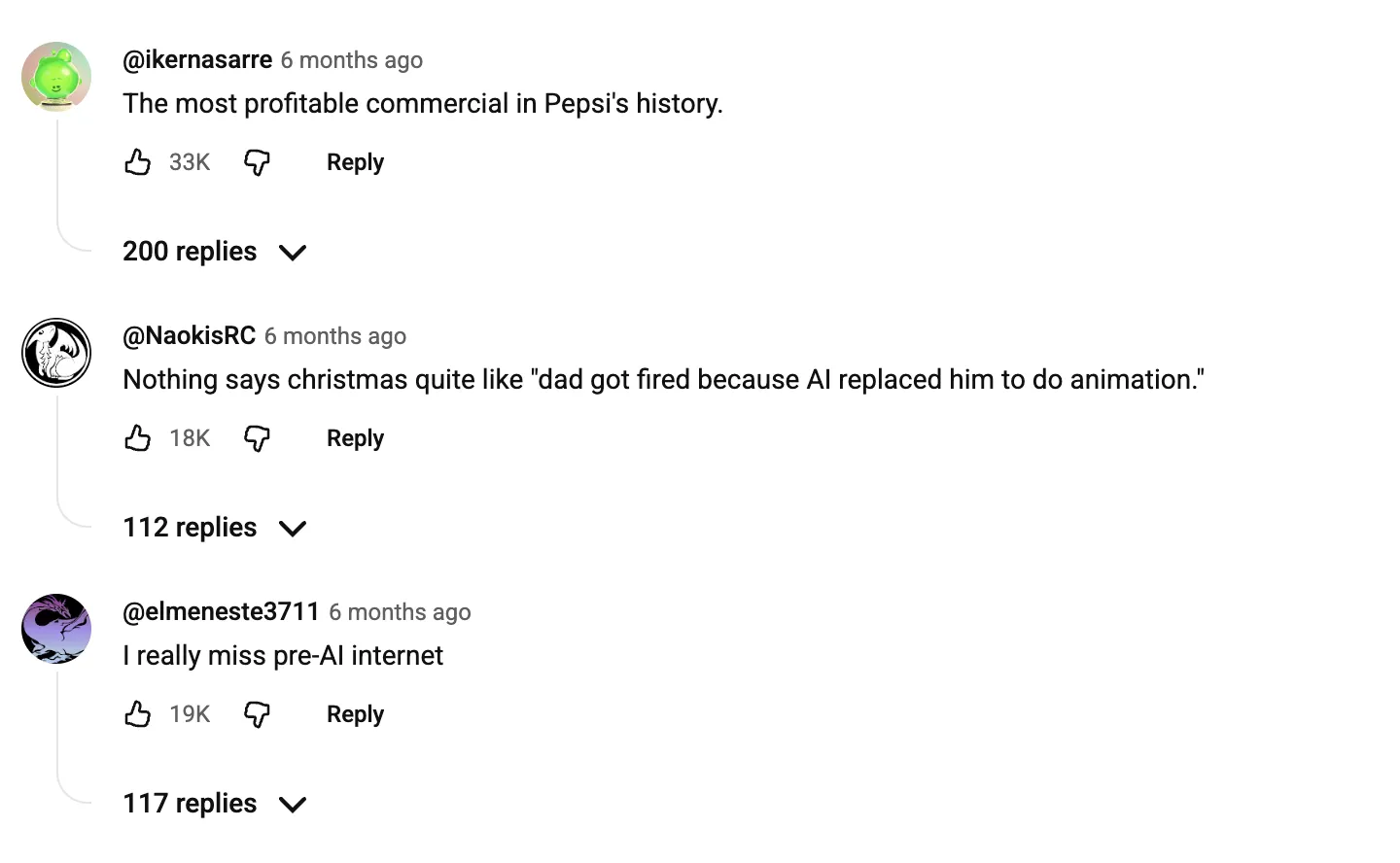
Lesson: The goal of your brand is not to produce content quickly. You need to be authentic and add a genuine human touch to your messages. And never hide your use of AI, people would find out anyway.
If you want to know more, read our article How AI-Generated Content Impacts SEO, and how we at Netpeak use AI without sacrificing quality and human touch.
#2: The Phygital Era: New Logic of Consumption
Generations Z and Alpha have grown up amid a pandemic, climate instability, and political polarization. They have experienced both the physical and digital worlds together from an early age. Brands that get this context right and find a way to win their hearts will want for nothing:
-
By 2030, Gen Z is expected to be the largest generation and wealthier than millennials. Their purchasing power could reach $12 trillion (NielsenIQ, GfK, and World Data Lab).
For these young consumers, product and price are important, but so are a product’s history, how it was made, its environmental impact, and the reason for buying it.
For example, Patagonia’s “Worn Wear” campaign made repairing old clothes part of its global brand. The company highlighted the value of keeping jackets for years, fixing them, and handing them down to others.
Customers really appreciated it. They wrote things like, “Love this company! The only one I trust,” and “My closet has lots of other people’s stuff in it.”
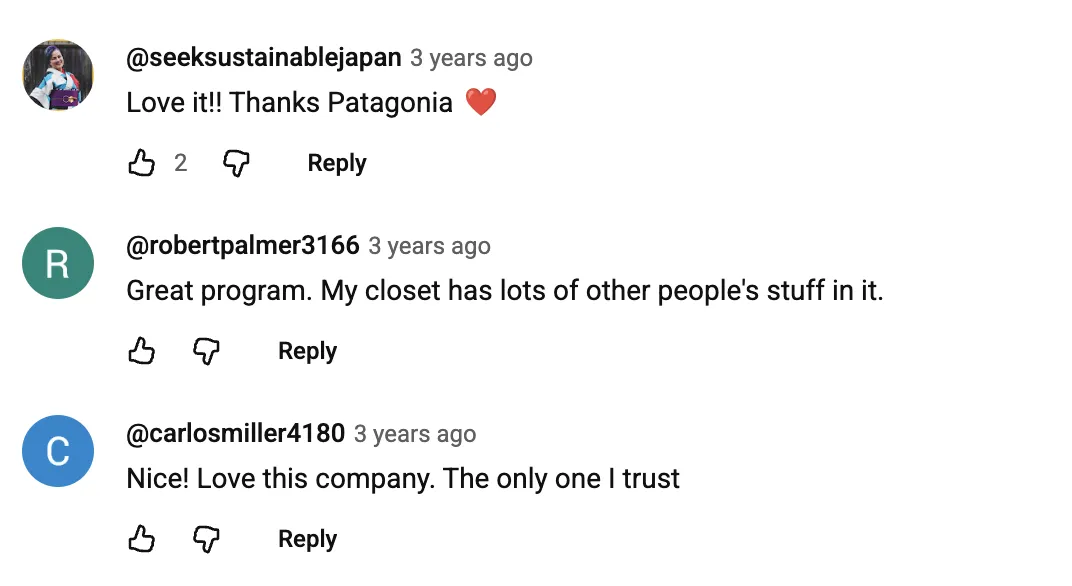
Lesson: To connect with Gen Z, you need to do more than use “the language of young people”. Rethink your approach to communication and move away from direct persuasion. Adopt some values instead and become a platform that helps people decide for themselves what a product is worth.
Read our article if you’re into sustainability marketing and want to know how it can grow your company's revenue.
#3: Fandom-Led Marketing: How Audiences Help Shape a Brand
Fandom-led marketing helps consumers move beyond just watching ads to actively shaping a brand’s story and creating content for it. People with similar interests find each other and become a part of the brand’s marketing and processes. Fandom-led marketing runs on the same engine as any viral moment — see our deep dive on how UGC and algorithms turn content into viral trends and the pattern behind it.
For example, LEGO involved its fans in product development with LEGO Ideas. Fans submit their own designs, and the community votes to decide which ones become real products.
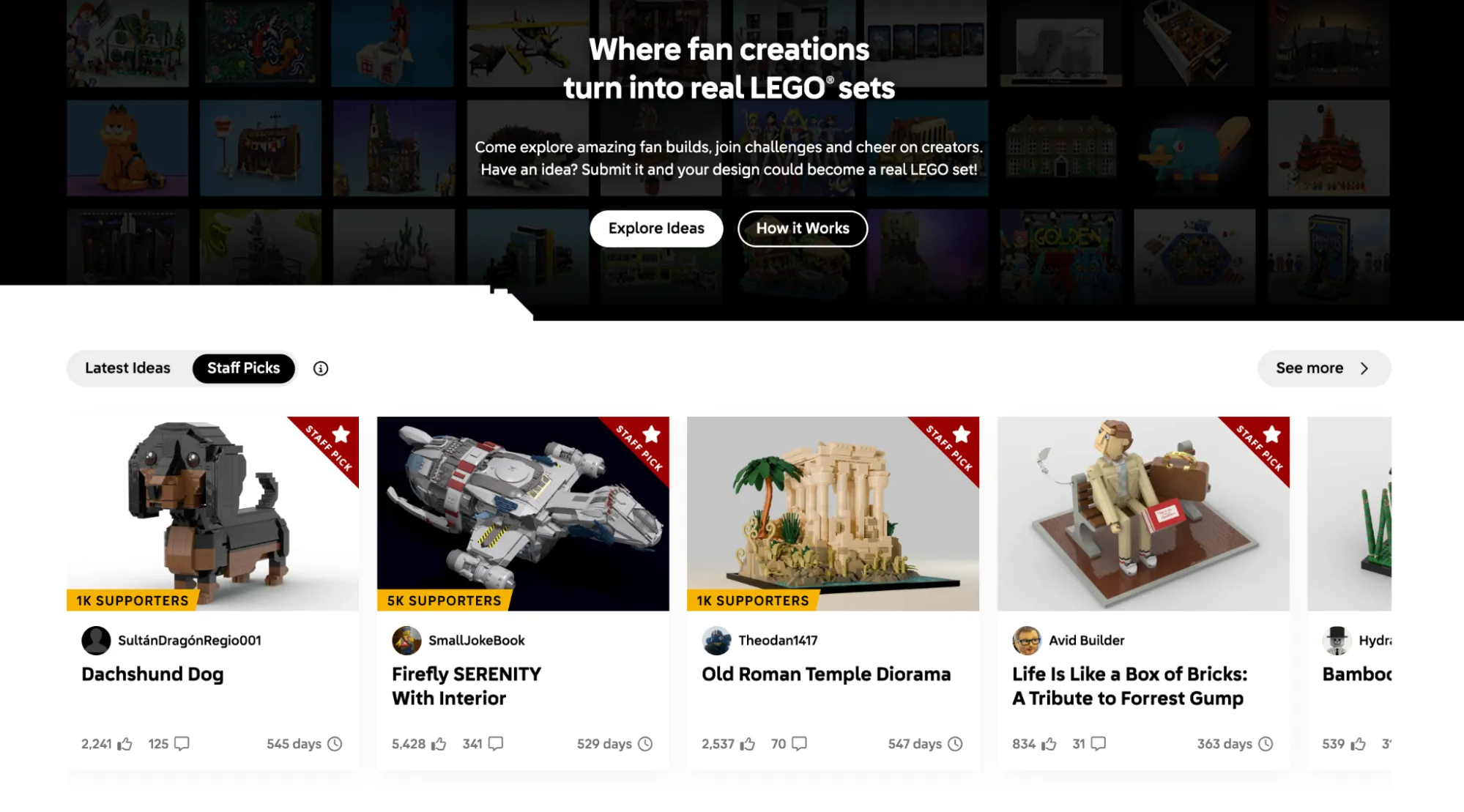
Lesson: Focus less on micromanaging every post and instead work more closely with creators and communities who can naturally share your brand’s story. Treat fan communities as an active and important part of your marketing efforts, not just as a passive audience.
#4: The Escape from the Online World and the Demand for Real-Life Experiences
People are spending more time online, but they often miss real connections. They crave real-life experiences, being physically present, feeling part of a community, and finding spaces without constant stress or distractions.
“Over the next few years, brands that help people take breaks from the online world and remind them of life beyond their screens will stand out. This shift is driven by the global YOLO (You Only Live Once) trend, which has now taken the place of FOMO (Fear of Missing Out).”
Yulia Pysmenna, Communications Specialist, Former Head of SMM at the Ukrposhta, national postal service
For example, IKEA launched a Christmas campaign encouraging families to put phones away and spend real time together. They named an obvious problem and demonstrated how building furniture together could help solve it for a while.
Lesson: Just showing up in someone’s feed isn’t enough to keep attention; you need to offer more than just content. Provide a sense of reality, calm, and engagement, which are missing in today’s crowded digital world.
The weeks after the holidays create opportunities that many brands overlook. Learn how to stay visible when competitors go quiet.
#5: Closed Communities: A New Center of Attention and Trust
Smaller, closed communities are growing faster than traditional social networks. It's obvious, given the global epidemic of loneliness.
Brands should create safe places to connect with customers (and help them to connect with each other) in a more personal way, using their common interest in your product and supporting inside jokes and memes.
Where can you do it:
-
Big platforms like Discord and Patreon
-
Substack, which is gaining popularity not because of ads, but because it spreads ideas
-
Mastodon and Vero that attract users because they don't use algorithms
“Brands’ interaction with their audience is shifting from ‘one-size-fits-all’ communication to personalized experiences. Brands will act as conversation partners: responding to comments, engaging in dialogue, and adjusting content in real time based on audience reactions.
This is evident in the Threads example. There, communication is like a live conversation: sometimes jokes fly and go viral, sometimes you have to react quickly and apologize. But it is precisely speed, self-deprecating humor, and a willingness to make mistakes that create a new level of closeness.”
Valentyn Panyuta, Head of HyperNormal Creative Agency
For example, Red Bull has a community of 68,000 people on Reddit. Members share their experiences with new flavors, post photos of fridges stocked with Red Bull, and suggest ideas like giving Red Bull as a birthday present.
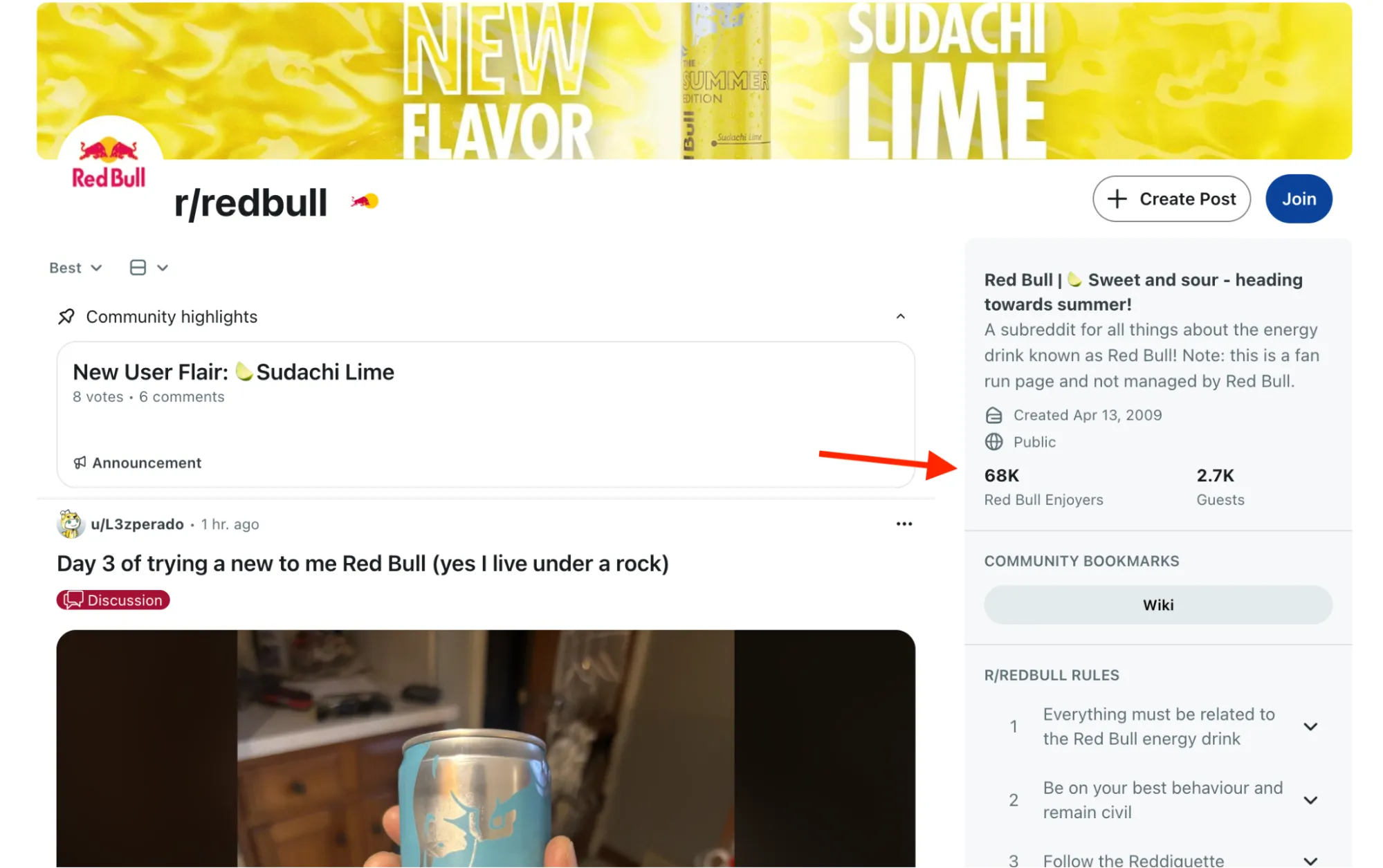
Lesson: Shift from reaching the largest audience to building stronger connections.
In the past, having a wide reach was enough. Now, spaces where people interact more deeply are becoming more valuable. Instead of just sending messages to everyone, start to engage with smaller groups who are willing to read, respond, support, and come back.
Twenty years in digital marketing changes a company — and usually the logo too. Read our article to find out what stands behind the new Netpeak era: Netpeak’s 20-Year Rebrand Story
#6: AI Is No Longer a Tool — It Is Infrastructure
Artificial intelligence is no longer just a trendy add-on; it’s here to stay and change everything. Now AI is a core part of marketing — a new environment where brands create content, grow their presence, and compete for attention. Even companies that operate in such old-fashioned industries like healthcare implement AI in it's marketing toolkit in order to keep up with the times.
For example, Amazon has successfully integrated AI into its daily operations. The company developed Rufus, an AI shopping assistant that helps customers compare products and answer questions.
Read more about Rufus in our article Use Amazon’s New AI Agent to Run Your Business Smarter.
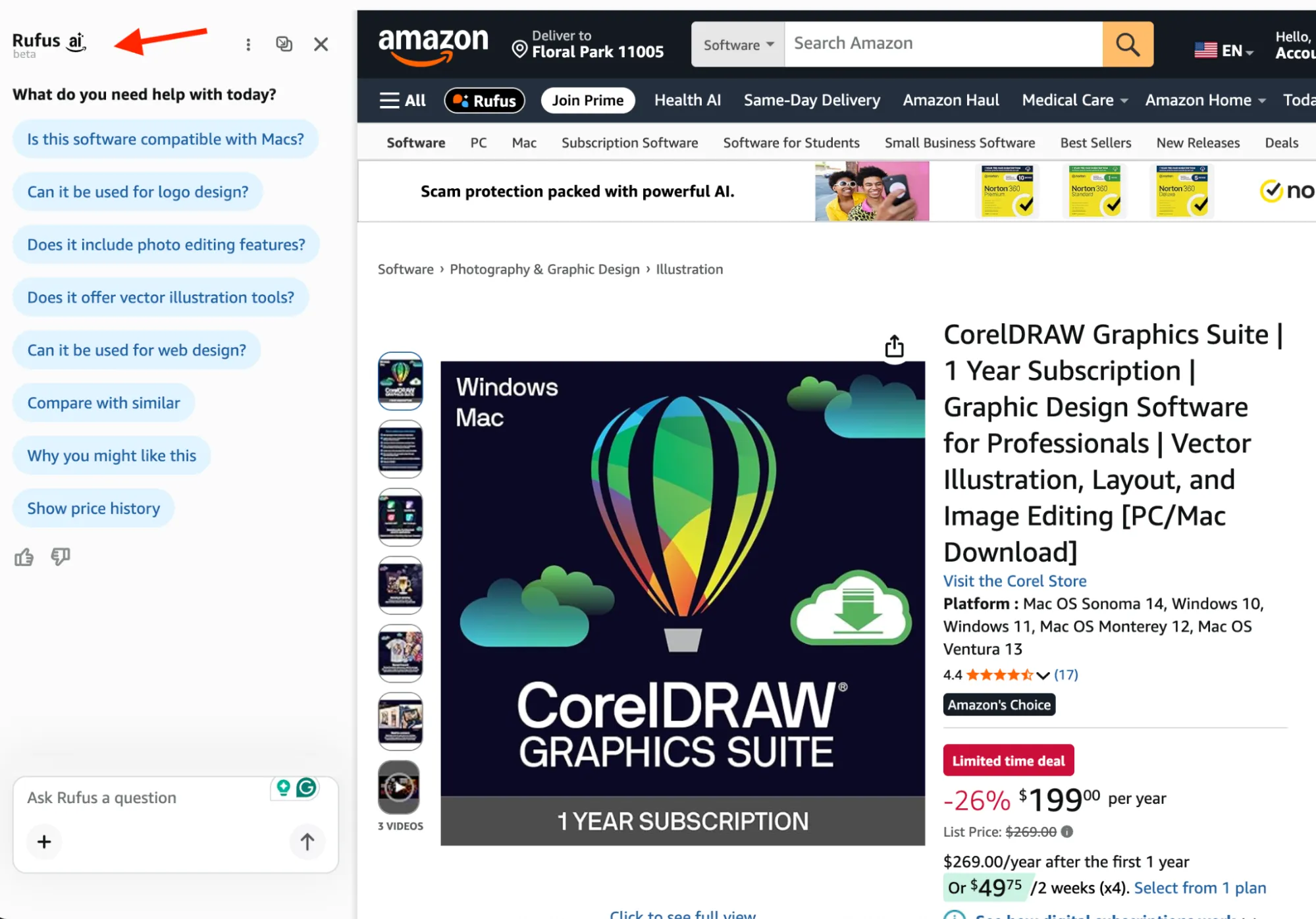
Brand visibility started to depend more on the answers and recommendations from AI systems, not just on search or social media. Over 60% of adults already use AI to search for information (Activate Consulting’s Technology & Media Outlook, 2026).
This matters for marketing for two main reasons:
-
The way people first connect with a brand is changing.
-
The gap between interest, decision, and action is getting smaller.
Lesson: Try to be both easy to find and easy for AI systems to understand. These systems now make recommendations instead of people.
#7: Bringing Together Content, Search, and Purchase Into One Smooth Experience
A new trend is emerging: the user journey is becoming more unified. In the customer's head, social media and website content, search results, reviews, and the decision to buy come together in one experience.
Today, 43% of purchases begin on social media. Also, 62% of shoppers find online search more useful than talking to a salesperson (Forrester, 2021).
Sephora used that insight. They transformed their Beauty Insider program from a simple loyalty card into a community where people share reviews, exchange beauty tips, and… shop.
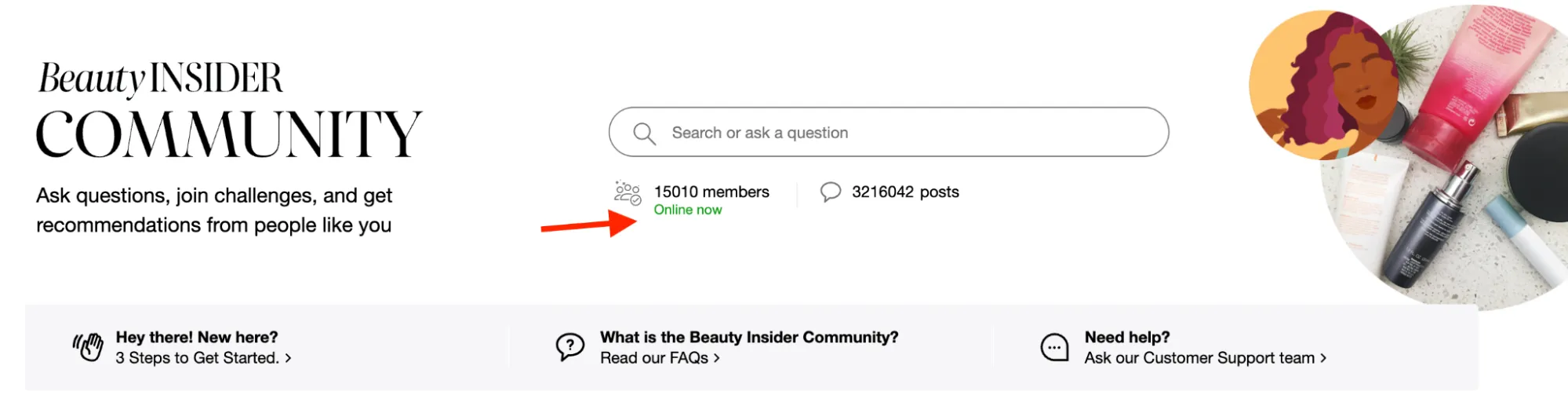
Lesson: Stop treating content, search, and e-commerce as separate departments competing for attention. Modern customers expect one smooth journey — where discovering a product on social media, researching it through search, reading reviews, and buying it all feel connected.
We at Netpeak are masters of multichannel marketing. For example, we helped Puma to increase revenue by 100% from organic and 30% from paid channels with SEO, PPC & email marketing.
#8: Trust, Reputation, and Transparency in 2026-2027
AI-generated content, deepfakes, and a growing list of sensitive topics you need to be careful to talk about, but not ignore fully — it’s a reality of 2026. People crave transparency and consistency in brand communication, and a strong brand reputation matters more than ever.
“Brands that communicate honestly and openly are more likely to succeed. Admitting mistakes and even being able to laugh at them helps brands earn trust and stand out.”
Felix Zinchenko, Head of Public Affairs and Communications at DTEK, a large energy company
After backlash to Apple’s “Crush!” ad — where creative tools were literally crushed into an iPad — the company publicly acknowledged that the campaign “missed the mark.” Good for them!

Actions speak louder than words: in its latest ad, “Every Great Idea Starts on Mac,” Apple shifted its rhetoric to focus on human creativity.
Lesson: Be transparent, own your mistakes, and don’t be afraid to change for the better.
Read our article to learn why moving companies should target college students.
What Does All This Mean for Brand Communication and Teams
The trends in the report show that marketing and PR teams are not just facing small changes. They need to roll up their sleeves and rethink brands' content, tone of voice, community engagement, and transparency. You can start now by:
1. Reviewing the brand’s tone of voice. Choose a style that feels less robotic and more natural, with the brand’s unique personality in every message.
2. Cut back on direct sales messages. This matters most when reaching Gen Z and Gen Alpha, who care about more than just product and price — they want to know the brand’s story, values, and background.
3. Focus on building communities. Use formats that let people interact, discuss, share, and help spread your brand’s message.
4. Update your content for AI search. Pay attention to how it’s structured, how easily it can be found, and how well it matches the new ways people search with AI tools.
5. Set clear guidelines for how your team uses AI. Write down where AI is used, which tasks it handles, and where people still need to be involved.
6. Get ready for new reputational risks. Make sure your crisis plans cover deepfakes, AI-driven disinformation, and the fact that people are now more alert to unclear communication.
“The reality is you can’t fully stop these risks because the tools are easy to get and very advanced. What you can do is be ready.”
Jesse Niis, Head of Business Development at Cracken AI
7. Don’t judge your content just by how many people see it. Pay more attention to trust, how deeply people engage, how long they stay interested, and how they really respond.
8. Build brand consistency that goes beyond single campaigns. Reputation now depends less on one strong message and more on how your brand acts over time, in public positions, on tough topics, and in everyday communication.
If your SaaS growth feels chaotic, the problem may be your budget — not your ads. If you are wondering where to put your $3K, $30K, or $300K budget, this article breaks it down from a CEO perspective.
Final Thoughts
Marketing will get tougher over the next few years as audience expectations change. People pay closer attention to which brands they trust, how those brands use AI, how genuine their messages feel, and whether they stay consistent.
Because of this, your brand should start to:
-
Adjust your content for AI search
-
Focus more on real, human communication
-
Invest not just in reaching more people, but also in building communities
-
Plan ahead for how you’ll use AI and handle any situations that could affect your reputation
This doesn’t mean marketing will be unrecognizable by 2026 or 2027. But if you adapt trends faster, you will have an advantage.
FAQ
What is “human-made” marketing, and why is it becoming important again?
With AI-generated content everywhere, more people are looking for authenticity, transparency, and real emotional connections. Brands that feature real people, honest messages, and creative ideas tend to stand out in a world full of automated content.
Why are Gen Z and Gen Alpha changing marketing strategies?
Younger people want brands to be interactive, aware of culture, and easy to connect with on different platforms. They often support brands that share their values, communicate honestly, and offer real experiences rather than just ads.
What is fandom-led marketing?
Fandom-led marketing is when people get involved in sharing, shaping, and talking about a brand online. Rather than just watching ads, they make memes, reviews, TikToks, fan groups, and conversations that help the brand grow naturally.
How are brands using AI in marketing in 2026–2027?
Today, many brands use AI every day for things like personalization, search, recommendations, customer support, and creating more content. Still, the best companies mix AI’s efficiency with human creativity and openness, rather than depending only on automation.

 0
0
 0
0
 0
0
 0
0
Related Articles
Amazon's AI Now Builds Complete Looks on Product Pages. How Do Brands Make Sure the Bundle Is Theirs?
Amazon now uses AI to assemble complete, shoppable looks around a single product, and it fills those looks with whichever brands its model picks.
Pet Food Product Patent: How to Protect Your Innovation
Patenting pet products requires careful consideration and proper application filing. With the 8 steps below, you will be able to submit your patent application and protect your invention.
What Happens When Amazon Suppresses Your Listing? The New 2026 Rules
Under the new 2026 rules, Amazon warns you first and gives you a grace period to fix the issue.