
What Are the Best Pet Care Marketing Campaigns This Year 2026?
Pet care marketing campaigns worth checking out this year are Pedigree’s “Adoptable,” Stella & Chewy’s “America's Next Top Petfluencer,” and The Farmer's Dog’s hyper-personalized ads.
Let’s learn something from their success!
Breaking Down Two Standout Pet Care Campaigns
Pedigree — "Adoptable"
Pedigree used pet products AI to make its ads into adoption opportunities. They turned low-quality shelter photos into professional images and placed local shelter dogs on Pedigree's digital billboards and in its online ads.
Each ad linked straight to the dog's adoption page. When a dog was adopted, the ad would automatically update to show another pet looking for a home.
Results
-
6× increase in visits to shelter websites.
-
50% of featured dogs were adopted within the first two weeks.
-
People who visited through the campaign were 12% more likely to adopt than other visitors.
-
Won the 2024 Cannes Lions Outdoor Grand Prix and is being rolled out globally through 2026 (Nexus Studios).
What to learn: Purpose-driven marketing performs best when it becomes part of the product experience. Pedigree turned every advertising dollar into both a sales message and an adoption tool.
Stella & Chewy's – “America's Next Top Petfluencer”
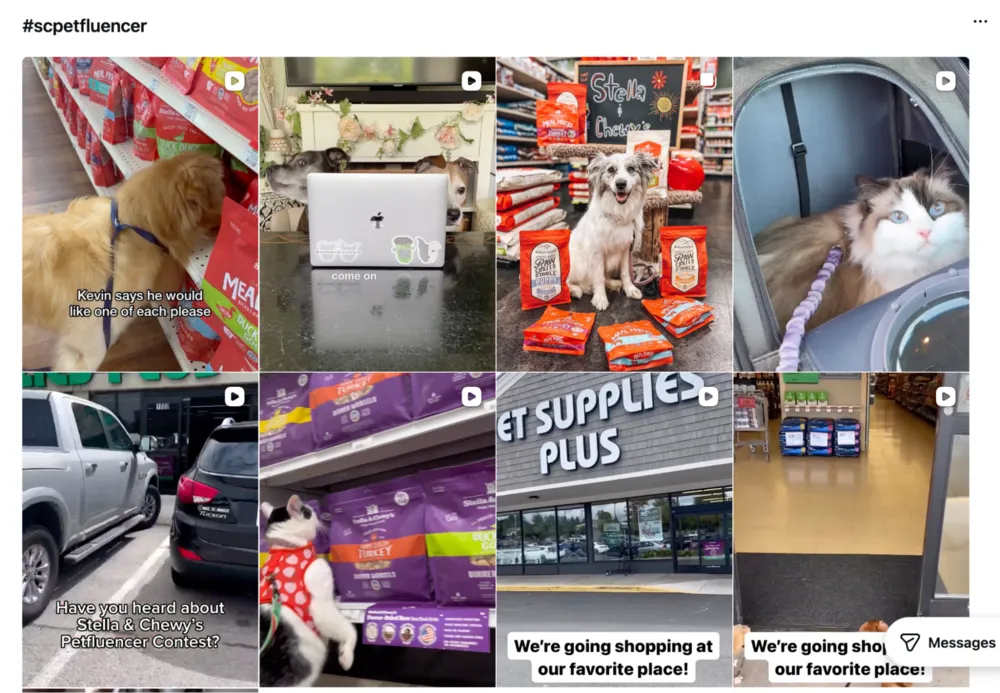
Stella & Chewy's helped independent pet stores by launching a nationwide contest.
-
Visit their favorite local shop.
-
Scan the QR code to join the contest.
-
Post their pet on social media.
The winning pet was featured on billboards, and influencers helped spread the word.
Results
-
165% year-over-year sales growth
-
33% increase in foot traffic to participating retailers
-
5,500+ contest entries
-
63% of participants opted into future marketing communications (WARC).
What to learn: Turn customers into participants. Contests and user-generated content create engagement that traditional ads often can't match.
The Farmer's Dog – Hyper-Personalization
Ad for senior dog owners specifically
The Farmer's Dog focused its growth on audience segmentation, creating ads and offers for different groups of dog owners:
-
Pet food shoppers
-
Pet supplies
-
Dog owners
-
Customers of competitors, etc.
Pet ownership is deeply personal and emotional. So pet parents look for more personalized product suggestions and marketing messages.
Results
-
20M+ impressions in 60 days
-
40% lower CPA than benchmark
-
38,000+ site engagements (Semasio).
Key takeaway: Not every dog likes the same treat, just like not every customer responds to the same ad. When your marketing is more relevant, you get better results.
|
Main idea |
Public results available |
What pet care companies can learn |
|
|
Pedigree – Adoptable |
To integrate purpose directly into the marketing campaigns. |
6× more visits to shelter websites and 50% of featured dogs adopted within two weeks. Visitors were 12% more likely to adopt than average (Nexus Studios). |
Customers buy from companies whose values they can relate to. |
|
Stella & Chewy's – America's Next Top Petfluencer |
To launch a nationwide pet contest and support independent pet stores. |
Sales grew by 165% compared to last year. Foot traffic at participating retailers went up by 33%. They received over 5,500 contest entries, and 63% of participants chose to receive future marketing messages (WARC). |
Get your customers involved. Running contests can spark more engagement than regular ads ever could. |
|
The Farmer's Dog – Hyper-Personalization |
To make campaigns more personal and specific. |
They got 20M+ impressions in 60 days, 40% lower CPA than benchmark, and 38,000+ site engagements (Semasio). |
Know your customers and show them ads they want to see. |
What Makes a Successful Pet Care Marketing Campaign?
The strongest pet campaigns lead with empathy, have a purpose, and use social media to its full potential.
Lead with Empathy
Pet owners buy with their hearts first. In fact, 93% of dog owners believe their dog’s health is just as important, if not more, than their own. About 65% would rather spend time with their pets than with their human partners.
For 90% of people, having a pet around is calming. And 80% say pets help them take a break from daily routines (New York Post).
Show how your product helps pets feel healthier and happier instead of just listing its features. Emotional storytelling creates stronger connections and improves brand recall.
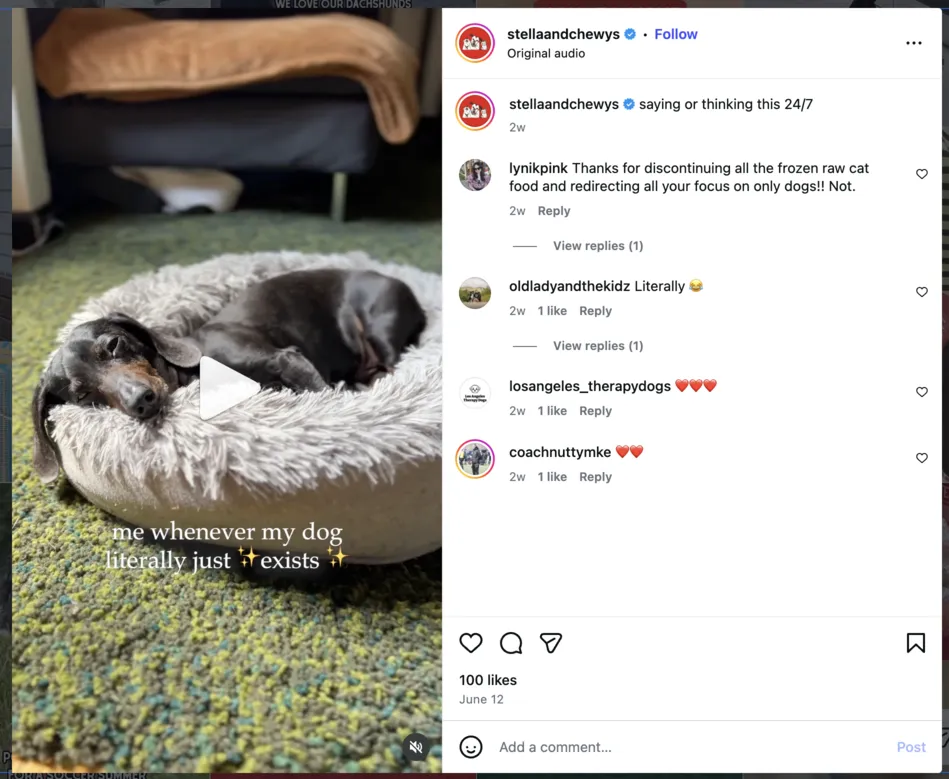
Have a Purpose
Almost 70% of pet owners are concerned about climate change and want to help the planet with the choices they make each day (Forbes).
Support a cause your audience genuinely cares about: pet adoption, animal welfare, sustainability, access to veterinary care, etc. Purpose-driven campaigns create real-world impact, not just awareness.
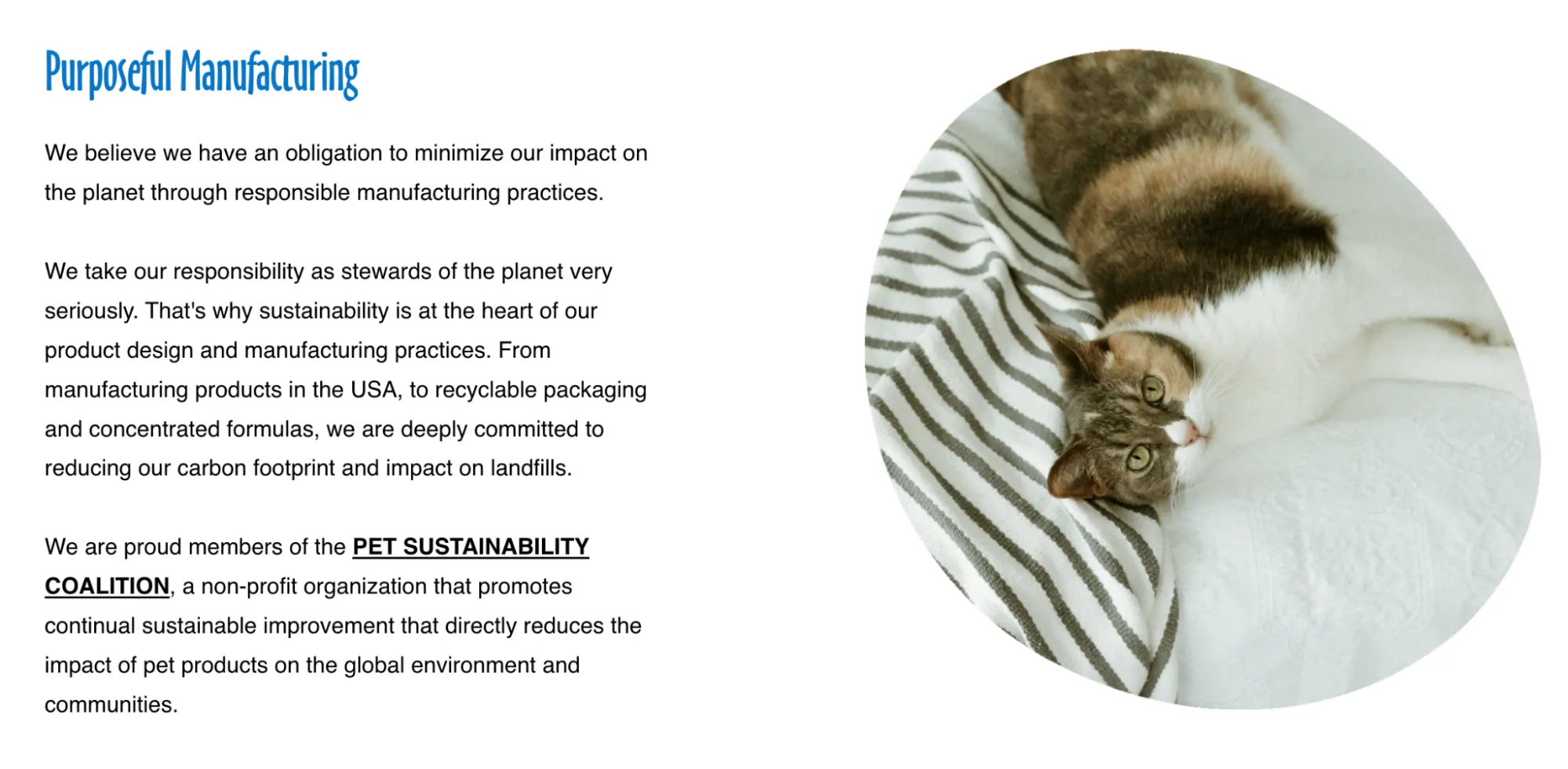
Use Social Media to Its Full Potential
92% of consumers trust recommendations from other people over traditional advertising (Nielsen). You need to:
-
Encourage user-generated content
-
Collaborate with pet creators
-
Respond to your community
-
Create content people want to share
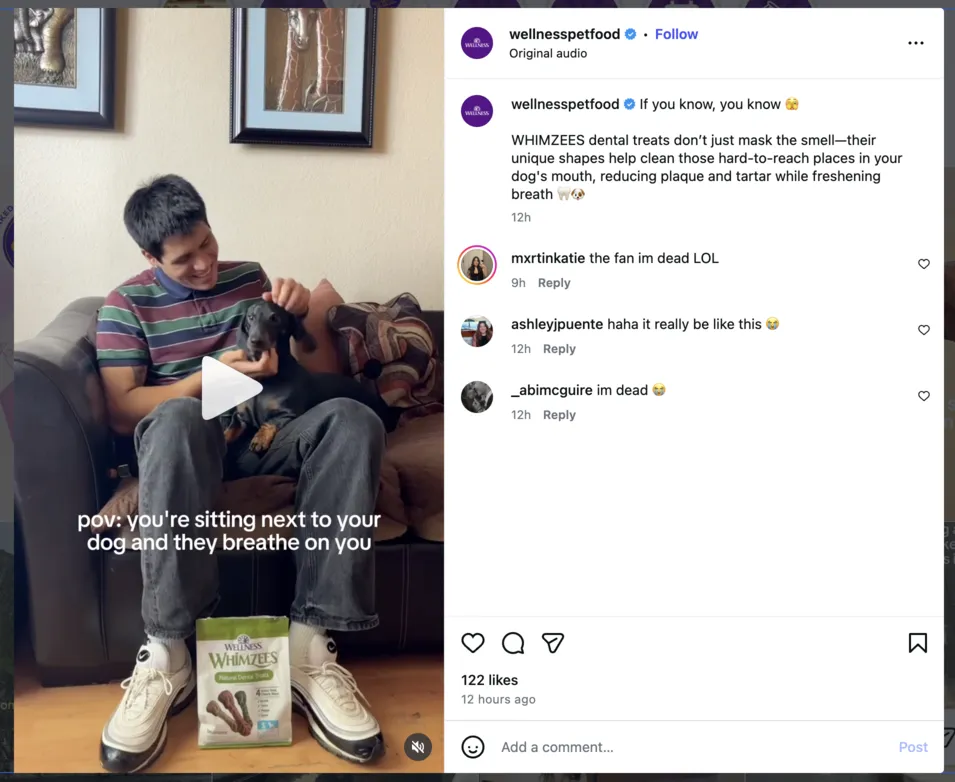
TikTok and Instagram are major product discovery channels for younger pet owners.
FAQ
Which platforms work best for pet care marketing?
Google Search, Amazon, TikTok, Instagram, YouTube, Chewy, and email marketing typically deliver the best results, depending on your audience. Focus your budget on the platforms where your ideal customers already discover and buy pet products.
What marketing channels should be leveraged for a pet care marketing campaign?
Combine SEO, PPC, social media, influencer marketing, email, Amazon advertising, content marketing, and review management. An omnichannel strategy is all about reaching customers throughout their buying journey.
How do you measure the success of a pet care marketing campaign?
Measure both short-term sales and long-term customer loyalty: revenue, ROAS, conversion rate, CAC, customer lifetime value (CLV), repeat purchase rate, and engagement metrics. It would help to understand the campaign's true impact.
What are the biggest pet care marketing trends in 2026?
Big pet brands lead by example and use AI-powered search, creator-led content, social commerce, first-party data, subscriptions, and omnichannel marketing.
How can a new pet care brand compete with established companies?
Focus on a niche audience, build trust with educational content and reviews, partner with creators, and invest in SEO and targeted advertising instead of trying to outspend larger brands. Consistency and a clear value proposition often outperform a bigger marketing budget.

 0
0
 0
0
 0
0
 0
0
Related Articles
Amazon's AI Now Builds Complete Looks on Product Pages. How Do Brands Make Sure the Bundle Is Theirs?
Amazon now uses AI to assemble complete, shoppable looks around a single product, and it fills those looks with whichever brands its model picks.
What Happens When Amazon Suppresses Your Listing? The New 2026 Rules
Under the new 2026 rules, Amazon warns you first and gives you a grace period to fix the issue.
Amazon’s New “Sourced from Brand” Buy Box Label: Who Gets It and Who Doesn’t
Amazon is rolling out a provenance line in the Buy Box. A short label under the Brand row now reads “Sourced from [Brand]” on amazon.com and “[Brand] approved” on amazon.de. It tells the shopper that the unit on offer came through the brand’s own supply c