
Your 2026 Digital E-Commerce Marketing Guide — 7 Tactics to Drive Sales
Small sellers are often tired of chasing one-time buyers. Today’s market feels like Tinder for retail — all spark at the start and no second date. That’s where your relationship consultant steps in — e-commerce marketing.
Its primary goal is to turn a transaction into a connection and move from “Buy now” to “Welcome back”. E-commerce marketing brings people to your store, gets them excited enough to buy, and keeps them coming back for more. It provides the steady cash flow you need to stay afloat and grow your business.
Let’s learn which marketing tactics will actually help you with that.
So… What Is E-Commerce Marketing, Exactly?
E-commerce marketing is like online dating, but for your store. Just like dating apps, your goal is to match with people who are actually interested in what you offer. You want them to:
-
Notice you (through ads, SEO, and social media posts).
-
Click with you (through your product pages, witty copy, and friendly offers).
-
Commit (by clicking “Buy Now”).
-
Stay in long-term relationships (through email nurturing, loyalty programs, and personalized recommendations).
E-commerce marketing is a piece of work, but it brings results. Especially in 2026, when e-commerce marketing will also involve working with AI assistants/recommendation systems, not just traditional channels.
On average, an e-commerce business earns $5 for every $1 spent on digital marketing.
We helped brand Colin’s to achieve a 70% profit increase from their marketing campaign. Pretty impressive, right? If you want some help with e-commerce marketing, just give us a call!
“In 2026, e-commerce marketing is no longer just about buying more traffic. It’s about owning the key surfaces where customers actually make decisions – marketplaces, recommendation engines, and AI assistants” — Aliaksandr Vlasenka, Head of Marketplace Growth at Netpeak
Yes, There Is a Difference: E-commerce Marketing vs. E-commerce Advertising
These two terms are often mixed up. You need them both, but marketing and advertising play different roles at different speeds.
E-commerce digital marketing is about the big picture strategy — long-term relationships and trust:
-
building brand awareness,
-
creating valuable content,
-
improving your website experience,
-
sending emails,
-
managing social media,
-
keeping your audience coming back.
E-commerce advertising, on the other hand, is a short-term boost. It’s about quick traffic, but it only works as long as you continue to pay for it:
-
Google Ads,
-
Facebook campaigns,
-
influencer shoutouts,
-
sponsored listings on marketplaces.
Advertising fuels a marketing engine that keeps running long after the ad spend stops.
Pick Your Weapons: Main Channels of E-Commerce Marketing
Let’s talk about some big-picture, tortoise-running channels. They don’t race as fast as the heir, but they win in the end by quietly building something great: repeat buyers.
SEO (Search Engine Optimization)
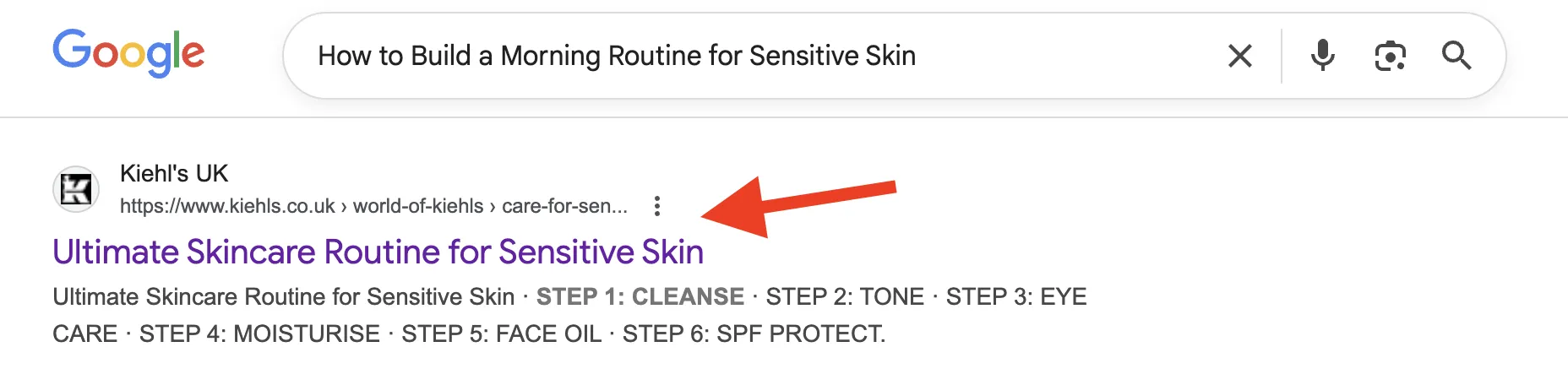
SEO helps people find your online store on Google — without you having to pay for ads. For example, when someone types "how to build a morning routine," SEO helps your content show up at the top.
Give your product titles, descriptions, images, and blog posts a little SEO love. It’ll help Google send the right people your way.
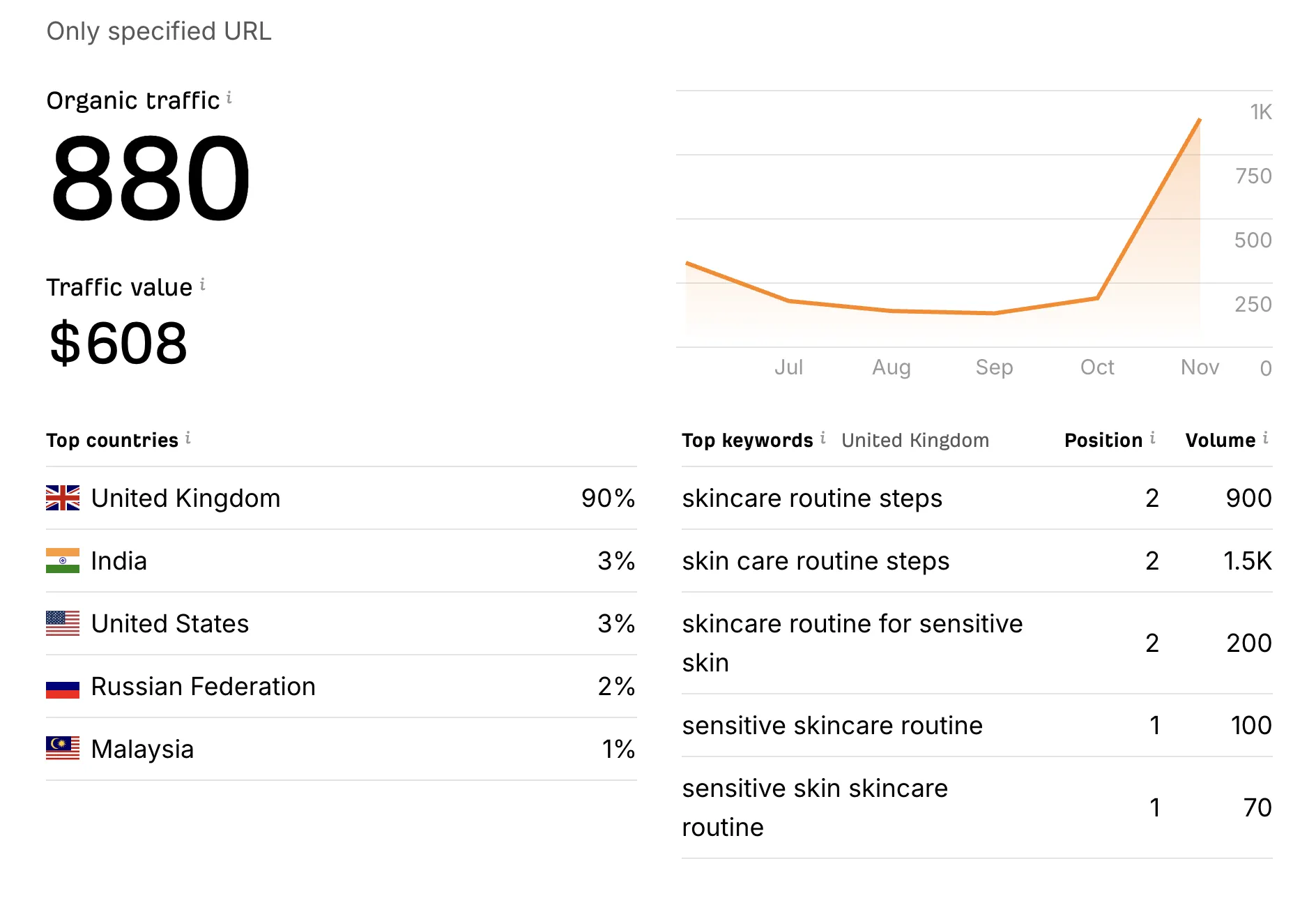
The page “How to Build a Morning Routine for Sensitive Skin” has 880 visits per month
Business results: Your online store gets found by people. For every $1 spent, SEO cashes back ~$22 in revenue.
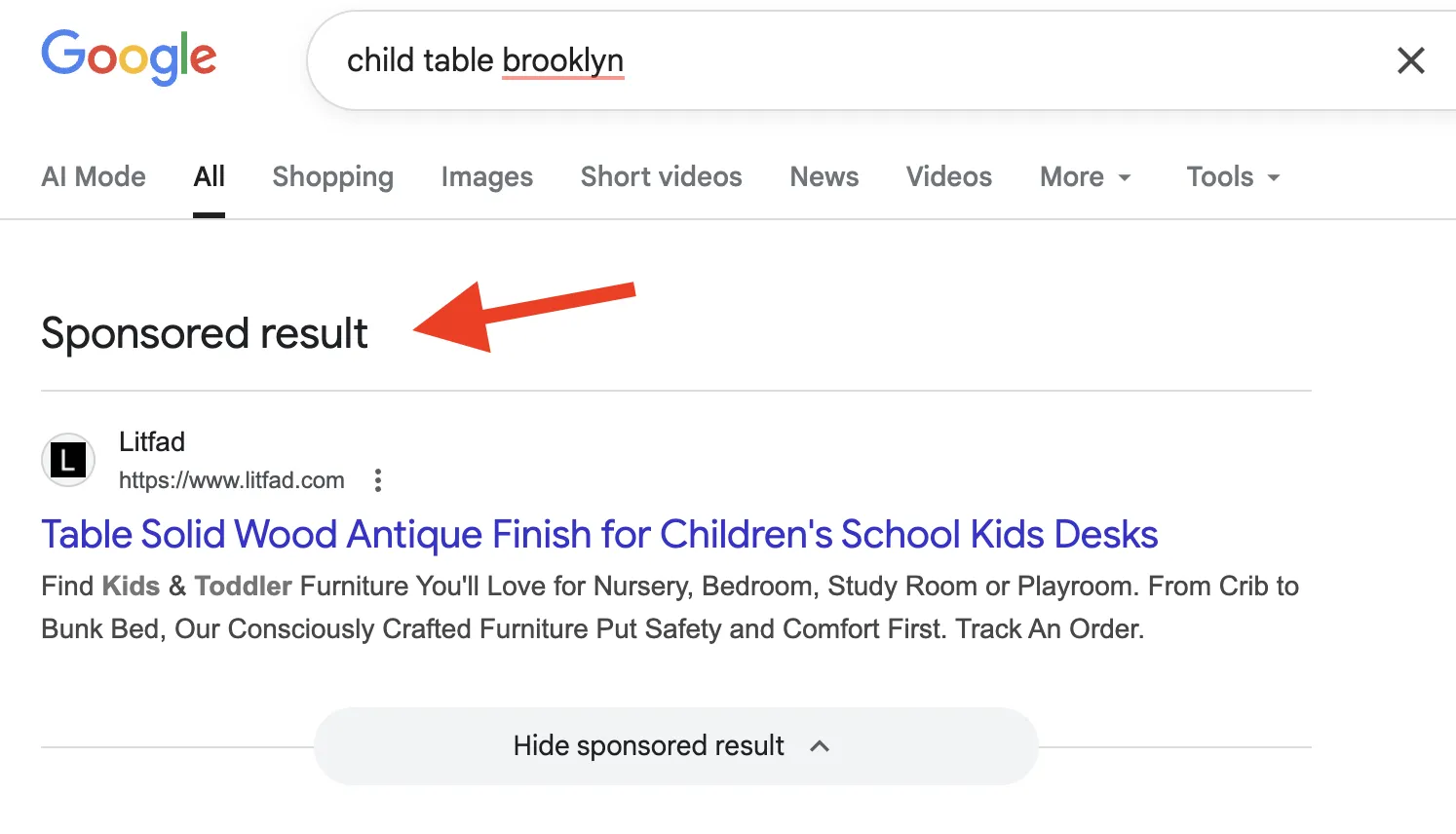
SMM (Social Media Marketing)
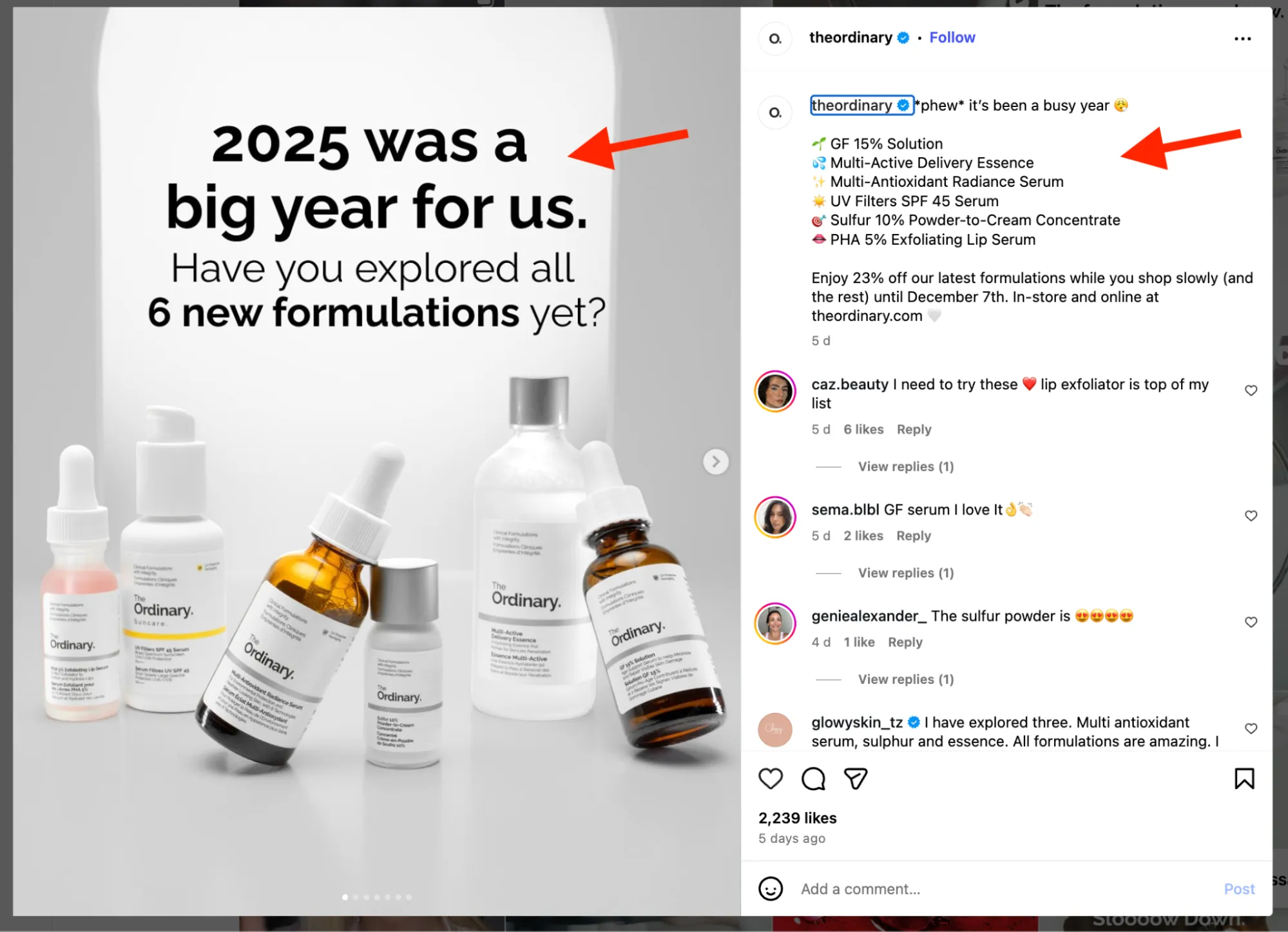
Social media marketing is about being visible where your potential customers already are — Instagram, Facebook, TikTok, etc. The more you post and engage, the more sales follow. Let people find your products between pictures of luxury lifestyles and AI-generated videos about rabbits jumping on the trampoline.
Create social media posts and reels, and mix them with paid promotions and user-generated content. It’s a way to create a community (and drive sales).
Business results: 58% of people find new businesses on social media — so, you need to be there.
Email Marketing
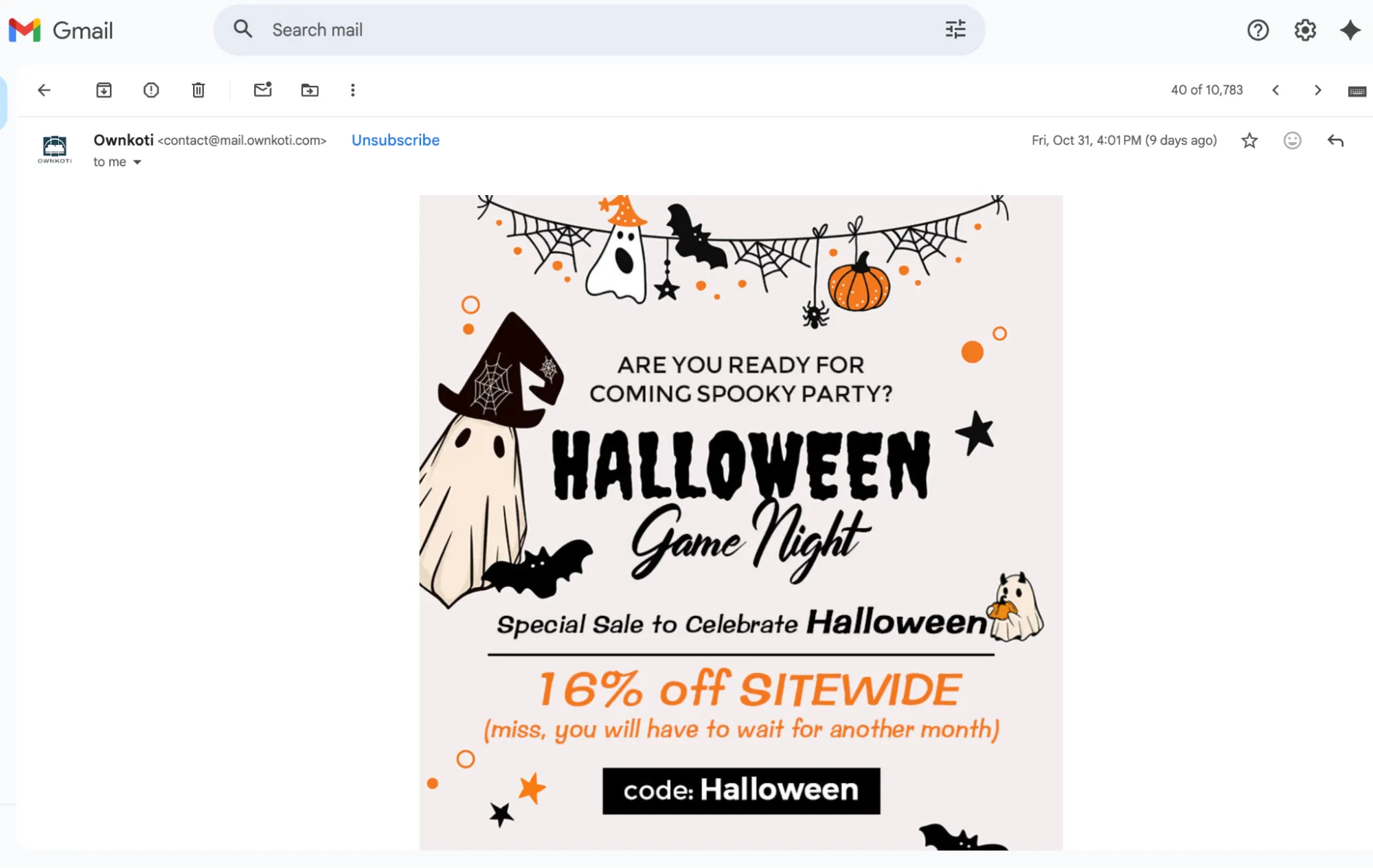
Email marketing is about reaching your customers in their inboxes — but in a helpful way, not a creepy one. You can use it to share updates, deals, and friendly reminders.
Make your messages personalized — with customers' names, exclusive offers they would like, and birthday discounts. Personalized email campaigns can boost revenue by a staggering 760%.
Business results: Email marketing leads the pack in terms of ROI. Businesses can earn up to $36 for every $1 they spend.
Content Marketing
Content marketing is the opposite of hard-selling. You create blogs, videos, or podcasts, and sell things smoothly. You trick customers into liking you and turn casual visitors into fans.
To make it work, you need to know how to entertain your audience. You need to know what they care about and what kind of content is worth coming back for.
Business results: Content marketing costs 62% less than traditional marketing and generates 3x more leads.
Retention & Loyalty Marketing
It’s all about keeping your existing customers satisfied and helping them stay in the loop. You need them to have a reason to come back again (and again). Focus on building relationships with your existing fanbase.
You can use loyalty programs, VIP perks, win-back campaigns, and subscription reminders for that.
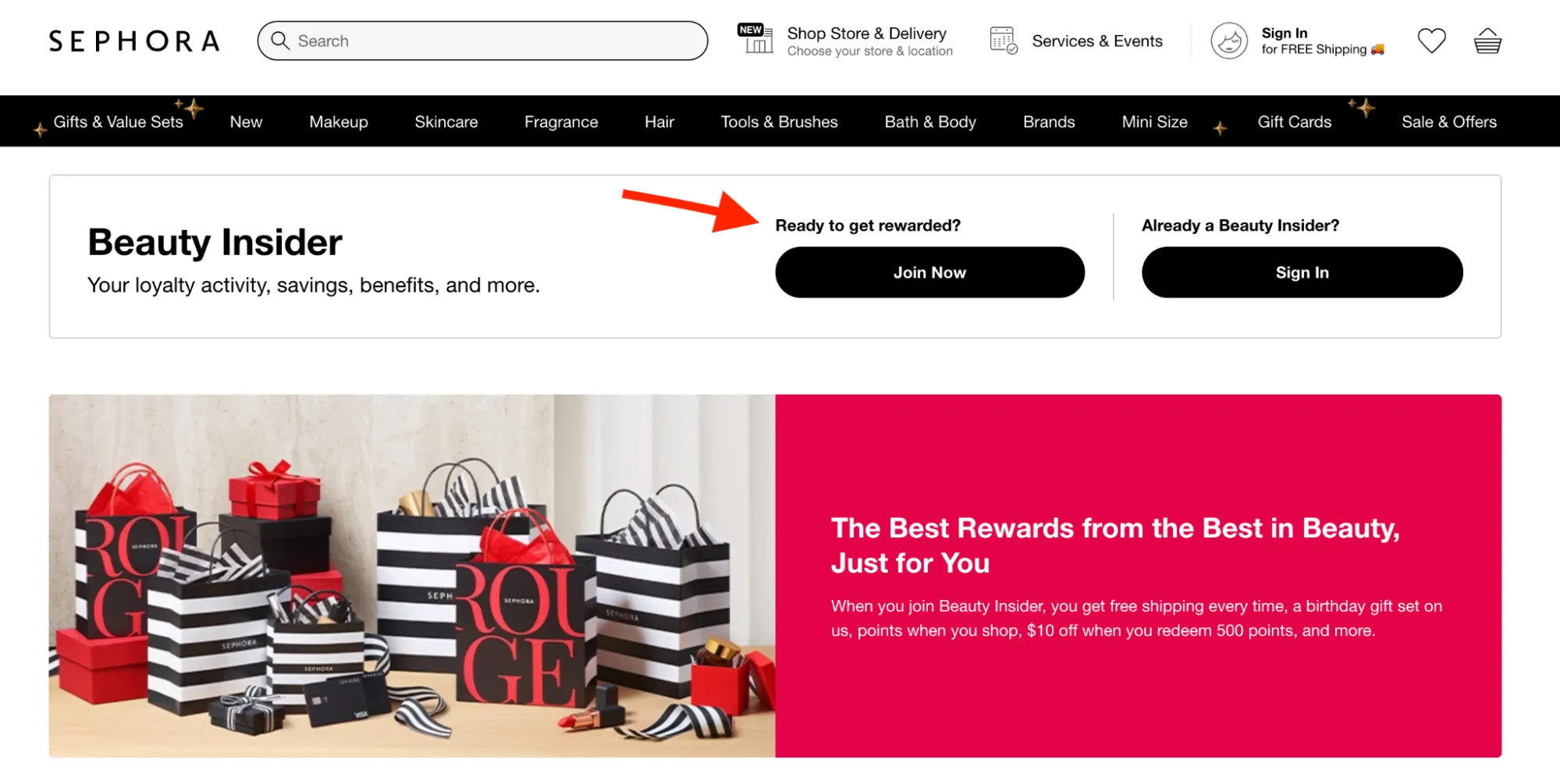
Business results: For example, Sephora’s Beauty Insider loyalty program brings around 80% of the company’s sales.
Learn Some Moves: 7 E-Commerce Marketing Tactics to Follow in 2026
Here are some Jedi-level e-commerce marketing ideas — the kind that make your competitors wonder if you’re secretly using the Force. Fire up your laser blade and get to work!
Tactic 1: Let UGC-Creators Do Their Part
Popular people on social media are perfect to promote your products. Just partner with creators whose audiences match your target customers. They already have trust from their followers, so their audience is more likely to buy what they recommend.
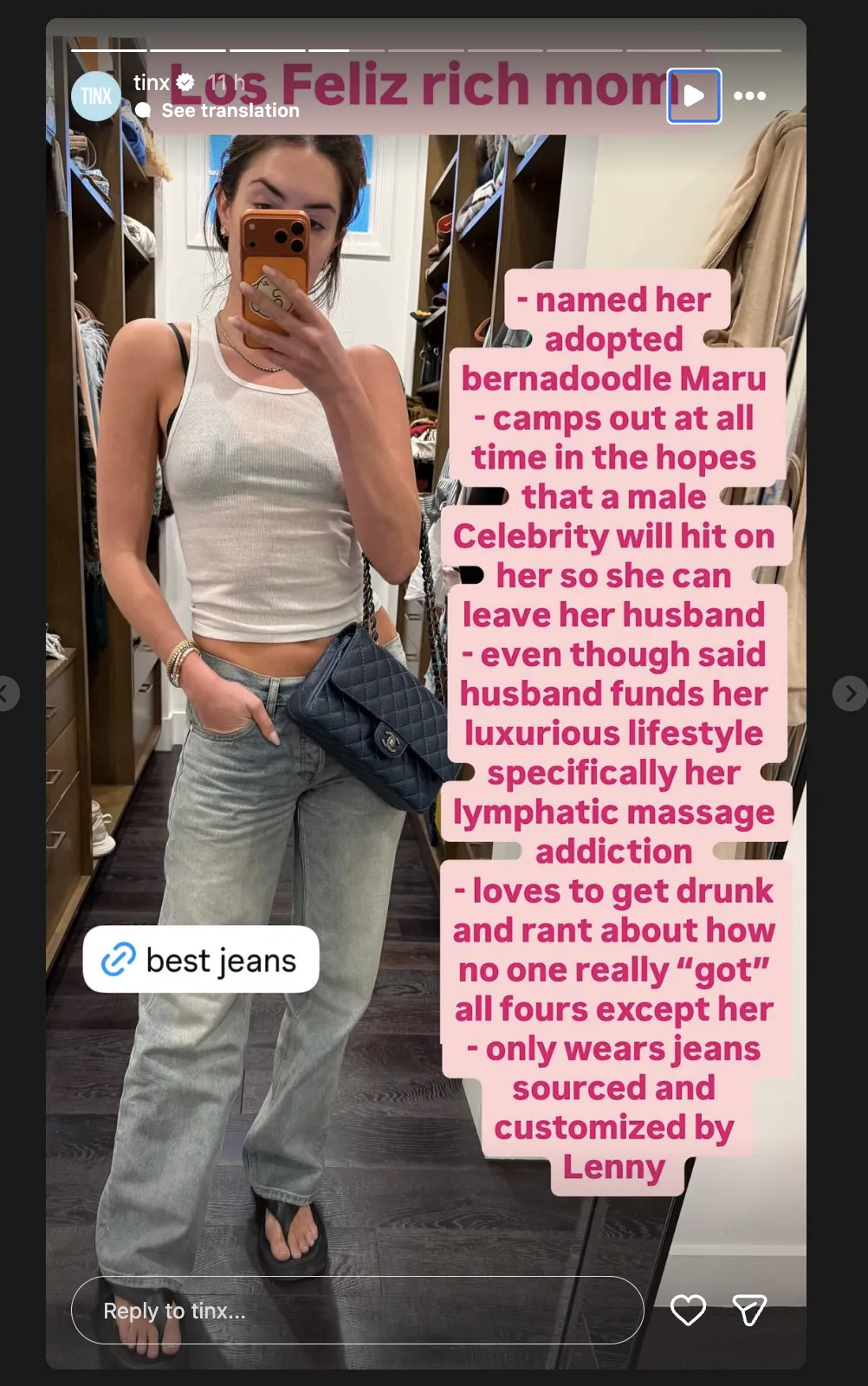
For example, the Instagram influencer Tinx, with 639k followers, posted a joke about rich moms in her stories and included a link to the jeans she's wearing.
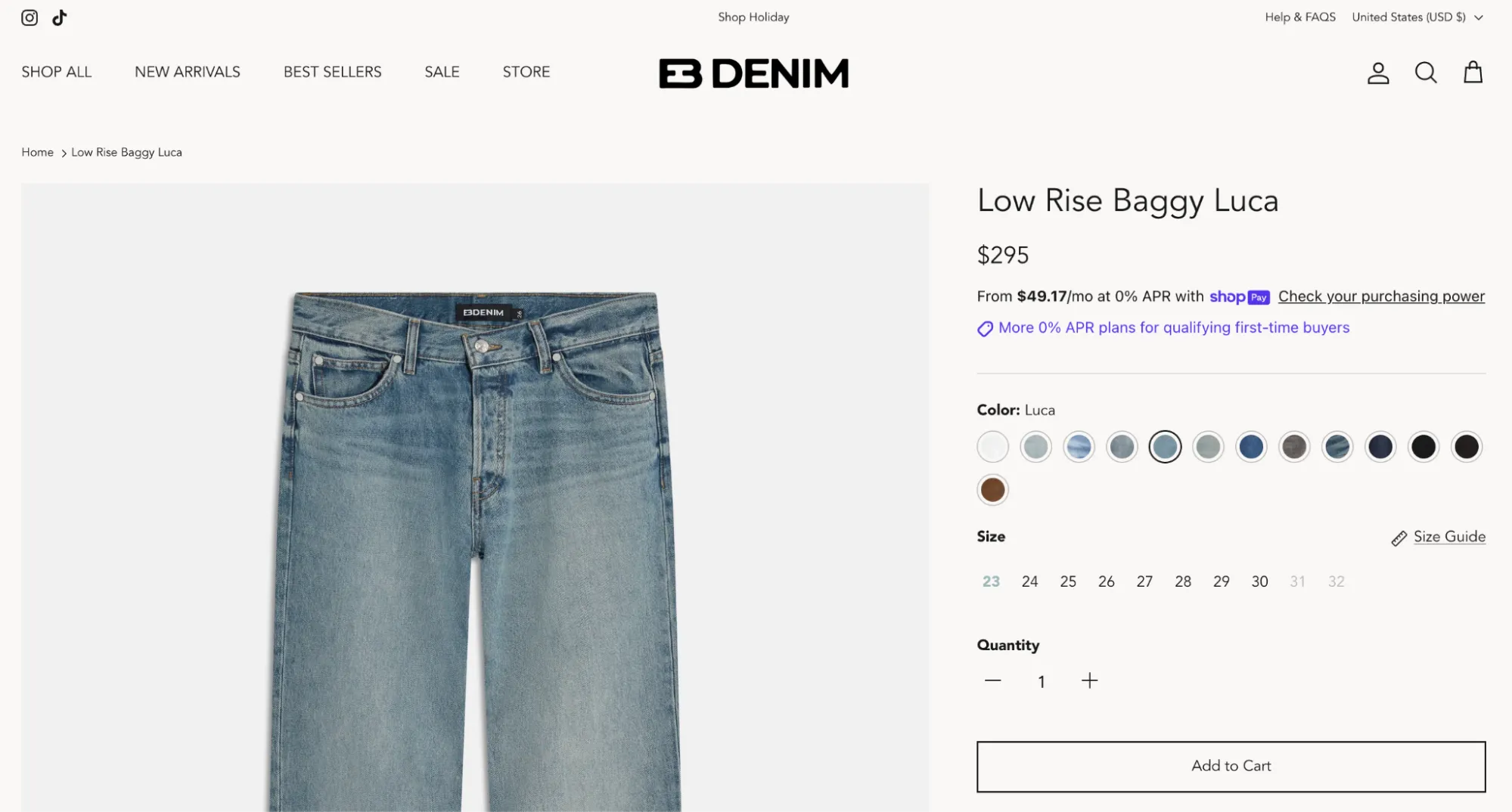
Her fans could click on the link to buy the same clothes now. People often want to dress like someone they admire. Slip on the same outfit, and suddenly you’re a bit closer to their vibe — the confidence and the “main character energy” they give off.
Business result: For every $1 spent on influencer marketing, businesses generate $6.50 in revenue. The top 13% of businesses get up to $20 in revenue for every dollar spent.
Tactic 2: Become a God of Marketplaces
Selling your products on online marketplaces like Amazon, eBay, Walmart, or Etsy is like renting a booth in the world’s busiest mall, but online.
To make your products pop up higher in search results or in “recommended” spots, use paid ads. They work great even if you’re a new company with zero reviews.
Pick the right keywords, set your budget per click, and decide where your ads should appear:
-
In search results (top or middle)
-
On product detail pages
-
In the recommendation sections (the ones with the “Sponsored” tag)
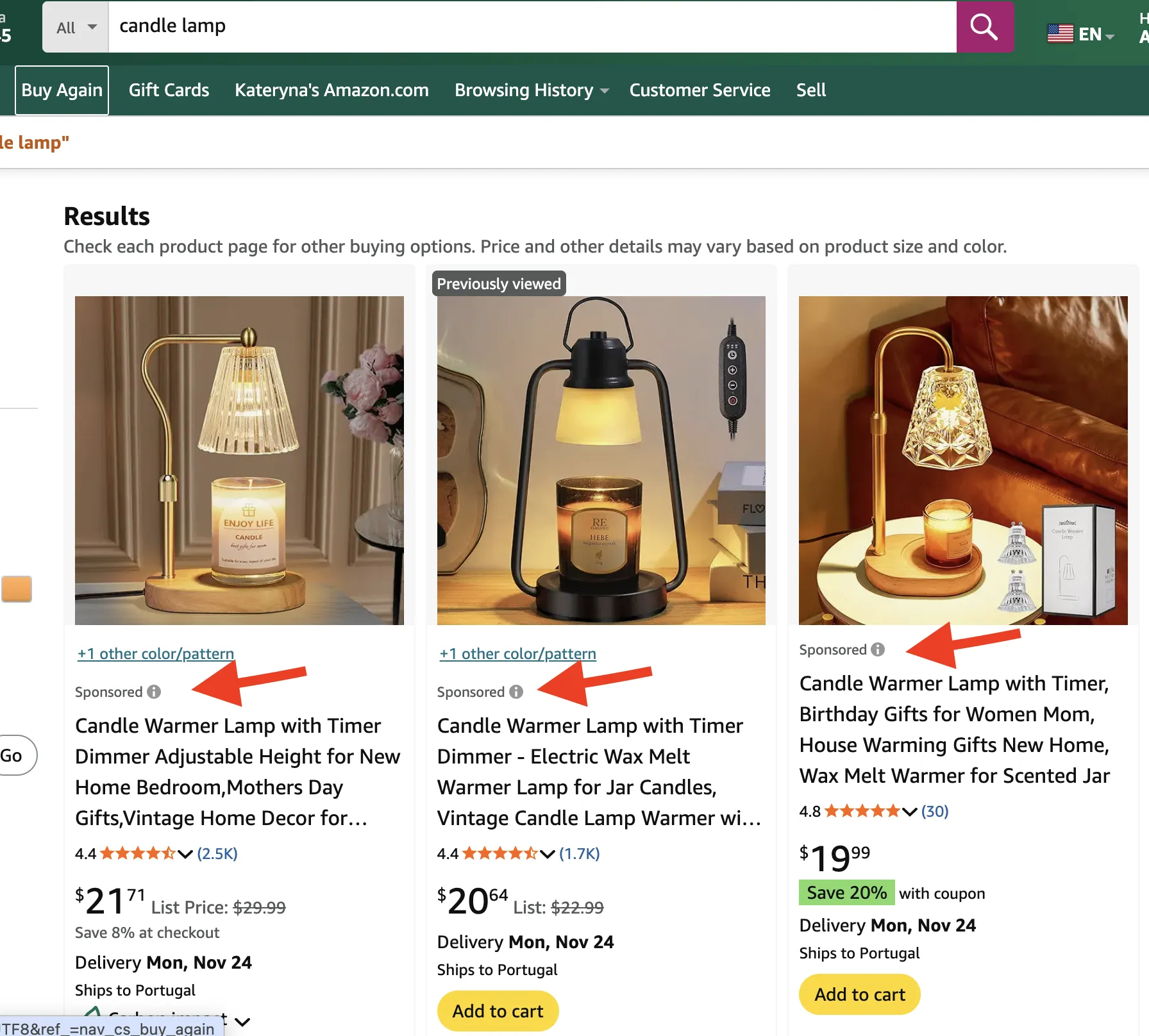
Ads with placement at the top of search results on Amazon
Business results: Every $1 spent on Amazon ads yields about $3.67 in sales for Sponsored Products, about $3.29 for Sponsored Brands, and about $1.60 for Sponsored Display.
“For many small brands, trying to turn a standalone website into the main sales engine is simply too expensive. Marketplaces already aggregate demand, trust, and logistics. The real game is to plug into that infrastructure and then use your own site and content to deepen the relationship, not to reinvent Amazon from scratch” — Aliaksandr Vlasenka, Head of Marketplace Growth at Netpeak
Tactic 3: Send SMS & Push Notifications
They’re irritating sometimes, but impossible to ignore. SMS lands right in the customer’s inbox, while push notifications pop up on their screen like, “Hey, remember me?”
And the truth is — they’re actually useful for customers. They remind people about offers, abandoned carts, or updates at the exact moment they need it. To make them work, use special e-commerce marketing tools like:
-
SMS marketing platforms — Klaviyo, Postscript, or Attentive
-
Push notification services — OneSignal, PushEngage, or Webpushr
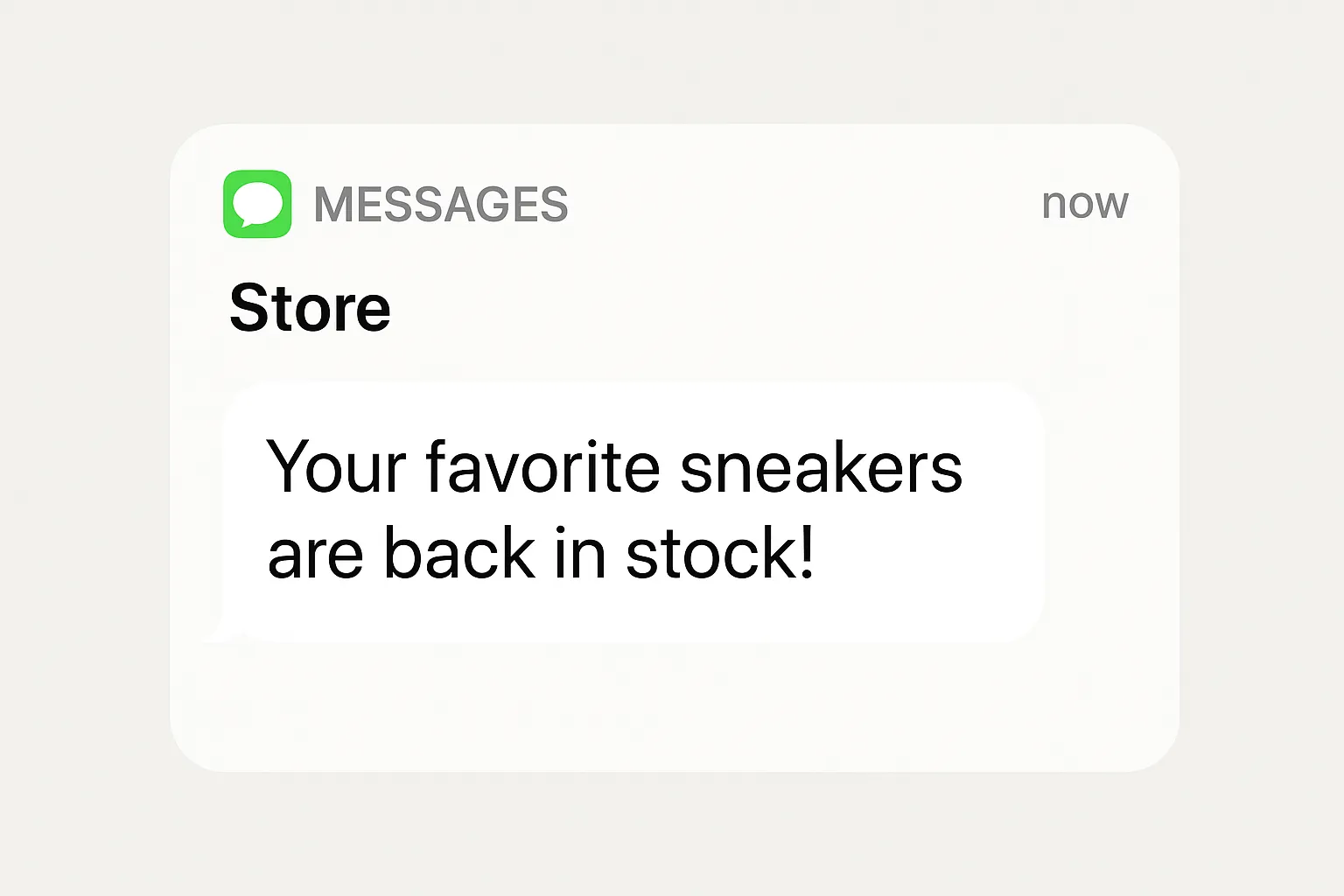
They’re helpful for scheduling messages, personalising content, and tracking results.
Business results: SMS marketing has 98% open rates, push notifications reaching up to 90%.
Tactic 4: Run an Affiliate Marketing Program
It’s like having a team of digital salespeople who you only pay when they bring a sale.
Affiliate marketing works through special links that track who sent the customer to you. When someone clicks an affiliate’s link and makes a purchase, the affiliate earns a small commission. It’s a win-win: you get more sales, and they earn money.
It’s easier to use special e-commerce marketing tools that track links, clicks, and sales — and pay commissions automatically:
Business results: Affiliate marketing drives 16% of all ecommerce sales, and 50% of consumers trust affiliates as much as personal recommendations.
Tactic 5: Run Google Ads Campaigns
When you use Google Ads, you pay only when someone clicks on your ad. Per-click PPC puts your business in front of people who are actively searching for what you offer and quickly drives potential sales.
To make it work, you need to target ads correctly, set a budget, and choose a bidding strategy.
Business results: On average, businesses earn $2 for every $1 spent on Google Ads.
Tactic 6: Upsell and Cross-sell
Upselling is basically you saying, “Hey, you clearly have great taste — want an even better version?” You guide a customer to buy a more premium or upgraded product they’re already interested in.
For example, someone adds a mid-tier leather handbag to their cart, minding their business. You show them the luxe version, and they start to think, “Well, maybe I do deserve nice things.”
Some UX-instruments you can use to do so in an online store:
-
Show a premium version directly on the product page: “You love this? Here’s the upgraded model.”
-
When a customer adds something to the cart, suggest a better version: “Before you check out… want the deluxe edition?”
-
Right after they click “Add to Cart,” show a pop-up with a more premium alternative.
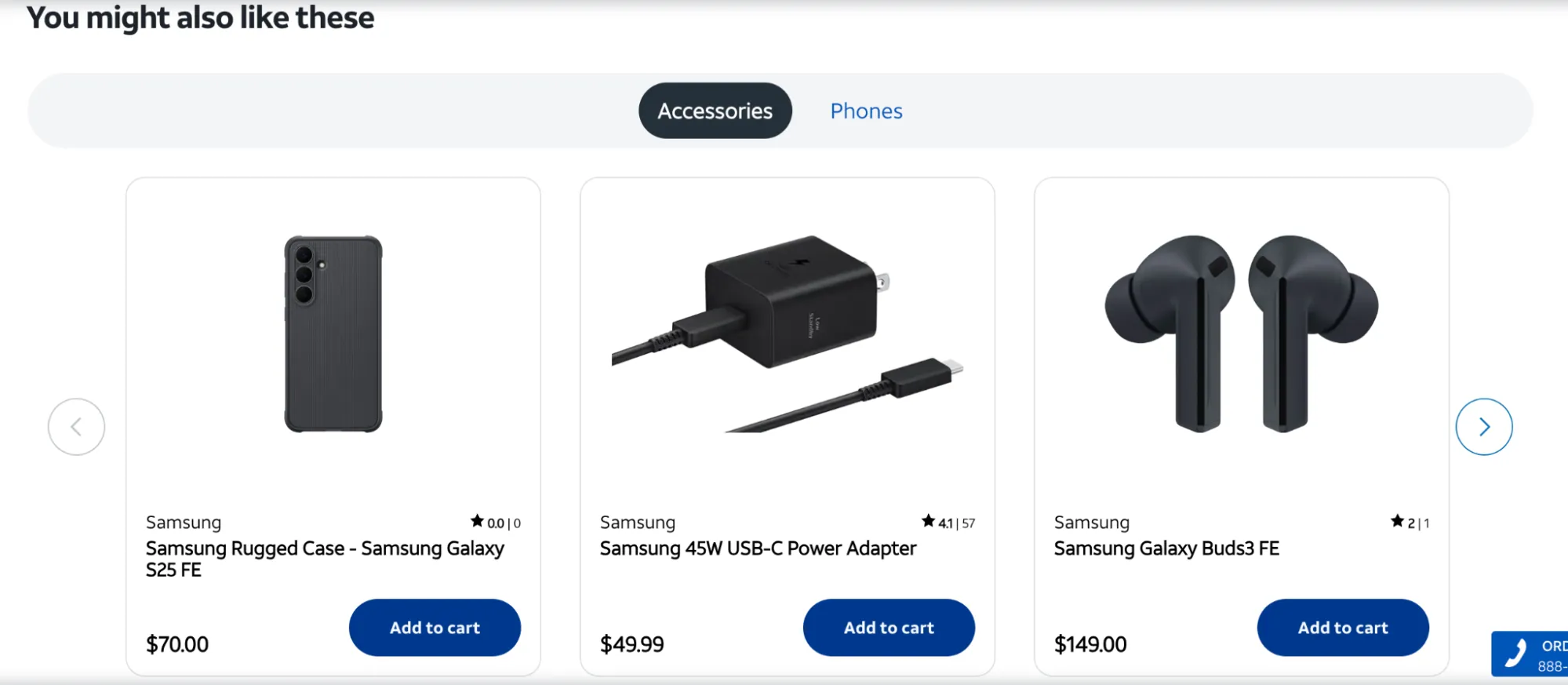
Cross-selling is when you suggest extra products that naturally go with the item the customer is already buying.
For example, someone grabs a new smartphone. You slide in with, “Nice choice! Want a case, a charger, and headphones so you don’t need to go shopping later?”
Ways to cross-sell in an online store:
-
Show matching or complementary items on the product page — like accessories for clothing or lenses for a camera.
-
Show “Customers Also Bought” recommendations and let algorithms display products commonly bought together.
-
Turn individual items into ready-made sets: Phone + case + power adaptor + headphones
Business results: Upselling and cross-selling could result in 42% more revenue.
Tactic 7: Reduce Abandoned Carts
An abandoned cart is when someone adds products to their online shopping cart but leaves without buying. Every abandoned cart is a lost sale.
Use gentle reminders — emails, push notifications, or small discounts — to encourage people to return and buy. Sometimes it’s as simple as “Your cart items are almost sold”.
Business results: Visitors abandon their carts without purchasing over 70% of the time. Less abandoned carts — more revenue.
Wait a Minute! 5 Things to Avoid in E-Commerce Marketing
E-commerce is great, unless you step on the same marketing rakes as everyone else. Here are five things to avoid and some e-commerce marketing tips on what to do instead.
-
Zero Personalization. People expect you to know them and to provide them with personalized recommendations, reminders, and offers. What to do: segment your audience, use AI-powered recommendation engines to tailor product suggestions, and write personalized emails.
-
Too Complicated Checkout. Long and unfriendly checkouts are responsible for up to 17% of cart abandonment. What to do: offer guest checkout, delete unnecessary fields, and support as many payment methods as you can.
-
Ignoring Customer Reviews. 79% of consumers trust online reviews as much as personal recommendations — but many stores forget to encourage or display them. What to do: automate review requests by email or SMS, display customer reviews (good and bad), and respond to everything politely.
-
Posting Randomly on Social Media. Inconsistent content is confusing, and your audience won’t know when to expect you. What to do: build a simple but consistent content calendar.
-
Not Tracking Your Metrics. Flying blind is not a strategy. You need an e-commerce marketing plan. What to do: track click-through rates, customer acquisition cost (CAC), return on ad spend (ROAS), email open/click rates, and abandoned cart data.
“If you don’t track numbers, you’re not doing marketing – you’re just posting on the internet and hoping for the best. Even a simple weekly dashboard with traffic, conversion rate, average order value, and repeat purchase rate can put you two steps ahead of most small e-commerce brands” — Aliaksandr Vlasenka, Head of Marketplace Growth at Netpeak
FAQ
What are the different types of e-commerce marketing?
E-commerce marketing includes SEO, social media, email marketing, content marketing, PPC ads, influencer collaborations, and loyalty programs — all working together to attract and retain customers.
What is the best e-commerce marketing strategy?
There’s no one-size-fits-all. The best strategy mixes different channels — like SEO for long-term growth, social media for engagement, and email for repeat sales — depending on your audience and goals.
Is e-commerce marketing effective for small businesses?
Absolutely. It levels the playing field by helping small brands to target audience, build trust, and compete with bigger players — often on a modest budget.
How do I know if my e-commerce marketing is working?
Track website traffic, average order value, and customer retention, and use conversion rate optimization. If your audience is growing and returning, your marketing is doing its job.

 0
0
 0
0
 0
0
 0
0
Related Articles
Local SEO for Home Service Companies: 8 Fool-Proof Ways to Reach Your Customers
When something breaks, people go straight to Google to find a plumber, an electrician, or a roofer right away. And local home services SEO is what makes sure you’re the one they find (and choose!) instead of your competitor.
Local SEO for Construction Companies Explained
If clients can’t find you online, they hire someone else. Learn how local SEO puts your construction business in front of ready buyers.
How to Market a Security Company in 2026?
Most security companies are invisible online. Here's how to fix that and turn your digital presence into a steady stream of qualified leads.