
10 E-Commerce Personalization Strategies (Step-by-Step Guides & Cases Included)
You know that slightly eerie feeling when a store seems to know exactly what you want before you do? That’s not magic — that’s personalization in e-commerce, and in 2026 it’s the single biggest lever separating stores that grow from stores that grind. What is e-commerce personalization, exactly? It's the practice of using customer data and behavior to deliver personalized shopping experiences unique to each visitor — and done well, it turns browsers into buyers, one-time shoppers into regulars, and a forgettable storefront into a brand people actually talk about.
- Why Personalization Is Worth Every Penny
- Why Your E-Commerce Business Needs Personalization
- How AI Is Changing Personalization in E-Commerce
- 10 E-Commerce Headaches That Personalization Can Cure
- 10 Best E-Commerce Personalization Strategies (Step-by-Step)
- Personalized E-Commerce in Practice: Brand Case Studies
- Why Does Multichannel Marketing Work Best?
- Customer Personalization in E-Commerce: Where to Start
- It's Personal (And That's the Whole Point)
- FAQ
Why Personalization Is Worth Every Penny
The e-commerce personalization stats help explain why it’s worth the hype and the investment:
-
80% of consumers say they’re more likely to buy from a brand that offers personalized experiences.
-
Companies that lead in personalization generate 40% more revenue than average.
-
Meanwhile, cart abandonment hovers around 70% industry-wide, and generic experiences are a big reason why.
Personalization is a powerful business tool now for better conversion, stronger retention, and more revenue. That’s why this guide covers the 10 best e-commerce personalization strategies, complete with step-by-step instructions and a practical framework for any budget and business stage. You'll also see real-world e-commerce personalization examples from top brands. To master e-commerce site personalization or fine-tune an existing setup, grab our 2026 digital e-commerce marketing guide to support your strategy.
Get your free e-commerce digital marketing consultation.
Why Your E-Commerce Business Needs Personalization
There are over 9.7 million Amazon sellers worldwide. Nine. Point. Seven. Million. Competing on price alone in that environment isn’t a strategy — it’s a slow bleed. Personalization is how brands compete on something competitors can’t just undercut: relevance.
Most sellers are trapped in an acquisition doom loop — paying to bring in new customers who buy once, vanish, and never think about them again. Personalization for e-commerce breaks that cycle. It's a retention strategy built on customer behavior data that makes every visit feel intentional, builds brand loyalty, and increases lifetime value without touching the ad budget. The benefits of personalization in e-commerce compound over time in ways that discount campaigns simply don’t.
Here’s what consistent, well-executed personalized e-commerce delivers:
-
Higher conversion rates — personalized recommendations can account for up to 26% of total e-commerce revenue
-
Lower cart abandonment — triggered, personalized emails recover 5%–10% of abandoned carts
-
Smarter marketing spend — targeted campaigns consistently outperform generic blasts
-
Stronger customer engagement and brand loyalty — customers who feel understood are significantly more likely to make repeat purchases
-
Better customer satisfaction and lifetime value — personalized post-purchase experiences extend the relationship well beyond the first transaction
-
More effective personalized marketing — targeted marketing campaigns and personalized offers consistently outperform generic blasts
Amazon, Netflix, and Spotify have spent years conditioning people to expect tailored customer experiences. By 2026, personalization is the baseline.
How AI Is Changing Personalization in E-Commerce
E-commerce personalization is moving beyond rule-based systems like “customers also bought” widgets. Predictive AI engines can now anticipate shopper intent and deliver customized content and personalization tactics at scale. Just a few years ago, that level of execution would have been nearly impossible to manage manually.
The result is a more relevant shopping experience and a more effective personalization strategy. Our guide to AI agents for e-commerce covers the full landscape — here’s the short version of what AI-powered e-commerce personalization looks like today.
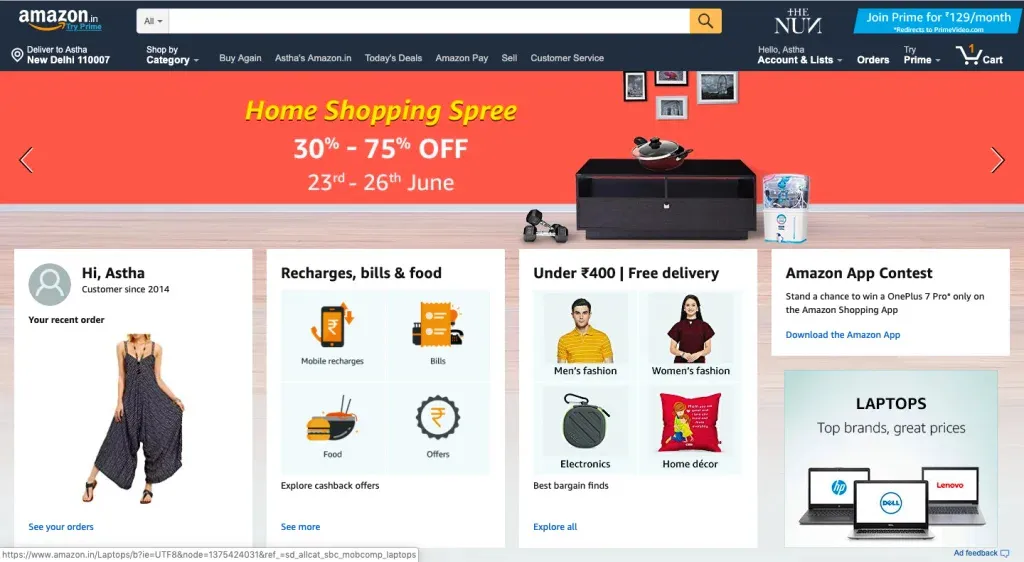
Modern recommendation engines analyze multiple behavioral signals to generate relevant product suggestions, including:
-
Browsing behavior
-
Dwell time
-
Device type
-
Location
-
Time of day
-
Micro-interactions like hovers and scroll depth
Dynamic Content Based on Live Behavior
Your homepage can now serve up customized content in real time based on what a visitor is doing right now. A shopper who’s been browsing running shoes for 10 minutes sees a different hero banner than someone who just landed from a “best winter coats” search query.
Conversational Commerce
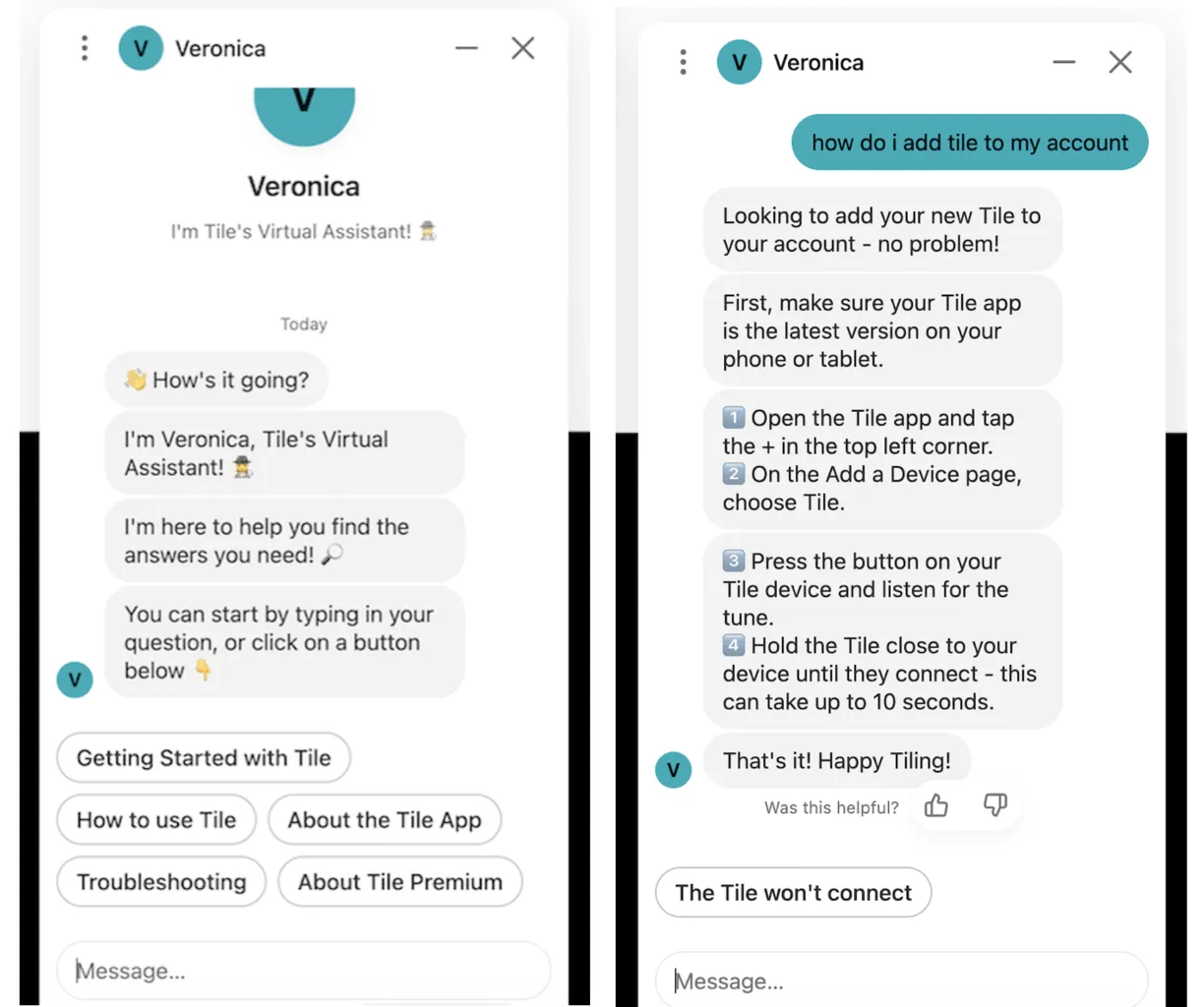
AI chatbots are now capable of asking the right questions, understanding context, and guiding shoppers to the right product. In practice, it’s commerce personalization at scale — like a personal shopper available 24/7, no commission required.
For example, a chatbot might ask questions like:
-
“What are you shopping for today?”
-
“Do you have a budget in mind?”
-
“Is this for everyday use or a special occasion?”
-
“Do you prefer a particular brand or material?”
Intent Prediction
AI can predict purchase intent with surprising accuracy by analyzing behavioral patterns. A customer who views a product three times, adds it to a wishlist, then looks at the returns page? That’s a high-intent signal worth acting on with e-commerce product personalization, like a well-timed, tailored offer.
Omnichannel Consistency
AI helps maintain consistent, personalized experiences across email, SMS, social media, app push notifications, and in-store touchpoints. The customer browsing your app on the train should find their cart waiting when they open their laptop later. Our piece on different types of digital channels explains how to connect them effectively.
Intelligent Timing
AI analyzes when individual customers are most likely to engage and buy — then triggers communications at that exact moment. No more blasting a “20% off” email at 4 a.m. to someone in a different time zone.
10 E-Commerce Headaches That Personalization Can Cure
Before we get tactical, let’s talk about the actual problems you’re probably dealing with. Read through these to see how many make you wince.
1. Large Catalogs — Discovery Problems
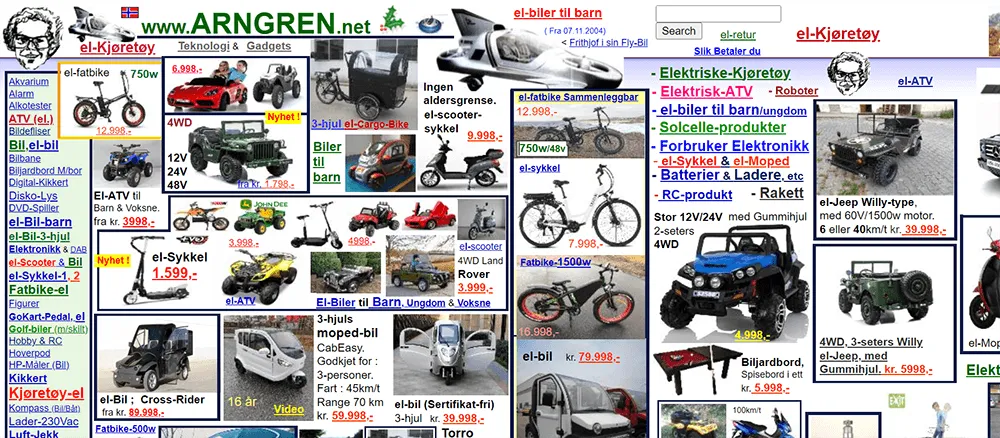
When you have thousands of ASINs, finding the right product can feel like looking for a needle in a very expensive haystack. Personalized navigation, search results, and category pages get customers to the right place faster — before frustration sends them to a competitor.
2. Choice Overload
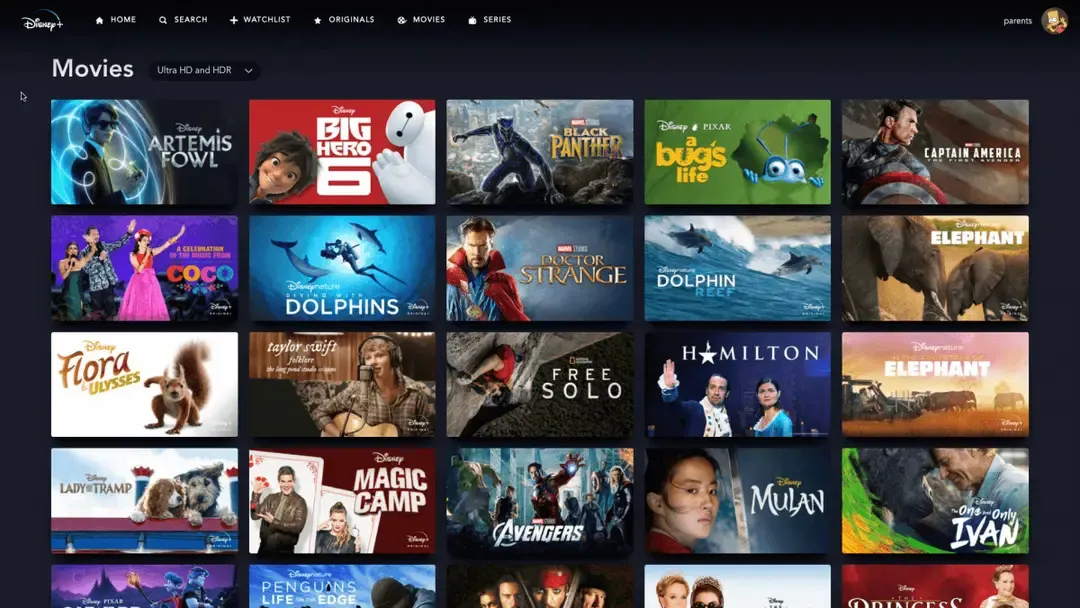
Psychologists have a name for this: the paradox of choice. More options, more paralysis. Curated, personalized recommendations reduce the number of decisions customers have to make.
3. Irrelevant Products
Showing leather bags to a vegan customer is a quick way to make them stop considering your brand. Preference-based filtering and behavioral data keep product feeds relevant and trust intact.
4. Generic Product Descriptions
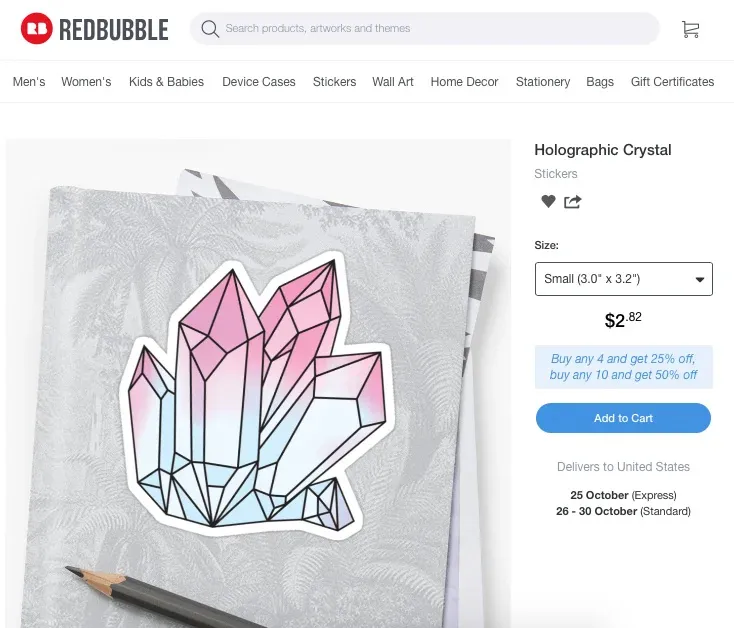
Personalization and customization in e-commerce can extend all the way to how you describe your products. E-commerce customization at the copy level means a cyclist and a casual commuter searching for a bike lock see descriptions that speak to their specific needs, because dynamic product copy adapts to the known user persona.
5. Mismatched Expectations
When a paid ad landing page doesn’t deliver on what the ad promised, bounce rates spike like crazy. Personalized landing pages create consistency between the promise and the experience.
6. One-Time Buyers
Acquisition is expensive. The real money is in retention. Personalization for e-commerce turns one-time buyers into repeat customers through tailored post-purchase communication.
7. No Emotional Connection
Customers in 2026 are more socially aware and brand-conscious than ever. Generic messaging doesn’t land. Personalization lets you speak to specific customer values — sustainability, community, inclusivity — based on what you know about each segment.
8. Discounts Being the Only Lever
Running perpetual sales to move products is a slow way to go out of business. Personalization in e-commerce lets you compete on something discounts can’t buy: the feeling that your brand actually gets them. Customers who feel understood spend more — full stop.
9. Content That Isn’t Localized
Currency, language, cultural references, seasonal relevance — these all matter. Geo-based personalization ensures that a customer in Miami sees something very different from a customer in Minneapolis in January.
10. Inconsistent Cross-Channel Experience
If your email says one thing, your website says another, and your ads say a third, customers are going to notice. Omnichannel e-commerce personalization creates a seamless, consistent experience that builds trust across every touchpoint.
10 Best E-Commerce Personalization Strategies (Step-by-Step)
Here are 10 of the best personalization for e-commerce tactics that work — each with step-by-step guidance so you're not left staring at a blank screen wondering where to start.
Strategy 1: Behavioral Product Recommendations
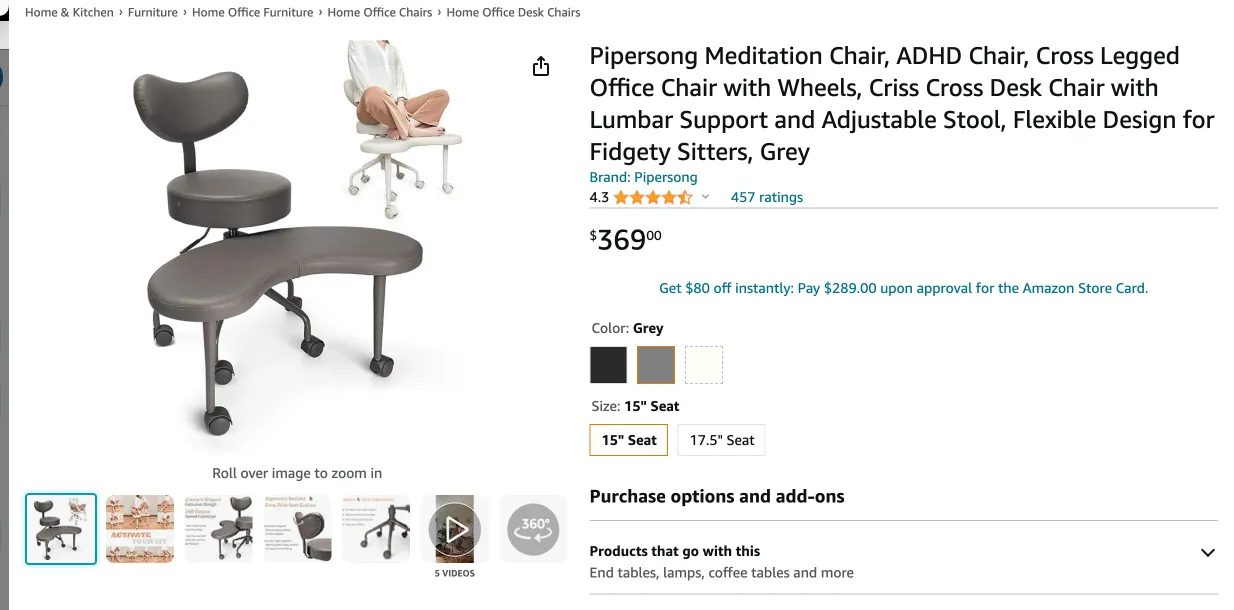
This is the bread and butter of e-commerce personalization, and still one of the highest-ROI moves you can make. Show shoppers related products based on their own browsing history, purchase behavior, and what they’re doing on your site right now.
-
Install a recommendation engine (Dynamic Yield, Nosto, or Clerk.io)
-
Connect it to your product catalog and customer data platform
-
Deploy recommendation widgets on the homepage, product pages, cart page, and post-purchase confirmation
-
A/B test recommendation logic: collaborative filtering vs. content-based vs. trending
-
Analyze click-through and conversion rates by placement and refine every quarter
Business result: Product recommendations drive e-commerce revenue, clicks, raise order value, and convert browsers into buyers.
Strategy 2: Personalized Email Campaigns
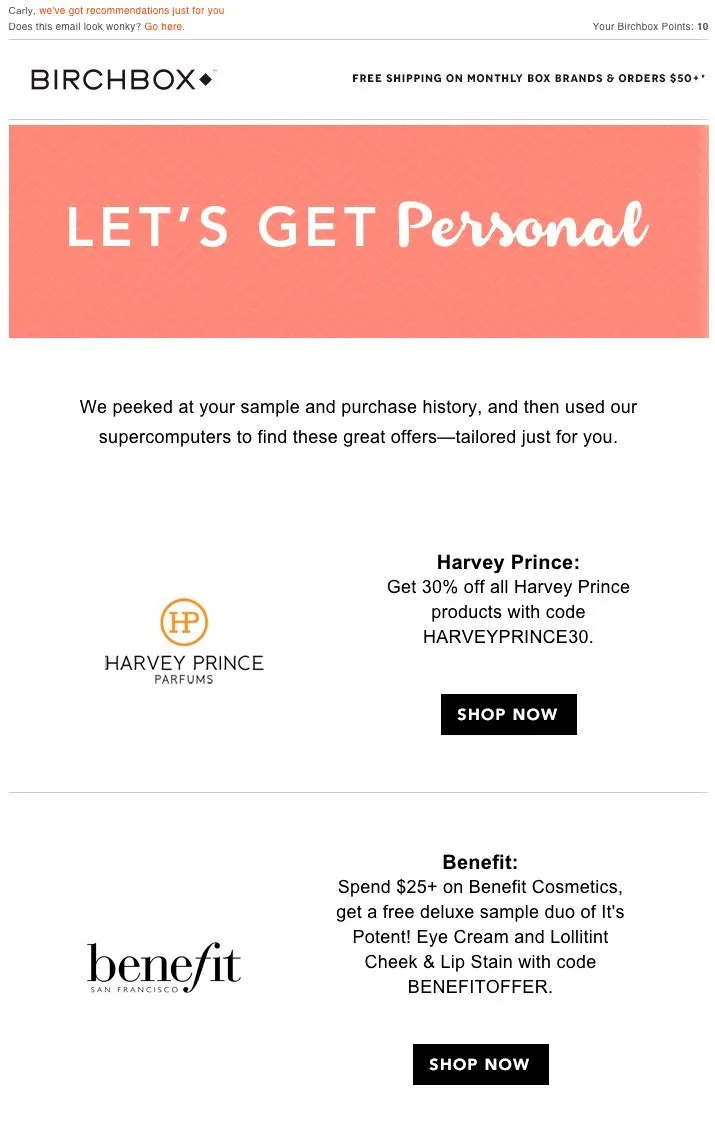
Generic email blasts are dead. RIP. Behavioral triggers and segment-specific content drive dramatically higher transaction rates than batch-and-blast marketing campaigns. Pay attention to personalized marketing that speaks to each subscriber's actual behavior to make a difference.
-
Segment your list by purchase behavior, browsing history, lifecycle stage, and stated preferences
-
Set up triggered flows: welcome series, browse abandonment, cart abandonment, post-purchase, and win-back
-
Personalize subject lines, product recommendations, and content blocks within each flow
-
Use send-time optimization to reach each contact at their individual peak engagement time
-
Test, measure, and iterate every 60–90 days
Business result: Personalized marketing campaigns typically see higher click-through rates, stronger customer relationships, and better conversion performance.
Strategy 3: Dynamic Landing Pages
Match the landing page experience to the specific ad, keyword, or referral source that brought the visitor in.
-
Identify your top paid and organic traffic sources
-
Build variant landing pages for each major source or audience segment
-
Use URL parameters or UTM tracking to serve the right variant automatically
-
Ensure consistent messaging between the ad creative and the landing page hero
-
Monitor bounce rate and conversion rate per variant and optimize continuously
Business result: When a landing page instantly mirrors a visitor’s specific intent or behavior, you eliminate "catalog fatigue," so they don’t have to hunt for what they want and can move straight to checkout.
Strategy 4: Personalized On-Site Search
Site search is one of the highest-intent experiences on your store, which makes it a sweet spot for personalization tactics. Personalizing results based on each user’s history makes a meaningful difference to conversion rates.
-
Upgrade to an AI-powered search solution (Athos Commerce or Doofinder)
-
Configure it to weight results based on the shopper’s purchase and browse history
-
Add personalized “you might also like” results alongside standard search returns
-
Monitor zero-results searches and use them to identify catalog gaps
Business result: Visitors who use site search are far more likely to convert, with conversion rates often nearly 2× higher than those who don’t.
Strategy 5: Loyalty Programs With Personalized Rewards
A loyalty program that gives everyone the same rewards rarely builds real loyalty. Personalized milestones and behavior-triggered offers make loyalty programs feel more relevant to each customer.
-
Segment your members by purchase frequency, average order value, and category affinity
-
Create tier-specific and behavior-triggered reward offers
-
Personalize the loyalty dashboard so each individual customer sees their own progress and next milestone
-
Send “you’re this close” messages at strategic moments in the customer journey — when they are one purchase away from a reward
Business result: 7 in 10 consumers spend more with brands that make rewards feel personal and that loyalty compounds into long-term engagement.
Strategy 6: Geo-Based and Seasonal Personalization

Location and season dramatically affect what customers want, especially in fashion, where climate and timing influence everything from fabrics to product demand. Use this data to make every visit feel locally and temporally relevant, elevating overall shopping experiences.
-
Capture visitor location data via IP detection or user-provided input
-
Build customized content and product feed rules based on geography and season
-
Adjust homepage banners, featured categories, and promotional offers accordingly
-
Plan geo-specific marketing campaigns 6–8 weeks ahead of key seasonal dates in each market
Business result: Nearly 90% marketers get better ROI from targeting where customers are than who they are.
Strategy 7: On-Site Behavioral Targeting
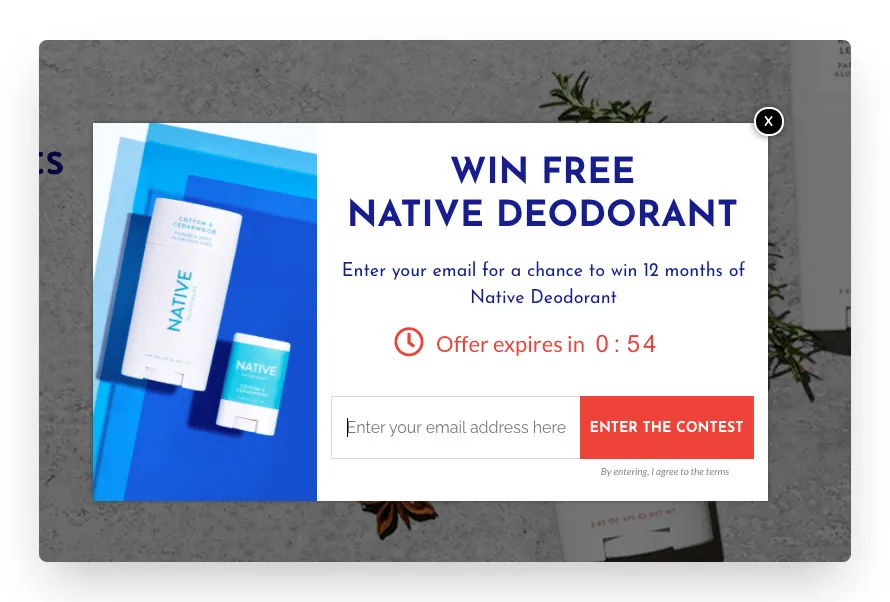
Pop-ups have a bad reputation, and they deserve it … when they’re random. Behavior-triggered overlays that appear at the right moment for the right person are a completely different animal. Here’s how to be the latter.
-
Define your key customer behavior triggers: exit intent, time on page, scroll depth, pages visited
-
Map triggers to relevant personalized messages or offers
-
Deploy with tools like Optimonk or Privy — no dev resources required
-
Set frequency caps so the experience feels helpful, not intrusive
Business result: Tracking user behavior and serving relevant content, offers, or recommendations increases engagement and conversion. Brands using on-site behavioral targeting often see significant uplift in click-through rates, time on site, and conversions, sometimes up to 20% or more.
Strategy 8: Post-Purchase Personalization
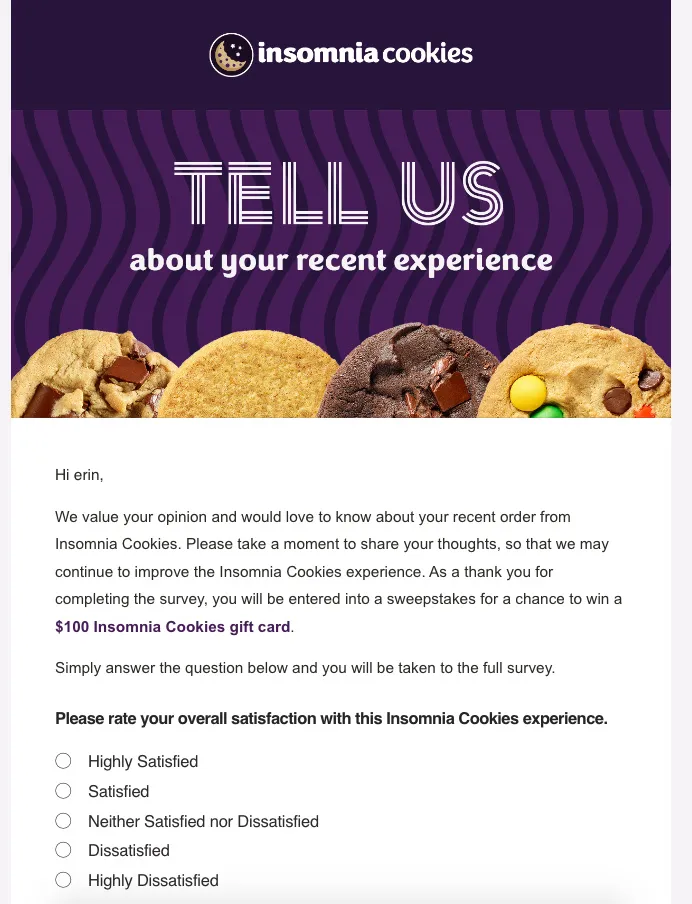
Most brands wave bye-bye the moment a customer checks out. That’s a massive missed opportunity. The post-purchase window is when brand loyalty is highest, and a customer is most open to your next move — make it count.
-
Send a personalized order confirmation with complementary product recommendations
-
Create product onboarding content based on what was purchased
-
Time a replenishment reminder email based on the product’s typical use cycle
-
Request a review after the customer has had meaningful time with the product — not the day it arrives
Business result: Tailoring post-purchase messages, product recommendations, or cross-sell offers drives repeat purchases and loyalty.
Strategy 9: Personalized Social Proof
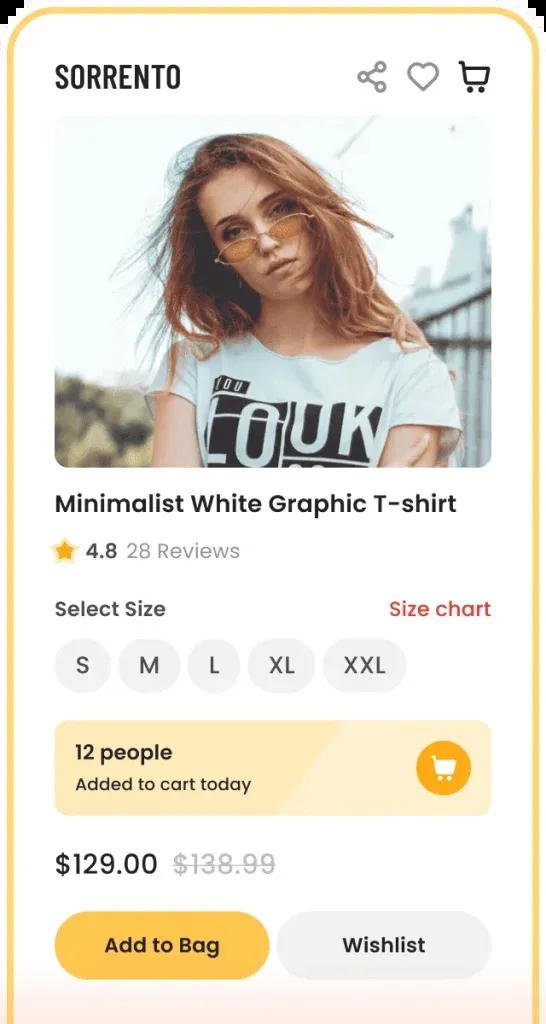
Social proof hits harder when it’s relevant. Showing reviews from customers who match the current visitor’s profile makes testimonials feel like personal recommendations.
-
Tag your reviews by customer type, use case, or demographic group
-
Configure your review display to surface the most relevant reviews for each visitor segment
-
Use dynamic testimonial blocks that update based on the visitor’s profile
Business result: Tailored reviews, ratings, or recommendations increase trust and nudge hesitant customers. Businesses implementing social proof often see add-to-cart rates up to 15% lift in conversions.
Strategy 10: Conversational Commerce and AI Chat
Deploy AI-powered chat to guide shoppers, answer questions, and recommend products in a natural, personalized way. Done well, it’s customer service that scales — available 24/7, never has an off day, and gets smarter with every interaction.
-
Train it on your product catalog, FAQs, and brand voice
-
Build flows for high-value use cases: gift finder, size guide, product comparison
-
Feed chat interaction data back into your CRM and customer profiles to enrich future personalization
Business result: For higher conversion rates, faster response times, and increased customer satisfaction, conversational commerce and AI chat combo is your darling.
Personalized E-Commerce in Practice: Brand Case Studies
Enough theory. Here are real customer stories and personalization examples from four brands you’ve definitely heard of — and what you can steal from each of them.
Enough theory. Here are real customer stories and personalization examples from four brands you’ve definitely heard of — and what you can steal from each of them.
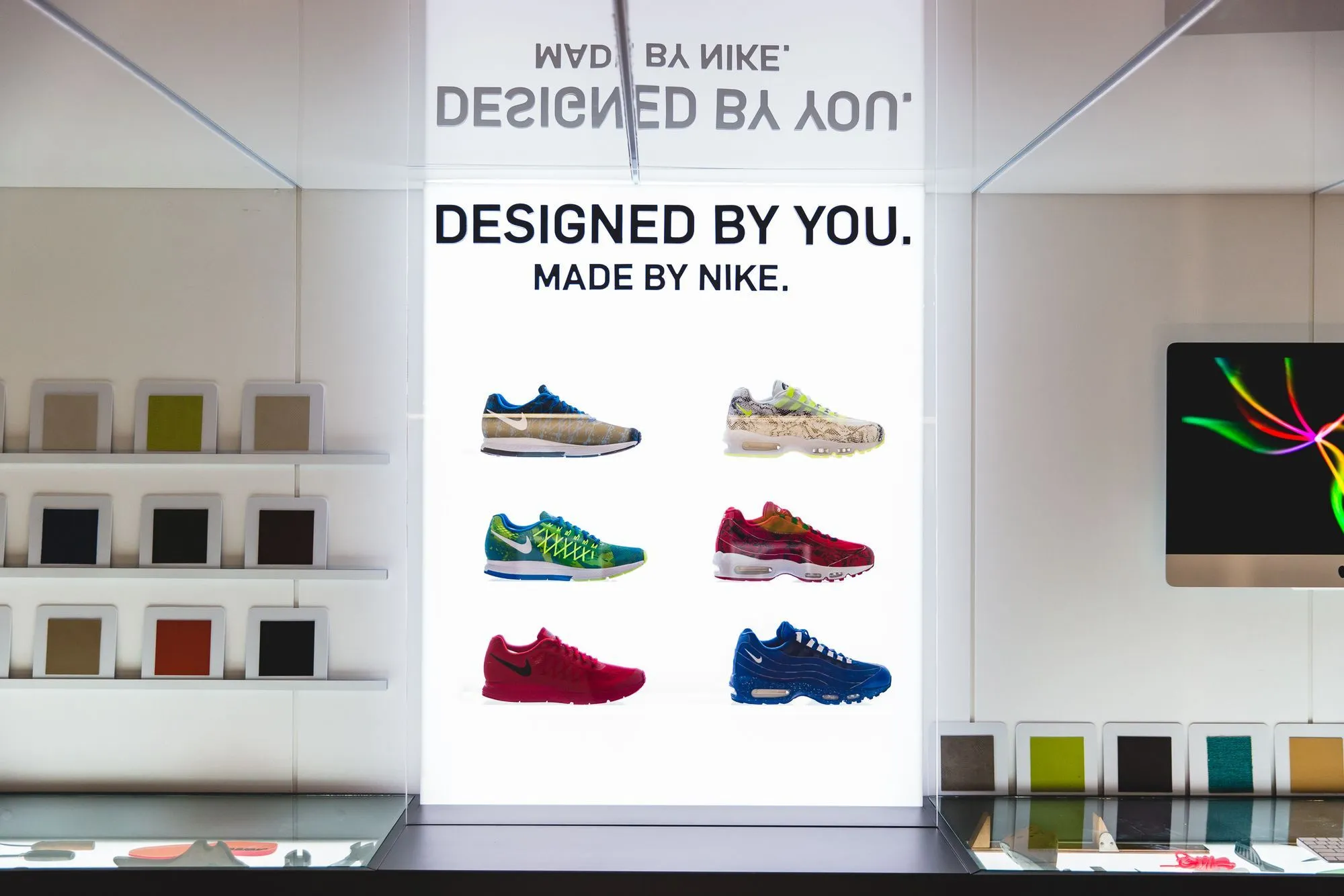
Nike: The Membership-as-Personalization-Engine Approach
Nike’s personalization strategy goes far beyond product recommendations. Through NikePlus, the brand collects detailed behavioral and preference data and uses it to give members:
-
Early product access based on purchase history
-
Workout recommendations through Nike Run Club activity data
-
Exclusive product drops for specific member segments
-
Personalized content and training guidance
Nike’s direct-to-consumer channel, powered significantly by e-commerce personalization trends, grew to represent over 40% of total revenue.
Key takeaway: Customers notice the difference between real personalized loyalty programs and discount tactics. Lasting relationships come from consistent experiences across every touchpoint.
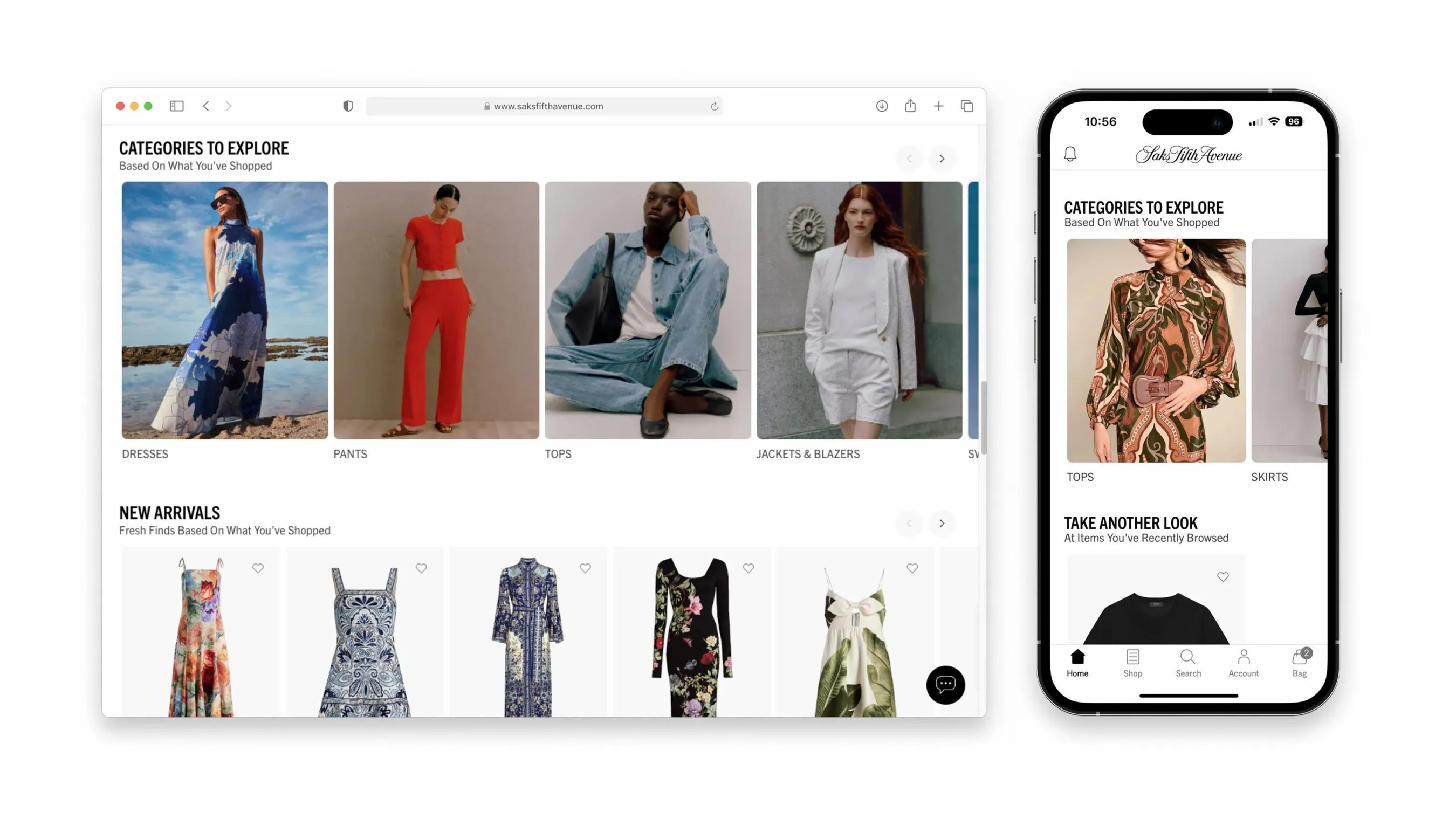
Saks Fifth Avenue: Personalization That Reflects Brand Tier
Saks deployed an AI-powered personalization engine across its digital properties to solve a luxury-specific problem: high-end customers expect to feel uniquely catered to, even when shopping online at scale.
To deliver that level of service digitally, the platform personalizes the shopping experience in several ways:
-
Homepage layouts, product rankings, and email recommendations adapt dynamically for each individual customer
-
Predicted purchase intent and browsing behavior shape what products and content appear first
-
Machine learning continuously refines recommendations using signals like product views, page visits, and past purchases
-
High-value shoppers receive white-glove digital experiences, including curated looks, tailored product suggestions, and invitations to exclusive events
The changes translated directly into performance gains:
-
The new personalized homepage delivered a 7% increase in revenue per visitor
-
Conversion rates improved by nearly 10%
Key takeaway: Personalization efforts should feel native to your brand voice. The right tone matters as much as the right product.
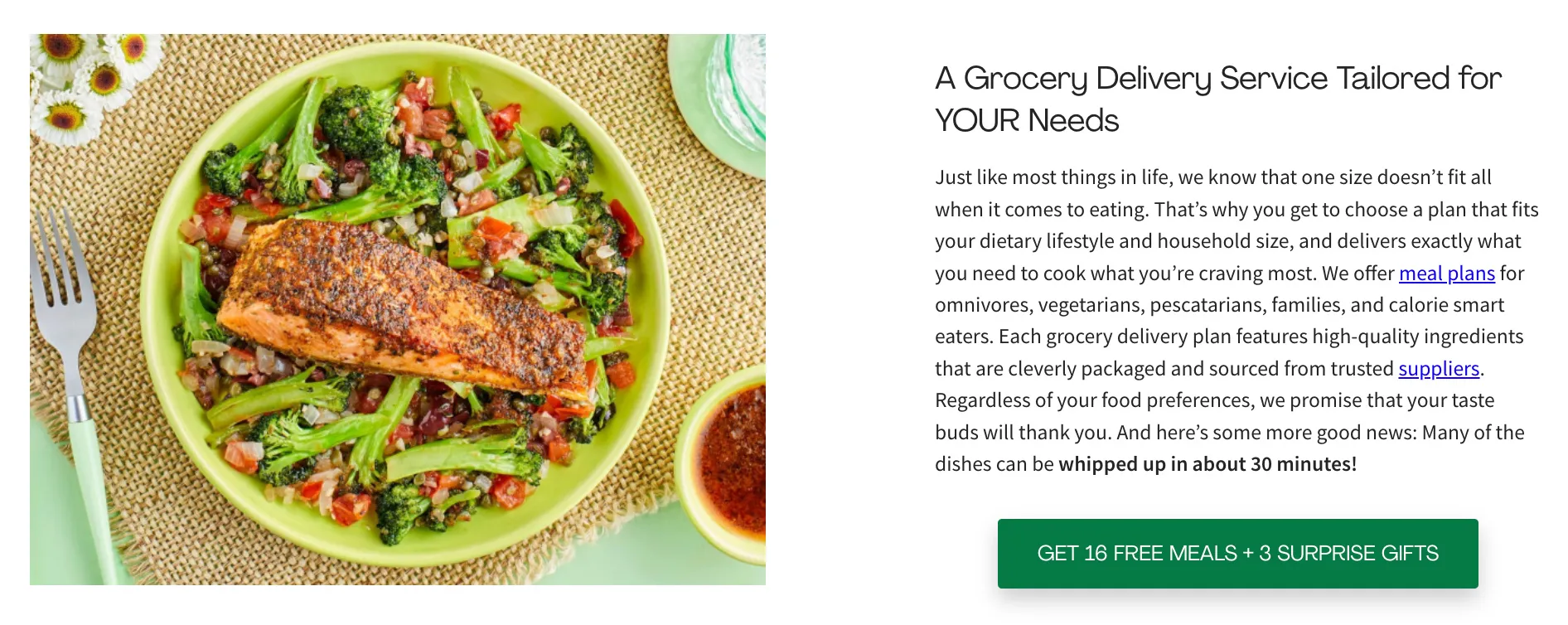
HelloFresh: Using Data to Fight Subscription Fatigue
HelloFresh faces a brutal retention challenge — subscription fatigue is real. Their response was to make the product more personalized by using customer data to shape each subscriber’s weekly menu.
The company applies personalization at several points in the customer experience:
-
Meal ratings, dietary preferences, and seasonal behavior help dynamically curate each customer’s weekly menu
-
Recipe development and menu ranking are adjusted so customers see meals aligned with their tastes
-
Predictive churn models identify subscribers at risk of canceling
-
Personalized win-back campaigns highlight the types of meals customers previously rated highest
This approach to personalized e-commerce has been credited with impressive results:
-
Retention rate increased by 18%
-
40% weekly growth in customers choosing personalized menu options
-
More repeat purchases and stronger ongoing engagement
Key takeaway: Subscription businesses fight churn with relevance. Every skip, rating, and piece of feedback is a signal. Use them to keep the experience fresh, or lose the renewal.
Warby Parker: Omnichannel Personalization Done Right
Warby Parker built a seamless bridge between their online and in-store experiences.
How their omnichannel personalization works:
-
The Home Try-On program captures rich preference data that feeds personalized product recommendations online
-
Store associates can access customers’ browsing history, saved frames, and past purchases
-
In-store visits extend the digital journey instead of restarting it
-
After store visits, customers receive personalized follow-ups tied to the frames they tried on
This is omnichannel personalization at its most effective, and a masterclass in using all available data to blur the line between digital and physical retail. Proofs include:
-
90% of in-store shoppers had previously interacted with the website
-
30–50% of store customers likely wouldn’t have purchased through e-commerce alone, showing the power of connected channels
-
Personalized communications helped drive higher repeat purchases and customer engagement
Key takeaway: If you have both online and offline touchpoints, your personalization data should flow freely between them. Customers should never need to re-introduce themselves when they switch channels.
Why Does Multichannel Marketing Work Best?
Customers who engage across multiple digital channels have a 30% higher lifetime value than single-channel customers. And campaigns using three or more channels see purchase rates nearly four times higher than single-channel campaigns.
Your customer journey does not happen in one place. A shopper might discover you on Instagram, research on Google, compare prices in your app, buy on desktop, and leave a review on their phone later that night.
That is where a single-channel personalization strategy falls short. It personalizes one touchpoint, but leaves the rest of the journey disconnected.
Multichannel personalization works because it creates continuity. The cart started on mobile is still there on desktop. The recommendation reflects what the customer just browsed. The message stays consistent from channel to channel.
To the customer, that feels seamless. To the business, it means more conversions, stronger retention, and higher lifetime value. For a grounding in how all this fits together, our overview of digital marketing is worth reading.
Channel Pairing by Budget and Business Context
|
Business Context |
Primary Channel |
Best Pair |
Personalization Focus |
|
DTC startup / small budget |
|
SMS |
Cart recovery, welcome series, behavioral triggers |
|
Mid-market / growth stage |
Paid social |
Email + on-site |
Dynamic ads, personalized landing pages, and browse retargeting |
|
High-ASIN / marketplace seller |
On-site search |
Email + loyalty |
AI search, recommendation engine, tiered loyalty rewards |
|
Subscription model |
|
In-app + SMS |
Churn prediction, preference-based curation, win-back flows |
|
Luxury / high-AOV brand |
Email/concierge |
Personalized content + social |
VIP experience, editorial curation, exclusive access |
|
Omnichannel (online + physical) |
In-store + app |
Email + paid |
Unified customer profile, cross-channel data sync, geo triggers |
Customer Personalization in E-Commerce: Where to Start
To lay out my perspective as exhaustively as possible, personalization in e-commerce is a core growth driver that directly impacts conversion, retention, and customer lifetime value. Brands that use behavioral data, AI recommendations, and multichannel personalization can reduce cart abandonment and turn one-time buyers into loyal customers. The key is to start with one clear business problem, implement focused personalization tactics, and continuously optimize based on real customer data.
You’re convinced. Now what? The good news is that you don’t need to overhaul everything at once. Here’s a practical framework for getting started without losing your mind or your budget.
Step 1: Define What You Need Personalization For
Start with your single biggest pain point — cart abandonment, low repeat purchase rates, poor product discovery — and focus your first personalization efforts on fixing that.
Step 2: Segment Customers and Build Separate Targeting Strategies
Group customers by behavior: new visitors, returning shoppers, high-value buyers, and lapsed customers. Each group needs a different message, offer, and experience. Our guide on e-commerce marketing strategy covers practical segmentation approaches in detail.
Step 3: Map Out Customer Journeys
Look at the full path from first visit to post-purchase. Find the points where people drop off, hesitate, or lose interest, and decide where personalization can remove friction or add value.
Step 4: Split Your Funnels Into Logical Stages
Do not treat every visitor the same. Top-of-funnel users need discovery and trust, mid-funnel users need relevance, and bottom-of-funnel users need a reason to convert.
Step 5: Avoid the One-Site-Fits-All Approach
Your homepage, category pages, product pages, and checkout should all adapt based on who’s visiting. For SEO best practices that complement this kind of segmentation, see our guide on e-commerce SEO for relevant leads.
Step 6: Interpret Data Correctly
Customer data is only useful if you interpret it correctly. Look for patterns, but do not confuse correlation with intent. Build personalization around real behavior, not assumptions.
Step 7: Invest in the Right Tools and Expertise
Effective personalization needs the right setup: a customer data platform, recommendation engine, email platform with behavioral triggers, and analytics. If you’re a wellness brand, our e-commerce SEO playbook for wellness brands covers the tool landscape well. For a full-service partner, Netpeak’s digital strategy team can build and execute the whole thing.
Step 8: Measure, Evaluate, Fix, Iterate
Track the metrics that show business impact: conversion rate, cart abandonment, average order value, repeat purchase rate, and lifetime value. Review results regularly and keep refining what works.
For brands in the beauty and fashion space specifically, our guide on digital marketing for beauty brands covers how to apply personalization within a highly visual, trend-driven category.
It’s Personal (And That’s the Whole Point)
E-commerce personalization in 2026 isn’t a feature — it’s the foundation. Every sustainable growth strategy runs through it: recovering abandoned carts, converting one-time buyers into regulars, and making your brand feel like it was built for each individual customer rather than a crowd of strangers.
Brands that succeed with personalization start focused, learn quickly, and keep improving. Fix your biggest pain point, then build from there. Over time, the results add up.
FAQ
Is e-commerce personalization here to stay?
Absolutely, and it’s only going to deepen. As AI capabilities expand and customer data becomes richer, the possibilities for personalized e-commerce grow exponentially. Brands that master it now will have a compounding competitive advantage. Every current trend in e-commerce personalization points in the same direction: more of it, not less.
If my business isn’t new, is it too late to integrate personalization?
Not at all. Established businesses have a significant advantage: existing customer data. Unlike a new store starting from scratch, you already have purchase history, browsing behavior, and customer feedback to work with. That means your personalization engine can get smart faster. The best time to start was when you launched. The second-best time is now. If you'd like to explore e-commerce SEO strategies in more detail and see how they can help, check out the resources in our e-commerce SEO resource hub.
Who can help me draft an e-commerce personalization plan?
A digital marketing agency with proven e-commerce expertise can audit your current setup, identify your biggest personalization opportunities, and build a road map tailored to your budget and goals. At Netpeak digital marketing services, we’ve worked with brands across fashion, beauty, wellness, and marketplace retail to implement e-commerce personalization strategies that move real metrics.
When will personalization pay off?
Quick wins, like behavioral email flows and cart abandonment campaigns, can show results within 30–60 days. More sophisticated deployments like AI-powered recommendation engines or full CDP implementations typically show significant ROI within 3–6 months.

 0
0
 0
0
 0
0
 0
0
Related Articles
5 Questions to Expose an Amazon Agency That Can’t Handle Pet Brands
A field guide for CMOs who are tired of getting sold smoke and mirrors — and want an agency that actually understands the difference between a kibble and a kernel.
2026 E-commerce Scaling Guide: Boost Your Revenue Manyfold
Ready to scale your e-commerce business? This guide covers the strategies, systems, and metrics for growing revenue without increasing costs.
SEO for Contractors: Tips and Strategies for 2026
Your freedom as a contractor comes at a high price: you need to find your own jobs. That's what SEO for contractors helps you with.