
How Clothing Brands Can Use Retro Marketing for Positive Reminiscences
Nostalgia marketing definition is the strategic practice of aligning a brand with iconic imagery, sounds, or feelings from previous decades to evoke a sense of comfort and belonging in modern consumers. It’s the reason you still remember the undeniable swagger of stepping out in a brand-new pair of wide-leg jeans in 1999. That’s why apparel brands are looking backward to move their revenue forward.
More than 50% of consumers state they are highly likely to make a purchase simply because a brand makes them feel nostalgic for the past.
So, what is nostalgia marketing, exactly? At its core, this approach is the strategic alignment of your brand with things from the past to evoke fond memories and positive associations. When breaking down the true nostalgia marketing definition, it is essentially using familiar cultural concepts to build immediate emotional trust.
According to a landmark study by the Harvard Business Review, customers who feel a strong "emotional connection" to a brand are 52% more valuable than those who are merely "highly satisfied”.
If you want to master nostalgia as a marketing tool, you need much more than just slapping a vintage grain filter on an Instagram post. Turning those vintage vibes into checkout clicks takes serious strategy, which is why brands usually let a fashion digital marketing agency handle the heavy lifting.
But first, let’s dive into a comprehensive playbook for building effective retro marketing strategies that actually convert.
Psychological Aspects of Nostalgia Marketing
Why do we love the past so much? Because in hindsight, the past always looks flawless. Nostalgia in marketing taps directly into the human psyche. Feeling nostalgic decreases our desire for money and increases our willingness to spend it.
Here are the psychological triggers that make this work:
-
The Feeling of Familiarity: In a fast-paced world driven by artificial intelligence and constant business technology updates, familiarity feels like a warm blanket.
-
Strong Loyalty: When a clothing brand successfully references a consumer’s youth, it bypasses traditional logic and builds an instant, emotional brand loyalty.
-
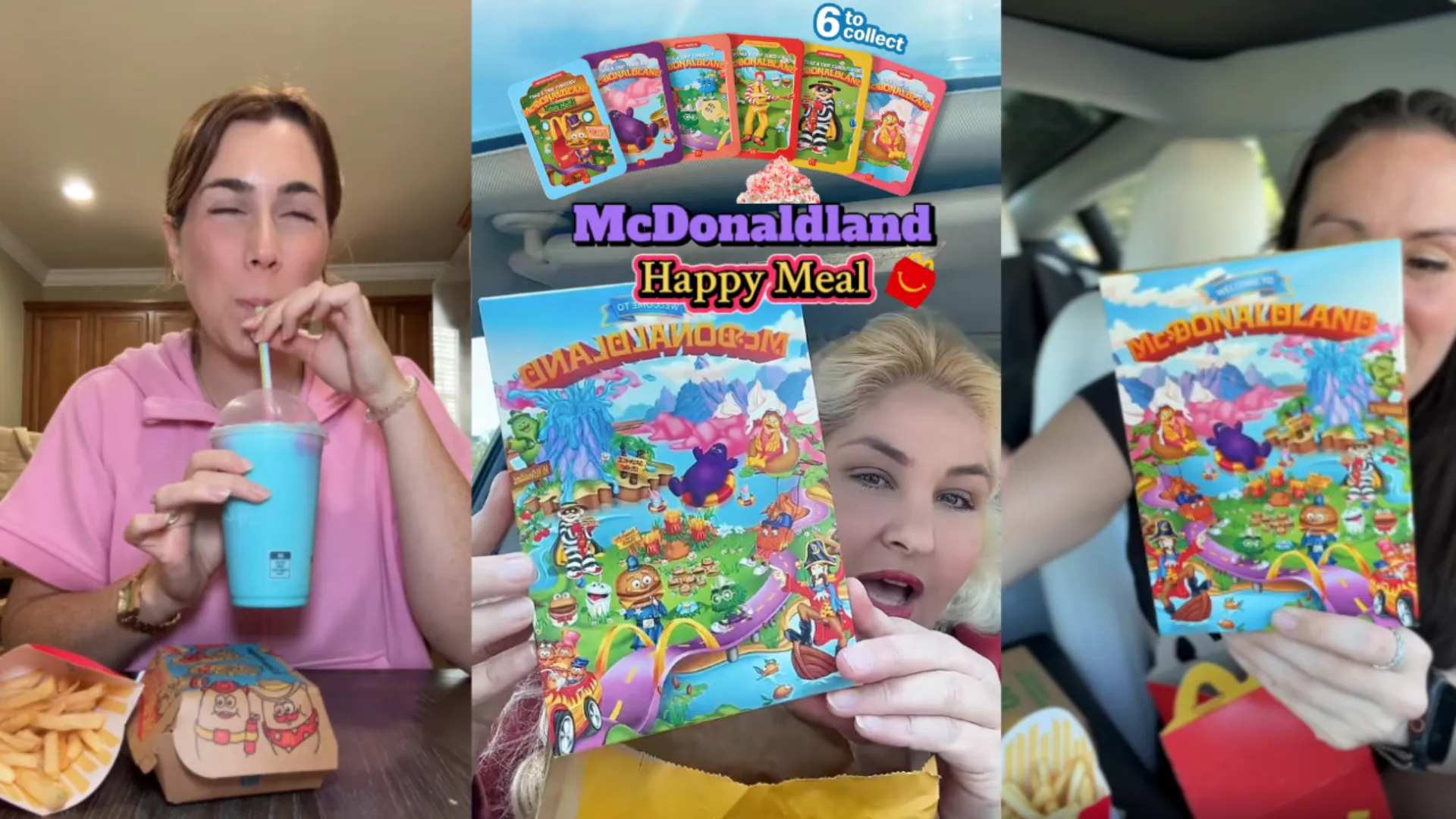
Works Across Generations: Nostalgia isn't just for Boomers or Gen X. Gen Z is currently obsessed with "Y2K" culture, proving that you can feel nostalgic for an era you barely lived through.
-
Storytelling Looks Genuine: Modern consumer demand craves authenticity. Archival revivals feel like genuine heritage rather than a forced, modern marketing campaign.
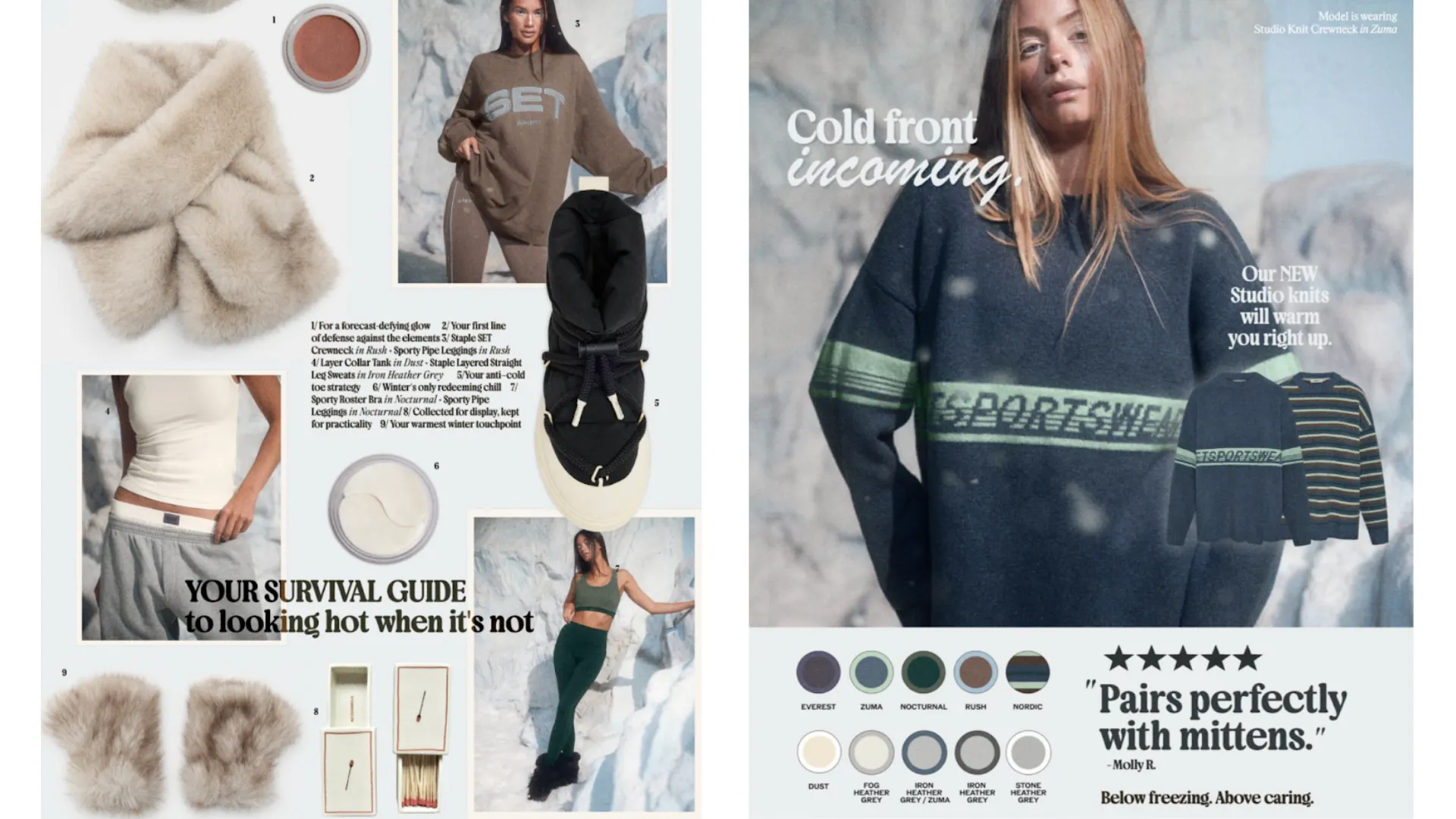

To truly leverage this, partnering with a fashion digital marketing agency can help align these psychological triggers with concrete sales data.
Why Nostalgia Marketing Is Effective in Apparel or Fashion?
Fashion is inherently cyclical. What goes around, quite literally, comes back around (often with a higher price tag).
-
It Triggers Dopamine: Seeing a revived windbreaker from our childhood triggers dopamine receptors. We aren't just buying a jacket; we are buying a slice of our youth, improving the overall customer experience.
-
Organic Virality: Apparel is highly visual. A well-executed vintage drop is incredibly shareable on social media, generating organic reach without relying entirely on paid ads.
-
It Offers Comfort in a High-Tech World: In an era dominated by rapid business technology shifts, the rise of artificial intelligence, and the lingering cultural hangover of social distancing, consumers are often overwhelmed. Retro fashion offers a tactile, physical escape. It leverages the positive associations of the past to create a sense of stability today, which is a powerful driver of brand loyalty.
For fashion retailers trying to capture this virality, looking into a comprehensive digital marketing for fashion brands unpacked guide can provide the foundational framework.
Learn from the Best: Successful Examples of Nostalgia in Marketing
Let’s look at some nostalgia marketing examples from companies that have successfully turned the clock back. These are prime examples of brands that use nostalgia marketing to dominate their market share.
|
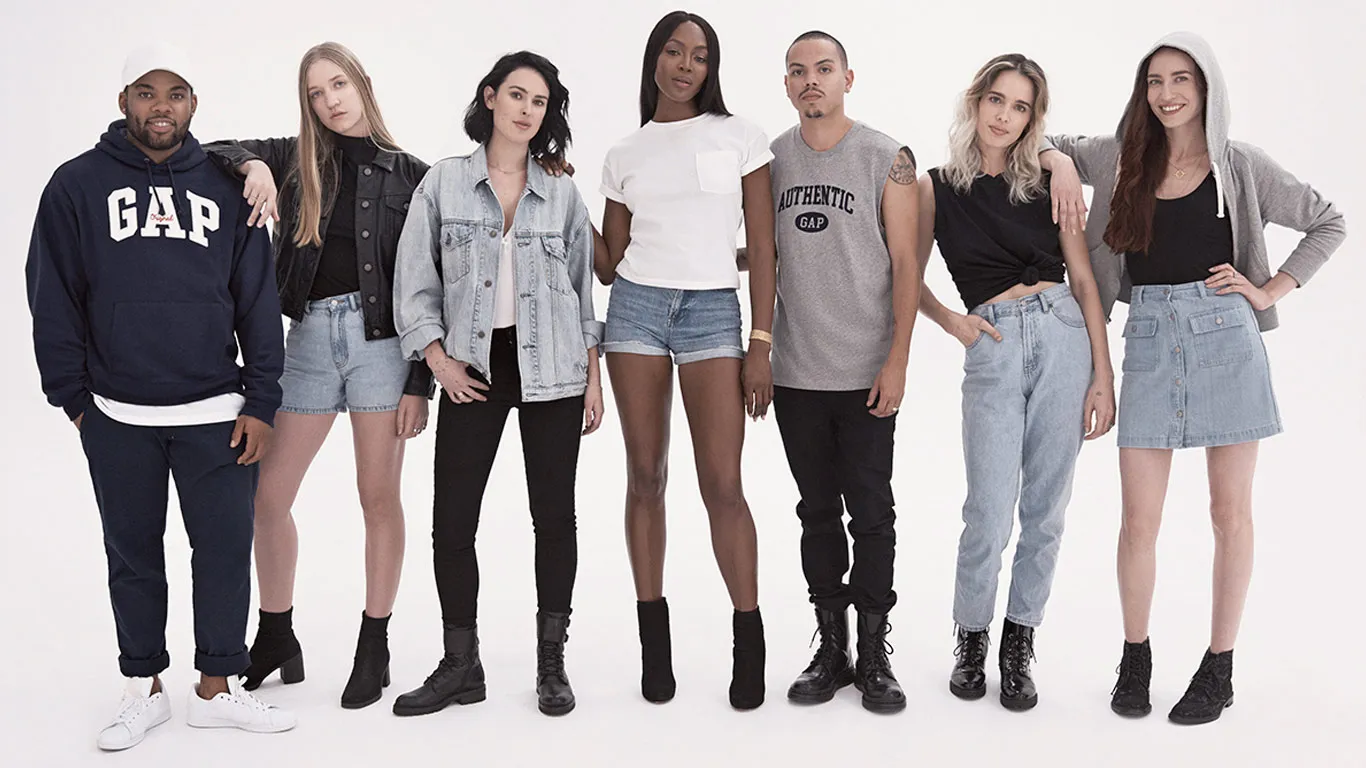
Gap |
|
They brought back iconic pieces worn by celebrities in the 90s. It tapped directly into the collective memory of their core target audience, driving massive customer engagement. Financially, Gap Inc. posted $3.4 billion in Q1 2017 revenue. |
|
|
Levi’s |
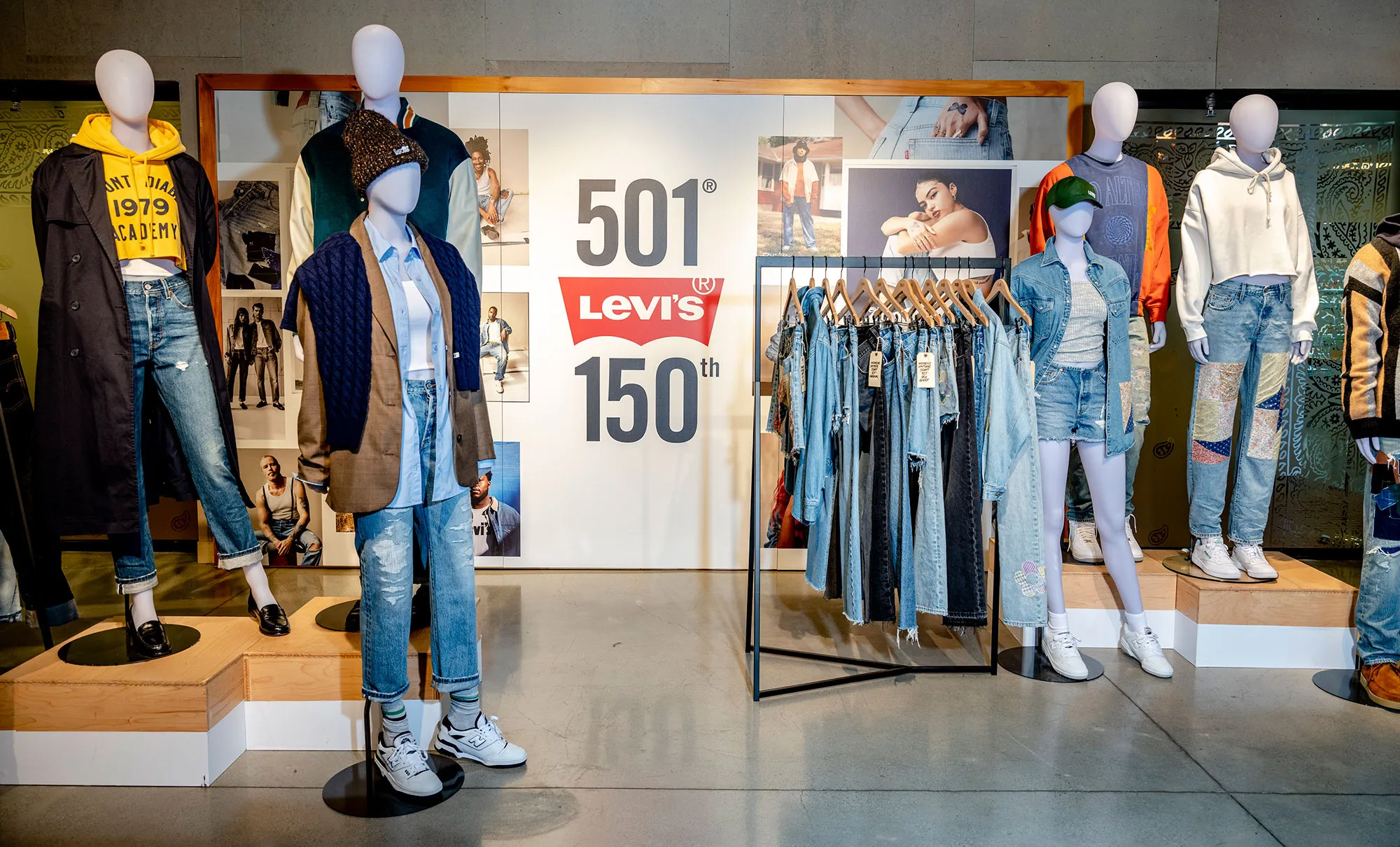
501® 150th Anniversary |
|
Levi’s highlighted how their jeans have been the uniform of progress for decades, proving the longevity of their online business and retail presence. “The Greatest Story Ever Worn” celebrated the jean’s role across generations and delivered a 61% increase in positive sentiment, a 534% spike in site visits at launch, and more than 332 million impressions. Levi’s also reported that 501® sales were up 11% in 2023. |
|
Lacoste |
Heritage-led polo storytelling |
|
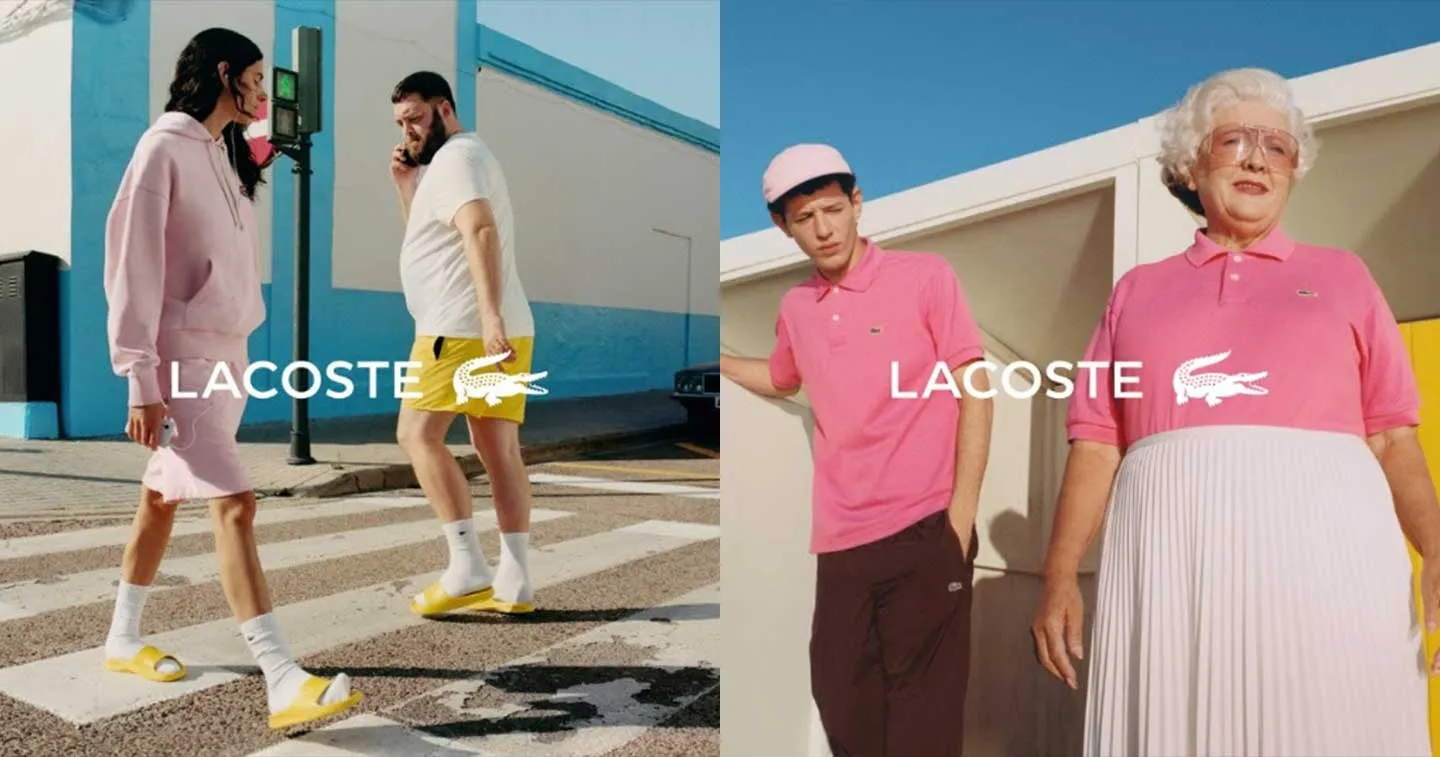
Lacoste is a good heritage-marketing example because it consistently turns its tennis roots, crocodile emblem, and classic polo into modern brand storytelling. That strategy also sits inside a strong business story: the company reported revenue close to €3 billion in 2024, up 8% year over year, while its U.S. business was estimated at about $450 million annually. (Read more in this Lacoste PPC advertising case study). |
Nostalgia Marketing Is For Small Brands Too
Nostalgia marketing is not only for brands with decades of history. For small businesses, it can work especially well because it relies less on scale and more on emotional connection, specificity, and point of view:
-
A local café can bring back a “school canteen” dessert for one week.
-
A small fashion label can build a campaign around 90s magazine aesthetics or early-2000s clubwear references.
-
A niche beauty brand can style a launch like an old drugstore ad.
-
A handmade business can use childhood-inspired packaging, retro naming, or archive-style storytelling to make the brand feel more familiar and memorable.
For smaller brands, nostalgia often works best when it feels personal, recognizable, and close to everyday memories.
4 Key Strategies in Retro Marketing
Ready to launch your own nostalgia marketing campaigns? Here are four ways to do it right.
1. Nowstalgia – Reviving Popular Products with Modern Tweaks
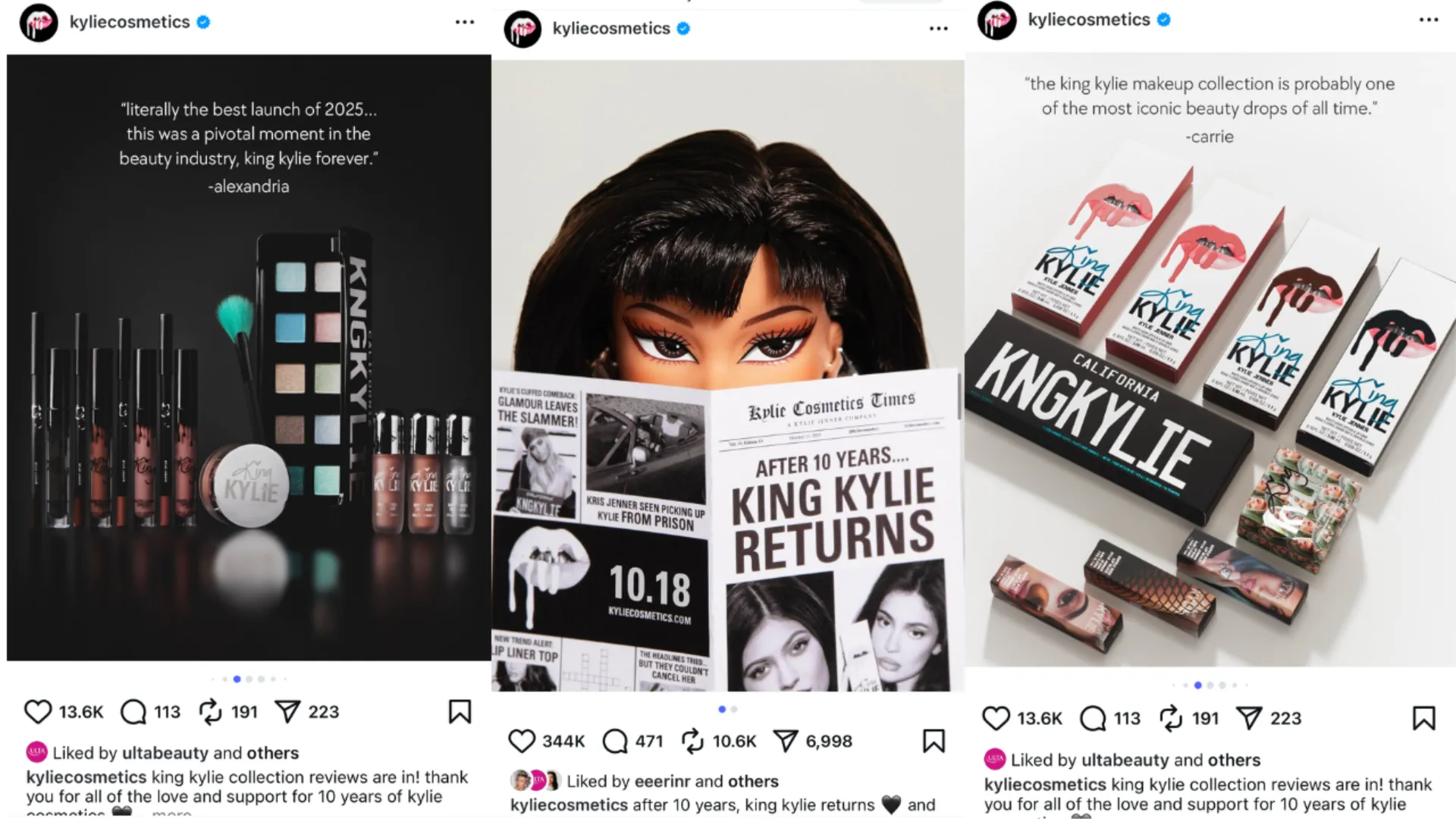
You don't want to sell a literal old product; you want to sell the memory of it, but with modern comforts. Bring back a popular silhouette but use sustainable fabrics. It satisfies the craving for the past while meeting modern customer satisfaction
standards.
2. Using Retro Aesthetics and Visuals
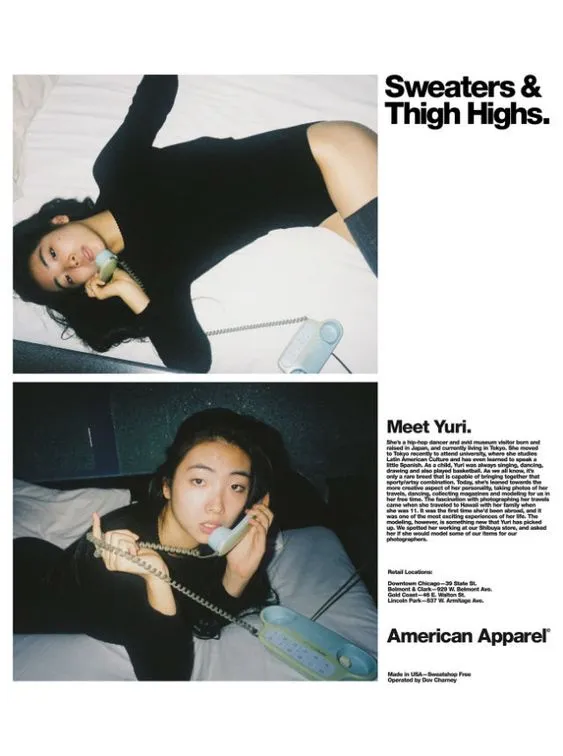
Sometimes, it’s all in the packaging. Using retro fonts, grain-heavy photography, and vintage color palettes across your media platforms and blog content can immediately signal a throwback vibe.
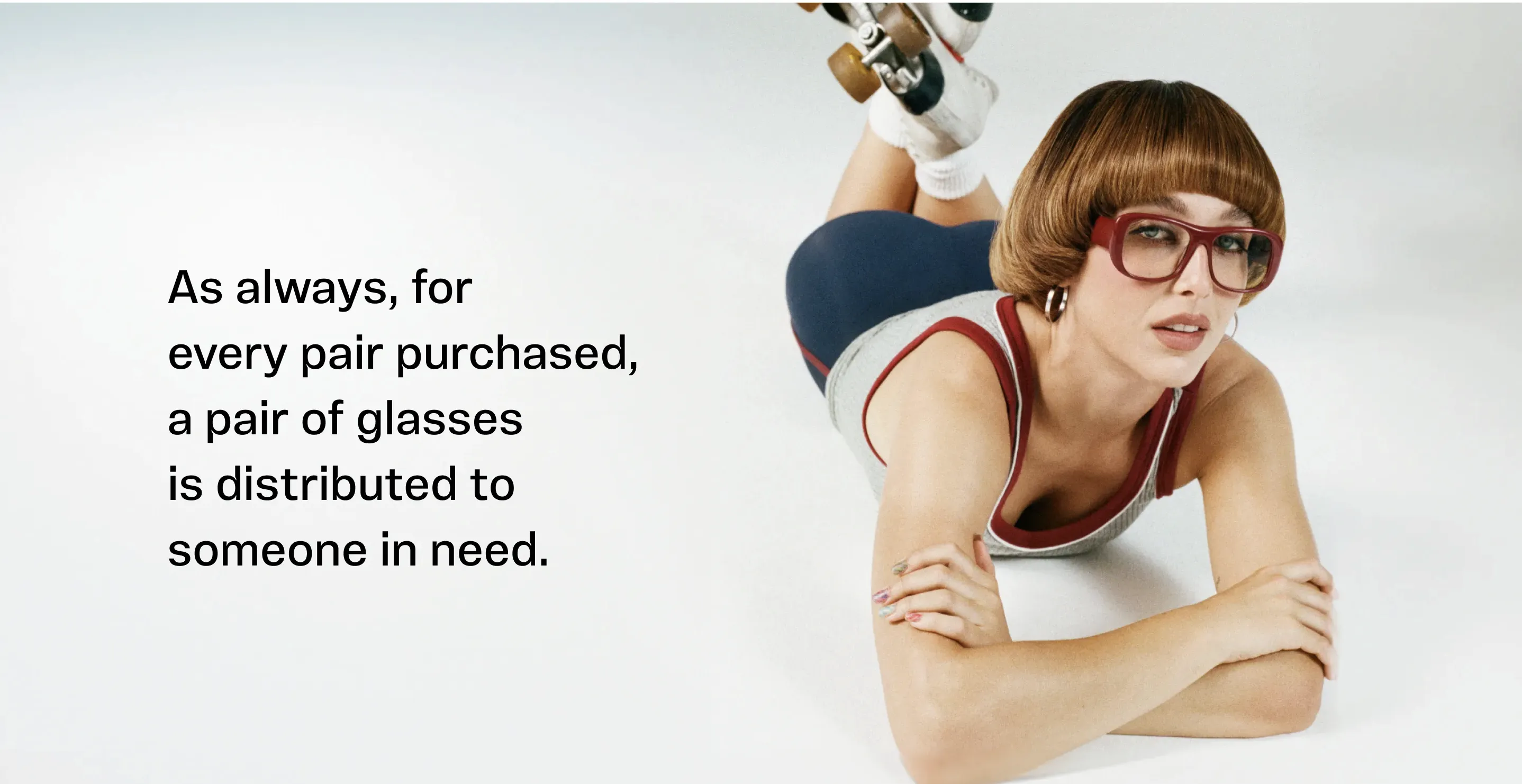
The way you present your content can make a big difference. Try using retro fonts, grainy photos, and vintage color schemes on your social media and blog to create an instant throwback feel. If you want to capture a certain decade, use the visual style from that time.
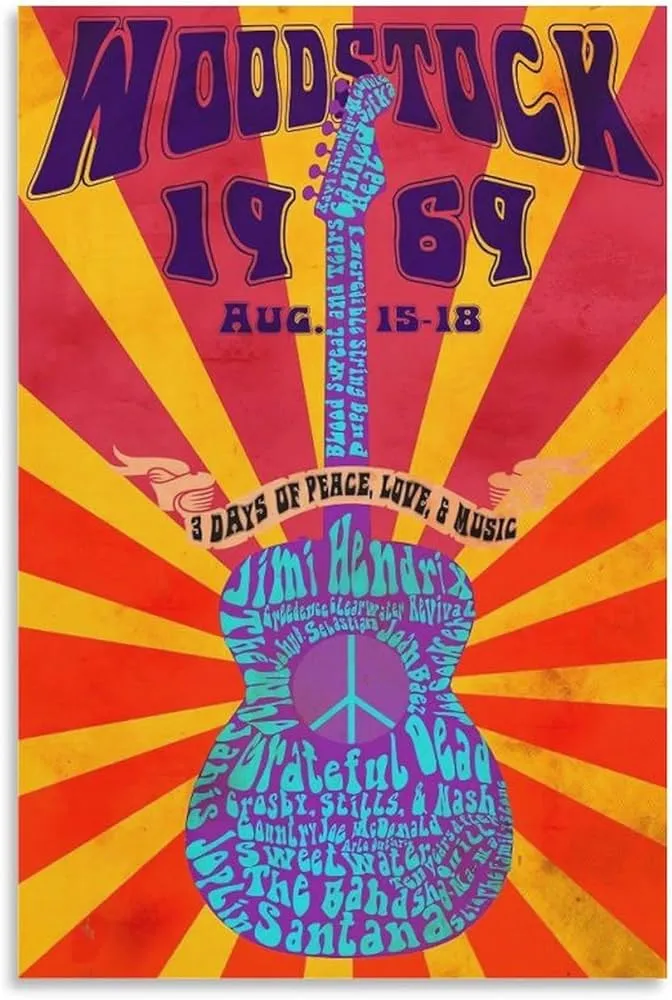
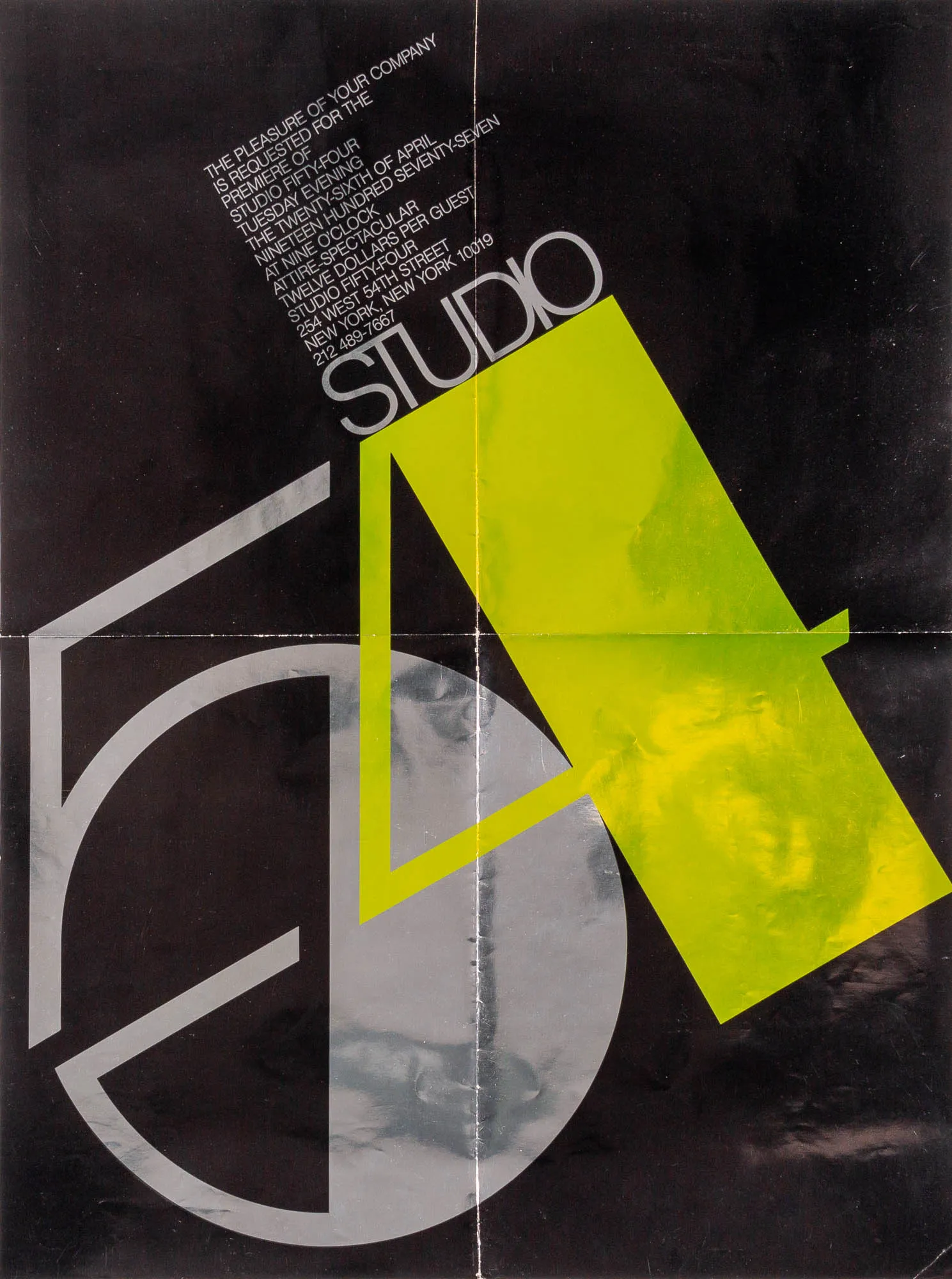
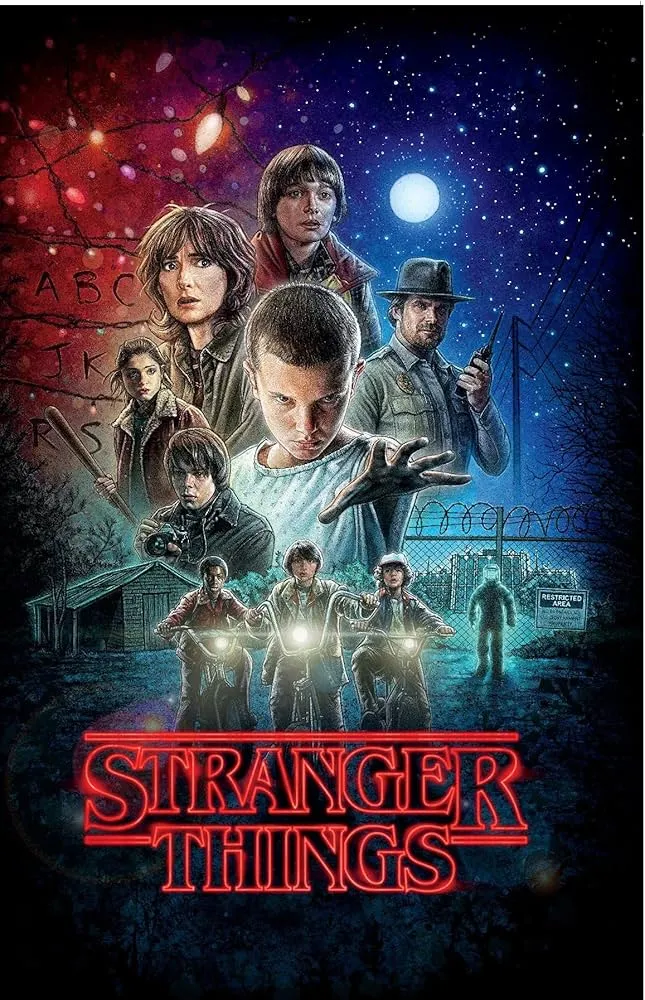
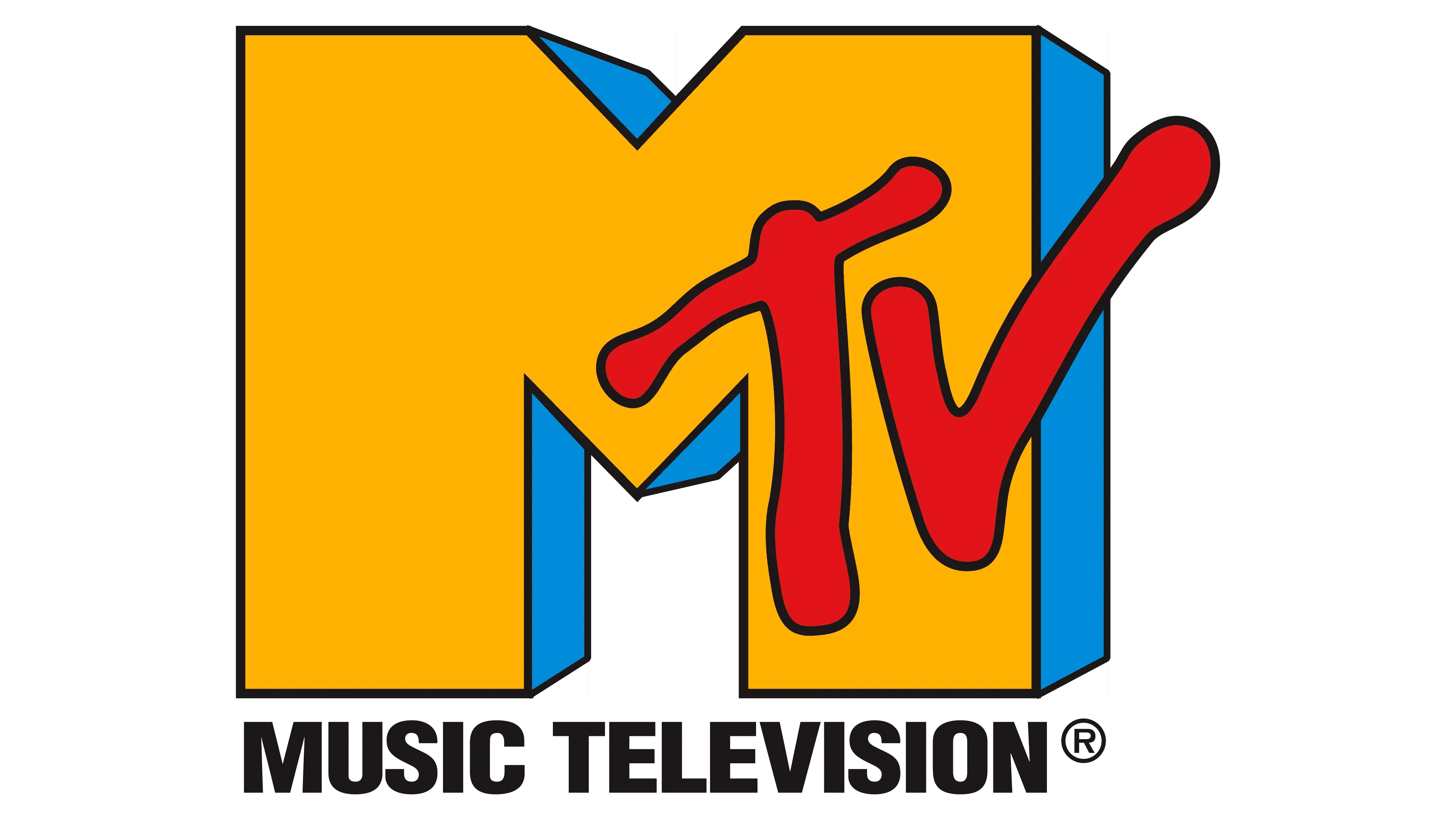
Below is a list of popular design elements, effects, and slang that can help you recreate the look and feel of any decade you want.
|
Decade |
Typography |
Color Palette |
Key Elements |
Visual Effects |
Slang |
Cultural Examples |
|
1950s
|
Cursive scripts, bold sans-serifs, "Atomic Age" geometric letters. |
Pastel pink, mint green, cherry red, diner teal. |
Diner checkers, atomic starbursts, vinyl records, classic cars, jukeboxes. |
Halftone patterns (comic dots), faded Kodachrome, soft vignettes. |
Nifty, swell, rock 'n' roll, atomic, peachy. |
The Fallout game series UI, retro diner menus, Grease aesthetic. |
|
1960s
|
Psychedelic warped letters, bubble fonts, minimalist Swiss design (Helvetica). |
Mustard yellow, burnt orange, olive green, psychedelic neon. |
Peace signs, daisies, lava lamps, mod geometric shapes. |
Double exposure, heavy film grain, kaleidoscope effects. |
Groovy, far out, psychedelic, mod, right on. |
Woodstock festival posters, Mad Men set design, Beatles' Yellow Submarine. |
|
1970s
|
Chunky, rounded serifs (e.g., Cooper Black), disco line art, flowing scripts. |
Earth tones (harvest gold, avocado green, brown), disco silver. |
Disco balls, roller skates, bell-bottoms, smiley faces. |
Sepia tones, warm light leaks, Polaroid white borders, glitter. |
Funky, disco, boogie, stellar, out of sight. |
That '70s Show branding, Studio 54 promos, vintage Polaroid ads. |
|
1980s
|
Neon tube fonts, 8-bit pixel fonts, metallic chrome gradients. |
Neon pink, electric cyan, bright purple, dark grid backgrounds. |
Cassette tapes, arcade cabinets, boomboxes, palm trees, neon grids. |
VHS tracking glitches, neon glow, scanlines, synthwave sunsets. |
Rad, tubular, synth, cyber, gnarly, wicked. |
Stranger Things title sequence, Miami Vice, Outrun/Synthwave digital art. |
|
1990s
|
Grunge typography, jagged "edgy" fonts, Comic Sans, bubbly Y2K precursors. |
Bright neon green (slime), purple, primary colors, grunge flannel colors (red/black). |
CD-ROMs, Tamagotchis, Yin-Yang, tribal patterns, blocky computer windows. |
Glitchy internet art, low-res digital noise, fisheye lens, disposable flash. |
As if, fly, grunge, dial-up, phat, whatever. |
Early MTV bumpers, Saved by the Bell graphics, retro GeoCities websites. |
|
2000s
|
Futuristic sans-serifs, metallic 3D fonts, tech-inspired typography. |
Metallic silver, icy blue, hot pink, glossy whites. |
Flip phones, rhinestones, cyber-hearts, butterfly clips, early MP3 players. |
Lens flares, glossy/plastic textures (Frutiger Aero), overexposed flash. |
Fetch, bling, cyber, pop, dot-com. |
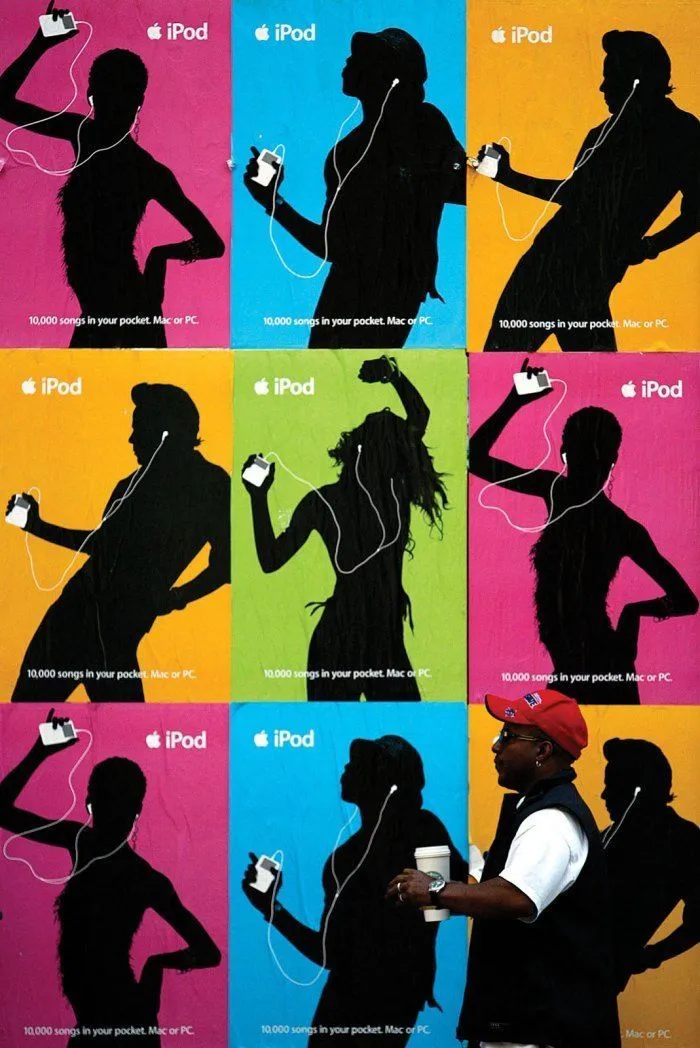
Early Apple iPod silhouette ads, Mean Girls, Bratz doll packaging. |
|
2010s
|
Minimalist sans-serifs, hipster hand-lettering, typewriter fonts. |
Millennial pink, muted pastels, high-contrast dark minimalist tones. |
Mustaches, infinity signs, mason jars, flower crowns, polaroid icons. |
Early Instagram vintage filters (Valencia, X-Pro II), VSCO film presets, faded matte. |
Hipster, aesthetic, vibe, mood, indie, YOLO. |
2014 Tumblr mood boards, hipster coffee shop branding, early Instagram grids. |
3. Narrating Founder Stories or Important Milestones
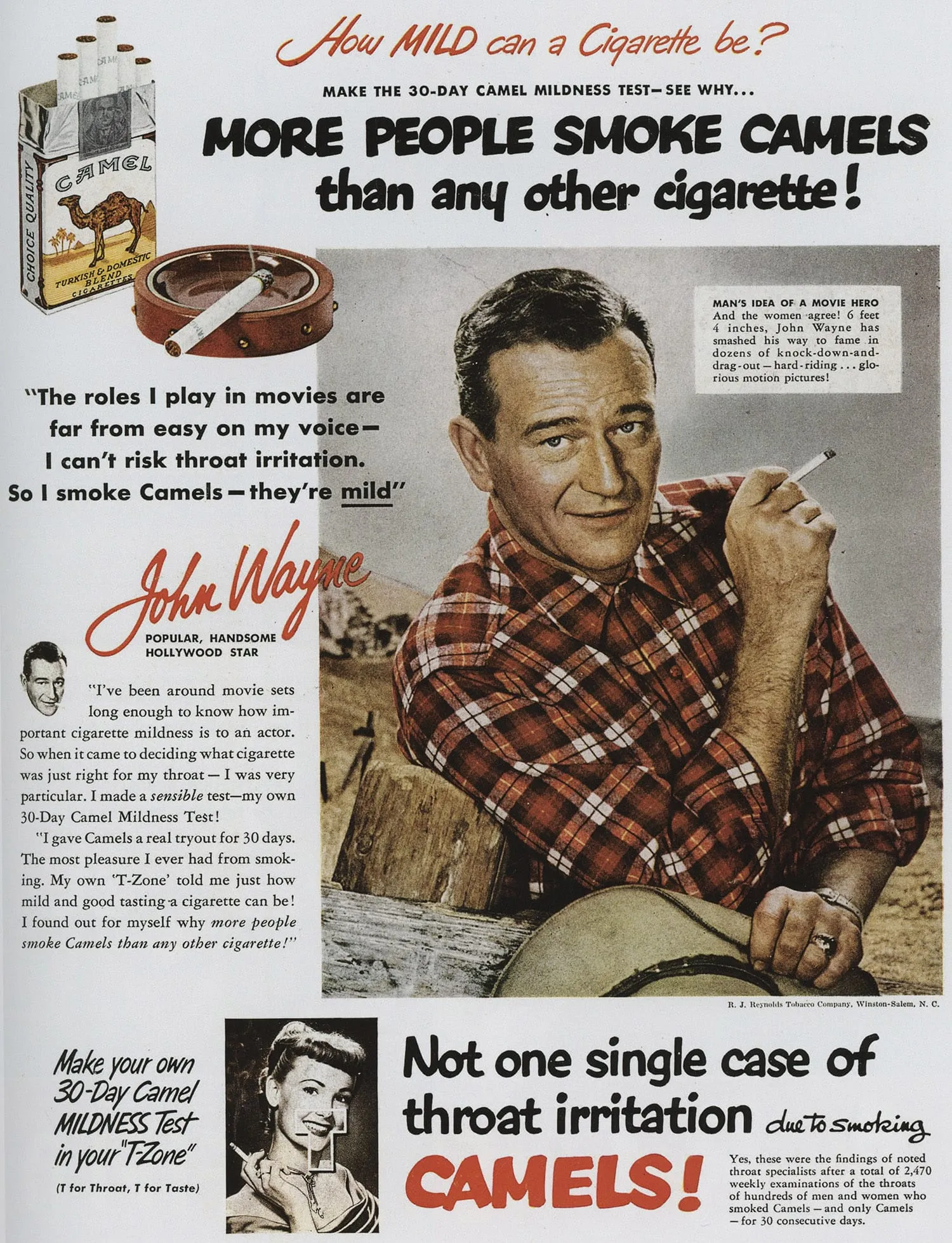
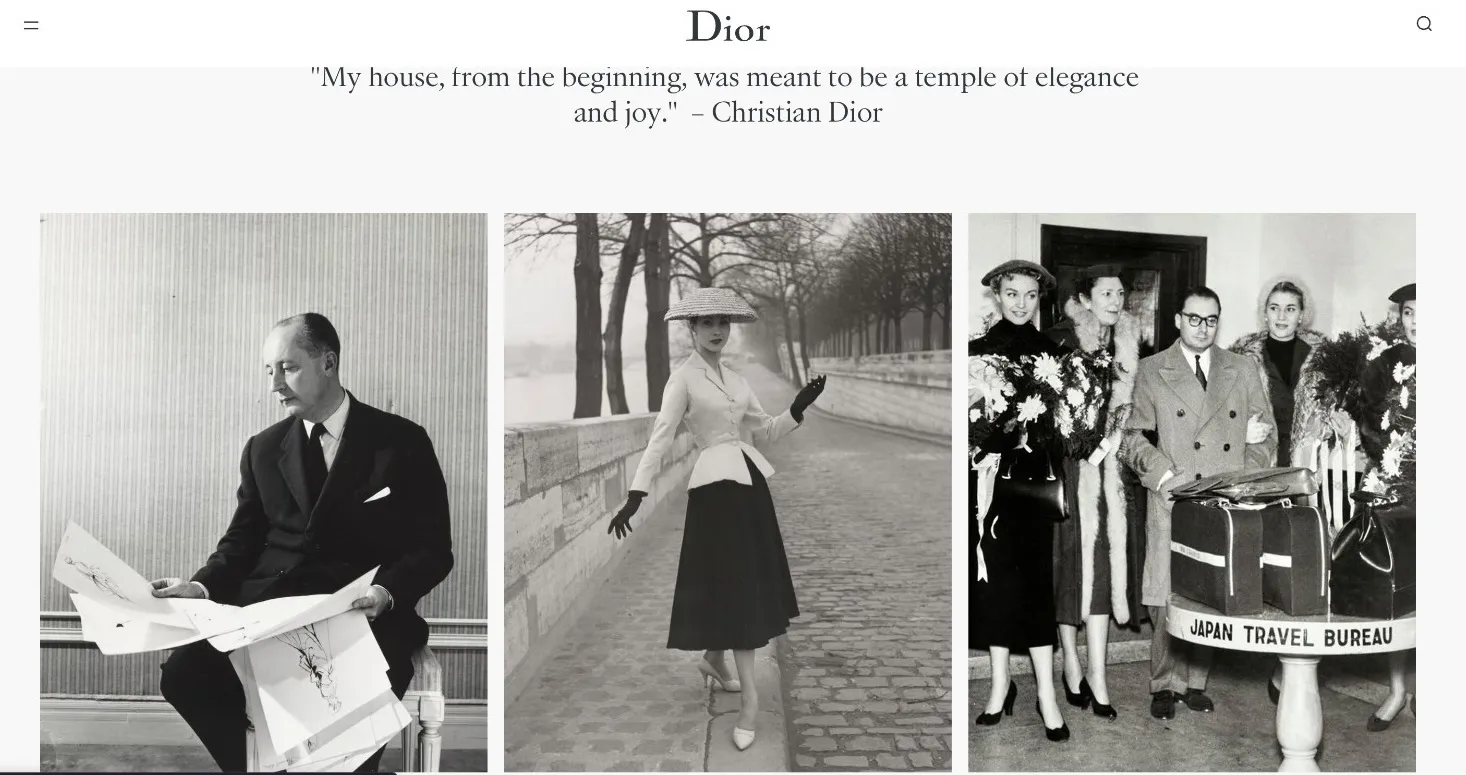
People love a good origin story. Share behind-the-scenes glimpses of your brand’s early days. If you're a newer brand, reference the historical eras that inspire your current collections. For insight into scaling these brand stories, check out this fashion marketing case study on scaling premium apparel.
4. Retro Capsules Limited in Time and Quantity
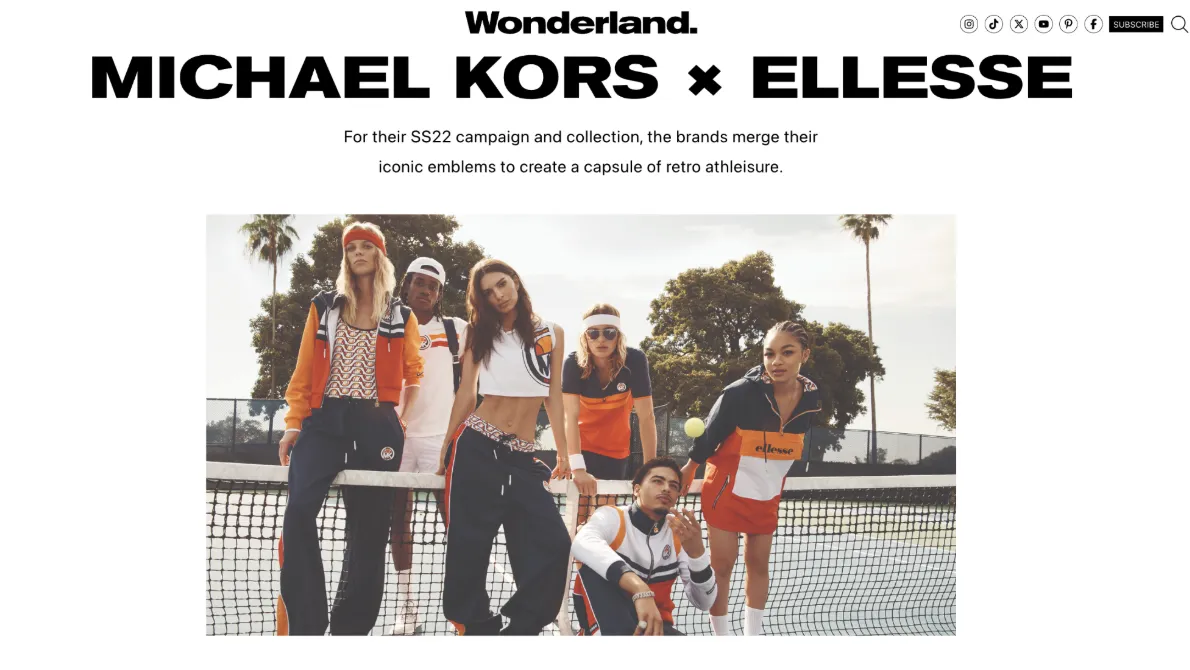
Scarcity breeds demand. Launching a retro capsule collection during a specific holiday season creates urgency. To manage the traffic spike these drops create, mastering your ad spend is crucial. Learn how to let seasonality guide your strategy.
The Best Channels to Implement Nostalgia Marketing
Even the most brilliant retro marketing concept will fail if nobody sees it. You need robust business technology and a sharp marketing strategy to distribute your message.
-
Email Marketing: Use your customer base data to send highly targeted emails. Segment older demographics with direct throwbacks, and younger ones with "Y2K" trends. A specialized fashion email marketing agency can automate this beautifully.
-
SEO Content: Capitalize on people searching for vintage trends. Use specific keywords and optimize your meta descriptions. Working with an e-commerce SEO agency ensures your nostalgic pieces rank highly in search engine results.
-
Paid Social & Search: Launch retargeting campaigns aimed at users who have browsed vintage styles. A skilled e-commerce PPC agency can manage your Google Ads to maximize ROI.
-
Blog Content: Nostalgia works especially well in storytelling formats. Blog posts can explore vintage trends, the origins of certain styles, iconic fashion eras, or the inspirations behind a collection. This not only supports brand storytelling but also helps capture search traffic around nostalgic topics.
-
Influencer Partnerships: Influencers can make nostalgia feel current rather than costume-like. A creator with the right aesthetic can translate retro inspiration into something aspirational and culturally relevant, whether through styling videos, archive-inspired shoots, or limited-edition collaborations.
-
Social Media Marketing: Platforms like Instagram, TikTok, and Pinterest are ideal for nostalgic visuals. Retro aesthetics, archive-inspired reels, throwback posts, and era-based styling content can make the campaign feel more immersive and shareable across social channels.
Why Does Multichannel Marketing Work Best?
Nostalgia thrives on immersion. According to recent market research, multichannel campaigns have a 287% higher purchase rate than single-channel campaigns.
If you are a brick-and-mortar boutique as well as an online store, don't neglect your local visibility. Ensure your business profile on Google Search is updated with your correct business name, phone number, email address, and service area. Managing your local listings and gathering positive customer reviews improves your local SEO, driving foot traffic to your physical retro drops.
To see how everything ties together for an e-commerce platform, dive into e-commerce SEO case studies and read up on digital marketing for e-commerce.
Final Thoughts
Nostalgia marketing is more than a fleeting gimmick; it is a proven framework for customer retention and sustainable growth. When you trigger your potential customers' emotional archives, you create a bond that transcends mere transactions.
Remember, the goal is to borrow the best elements of the best to secure your brand's future. Keep your customer service experience modern, your digital advertising sharp, and your brand's heart rooted in the timeless moments your audience cherishes. For a broader look at future-proofing your store, explore the 2026 digital e-commerce marketing guide.
FAQ
Does nostalgia marketing work in fashion only?
Not at all. While fashion is a prime candidate due to its visual and cyclical nature, industries ranging from fast food to consumer electronics successfully utilize it. It works anywhere you want to evoke fond memories and build a better customer experience. It can be effective even for a small business if used wisely.
What implementation tips can you give to startups?
Startups may lack decades of history, but they don't lack inspiration. Reference broader cultural moments, music, or design eras that align with your brand values. Focus on content marketing and building a strong online presence. Leverage loyalty programs early on to foster the kind of community that legacy brands enjoy. Also, read up on e-commerce marketing strategy tactics to boost sales.
How effective is nostalgia marketing?
Incredibly effective. Studies show it lowers price sensitivity and increases brand loyalty. It creates a shortcut to emotional connection, which is the hardest metric to achieve in modern digital marketing. For a deep dive into keeping these newly acquired customers, review this complete guide to key metrics of retention marketing.
Can nostalgia marketing be combined with other marketing channels, like SEO or email?
Absolutely. In fact, it must be. Business owners can use SEO tools to track keyword rankings for vintage trends, engage in link building to earn quality backlinks to your retro capsule service pages, and utilize managed services or an agency to handle the influx of lead generation. Want to stand out further? See how to stand out in the age of microtrends with fashion advertising.

 0
0
 0
0
 0
0
 0
0
Related Articles
Business Apps in the US: iOS vs. Android, September 2026
We searched for US App Store and Google Play data to see what business apps professionals, shoppers, and investors actually installed in September.
Pet Food Product Patent: How to Protect Your Innovation
Patenting pet products requires careful consideration and proper application filing. With the 8 steps below, you will be able to submit your patent application and protect your invention.
What Happens When Amazon Suppresses Your Listing? The New 2026 Rules
Under the new 2026 rules, Amazon warns you first and gives you a grace period to fix the issue.