
The global pet food trends in 2026 are premiumization, functional and health-focused nutrition, fresh and minimally processed pet food, sustainability, and subscription models. People love their pets, want them to be happy and healthy, and are ready to pay more for that.
The ultimate proof of this is that total US pet industry spending reached $158B in 2025, and pet food and treats — one of the largest categories (APPA, 2026).
Let’s dive deeper into the latest pet food trends and, maybe, borrow some of them for your brand!
#1: Premiumization
We live in a world where 68% of Gen Z and 69% of Millennials think about their pets as family members (Euromonitor, 2025). And when people love someone, they are willing to spend money to spoil them.
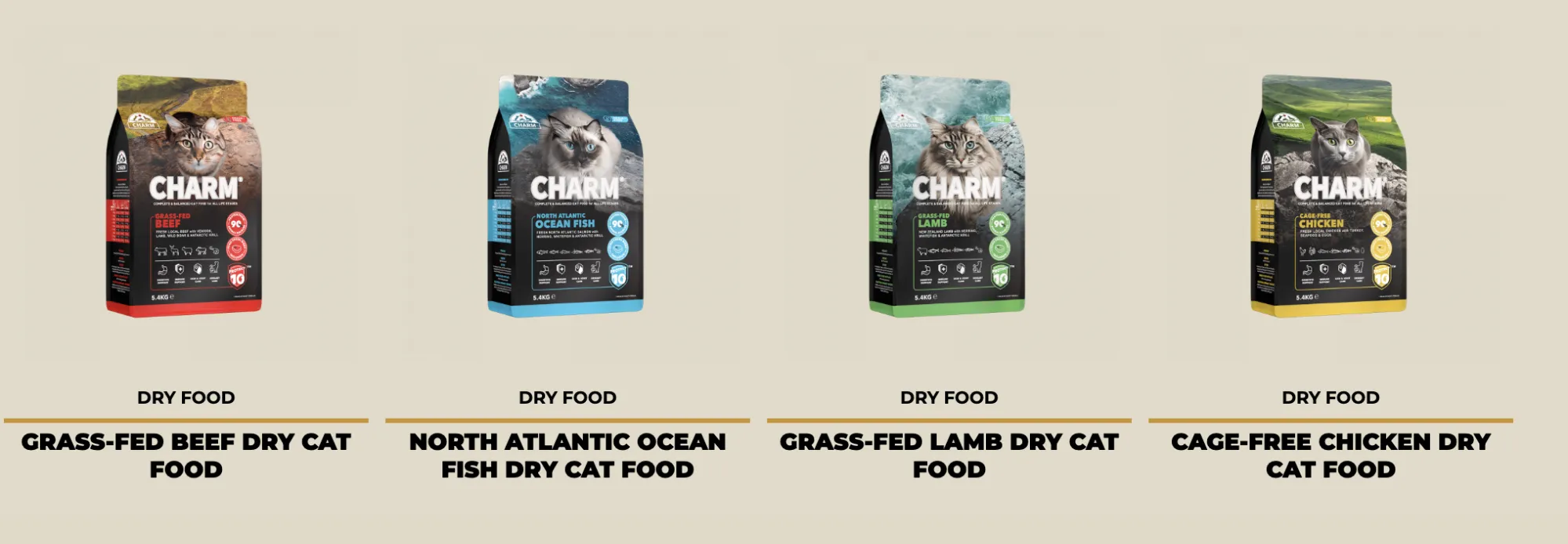
Some cats now eat grass-fed beef with blueberry antioxidants while their owners survive on instant noodles. Tout pour l’amour (French for “everything for love”).
41% of dog owners and 38% of cat owners buy premium pet food; that is +5% YoY for dogs and +9% YoY for cats (APPA, 2025). Trend becomes stronger. NielsenIQ (2025) agrees with that — they reported growth in premium and super-premium categories:
-
Premium dry cat food sales: +6.4%
-
Super-premium dry cat food sales: +9.6%
-
Premium wet cat food sales: +10.3%
-
Super-premium wet cat food sales: +8.7%
Actions speak louder than words. Read our article to know how we helped PetLoc8 to enter the pet market with a ready-to-go multichannel strategy.
#2: Functional & Health-Focused Nutrition
The global functional pet food market size is $3.35 billion in 2026 and can reach USD 7 billion by 2035 (Yahoo! Finance, 2026). The reason is simple: pet owners want food to do more than satisfy hunger — they want products that support digestion, joints, immunity, and long-term wellness.
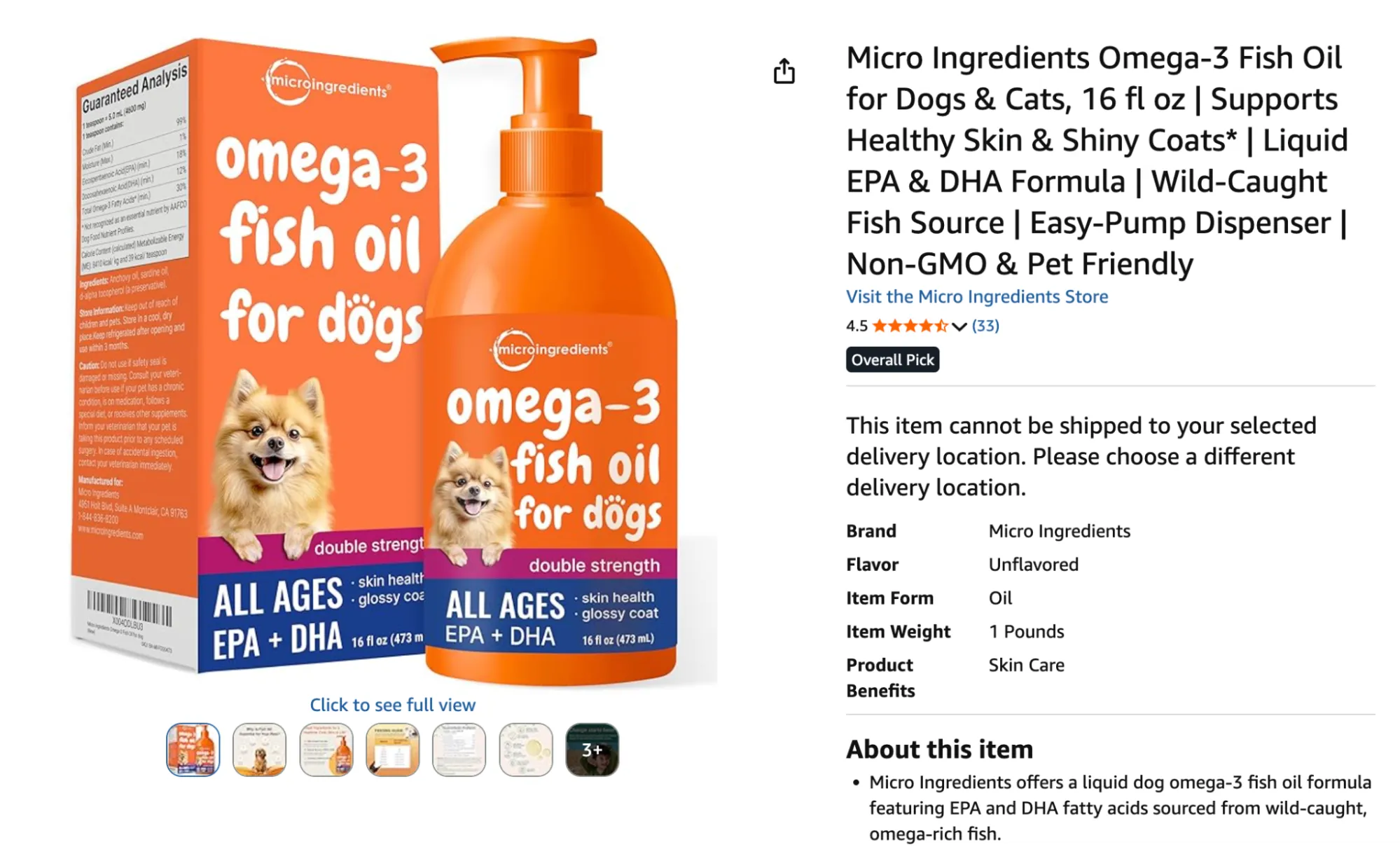
Pet parents want the best science can offer for their pets: probiotics, omega-3s, functional supplements, preventive health diets, and personalized nutrition plans. 13% of dog owners and 12% of cat owners buy prebiotic and probiotic formulas for their pets (APPA, 2025).
At this point, some dogs have a more advanced supplement routine than amateur athletes.
#3: Fresh & Minimally Processed Pet Food
The fresh pet food market in the US can grow by USD 3.2 billion from 2025 to 2029 (Yahoo! Finance, 2025). All because pet parents wanted to buy fresh, refrigerated, and minimally processed pet food.
For example, Blue Buffalo launched fresh products because more and more customers wanted pet food that “looks, smells, and feels like real human food” (Reuters, 2025).
That’s why modern pet food ads look less like kibble and more like a cooking show.
If you’re searching for some inspiration, check our article about the best pet food marketing campaigns this year. Purina, Freshpet, Sheba — all the bosses are here.
#4: Sustainability
Pet owners want products that are healthier not only for pets, but also for the planet. Now, sustainability is a competitive advantage (NielsenIQ, 2025). Nearly 70% of pet owners care about climate change and want to make a positive influence on the planet through their everyday choices (Forbes, 2023).
Consumers are ready to pay more for ethically sourced ingredients, eco-friendly packaging, and sustainable premium products.
The pet industry realized people are willing to pay extra if the chicken was happy, the packaging was recyclable, and the font looked earthy enough.
#5: E-Commerce & Subscription Models
More and more pet owners buy food online because it’s easy and convenient with subscriptions, auto-delivery, and personalized recommendations. The global pet food e-commerce market reached $19.2B in 2024 and is expected to grow to $37.6B by 2033 (Grand View Research, 2025).
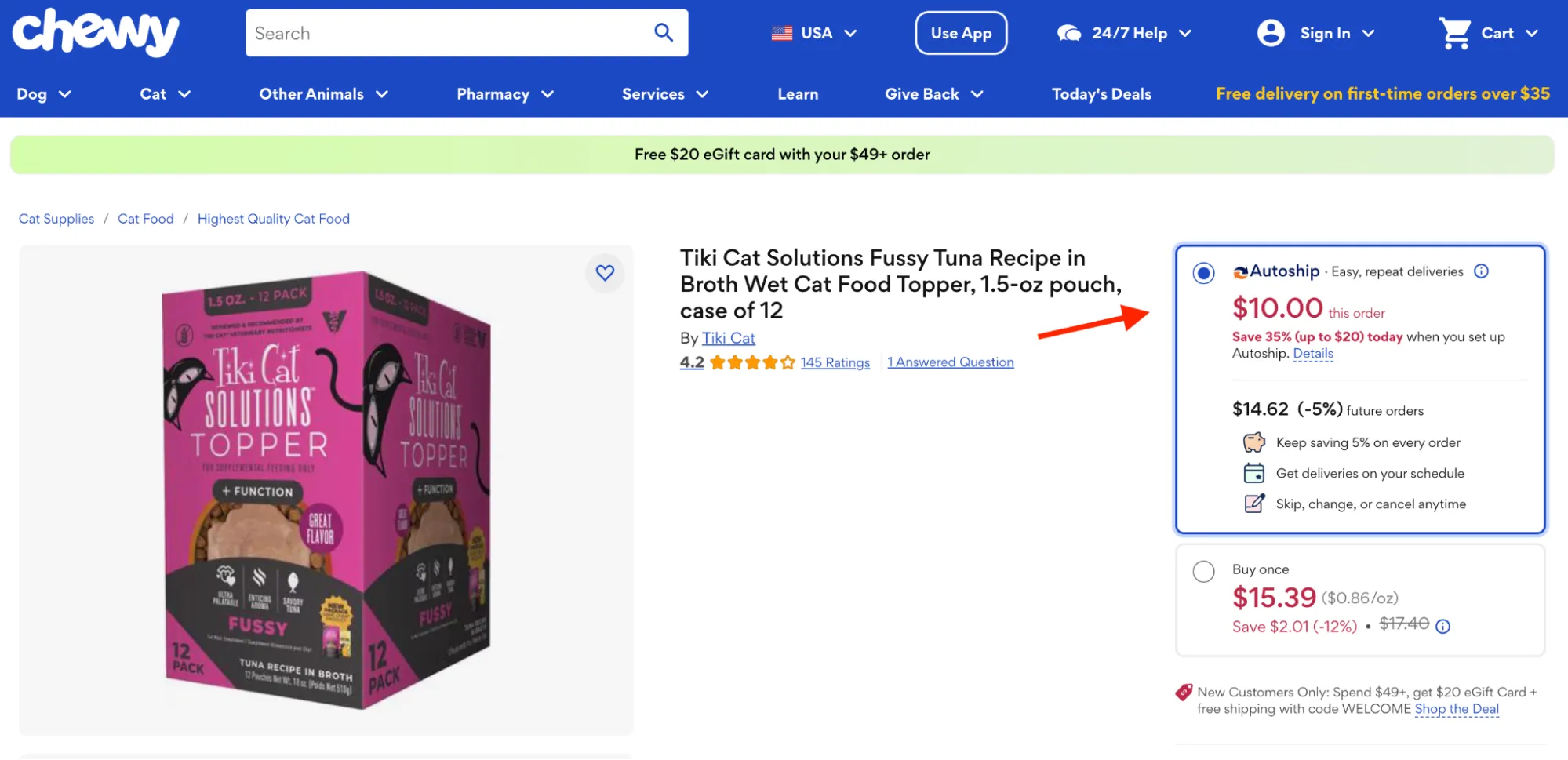
More than half of US pet parents use auto-ship and subscription models for pet products (Forbes Business Council, 2026). They don't want to see their pets go hungry. And it’s showing: pet marketplace Chewy’s autoship sales increased 21% YoY, and subscription and repeat-purchase behavior now drive over 80% of the company's revenue (Investopedia, 2026).
Autoship is amazing. Your cat never runs out of food, and you never remember how much you’re actually spending.
There are regulations for pet food on Amazon, and you should read about them before it's too late. We compiled them in our article.
Last updated: May 2026
Cluster: Pet Industry Intelligence
|
Trend |
What It Means |
How Your Brand Should Use It |
|
Premiumization |
More pet owners are choosing higher-quality, human-grade, and wellness-focused food for their pets. |
Show ingredient quality, sourcing, and “human-grade” positioning. Invest in premium packaging and storytelling. |
|
Functional & Health-Focused Nutrition |
People want food to be a medicine, in some way. That's why they buy digestive, joint, immune, calming, and wellness-support formulas |
Create products around health: gut health, mobility, calming, skin & coat, senior support. Use educational content and vet-backed messaging. |
|
Fresh & Minimally Processed Food |
Pet parents want their pets to eat food that is closer to human food. That’s why they buy refrigerated, gently cooked, and minimally processed diets |
Show real ingredients visually in ads and packaging. Talk about freshness, transparency, and minimal processing. |
|
Sustainability |
Sustainability is a global trend. That's why pet parents care about eco-friendly packaging, ethical sourcing, and lower-impact ingredients |
Use recyclable packaging, sustainable sourcing, and be transparent. |
|
E-Commerce & Subscription Models |
Online shopping, auto-delivery, and subscriptions make pet parents' lives easier. |
Build retention systems: Subscribe & Save, loyalty perks, personalized recommendations, reminders, etc. |
TikTok Shop went from a dance app side quest to a serious sales channel. Here's what pet brands should know.
Bonne chance — and may your “Subscribe & Save” conversion rate be ever in your favor!
FAQ
Does a pet type influence pet food trends?
Yes. Dog and cat owners shop differently. In 2025, 41% of dog owners and 38% of cat owners purchased premium pet food, while cat ownership itself grew sharply year over year (APPA, 2025).
What trends drive the most growth for the pet food industry?
Think about premiumization, functional nutrition, fresh food, sustainability, and e-commerce subscriptions. Pet parents are ready to buy healthy, minimally processed products, and do it using online tools.
Temu is getting bigger, louder, and harder to ignore. But should pet brands actually be worried? We break down the numbers and the implications.
Who spends more: pet or cat owners?
Dog owners spend significantly more on average. Dog owners spent more than $1,700 annually, while cat owners spent below $1,350 on average (AVMA, 2024).
If you want to be into pet food trends but don’t have time to learn because of running a business, call Netpeak USA. We’re a pet marketing agency, and it’s our job to know everything so you can use our expertise for your company's growth.

 0
0
 0
0
 0
0
 0
0
Related Articles
Amazon's AI Now Builds Complete Looks on Product Pages. How Do Brands Make Sure the Bundle Is Theirs?
Amazon now uses AI to assemble complete, shoppable looks around a single product, and it fills those looks with whichever brands its model picks.
Business Apps in the US: iOS vs. Android, September 2026
We searched for US App Store and Google Play data to see what business apps professionals, shoppers, and investors actually installed in September.
Pet Food Product Patent: How to Protect Your Innovation
Patenting pet products requires careful consideration and proper application filing. With the 8 steps below, you will be able to submit your patent application and protect your invention.