
How to Create a Proper Principal Display Panel of Pet Food?
To make a proper principal display panel of pet food, start by reviewing the regulatory checklist for PDPs. Find the right spot for the panel, measure its area to meet font-size rules, and include the product name and main features. Add the net weight or volume, make sure everything is easy to read, and choose any photos you want to use.
Designing the front of a pet food bag sounds like the fun part — but it still has to satisfy a federal regulator, a state feed control office, and a shopper who's giving it about three seconds of attention. That front panel has an official name: the principal display panel, or PDP.
Get it wrong, and you're looking at a rejected registration or a call from your state's feed control office you really didn't want to get. Get it right, and you end up with a label that meets every regulatory requirement, catches shoppers' attention, and helps to sell the product.
This guide walks through building a PDP from the ground up:
-
Where it legally lives on your package
-
How to calculate its size
-
What has to appear on it
-
How to design it so humans (not just inspectors) can actually read it
By the end, you'll have a repeatable framework for any package shape, plus a checklist to run before anything goes to print.
1. Identify the Placement of PDP on Your Package
Before touching artwork, figure out exactly where your PDP legally sits, because that depends entirely on the shape of your container, and the answer isn't always "the side facing you."
The FDA's animal food labeling rules define the PDP as the panel most likely to catch a shopper's eye under normal display conditions. On most container shapes, it needs to cover at least 40% of the total surface — unless the package has an obviously dominant face, like the top of a triangular or circular container, in which case that whole top surface counts.
Here's how that plays out by format:
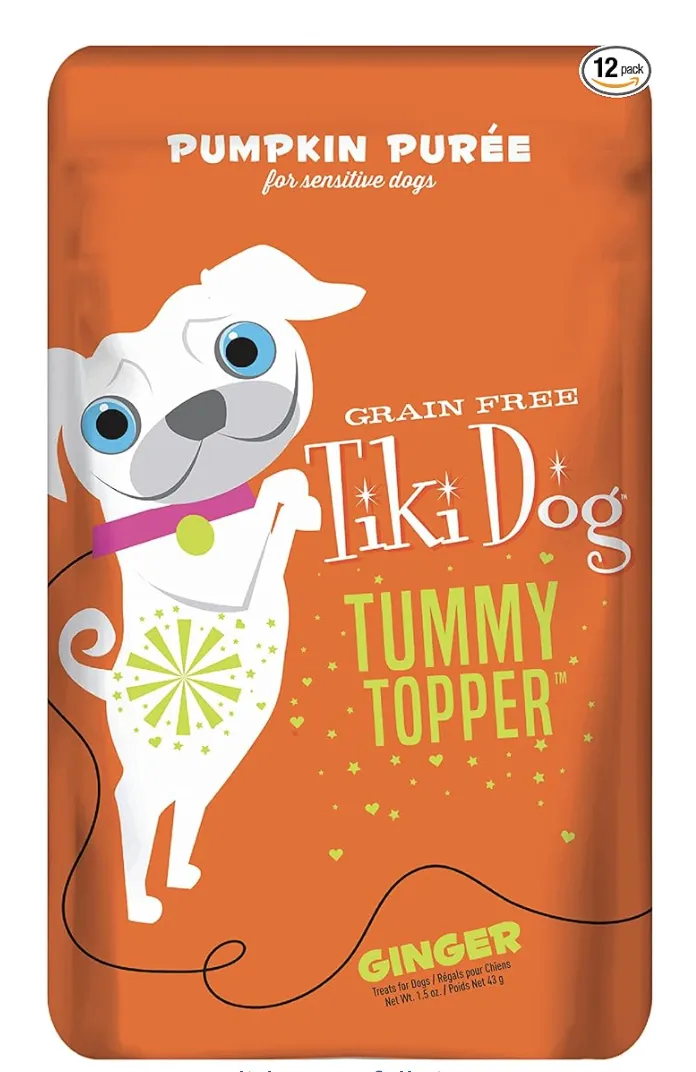
Flat pouches and bags (kibble, treats). Usually one obvious front — the panel facing outward on a shelf hook or a stacked display. That's your PDP.
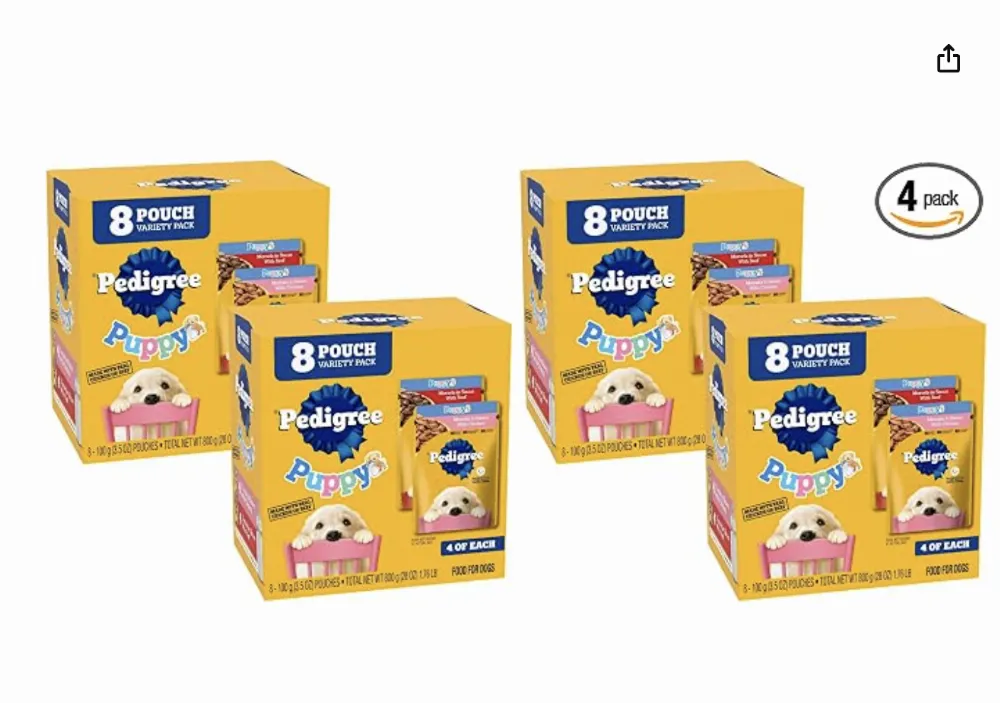
Boxes and cartons. Same logic. If the box shows two identical faces on a shelf-ready display, both count as PDPs, and per the FDA's Part 501 regulations, whatever's required has to appear on both — no cheating by putting the net weight on just one side.
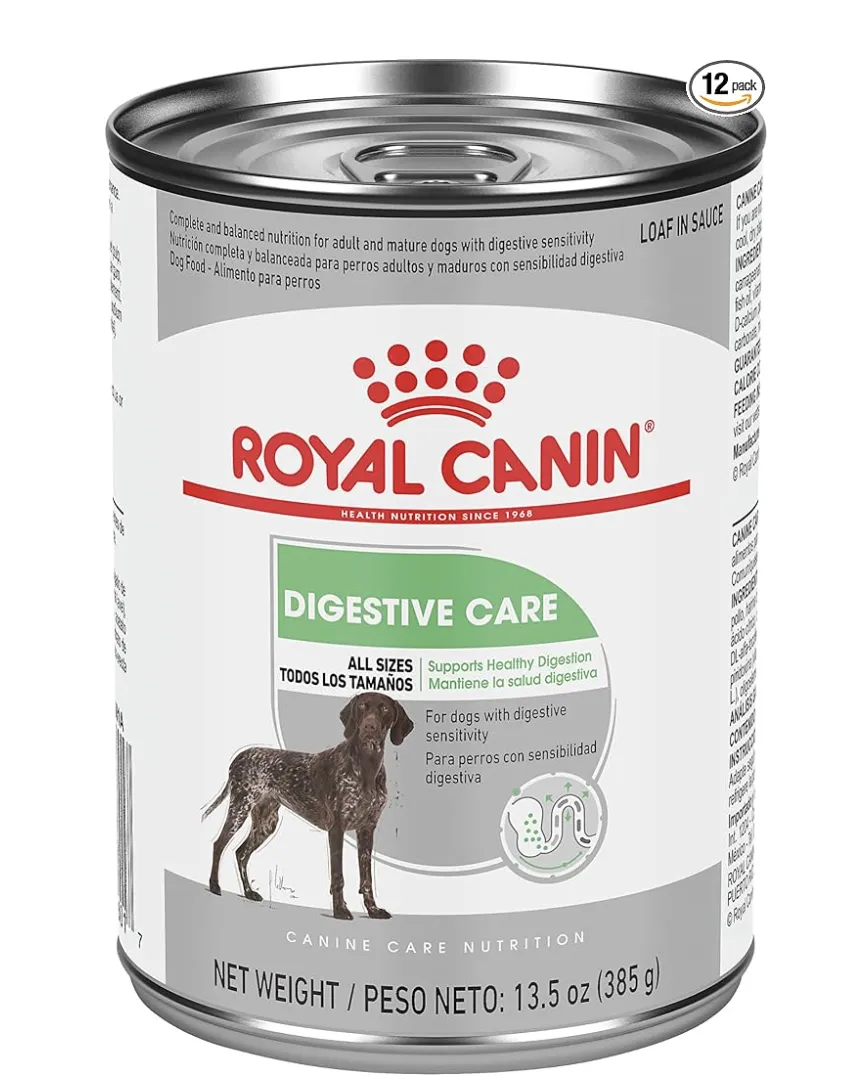
Cans and cylindrical tubs (wet food, some treats). These follow a slightly different rule: the required info has to fit within the 40% of the circumference most likely to face outward on a shelf. In practice, wrap your PDP content around roughly two-fifths of the can's label.
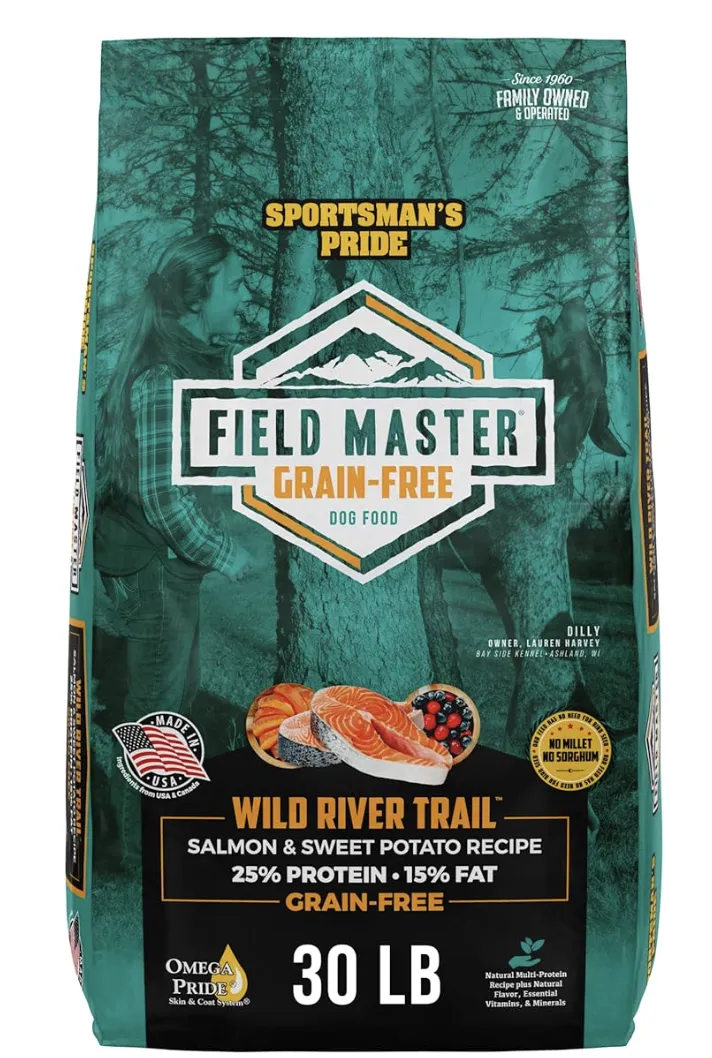
Multi-front or irregular shapes. Gusseted pouches, stand-up bags with a printed spine — if a package genuinely has more than one "front," each one needs the required information independently. Don't count on a shopper flipping the bag to find the species callout.
Whatever the shape, one rule cuts across all of them: the PDP has to be big enough to fit everything it's required to carry, clearly and without crowding. If your artwork doesn't leave enough room, redesign the artwork, not the label.
2. Calculate the PDP Area to Comply with Font-Size Requirements
Once you've identified the Principal Display Panel (PDP), the next step is to calculate its exact area. The larger the panel, the larger that text must be to comply with labeling regulations.
Get the math right before your designer locks the layout:
Rectangular bags and boxes:
PDP Area = Width × Height of the front-facing panel
(in inches)
Cylindrical containers (cans, tubs):
PDP Area = 0.4 × (π × Diameter) × Height
(reflecting the 40%-of-circumference rule above)
Irregular or die-cut shapes:
PDP Area = 0.4 × Total Surface Area
(excluding tops, bottoms, can flanges, and bottle shoulders/necks from the total)
That square-inch figure then determines your minimum type height for the net quantity statement, per 21 CFR 501.105:
|
PDP Area |
Minimum Type Height |
|
5 sq in or less |
1/16 inch |
|
More than 5, up to 25 sq in |
1/8 inch |
|
More than 25, up to 100 sq in |
3/16 inch |
|
More than 100 sq in (up to 400) |
1/4 inch |
|
More than 400 sq in |
1/2 inch |
Separately, every other mandatory statement on the label, such as brand name, species, the works, can't drop below 1/16 inch in height anywhere it appears, regardless of panel size, per the FDA's animal food labeling regulations.
Do this math before the artwork is "final." It's a lot easier to reserve space for a 3/16-inch type from day one than to squeeze it in after the design is already approved by everyone in the building.
Do you want to focus on your business instead of regulations? Delegate your pet brand marketing to Netpeak US. We'll save you time by taking care of what needs to be done.
3. Add the Product Name and Main Characteristics
With dimensions locked, it's time to fill the PDP with what regulators actually want up front.
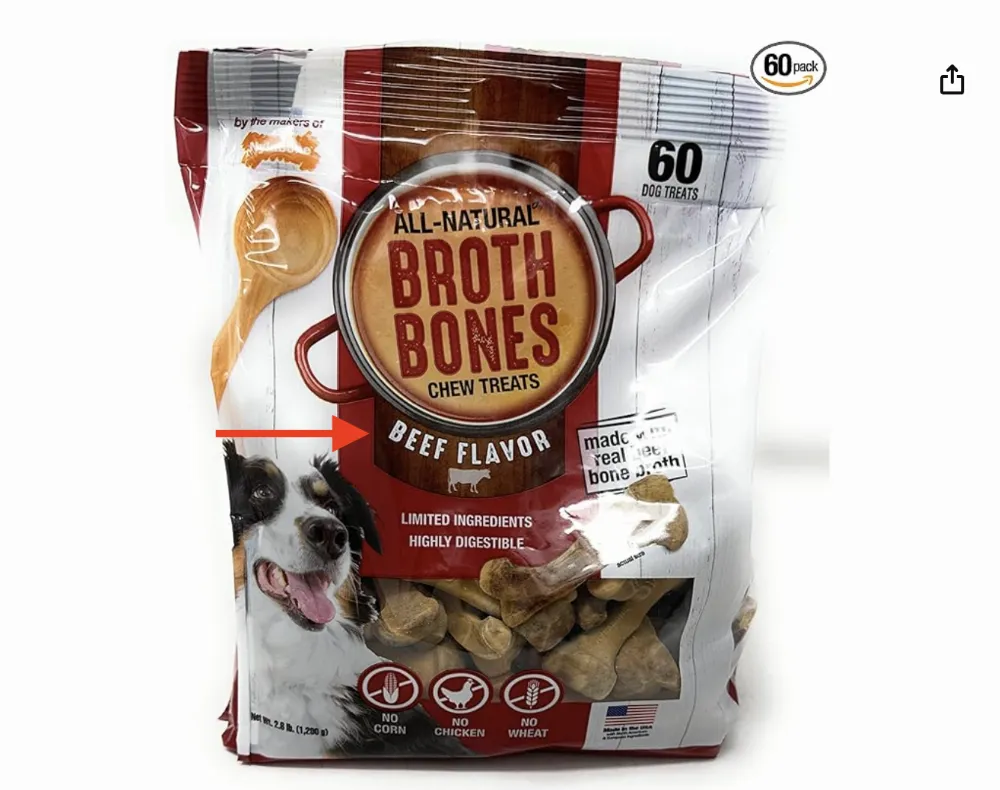
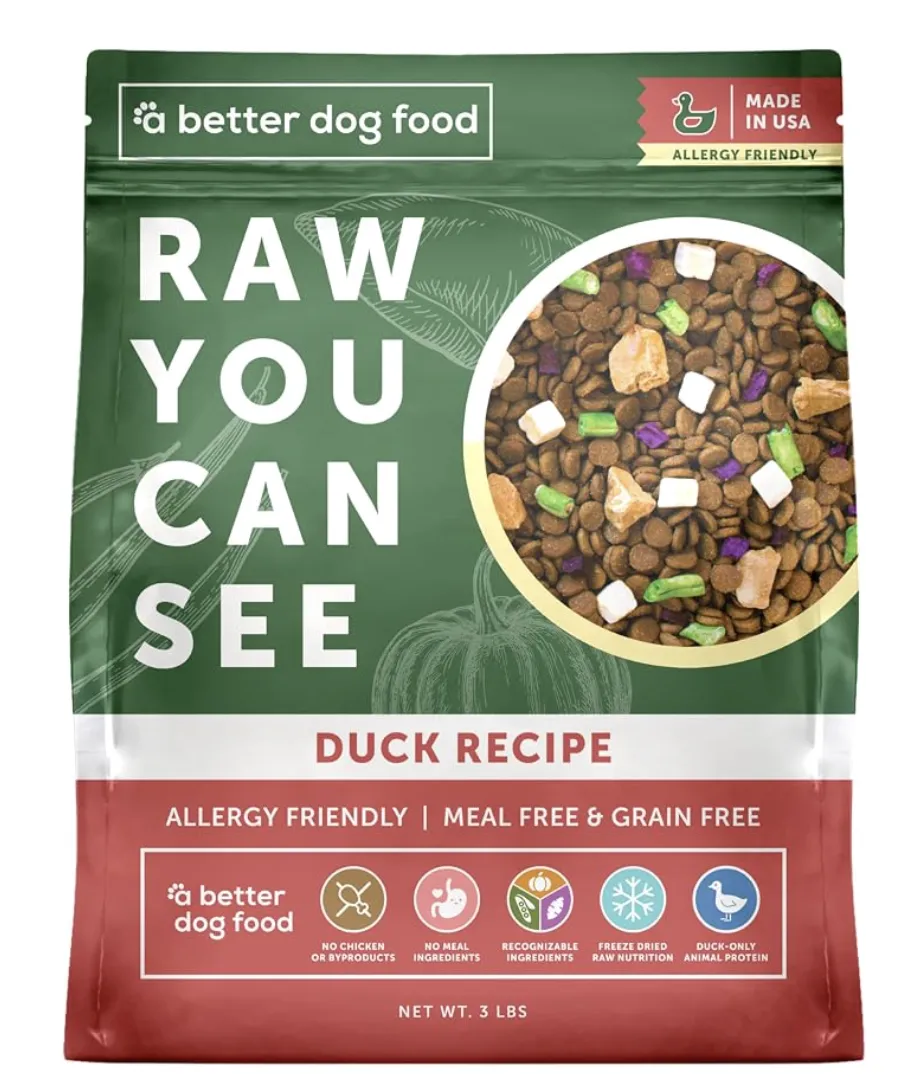
Product name and brand name. Both belong on the PDP, per AAFCO's labeling guidance. The product name also comes with its own quirks: if you're using a claim like "Beef Flavor," the word "flavor" has to match "beef" in font, size, and color — no fine-print disclaimers allowed.
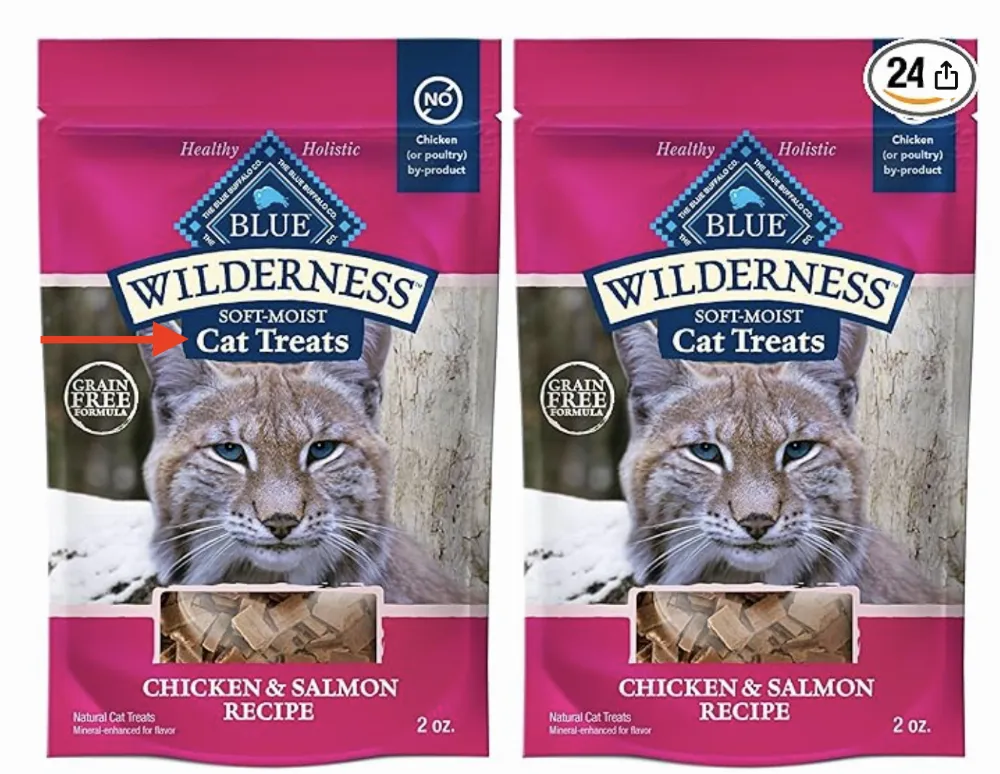
Species. The intended species (dog, cat, ferret, whatever you're feeding) must be conspicuously stated in words on the PDP, according to AAFCO. It doesn't need its own line; it can live right in the product name, like "Salmon Treats for Cats."
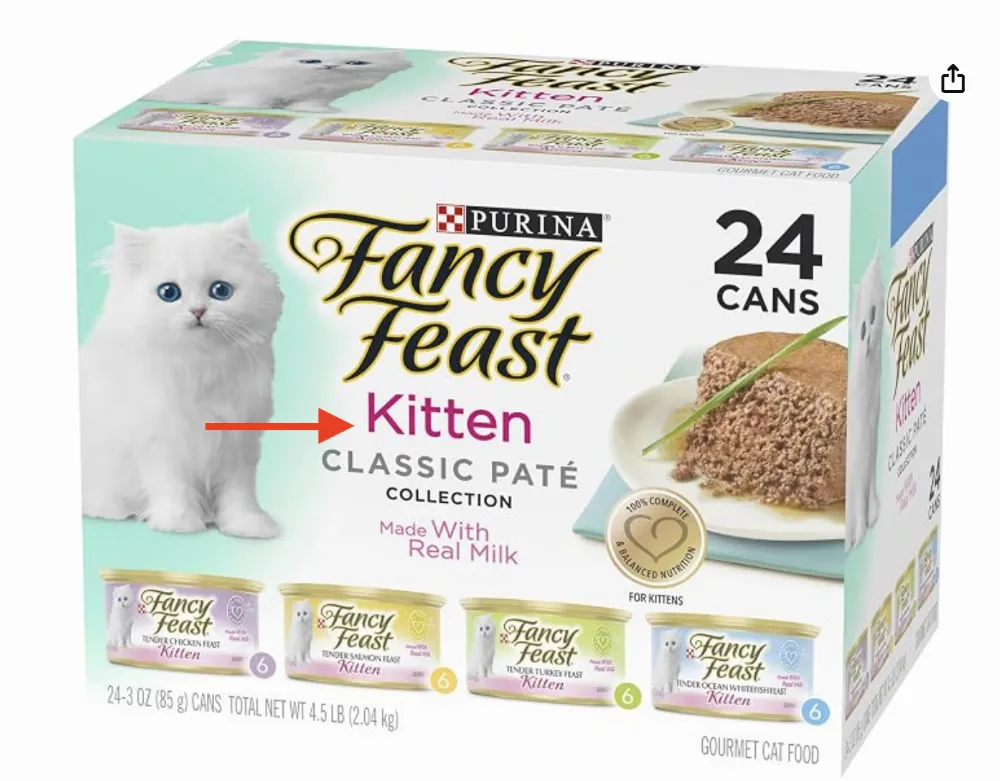
Lifestyle and life-stage cues. Not always a strict legal mandate, but most pet brands front-load life-stage info (puppy, senior, weight management) because it's what actually drives the purchase, and it dovetails with the nutritional adequacy statement required elsewhere.
One catch: treats, snacks, and supplements are exempt from that full adequacy statement — but only if the PDP conspicuously says so. Skip that word, and you lose the exemption.
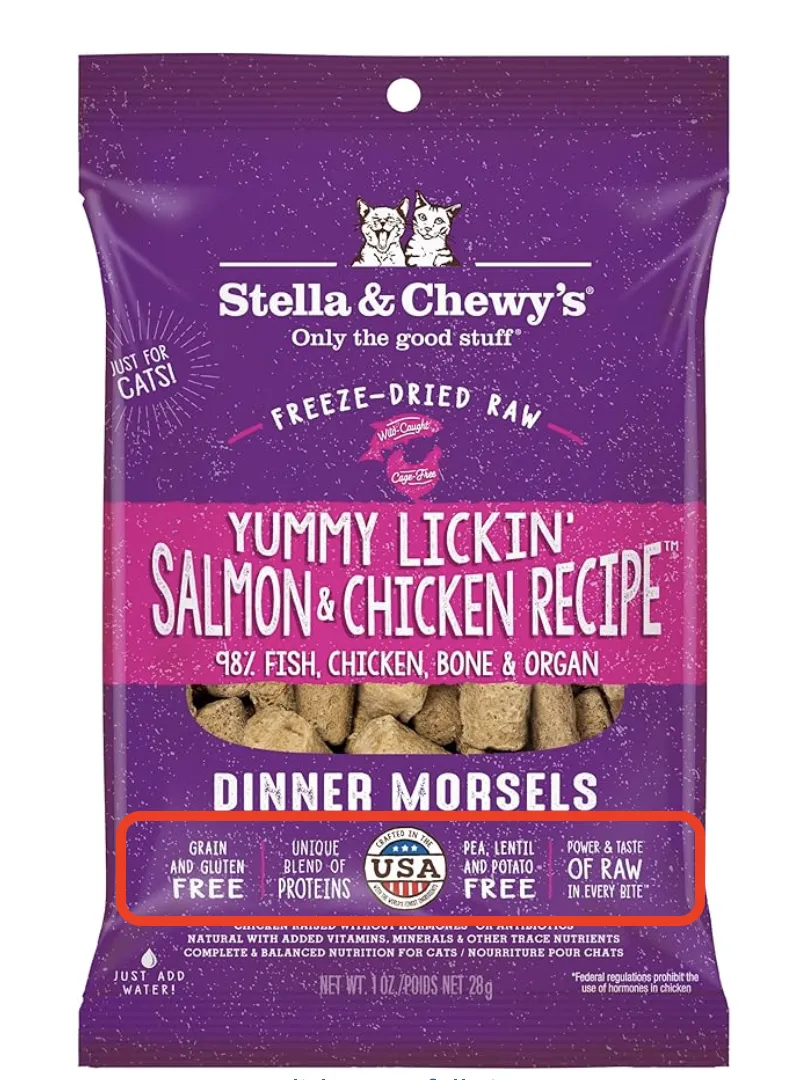
Other characteristics. Grain-free, limited-ingredient, food recipe, certifications — fine to include, but keep them visually secondary to name, species, and quantity. They're pet marketing, not legal requirements, and shouldn't crowd out what actually has to be there.
Here are the 15 most effective pet food marketing strategies to inspire you and 3 best pet marketing campaigns to learn from.
4. Add Net Weight or Volume
The net quantity statement gets its own rulebook about placement, format, and spacing. So treat it as its own design object.
Placement. It belongs in the bottom third of the PDP, in lines running parallel to the base of the package as it sits on a shelf.
Units. Both avoirdupois (pounds/ounces) and metric units are required — no picking a favorite.
Spacing. It needs breathing room: at least the height of its own lettering from text above or below, and roughly twice the width of a capital "N" from anything to its left or right.
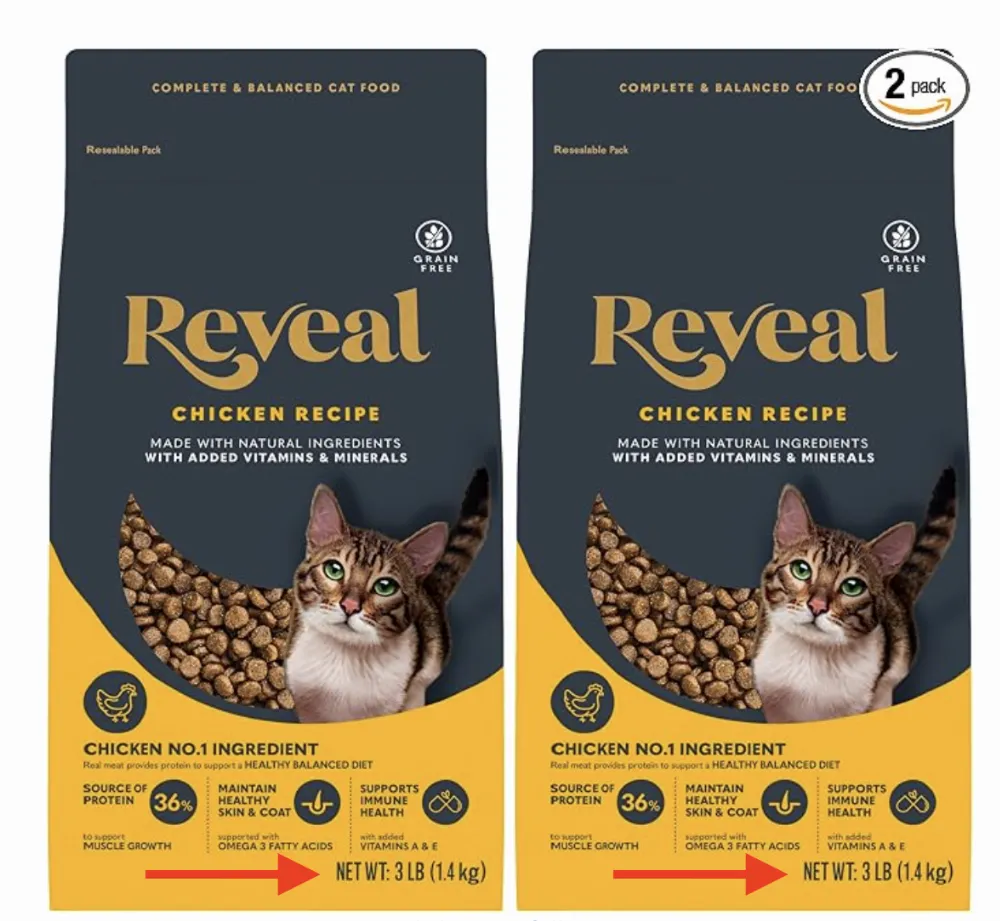
No exaggeration. Words like "jumbo" or "full" that inflate the perceived quantity are off the table near this statement.
Small-package exception. Packages with a PDP of 5 square inches or less get a break on the strict bottom-third placement rule — there's often no "bottom third" to speak of on something that small.
Small trick for you: lock the net quantity position first, before anything else on the panel.
Sell your pet products on Amazon? Read our article about pet food regulations on Amazon in 2026. It’s good to know.
5. Ensure Readability for Various Users
A PDP should do both: check every legal box and win the person holding the bag. Readability is baked directly into the "conspicuous and legible" standard regulators use.
A few practical tips for you:
- Use dark text on light backgrounds (or the reverse). It reads better than color-on-color ones. A photo or texture under mandatory copy can technically meet the type-size rule and still make info difficult to read.
- Don't design to the legal minimum type size if you've got room to go bigger. Pet food shoppers skew older.
- Give the net quantity zone breathing room. Cramped line spacing is a common reason food labels get flagged even when the letters are technically tall enough.
- Try the grayscale test. If your PDP still reads clearly with the color stripped out, your palette is doing its job instead of covering for a weak layout.
6. Be Sure That Photos Don't Hide Important Text
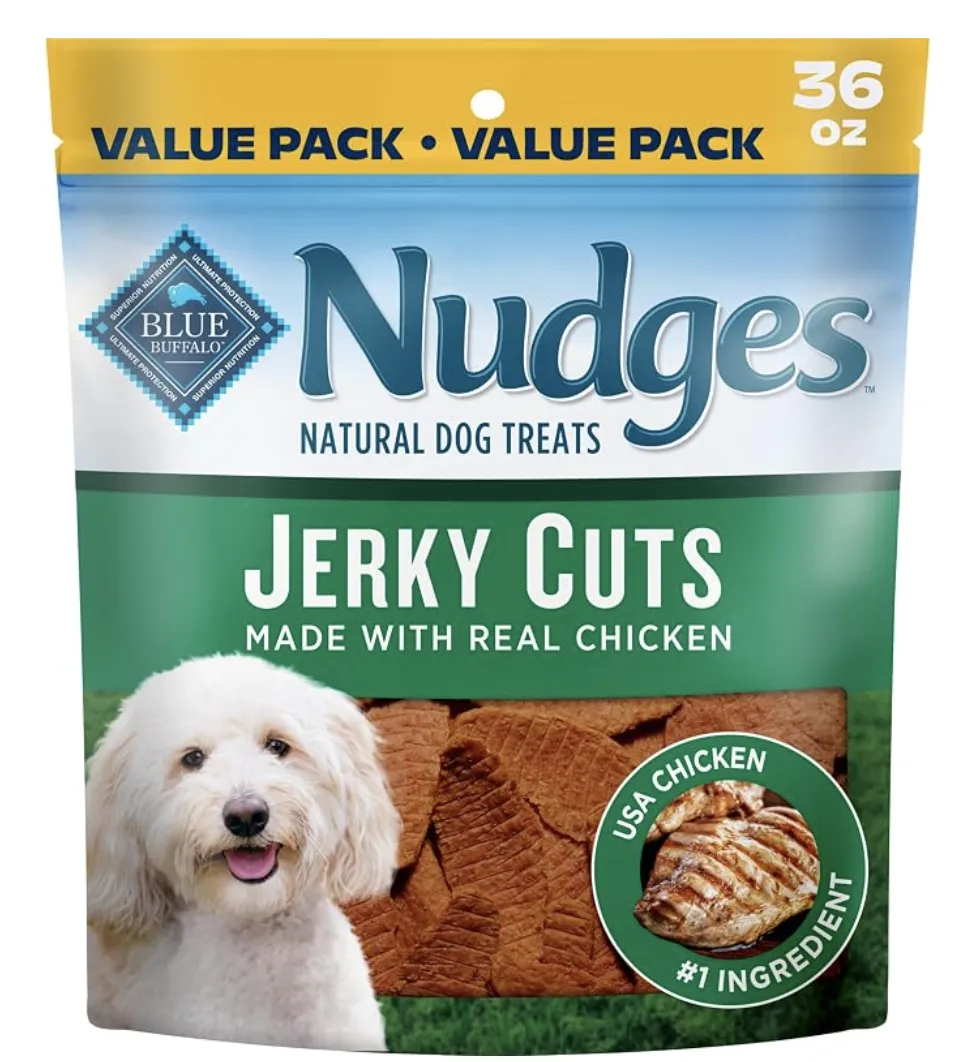
A glossy photo of kibble tumbling into a bowl sells pet food. It just can't do so at the expense of the text underneath it.
The rule to design around: the PDP must fit everything required without obscuring it behind design, imagery, or crowding. In practice:
-
Never lay mandatory text directly over a busy patch of photo — build in a solid band, gradient overlay, or dedicated white space instead.
-
Keep photography out of the bottom third where the net quantity statement lives, or make sure that zone still has strong contrast if imagery bleeds through.
-
If you're using a die-cut window to show the actual product, route the artwork so it doesn't slice through any required text block.
-
Save your richest photography for the parts of the panel with no mandatory copy — usually the upper-middle, above the net weight zone and below the brand lockup.
7. Test the PDP on Mobile
Most pet owners are scrolling a product photo on their phone before they ever touch the actual bag — so your PDP needs to hold up as a thumbnail, not just under store lighting.
Before finalizing:
-
Shrink the PDP down to a typical e-commerce thumbnail size (roughly 300–500 pixels wide) and check whether the brand, species, and key claims are still legible.
-
Check contrast on an actual phone screen in daylight since outdoor brightness is far less forgiving than an office monitor.
-
Zoom in on the mandatory text the way a shopper would on a marketplace listing, and make sure it holds up without blurring.
-
If you sell through multiple retailers, check how each one crops or resizes your primary image, as some templates are a lot more aggressive than others.
None of this changes your legal obligations, but it protects the commercial value of the compliant label you just spent all that time building.
8. Scan Through the Regulatory Checklist for PDPs
Before anything goes to print, run through this:
- PDP placement matches your container shape (front face, 40% rule, or circumference rule for cylinders)
- PDP area calculated in square inches
- Net quantity statement type size matches the area-based minimum table
- All other mandatory PDP text is at least 1/16 inch in height
- Brand name and product name are present and accurate
- Species is conspicuously stated in words (in the name or as a standalone line)
- Net weight/volume appears in the bottom third, in both avoirdupois and metric units
- Net quantity statement has correct spacing from surrounding text
- No exaggerating qualifiers (e.g., "jumbo," "full") near the quantity statement
- "Flavor" (if used) matches the size, font, and color of the named ingredient
- Treat/snack/supplement products are conspicuously labeled as such, if claiming that exemption
- No mandatory text is obscured by photography, textures, or crowding
- Design holds up at thumbnail size on mobile
- Alternate PDPs (if any) duplicate all required information
If a claim or graphic doesn't clearly belong on the front of the package after you've worked through this list, move it to the information panel instead. Don't try to squeeze it onto the Principal Display Panel just because there's space.
Why a Compliant PDP Matters Beyond the Label
A PDP is the first marketing surface a shopper sees, so it's worth treating as a brand identity tool as much as a compliance one.
-
For small businesses entering the pet industry, a clean PDP is often the cheapest lever available for customer acquisition, since it does double duty on the shelf in the pet supply aisle and again online.
-
A label that's easy to scan and honest about contents supports brand awareness and, over time, brand loyalty, because pet owners remember packaging that didn't confuse them at the point of sale.
-
A panel that clearly speaks to your target audience (puppy owners, senior-dog households, grain-free shoppers) extends your market reach without driving up customer acquisition costs.
-
Getting the PDP right also feeds your broader marketing strategies. Brands chasing product market fit use the PDP as a fast, low-cost way to test messaging with potential customers before putting more marketing efforts behind other channels.
-
Beyond the label itself, pairing a compliant PDP with real customer stories and consistent generation strategies for collecting customer feedback compounds the credibility a good label starts.
Together, these support sustainable growth: a wider customer base, steadier consumer demand, and business goals that don't hinge on one flashy launch. For any brand chasing long-term business goals in a crowded pet industry, that's the real payoff of getting the PDP right the first time.
Do you want a real-life example of what brand positioning means for a pet business?
Read our case study to learn how Netpeak International helped PetLock8, a GPS tracking solution for pet owners, create a complete brand platform: positioning, tone of voice, messaging framework, and lifestyle concept.
Final Thoughts
Boiled down, a solid PDP comes from four moves:
-
Know exactly where it sits based on your package shape
-
Calculate its area (since that number drives your type sizes)
-
Place the product name, species, and net quantity statement where the rules require
-
Design everything else around those anchors instead of fighting them.
Skip any one of these, and you're the brand explaining to a printer why the whole run needs to be redone.
Still unsure whether your design clears the bar? The AAFCO and FDA resources linked throughout this guide are the best place to double-check, since these rules do shift over time. And when in doubt, get your final artwork in front of a regulatory affairs specialist or your state feed control office before it hits the press — a quick review is a lot cheaper than a reprint.
FAQ
Is a PDP the same as the full package label?
No. The PDP is just the front-facing panel — the part a shopper sees first. The full label also includes the information panel (usually the back or side), which carries the guaranteed analysis, ingredient list, nutritional adequacy statement, feeding directions, and manufacturer contact info.
What if my package has multiple fronts?
If it's designed to be displayed from more than one angle — say, a shelf-ready case shown two ways — each qualifies as an "alternate" PDP, and all required information has to be duplicated on every one of them.
Does the PDP apply to pet treats?
Yes, with some flexibility. As long as the PDP conspicuously identifies the product as a treat, snack, or supplement, they're exempt from the full nutritional adequacy statement.
Should I also include ingredient and nutrition information in the PDP?
Generally, no. The guaranteed analysis and ingredient statement live on the information panel. The PDP is reserved for identification — brand, product name, species, net quantity — plus any voluntary claims that fit without crowding the required text.

 0
0
 0
0
 0
0
 0
0
Related Articles
Amazon's AI Now Builds Complete Looks on Product Pages. How Do Brands Make Sure the Bundle Is Theirs?
Amazon now uses AI to assemble complete, shoppable looks around a single product, and it fills those looks with whichever brands its model picks.
Business Apps in the US: iOS vs. Android, September 2026
We searched for US App Store and Google Play data to see what business apps professionals, shoppers, and investors actually installed in September.
What Happens When Amazon Suppresses Your Listing? The New 2026 Rules
Under the new 2026 rules, Amazon warns you first and gives you a grace period to fix the issue.