
15 Most Effective Pet Food Marketing Strategies in 2026
The strongest pet food marketing strategies are all about social proof and personalization. Brands that win use viral formats like TikTok & Instagram “pet transformation” challenges, subscription boxes, breed- and age-based meal plan builders, UGC contests, storytelling, and live feeding videos. They work with micro petfluencers, use vet co-created formulas, and science-backed production.
Also, leaders in the pet market build their brands with fresh-food positioning, seasonal drops, gamification, and donation-based marketing campaigns.
We've chosen the 15 most effective digital strategies for you. And yes, they work just as well for local businesses as they do for the big players!
You don’t need to use all marketing strategies for pet food you learn, just try to understand which ones match your product, audience, and growth stage. Then run them in a way that brings your online business brand loyalty and repeat customers.
What Are the Nuances of Doing Pet Food Marketing?
The main challenges of the pet food industry are: you’re marketing to humans, but every decision is made with a pet in mind; reputation often matters more than price; visuals are critical; and you need to create different digital strategies for different pets.
After working with pet food brands on Amazon for years, I can tell you with certainty that your brand isn’t just competing on price. You also need to compete on trust and care.
If you understand this before your competitors do, you’ll always have loyal customers even with enormous market growth — the pet food market could reach $161.7B in revenue (Statista, 2026).
Let's discuss what pet businesses need to know to gain a competitive advantage.
-
Market to Humans, but Be Pet-Oriented. Your end user is the pet, not a person. So, balance pet parents' emotions about their pet's well-being with logic (quality ingredients and safety) in your messaging.
-
Reputation First, Price Second. Pet owners won’t easily switch to a cheaper product if they’re unsure about quality. They need to see customer feedback, ratings, and social proof first.
-
High-Quality Visuals Are a Must-Have. Show the best ingredients, happy pets, and pet health benefits in every possible way. It is especially important for your packaging design, product images, and A+ content.
-
Create Different Marketing Strategies for Different Pets. Dogs vs. cats vs. niche segments (like senior pets or allergies) all need different messaging. Even in one category, a “puppy growth formula” and a “sensitive stomach recipe” speak to completely different worries.
If you want to get this right, call us at Netpeak for professional services. We’re experts in pet brand marketing and can help you to build a food branding people feel good about choosing again and again.
Strategy 1: TikTok & Instagram “Pet Transformation” Challenges
Pet owners trust what they can see. Transformation content on the media platforms removes the biggest barrier: “What if it doesn’t work for my pet?” It also fits with how people like content today: short and highly visual.
Each challenge participant becomes a micro-advocate, creating user-generated content (UGC) in social media. Then you can reuse the best pieces for pet food advertising, product page videos, and retargeting creatives.
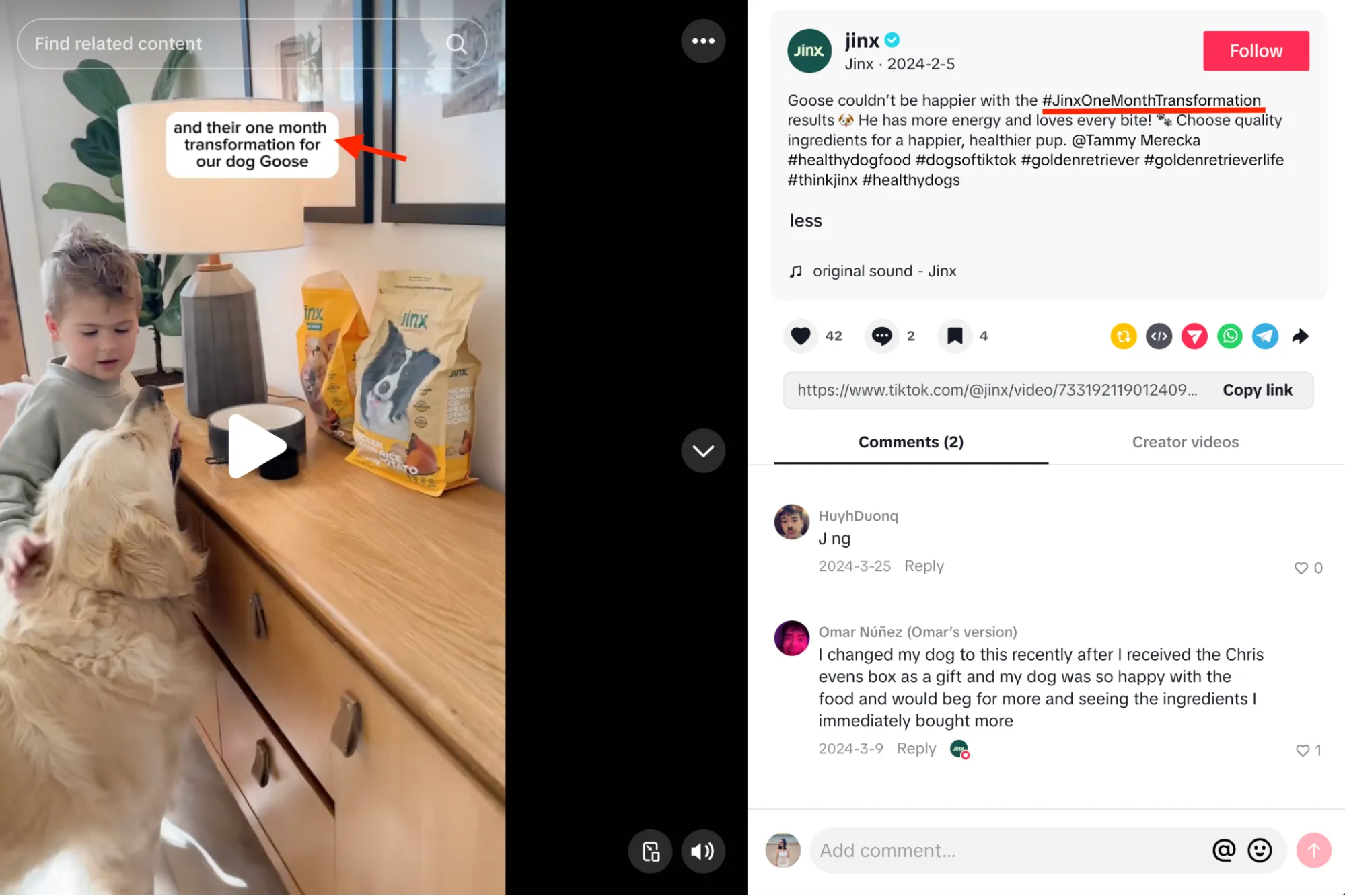
For example, Jinx created a challenge, “One month on our product,” and launched it with a few micro petfluencers. They used a branded hashtag #JinxOneMonthTransformation for participants' own videos.
You should use TikTok & Instagram “Pet Transformation” challenges if:
-
You want to build trust through visible results to have lower customer acquisition costs
-
You’re a functional pet food (e.g., digestion or weight control), where benefits can actually be shown over time
-
You’re a DTC and Amazon-first brand and want to strengthen product pages with UGC
Did you hear about the new Amazon review sharing across variations update? Read our article to find out how it would impact pet products!
Strategy 2: Subscription Boxes
Pet food is perfect for subscriptions, because people need to order it regularly. Сonstant chasing new customers on the food market is expensive, so you need to find a way to build long-term relationships.
For pet owners, a subscription solves a real problem — never running out of food. For an online store, it increases lifetime value because once a pet adapts to a food, switching becomes a serious decision.
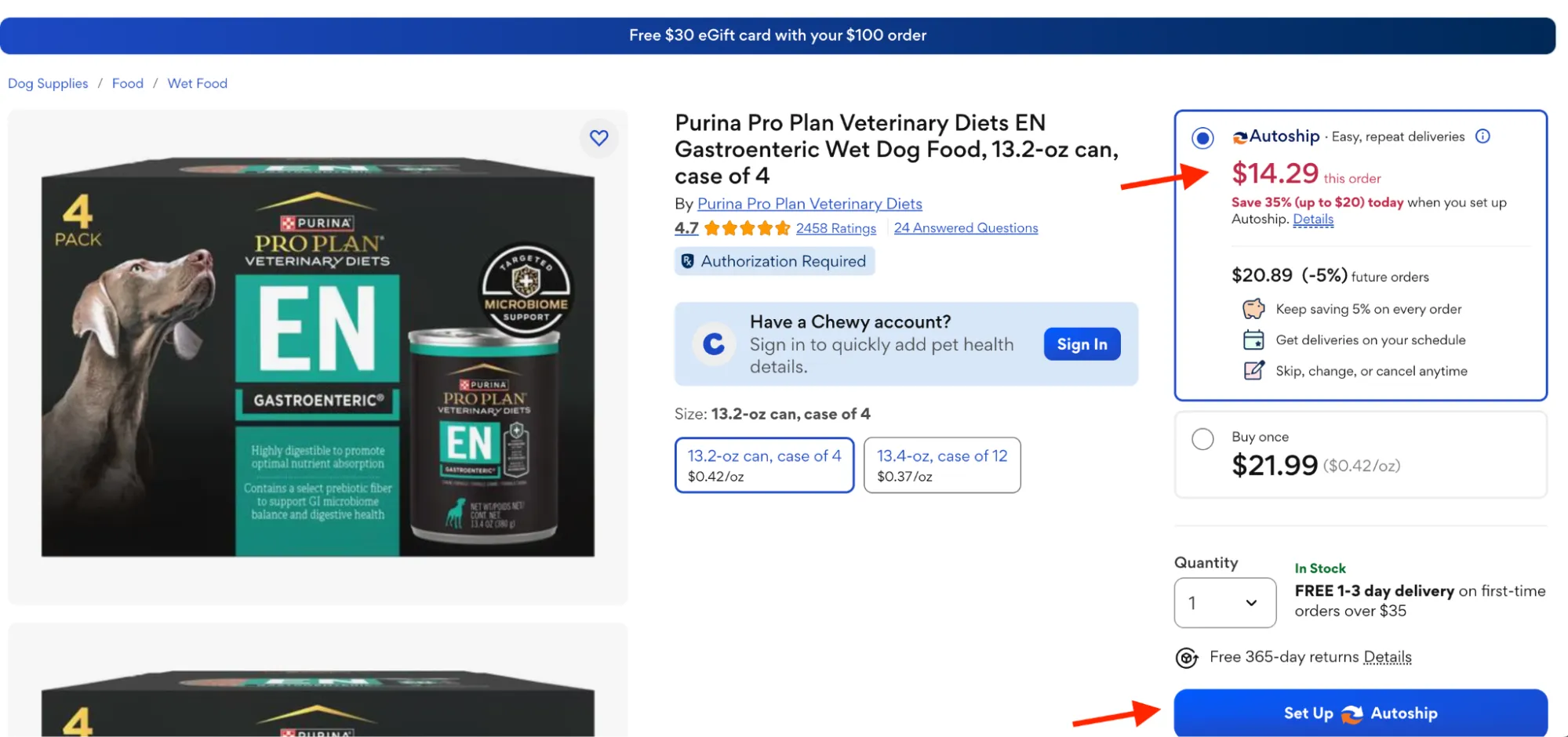
For example, Purina proposes “Autoship” for repeat deliveries on Chewy. They show that buying by subscription would be cheaper ($14.29 vs $21.99), and customers receive an additional 5% discount on future orders.
Additionally, Purina shows that customers can skip, change, or cancel their subscription at any time.
You should use subscription boxes if:
-
You’re a DTC-first brand and want to build stable revenue through a retention strategy
-
You’re a growing brand looking to increase LTV instead of relying only on customer acquisition
Strategy 3: Partnerships with Micro Petfluencers
Micro petfluencers with 5K-100K followers could work better and cost less than big creators. Their audiences feel like communities, so recommendations feel more genuine. It means more trust and customer engagement.
At the start, that’s cheaper. Instead of one big blogger, you can work with a bunch of smaller ones. Plus, in pet categories, owners are emotionally invested, so when people they trust recommend products, they believe.
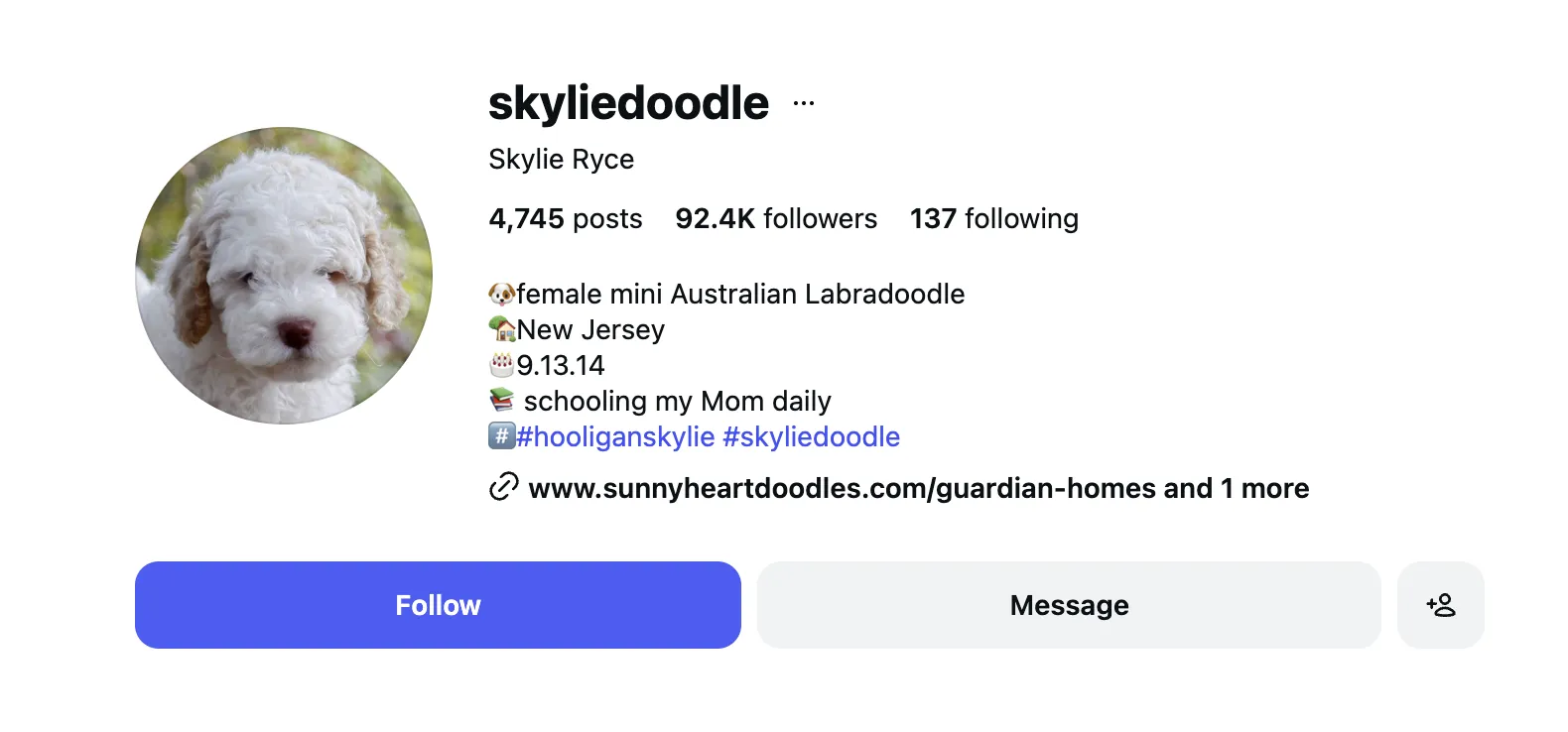
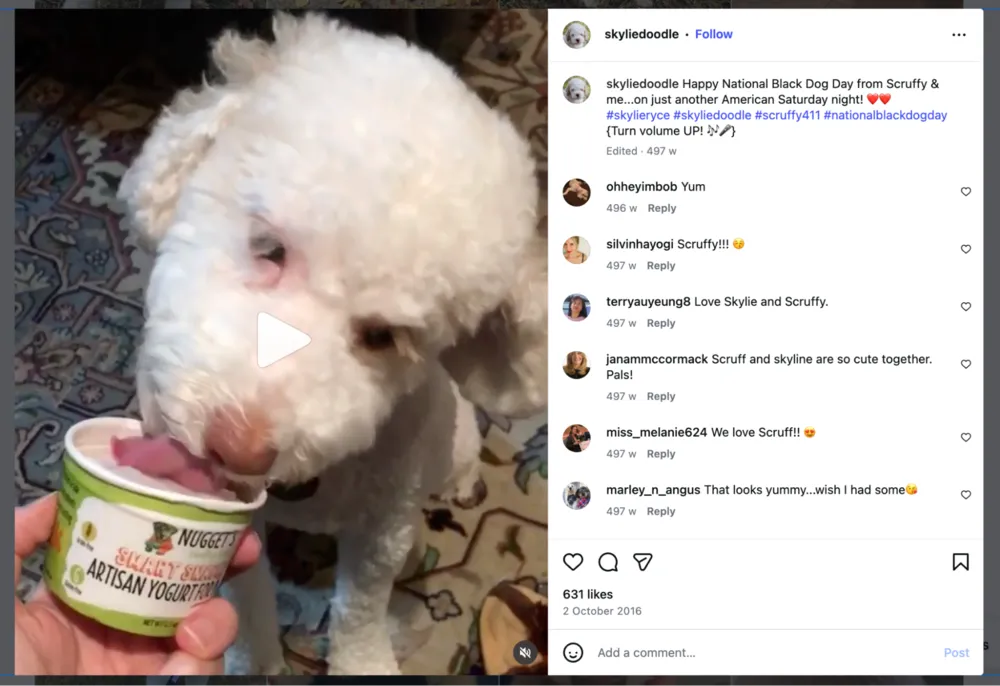
For example, Healthy Eats partnered with skyliedoodle, a micro petfluencer brand with 92.4K Instagram followers. They demonstrate how a cute dog enjoys eating their artisan yogurt, which is enough to win the hearts of dog lovers.
You should use partnerships with micro petfluencers if:
-
You want to build brand awareness without massive budgets or check product-market fit
-
You’re a social-first brand and want to fuel content pipelines and paid social creatives
-
Want to enter new markets and localize trust quickly through familiar voices
Strategy 4: Meal Plan Constructors for Various Ages and Breeds
People are anxious to feed their pets the wrong portion or formula, especially for puppies or pets with sensitivities. A meal plan constructor helps to remove that uncertainty.
It positions your brand as an expert, while also increasing conversion rates — because once people see a plan tailored to their pet, they’re far more likely to follow through and buy.
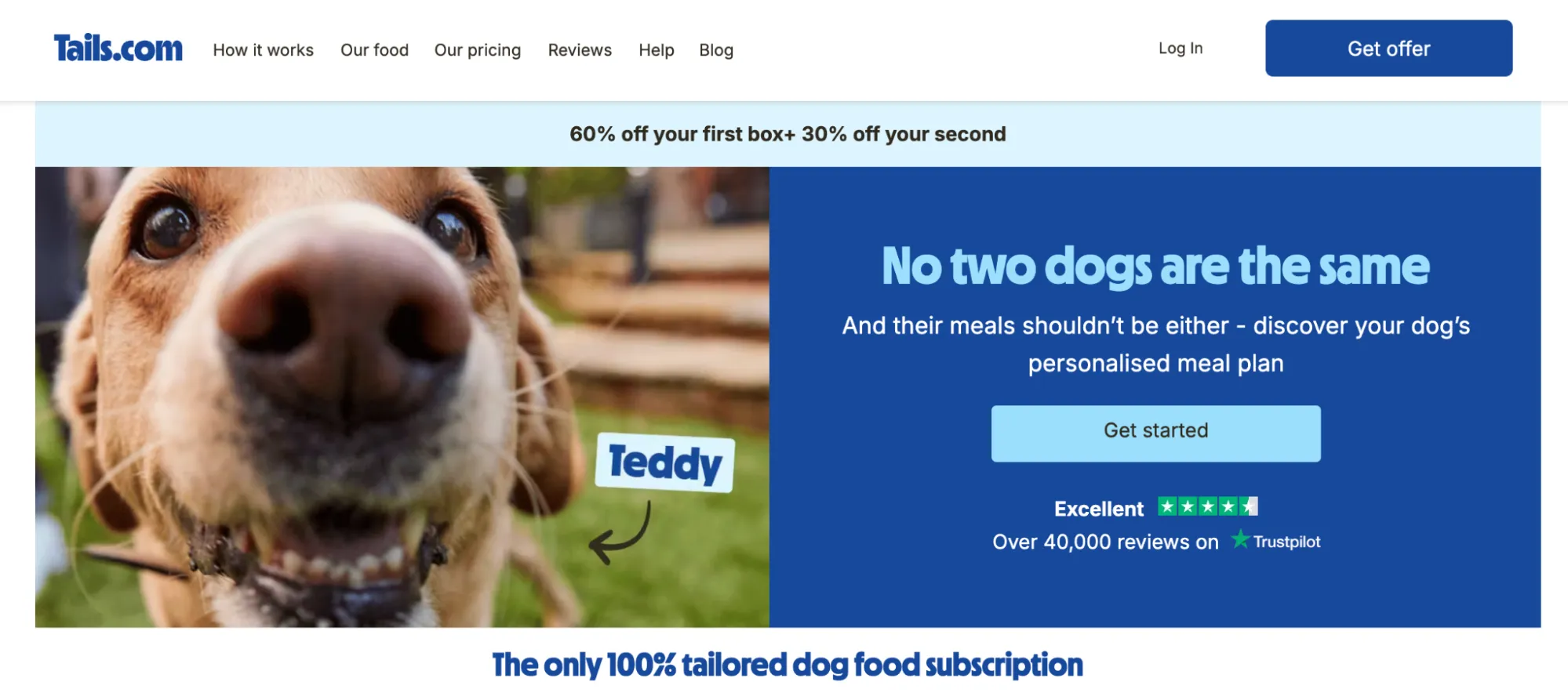
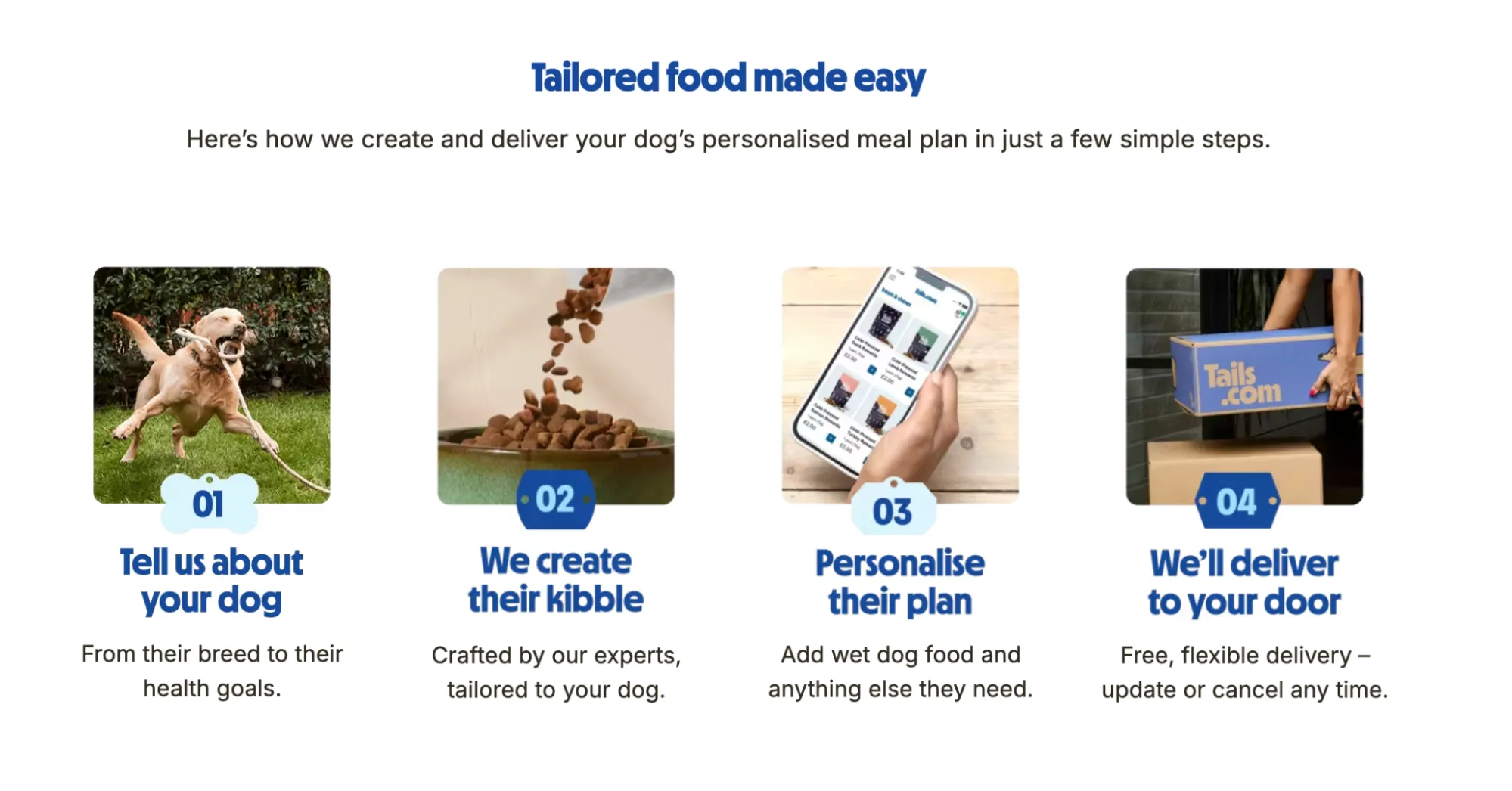
For example, Tails.com offers personalized meal plans and explains how it works: pet parents take a quiz, the company creates a kibble, and personalizes a plan for a pet, and then delivers it to their doors.
You should use meal plan constructors if:
-
You’re a subscription-based brand that wants to drive personalized orders
-
You offer multiple SKUs or formulas, so plan construction helps to simplify the choice
-
You’re actively building authority and want to demonstrate expertise with inbound marketing
Strategy 5: Science-Backed Production Technology
You can’t just write everywhere “high-quality” or “natural” without any proof. You need to back up these claims with something credible, for example, scientific research.
Science-backed production (e.g., cold-pressing, air-drying, low-temperature cooking, nutrient preservation methods) gives you expertise and trust.
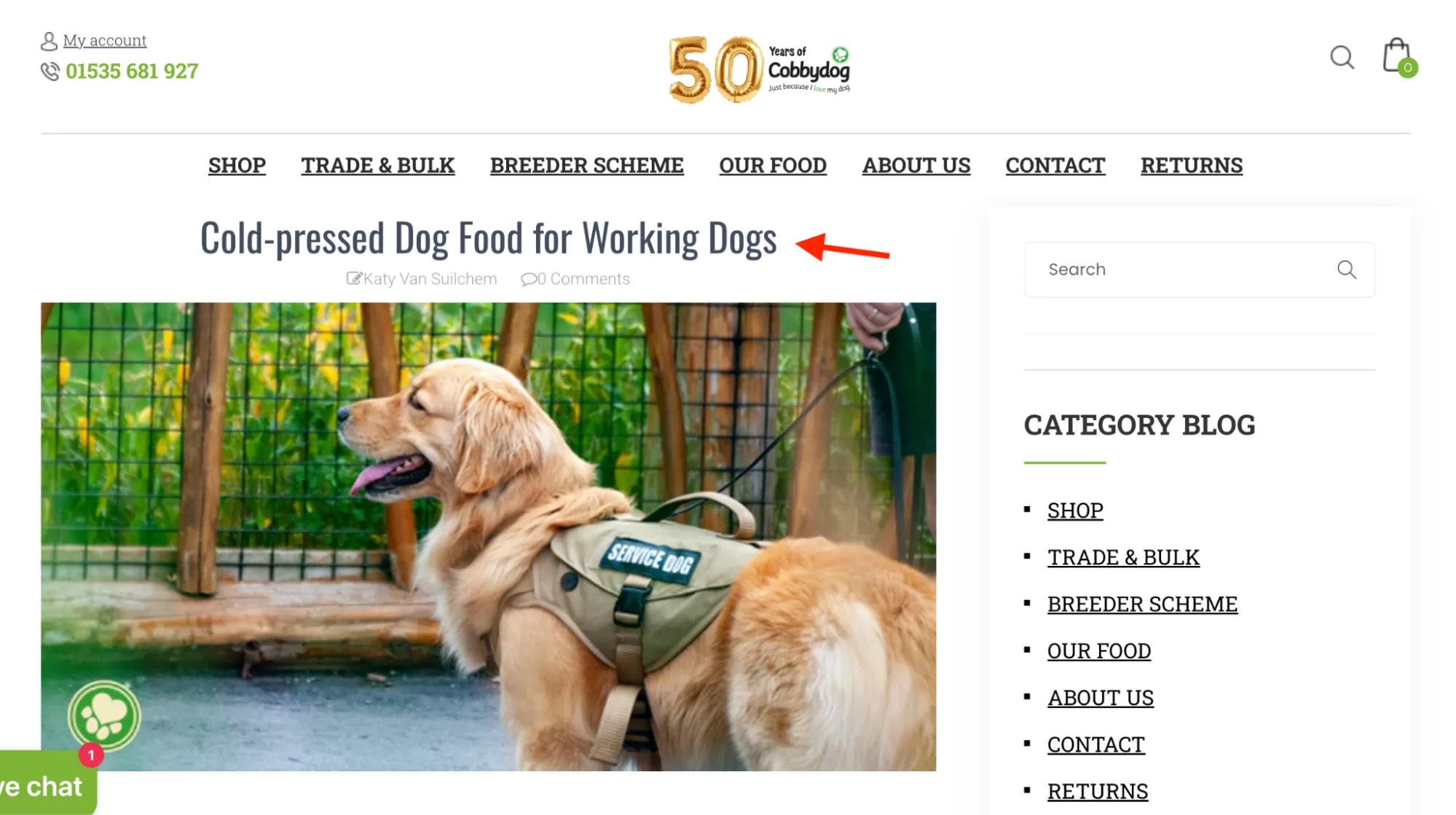
For example, Cobbydog writes articles to translate complex processes into simple messaging. They don’t just name the technology but explain why it matters for the pet.
You should use science-backed technologies if:
-
You’re a premium pet food brand where differentiation in online presence depends on quality and outcomes
-
You’re a fresh, raw, or minimally processed brand that needs to justify a higher price
-
You sell health-focused food products (digestion, allergies, longevity) where credibility is critical
Every niche has its own growth levers. Explore the marketing strategies designed specifically for plumbing companies.
Strategy 6: Fresh Food Positioning
People like to think that their pets get the best food possible. They want it to be less processed, more natural, and better for health. That’s why “fresh food” is so popular now.
For younger and premium-oriented audiences, fresh food feels like the obvious upgrade from traditional kibble. So, it justifies higher pricing.
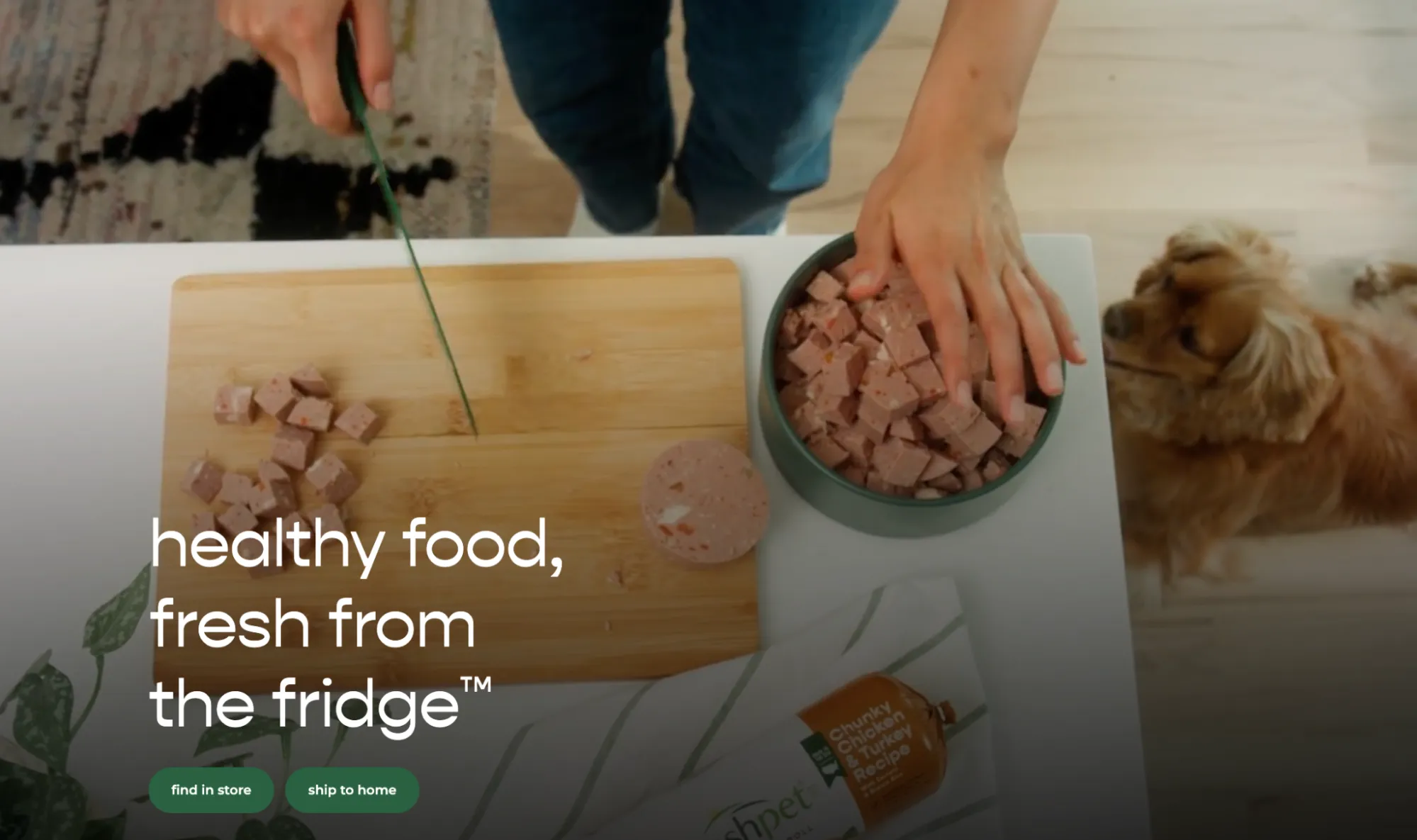
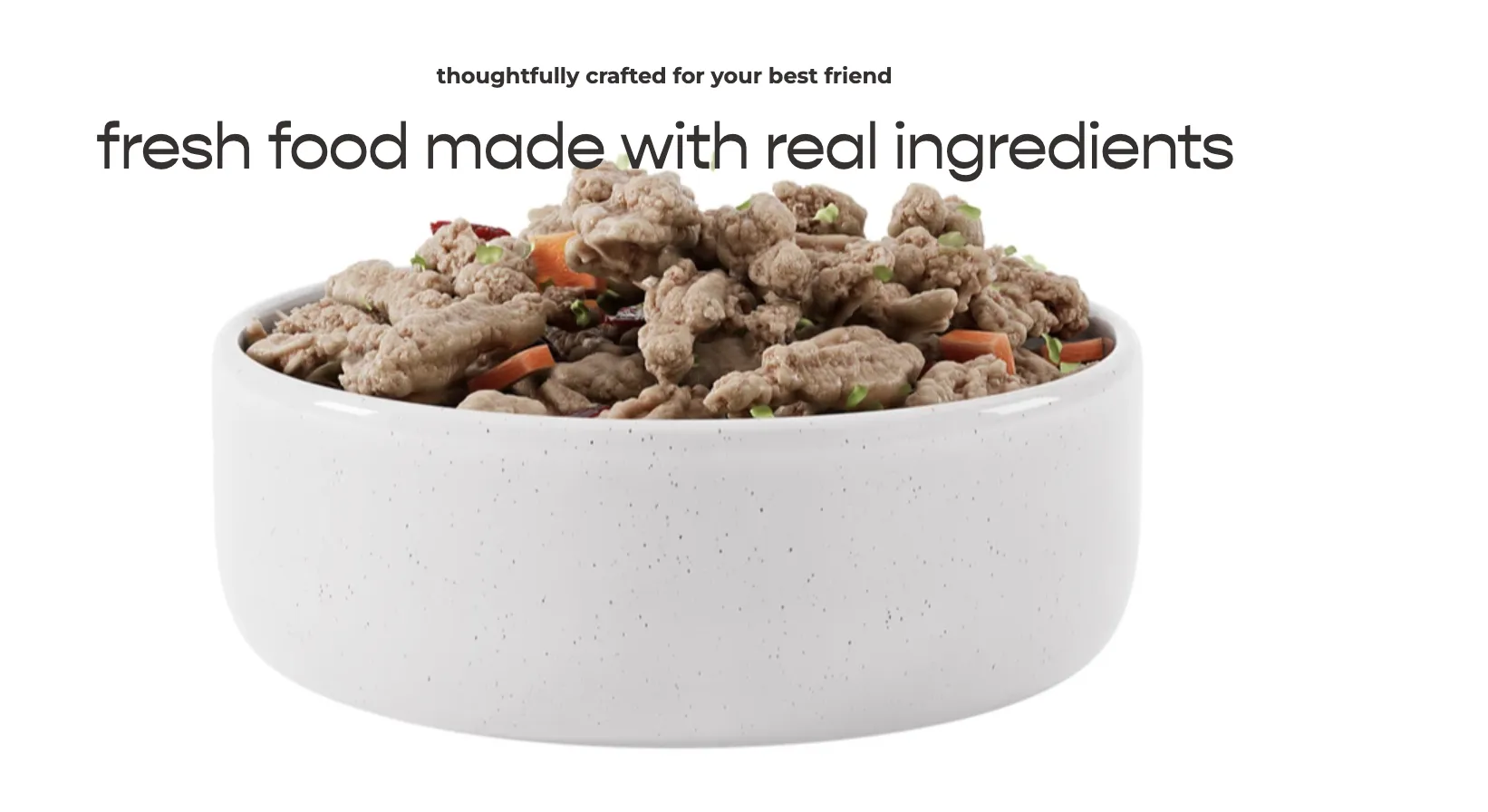
For example, Freshpet uses this pet food marketing strategy. They don’t just say “fresh” — they explain why it matters by using ingredient-first visuals (real meat, vegetables) and storage storytelling (refrigeration, batch cooking, etc.)
You should use fresh food positioning if:
-
You’re a premium or DTC brand that wants to use market segmentation, differentiate from mass-market kibble, and have sustainable growth
-
You’re a subscription-based brand, so fresh delivery reinforces quality
-
You sell health-focused food products (digestion, allergies, sensitive stomach)
-
You target younger pet owners who value fresh food and treat their pet like a child
Selling pet products on Amazon? You might want to sit down for this one. Sephora just plugged into ChatGPT — read our article to see what this means for your brand.
Strategy 7: Seasonal & Holiday Limited Editions
Pet food is usually routine and predictable, but limited editions break that pattern and give people a reason to buy now. They also tap into emotions: holidays are when people naturally want to treat their pets like family.
A “Christmas dinner for your dog” or “summer BBQ flavor” feels fun and giftable. Plus, these marketing campaigns generate buzz without requiring a full product overhaul.
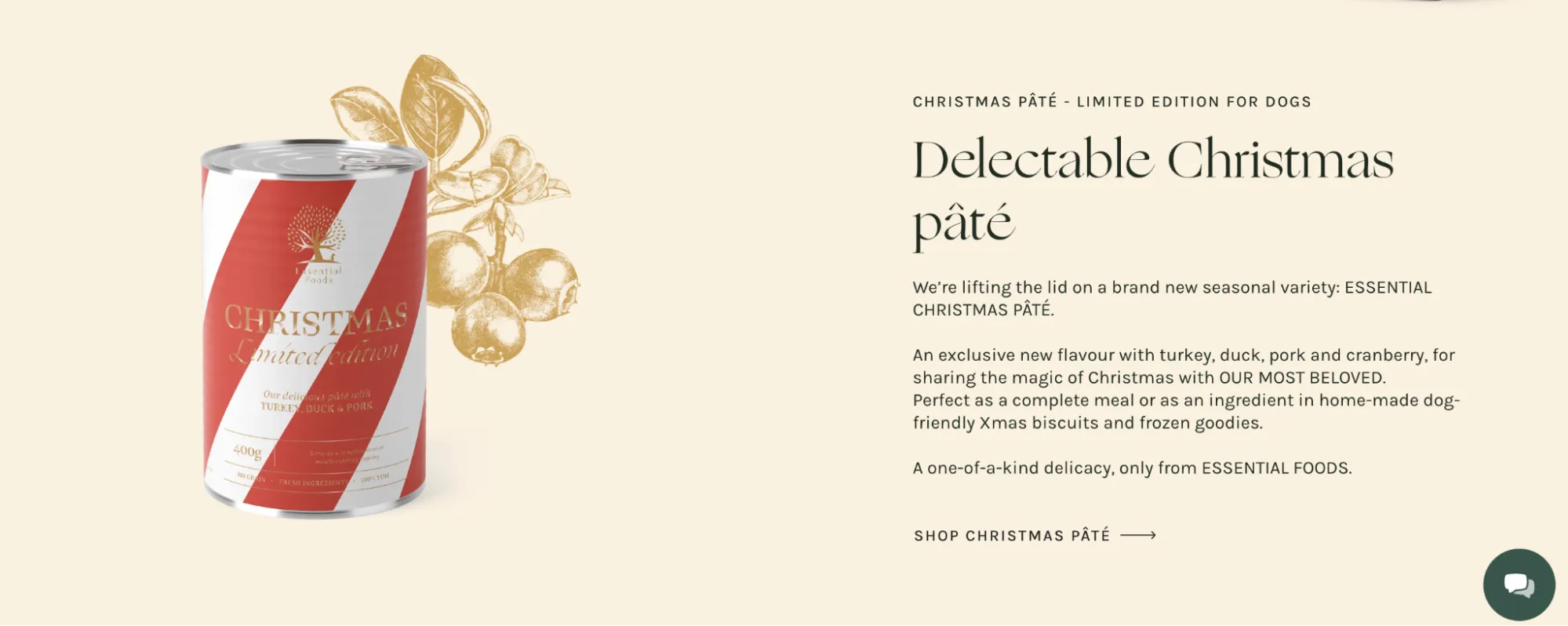
For example, Essential Foods runs “A December to Remember” campaign with Christmas dog presents, themed food packaging, and limited-time messaging (“limited edition”).
You should use seasonal & holiday limited editions if:
-
You want to find a reason to reach your loyal customers and boost repeat purchases.
-
You’re active on social media and want to create some hype around the brand.
-
You want to position products as treats or gifts, not just daily food options.
Strategy 8: Co-Created Formula with Vets
People care about their pet’s health, so they want to be sure that they feed their pet well. And when a veterinarian says they choose the right brand, they believe it.
A “co-created with a vet” formula reduces skepticism around ingredients, safety, and health claims. This is especially powerful for health-focused or sensitive categories.
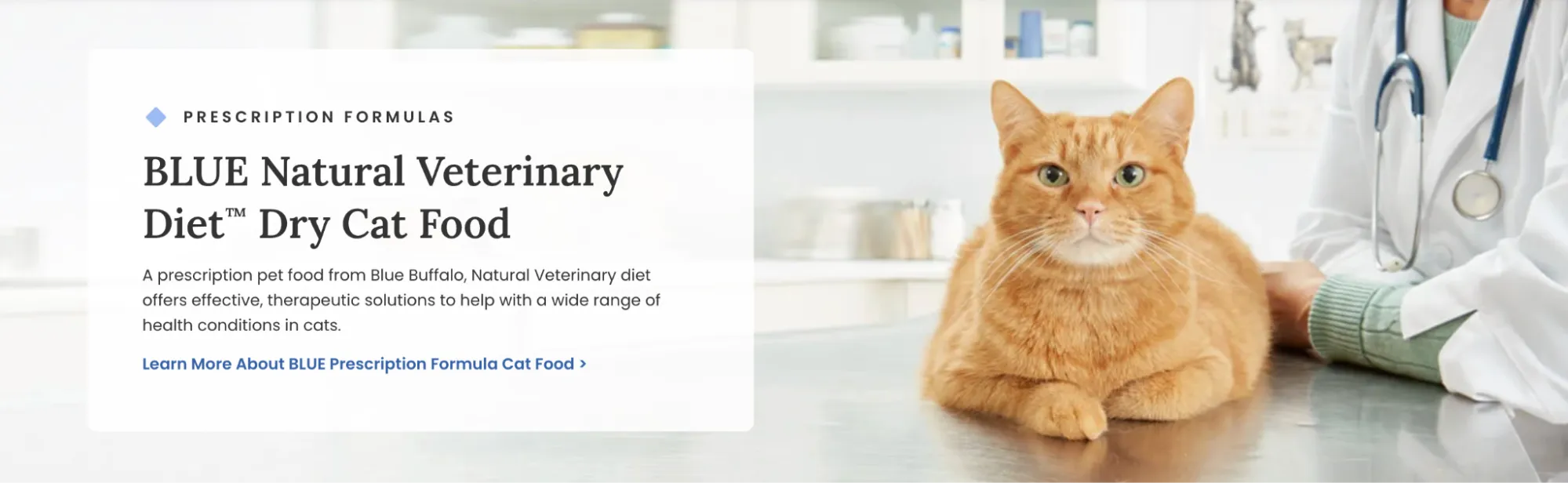
For example, Blue Buffalo made a special landing about veterinary diet to make the collaboration visible and easy to understand.
You should use vet formulas if:
-
You’re a health-focused pet food brand that wants a bigger market reach
-
You’re a new or lesser-known brand that wants to build instant credibility
-
You’re a premium brand that wants to justify higher pricing with expertise
Strategy 9: Health-First Messaging
When you shift your product positioning around health, people stop asking about its price and focus more on its long-term effect on the pet. That’s a much stronger buying trigger.
In the pet food category, people worry about allergies, digestion, weight, etc. So, health-first messaging justifies higher pricing and makes people stick with the product.
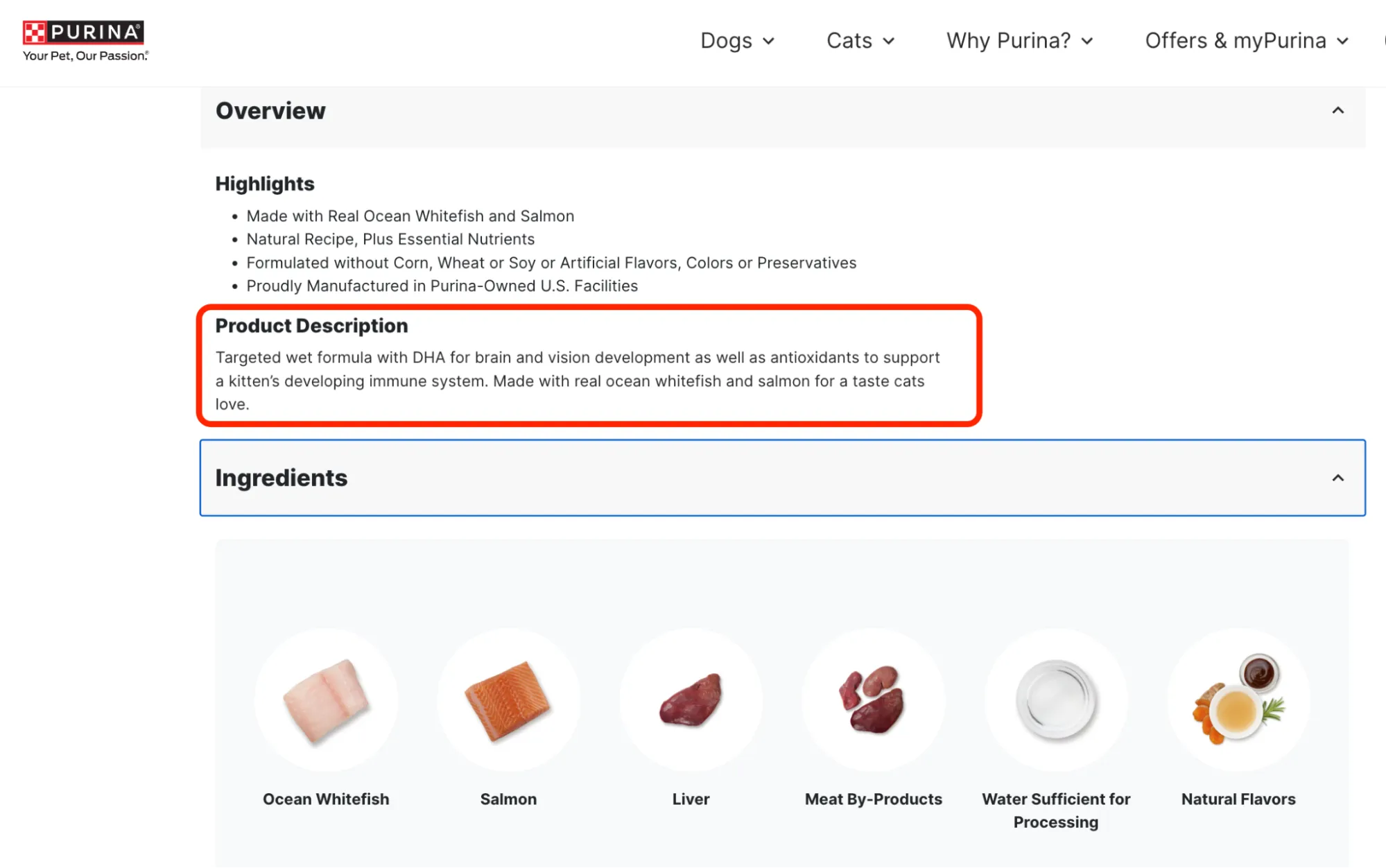
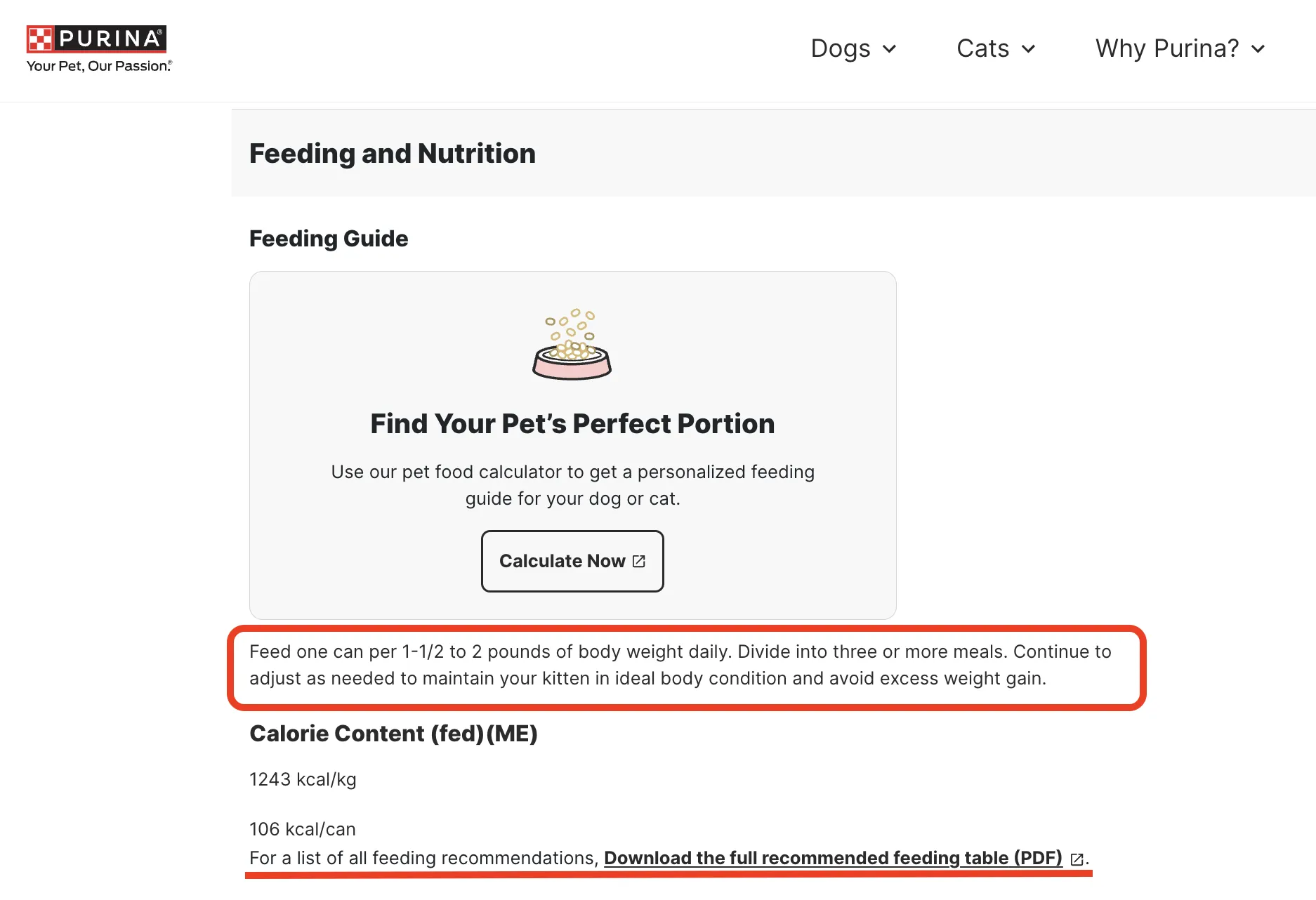
For example, Purina, in their product descriptions, translates ingredients into outcomes and prioritizes 1-2 key benefits per product (“wet formula with DHA for brain and vision development as well as antioxidants to support a kitten’s developing immune system”).
Also, they mention vet input and share Pet’s Perfect Portion Calculator to avoid excess weight gain.
You should use health-first messaging if:
-
You sell functional and specialty food products for digestion, allergies, weight management, etc.
-
You’re a new brand that wants to stand out with a benefit-driven пpositioning
-
You’re a subscription-based brand where long-term results matter most
Strategy 10: Gamified Feeding Product Line
Feeding can become a routine task, so why not turn it into an activity that stimulates your pet’s body and mind? This adds value for owners because they’re not just feeding their pets; they’re enriching their lives.
It’s increasing customer satisfaction and also differentiates your brand in a crowded market — especially when many products look and sound the same. Bonus: interactive feeding slows eating, which is a real concern for many pet owners.
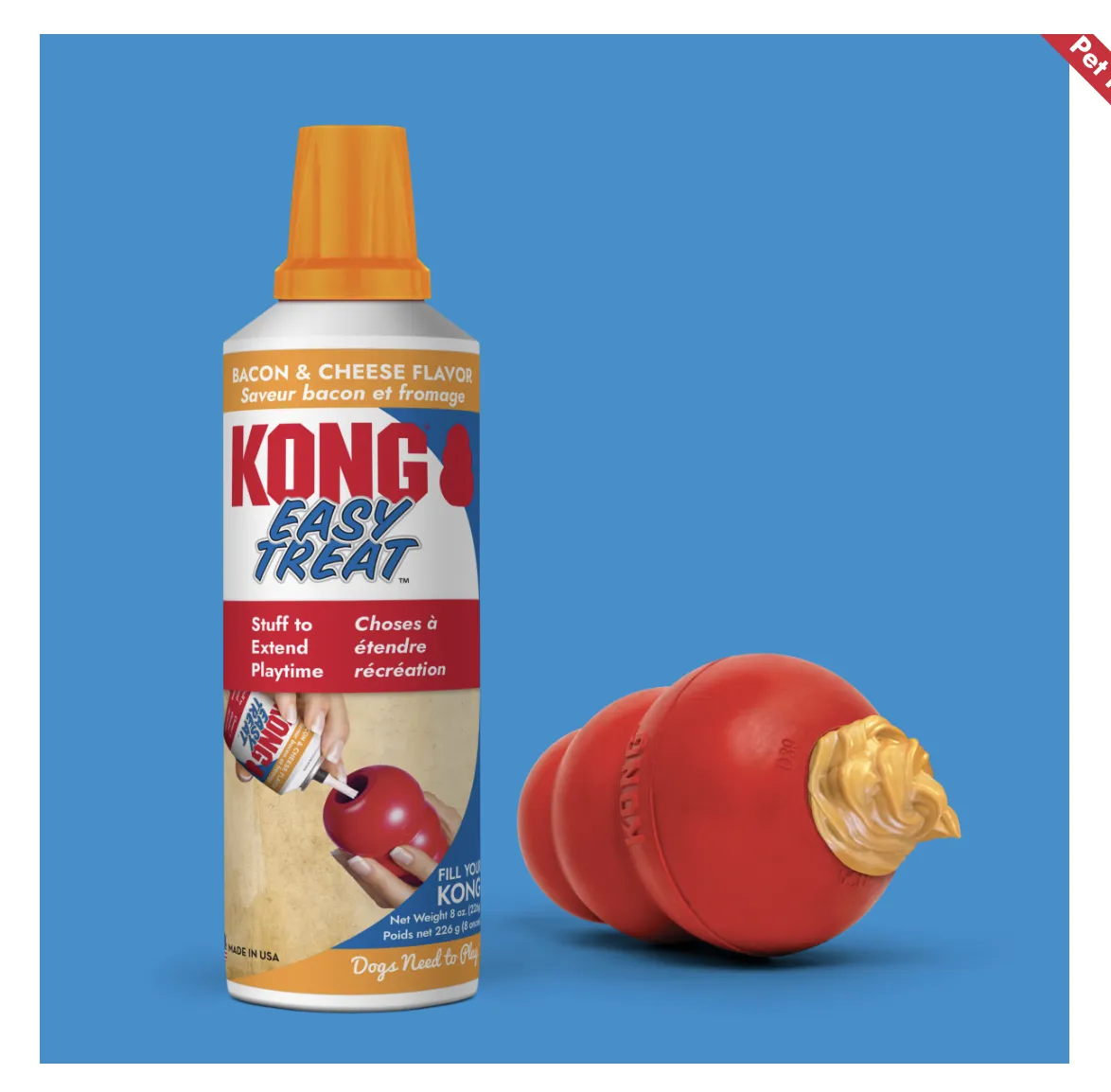
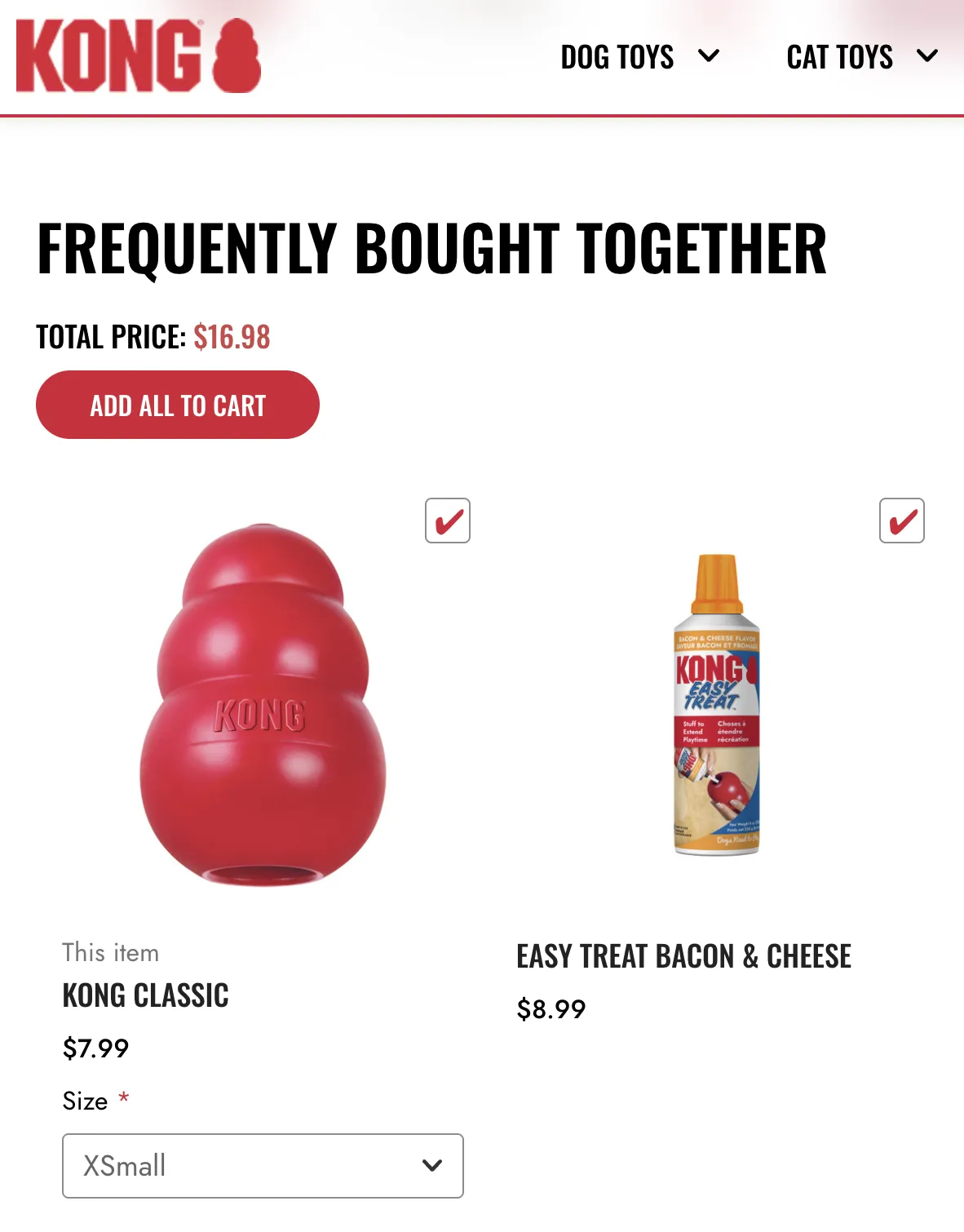
For example, Kong created special product lines in which food and toys are designed to work together, so they sell them in bundles.
You should use a gamified feeding product line if:
-
You’re an innovative or challenger brand that wants to stand out beyond ingredients alone
-
You’re targeting active or high-energy pets where stimulation is important
-
You’re actively selling on Amazon and want to create bundles and increase average order value
Do you want to know more about pet marketing on Amazon? Read our article on how to compete against big pet brands on Amazon without their budget.
Strategy 11: Pet-Parent UGC Contests
UGC (user-generated content) contests work because pet owners love showing off their pets, and other owners trust that content more than paid ads.
Plus, you get a steady stream of authentic visuals — all while strengthening your community.
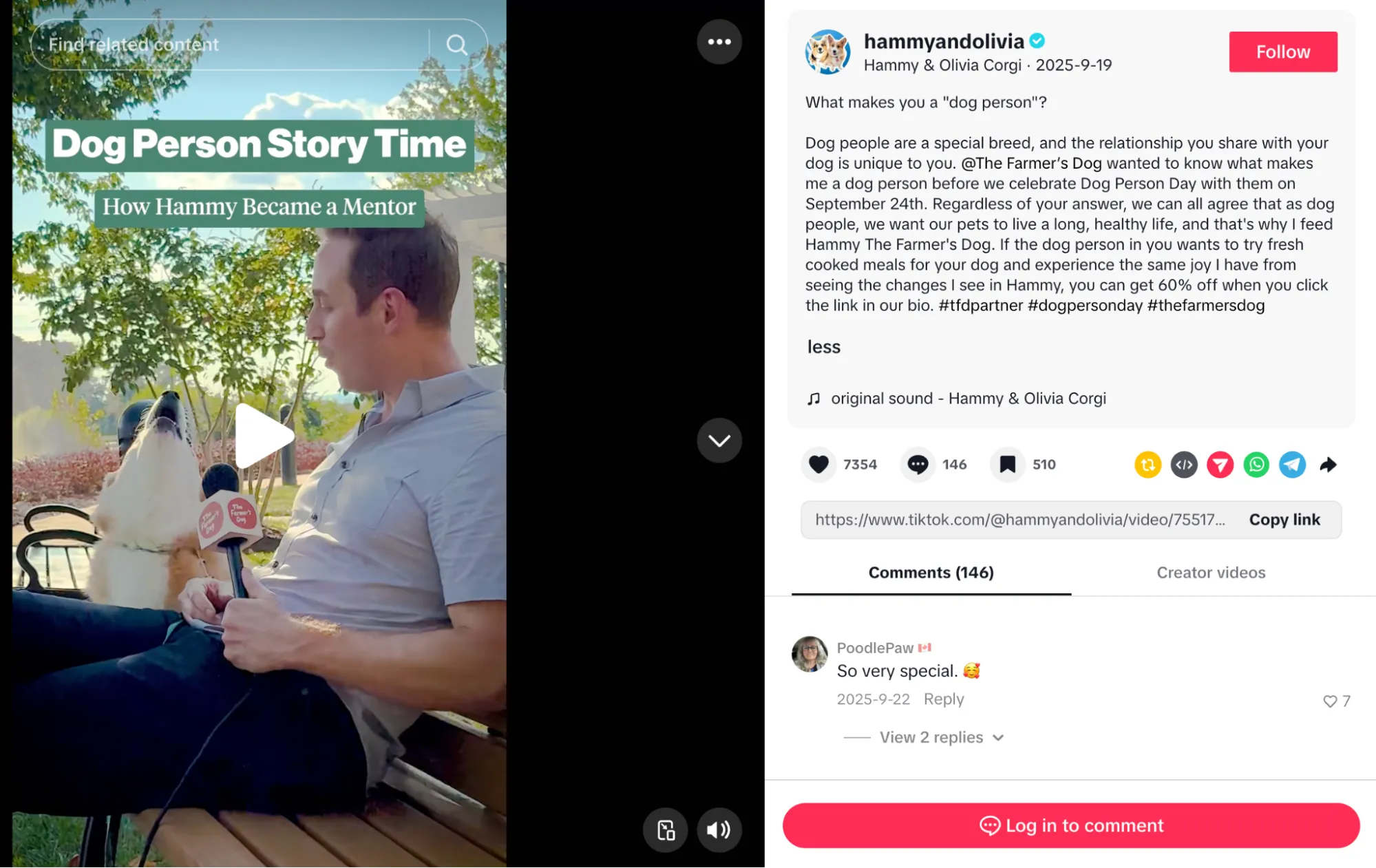
For example, The Farmer’s Dog ran a campaign for Dog Person Day. Users could win a year of free dog food by sharing their stories with the hashtags #tfdpartner, #dogpersonday, and #thefarmersdog.
You should run pet-parent UGC contests if:
-
You’re a social-first or DTC brand that can scale content without high production costs
-
You’re a lifestyle-oriented brand where emotions and community matter
-
You have an active customer base ready to participate and share
Do you want to know why your Amazon pet ads are getting more expensive every quarter? Read our article to find out!
Strategy 12: Emotional Storytelling
Emotional storytelling is all about the customer's desire to give their pets the best life possible. Emotions drive decisions and consumer demand. When a brand tells a story that feels real, such as rescue journeys, recovery, or everyday bonding moments.
And in a crowded market, connection means loyalty.
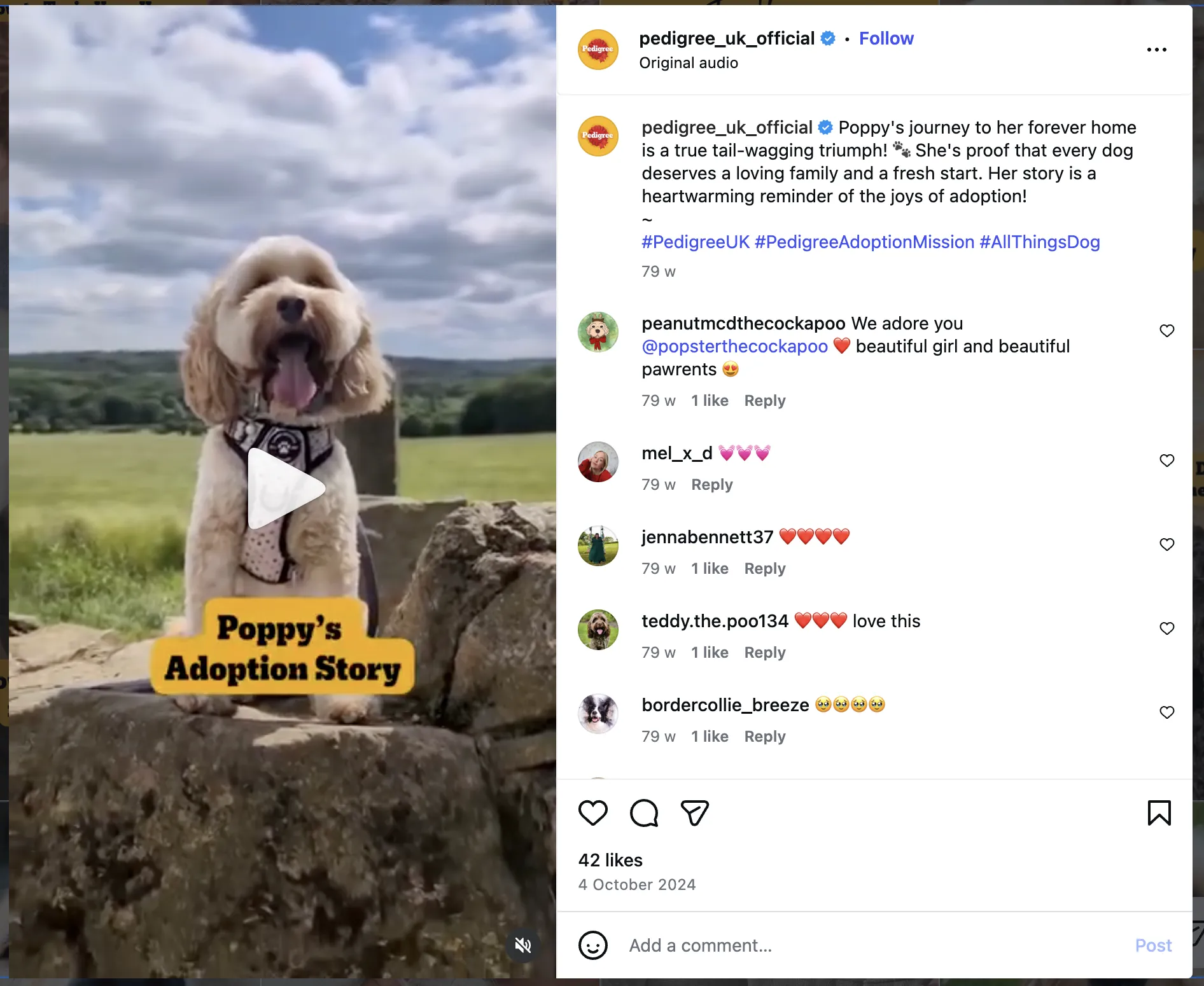
For example, Pedigree has run an adoption support program for years and shares some adoption stories on its Instagram. They use short videos with candid moments and a warm tone of voice.
You should use emotional storytelling if:
-
You’re a premium or DTC brand, and your brand perception matters as much as your product
-
You want to build an emotional connection faster
-
You’re a community-driven brand and want to build loyalty
If you want to know what it looks like in real life, read our PetLock8 case study. We helped them to create brand positioning and a multichannel marketing strategy around the emotional connection between people and their pets.
Strategy 13: Live Feeding Videos
Live content removes doubt — pet owners see exactly how a pet reacts to your food. That authenticity builds trust even for skeptical buyers with choosy pets.
It also creates customer engagement: people can ask questions, like, and send it to their friends. Platforms like TikTok Live and Instagram Live are your first and second choices for that.
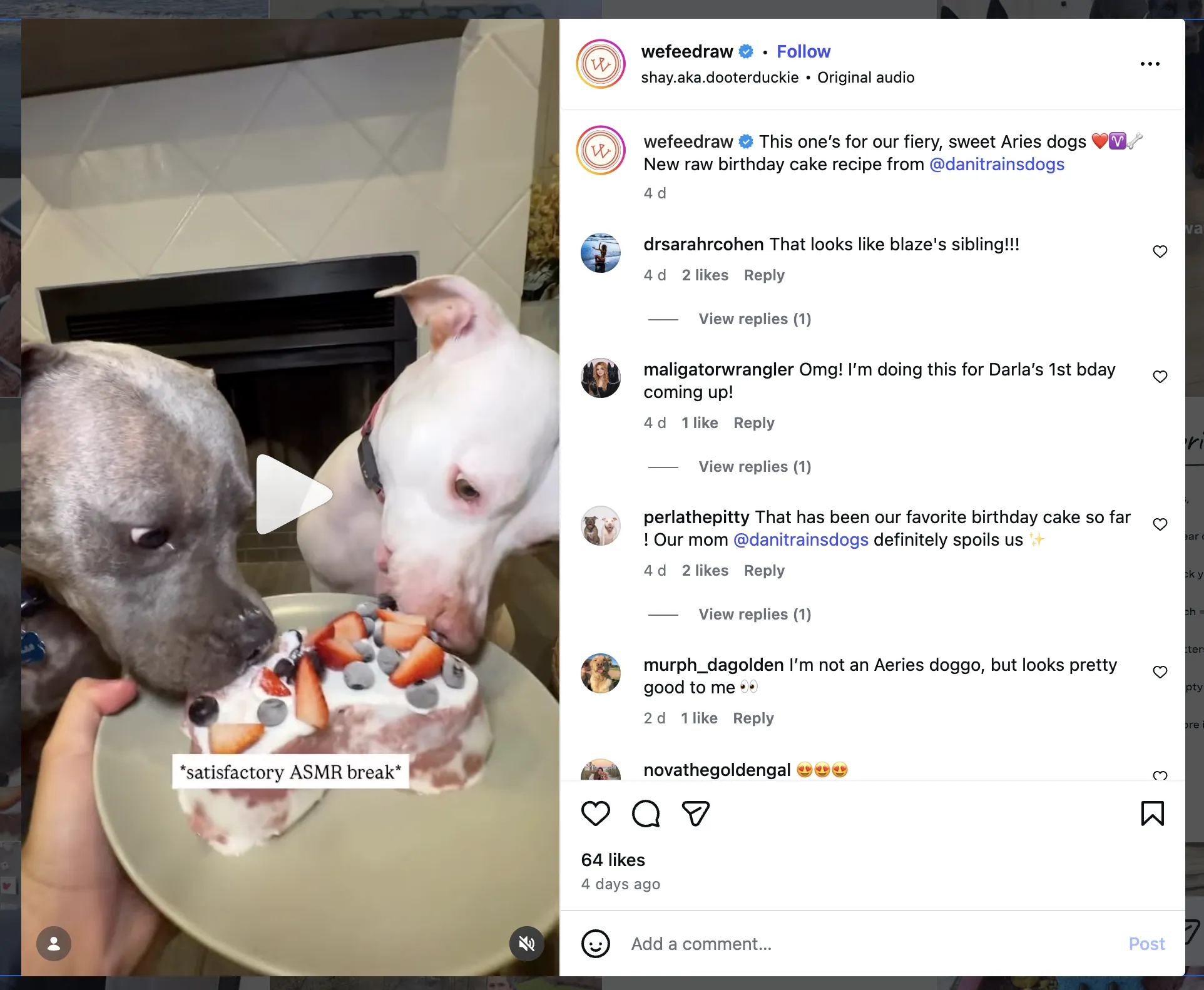
For example, We Feed Raw shared the process of creating a dog's birthday cake from their food products and how pets eat it with pleasure.
You should use live feeding videos if:
-
You’re a new or unknown brand and want to quickly build trust through real reactions
-
You’re a DTC or social-first brand that wants to drive customer engagement and content reuse
-
You’re a fresh or premium food brand where taste and quality need to be “proven.”
Strategy 14: Hosting Pet Parent Webinars and Educational Events
Your potential customers are not scientists, but they still want to be sure that food ingredients are good for their pets. So, help pet owners understand nutrition, health, and feeding choices with webinars and other events.
Content marketing positions your brand as a guide, and it’s great because the pet food category is full of doubt and confusion.
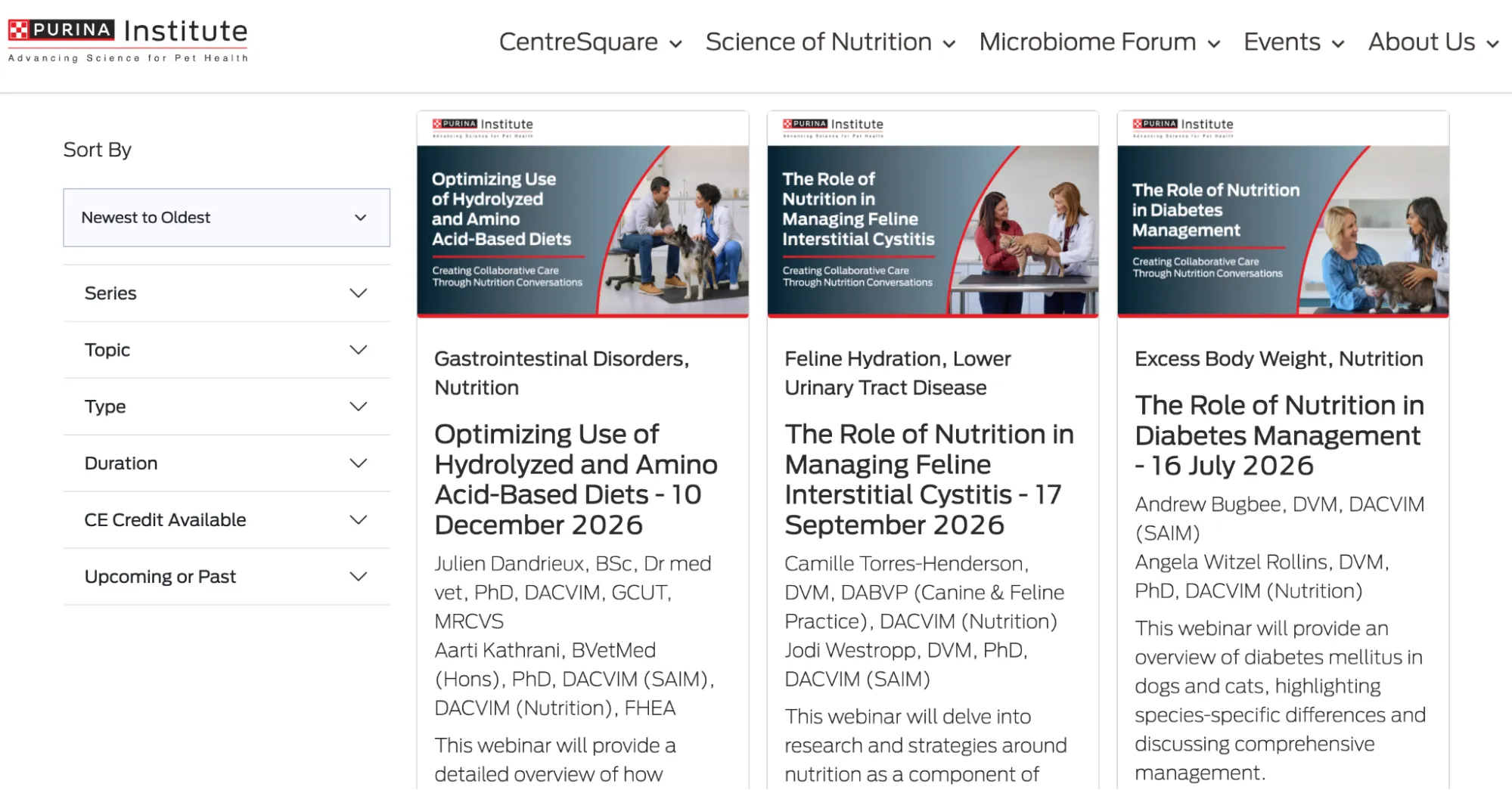
For example, Purina Institute runs webinars with vets and scientists that explain all pet parents need to know about nutrition. They focus on practical, deep topics and keep it interactive.
You should host pet parent webinars and educational events if:
-
You’re a health-focused brand where education directly supports the sale
-
You’re a premium brand that wants to justify a higher average order value through expertise
-
You’re a DTC brand that actively runs email marketing and wants to nurture and retain customers
Strategy 15: “Buy-One-Give-One” Tactics (Donation)
Your values-driven customers care about all animals in the world. A buy-one-give-one model taps into that empathy and makes an ordinary purchase meaningful for them.
It adds an emotional layer to the decision.
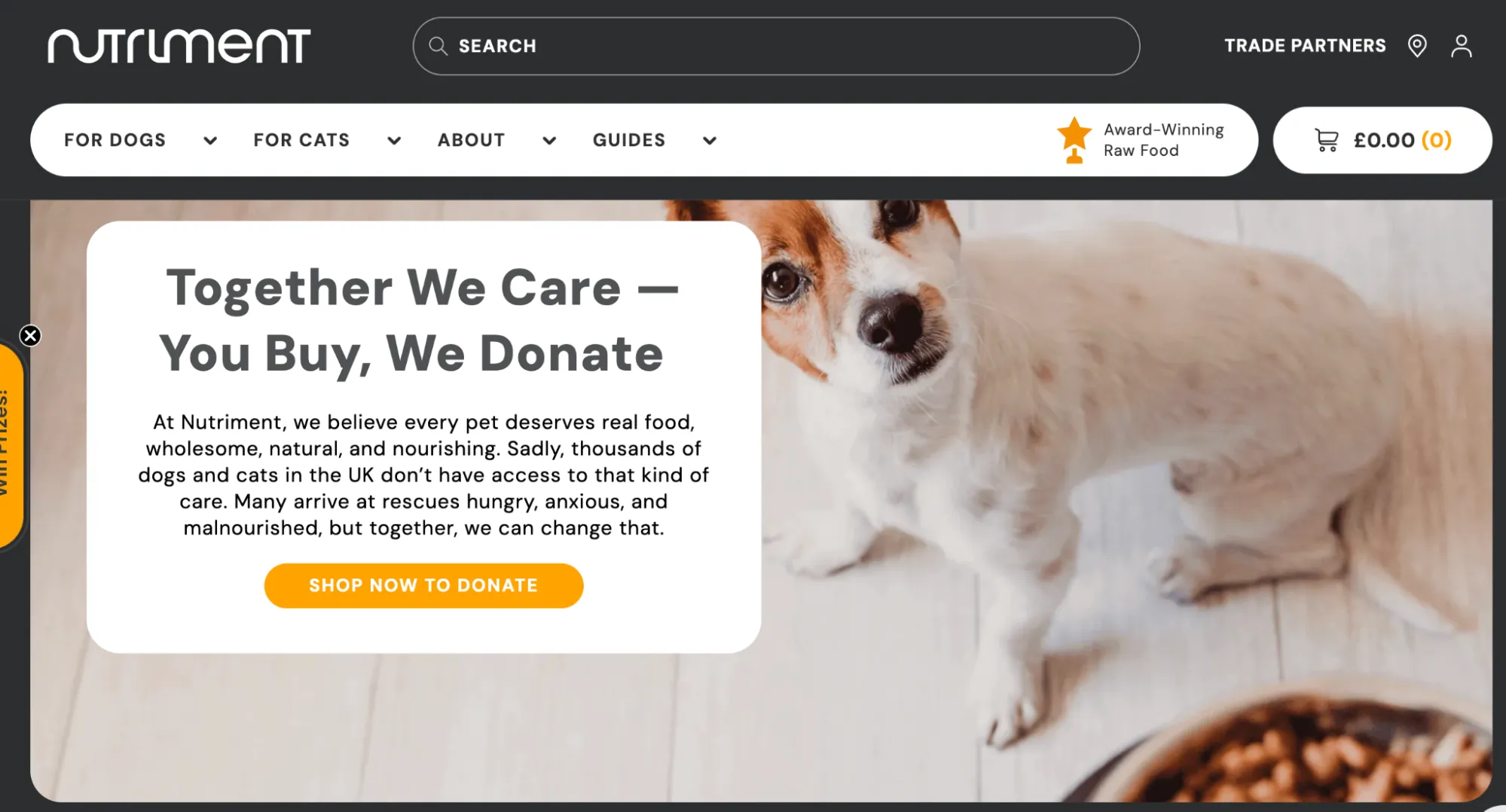
For example, Nutriment launched a “You Buy, We Donate” campaign where every time someone buys 10 kg of dog food, they donate a meal. They donated to rescue animals over 25,000 meals in one campaign.
You should use donation tactics if:
-
You have a mission-driven and purpose-led brand identity where values are core to positioning
-
You’re targeting younger audiences who prioritize ethical choices
-
You want to stand out and build an emotional connection early
What about AI in marketing pet products? Consider yourself lucky! We wrote an article on how to use AI to increase your revenue.
Final Thoughts
Pet food marketing in 2026 has a few clear patterns you need to understand:
-
Trust wins through vet-backed formulas, real customer content, and transparent production.
-
Visual and social proof drive decisions because people want to see results.
-
Personalization and customer experience matter. Brands that adapt to the pet perform better.
-
Emotion still leads logic. Use storytelling and meaningful marketing campaigns to create a loyal customer base.
Your marketing strategies should match your product and target audience. Try one or two first and then expand. If you want to go deeper, run marketing analytics and combine some strategies with SEO, PPC, and marketplace optimization. Multichannel is your darling.
Are you ready to turn digital marketing for e-commerce into real growth? Call us at Netpeak. We understand both performance marketing and the pet industry nuances.
Frequently Asked Questions
Do dog food marketing and cat food marketing differ?
Yes. Dog owners often respond to messages about activity, training, etc. When cat owners care more about independence or picky eating habits. The tone and platforms are different as well. Dog content is social and outdoorsy, while cat content focuses on home life.
How can personalization improve pet food marketing efforts?
Personalization helps customers get all the information they need and makes the offer feel tailored. Meal plan constructors, breed-specific recommendations, and age-based formulas help pet owners feel confident that they are choosing the right option. Personalization also helps with customer retention — once a feeding routine is personalized, customers are less likely to switch.
Do local SEO and geo-targeting play a role in promoting pet food brands?
Yes, especially for brands with retail shops or local distribution. They need to optimize their Google Business Profile, run geo-targeted ads, and partner with local pet stores to capture high-intent searches, such as "pet food near me." This also helps to promote events, pop-ups, and campaigns for the community.
Should pet food brands invest in AI tools for marketing?
Absolutely, but with a clear purpose. AI can assist with content creation, ad optimization, audience targeting, and predicting customer behavior. The key is to use AI to amplify effective strategies, such as testing creative elements or personalizing messages, rather than replacing authenticity. In pet marketing, the human and emotional layers still matter most.

 0
0
 0
0
 0
0
 0
0
Related Articles
Amazon's AI Now Builds Complete Looks on Product Pages. How Do Brands Make Sure the Bundle Is Theirs?
Amazon now uses AI to assemble complete, shoppable looks around a single product, and it fills those looks with whichever brands its model picks.
Business Apps in the US: iOS vs. Android, September 2026
We searched for US App Store and Google Play data to see what business apps professionals, shoppers, and investors actually installed in September.
What Happens When Amazon Suppresses Your Listing? The New 2026 Rules
Under the new 2026 rules, Amazon warns you first and gives you a grace period to fix the issue.