
What Are the Best Pet Food Marketing Campaigns This Year (2026)?
The pet care industry isn't slowing down, and neither is the competition for shelf space and screen time. The brands winning in 2026 are selling food, trust, values, and a lifestyle that pet owners want to be part of. Here's what's working, what it costs, and what you can steal from it.
Successful Pet Food Marketing Campaigns in 2026
The biggest players in pet food aren't cutting budgets — they're getting smarter about where they spend. Here's how four leading brands are approaching their pet food marketing campaigns in 2026.
-
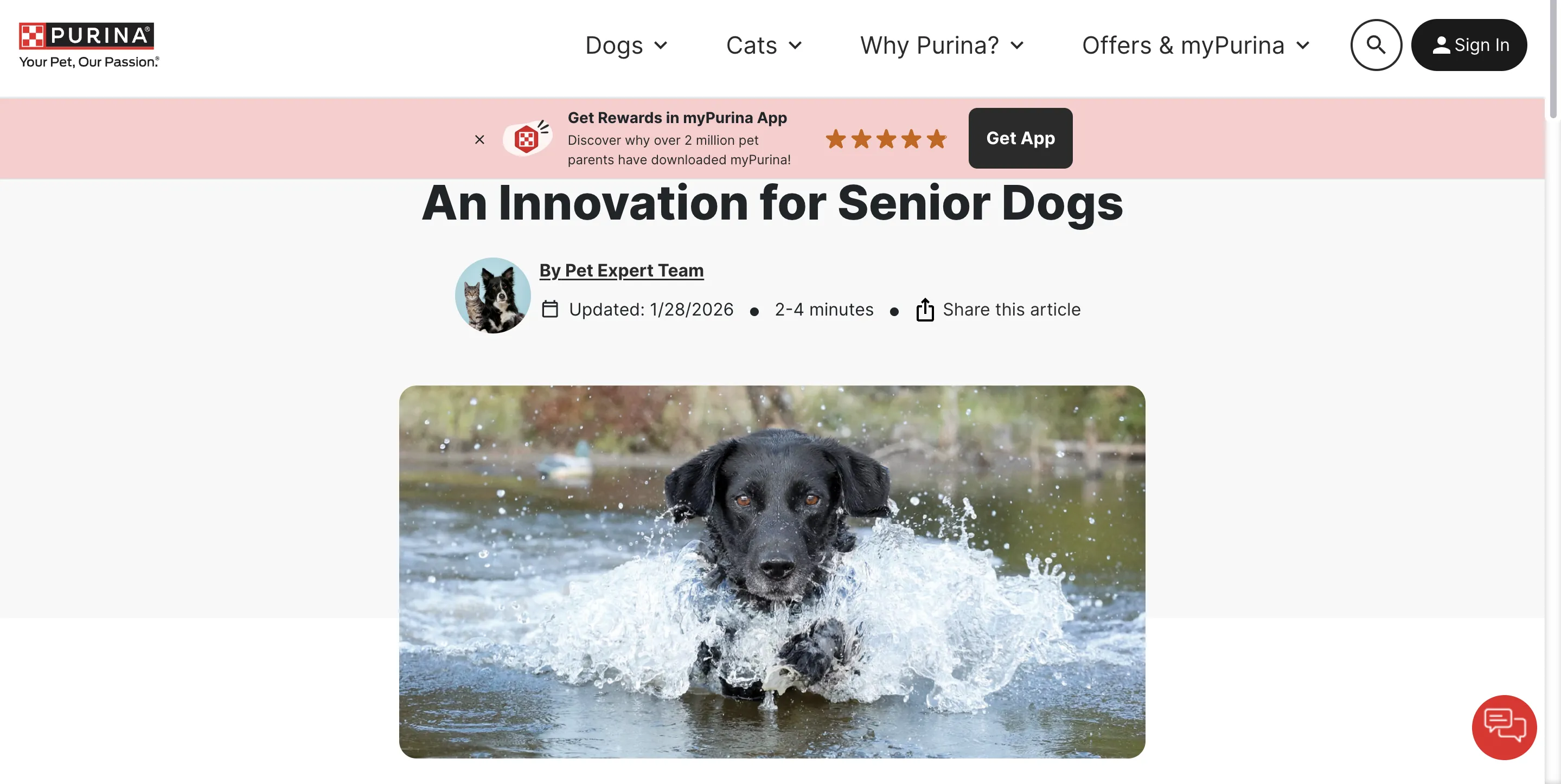
Purina is doubling down on science. Their campaigns target owners actively searching for specialized nutrition — aging pets, specific health conditions, breed-based diets. It's a high-intent search strategy done right. In one Amazon Ads case study, the brand achieved a 313% higher new-to-brand detail page view rate, an 86% lower cost per new-to-brand detail page view, and a 4x increase in new-to-brand detail page views by targeting under-penetrated regions with data-led audience activation.
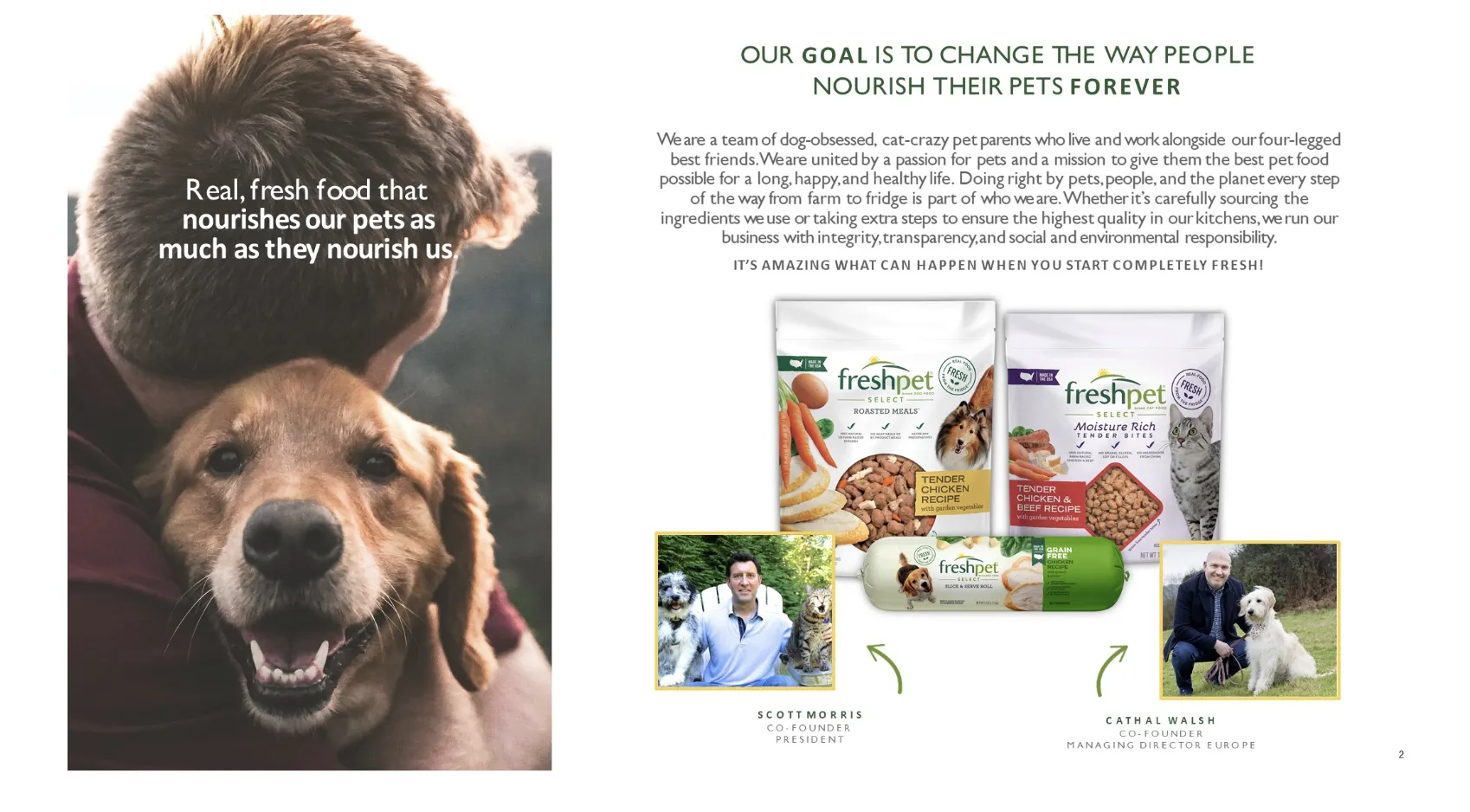
- Freshpet owns the "humanization of pets" lane. Heavy investment in video across Instagram and TikTok, showing real ingredients, real kitchens, real refrigerators. It converts because it feels honest. The brand’s ingredient-forward creative aligns closely with the humanization trend, and the broader business results are strong: Freshpet reported $1.102 billion in 2025 net sales, up 13.0% year over year.

-
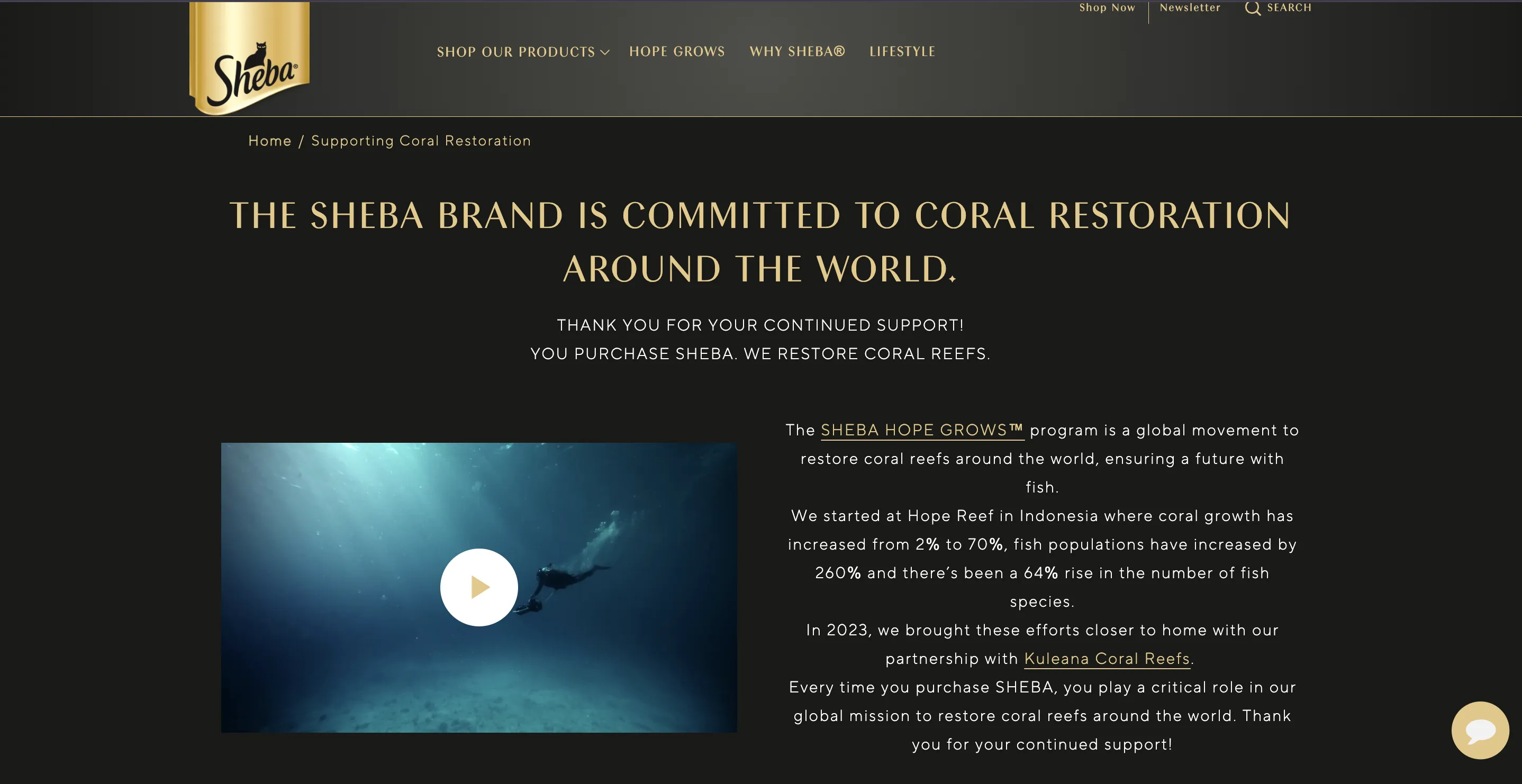
Sheba ties product to purpose. Their campaigns connect cat food purchases to ocean conservation and eco-friendly sourcing — a pet food marketing strategy that resonates strongly with environmentally conscious buyers. The strategy has scale behind it: Amazon Ads reports 24.2 million unique viewers and 291.9 million impressions for a 2025–2026 Reef Builders activation.
-
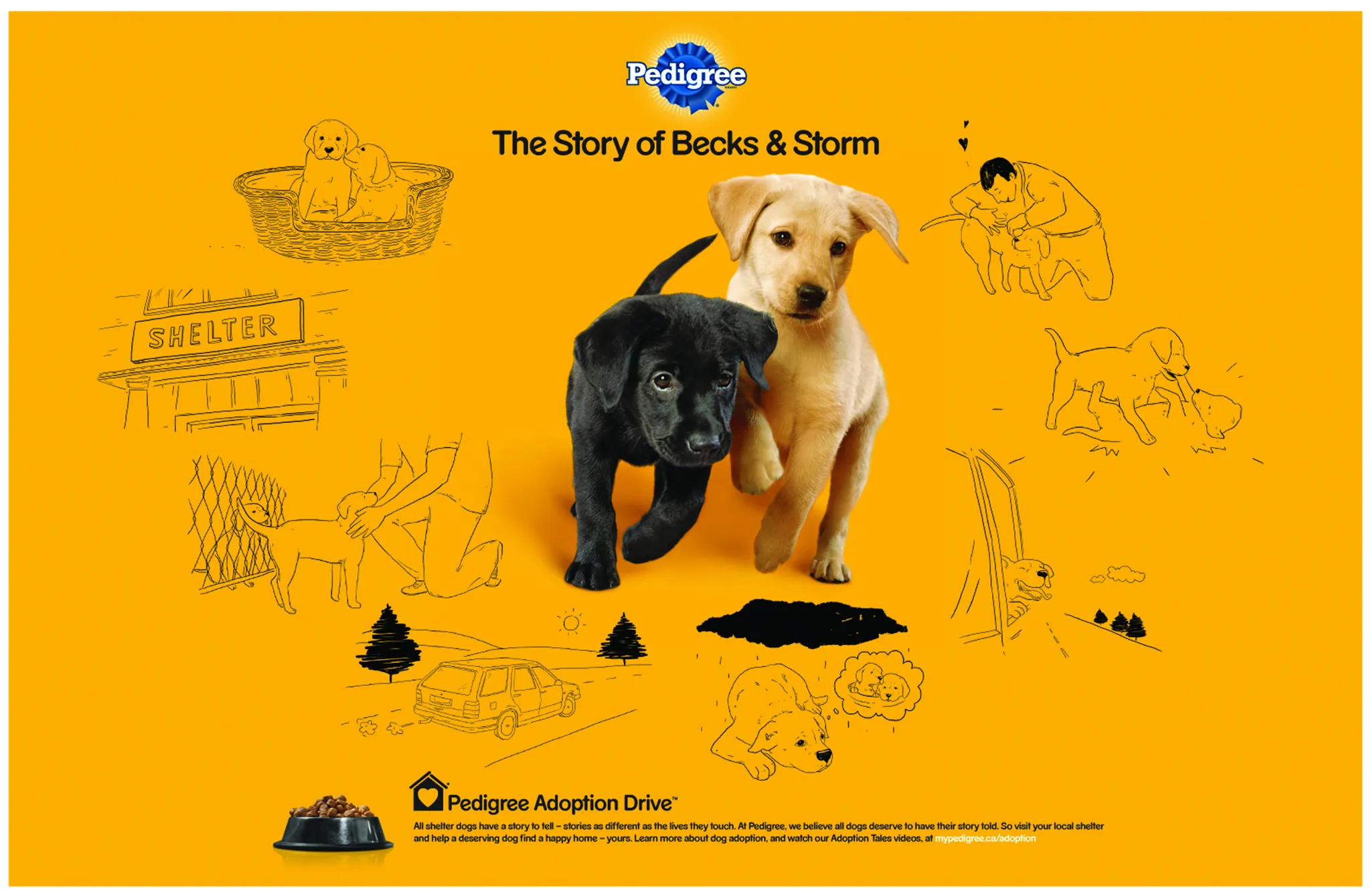
Pedigree keeps doing what it does best: making people cry in a good way. Shelter adoption stories, community trust, organic sharing. Lower CPC, high emotional ROI. Its AI-powered Adoptable activation reportedly helped 50% of featured shelter dogs find homes within two weeks in New Zealand, while the PEDIGREE Foundation’s 2025 report says it supported nearly 119,000 dogs through $1.2 million in grants.
Selling pet products on Amazon? You might want to sit down for this one. Sephora just plugged into ChatGPT — read our article to see what this means for your brand.
What Makes a Successful Pet Food Marketing Campaign?
Cute animal photos still work — but they're not enough anymore. According to pet food growth statistics in emerging markets, premium niches such as raw diets, insect-based proteins, and functional supplements are expanding rapidly. Standing out means building around four core pillars:
-
Data-driven personalization. 71% of consumers expect companies to deliver personalized interactions, and in pet food, where the stakes feel personal, that number hits harder than in most categories. People want solutions for their specific pet, not a one-size-fits-all bag of kibble. Interactive funnels that quiz users about breed, age, and dietary requirements before recommending a product remove the decision fatigue that kills conversions.
-
Authentic storytelling. The brands with the strongest communities are the ones with a real story. Rescue partnerships, ingredient sourcing transparency, and founder origin stories. If there's a cause behind the product, say it out loud.
-
Omnichannel presence. Search, social, email — pet owners move across all of them before they buy. See how a successful multi-channel pet food marketing strategy keeps your brand consistent and visible at every touchpoint in our Petloc8 case study.
-
Ingredient transparency. In 2026, "natural" isn't a differentiator — it's a baseline expectation. Brands that show sourcing, explain formulations, and back claims with data build the kind of trust that survives a bad review cycle.
For a deeper look at where the industry is heading, check out What Are the Trends in Pet Food Marketing in 2026? and What Are the Global Pet Food Trends in 2026?
FAQ
What role do influencers play in pet food marketing campaigns?
Petfluencers — creators whose whole identity is their animal — are now legitimate trust signals, not just entertainment who help to sell pet products. For Gen Z and Millennial pet owners, a recommendation from a creator they follow daily carries more weight than a brand ad. The key is authenticity: scripted content flops, real reactions convert. If you want to understand the cost side of this, see CPC for Pet Food Marketing This Year (2026).
What social media formats work best for pet food marketing campaigns?
Short-form video isn't going anywhere. TikTok, Instagram Reels, and YouTube Shorts are where the attention lives — especially content that shows ingredients being sourced, meals being prepared, or pets genuinely reacting to food.
Do subscription models boost pet food marketing campaigns?
Yes — significantly. Subscription campaigns shift the goal from a one-time sale to maximizing lifetime customer value. An initial discount paired with "set it and forget it" convenience messaging tends to drive strong long-term retention. The acquisition cost is higher upfront, but the math works out.
Ready to Build a Campaign That Actually Works?
The pet food space is crowded, and the bar keeps rising. If you want to compete with the Purinas of the world without their budget, the answer is a sharper strategy.
Our pet brand marketing agency works with brands at every stage, from first launch to scaling past the noise.

 0
0
 0
0
 0
0
 0
0
Related Articles
Amazon's AI Now Builds Complete Looks on Product Pages. How Do Brands Make Sure the Bundle Is Theirs?
Amazon now uses AI to assemble complete, shoppable looks around a single product, and it fills those looks with whichever brands its model picks.
Pet Food Product Patent: How to Protect Your Innovation
Patenting pet products requires careful consideration and proper application filing. With the 8 steps below, you will be able to submit your patent application and protect your invention.
What Happens When Amazon Suppresses Your Listing? The New 2026 Rules
Under the new 2026 rules, Amazon warns you first and gives you a grace period to fix the issue.