
The best-selling pet products are pet food and treats, pet supplies (such as cat litter, poop bags, and grooming tools), live animals (such as fish, birds, and reptiles), over-the-counter medicine (such as flea and tick shampoos and calming treats), veterinary care (such as vaccines and antibiotics), and products (such as automatic feeders and pet cameras).
Pet food and treats, at $68.3 billion, are the largest category of total US pet industry spending. The next largest categories are supplies, at $34.4 billion, and veterinary care and product sales, at $41 billion (American Pet Products Association, 2026).
You need to know what pet products sell best to choose what to launch as your first business or to decide where to invest next.
What Are Popular Bestsellers to Include in Your Marketing Strategy?
Trendy pet product categories in 2026 include fresh food and snacks, cat litter and waste bags, grooming tools, automatic feeders, and pet cameras.
Last updated: April 2026
Cluster: Pet Industry Intelligence
|
Category |
Purchase Frequency |
Price Level |
Key Driver |
|
Fresh Food & Snacks |
Daily/weekly use Pet food is the largest category at $68.3B in the US |
$$$ Fresh food is typically 2-4× more expensive than traditional kibble (Grand View Research, 2026). |
Health & premium care: human-grade, fresh, and functional nutrition is a top global trend (NielsenIQ, 2025) |
|
Cat Litter and Waste Bags |
Monthly The global cat litter products market size is $17.23B in 2025 (Grand View Research, 2026). The plastic bag waste industry, including poop bags, is worth nearly $7.7B and is steadily growing (Grand View Research, 2024) |
$ Typically $10–$30 per litter pack, waste bags <$10 per pack. |
It’s a necessity because of mandatory cleanups + urban living constraints |
|
Grooming Tools |
Medium Global pet grooming products market: $14.7B in 2024 projected to $21.1B by 2030 (Grand View Research, 2025) |
$–$$ Typical tools like brushes, clippers, and nail trimmers range from $10 to $80+ |
DIY convenience, preventive care + “pet humanization” |
|
Automatic Feeders |
Low–Medium Smart feeder segment: $1.46B in 2024 projected to $2.35B by 2030 (Grand View Research, 2025) |
$$–$$$ Typically $50–$200+ depending on smart features |
Routine & automation: enables scheduled feeding, portion control, and remote management for busy owners |
|
Pet Cameras |
Low Smart pet camera segment: $3.12B in 2025 projected to $3.6B in 2026 (The Business Research Company, 2026) |
$$–$$$ Typically $30–$200+ depending on features like 360° view, treat dispensing, and AI tracking |
Emotional connection: ability to watch, talk to, and interact with pets remotely |
Why These Pet Products Are in High Demand?
Pet product demand comes down to three things: pets need it every day, the product makes life easier, or it helps owners feel more connected.
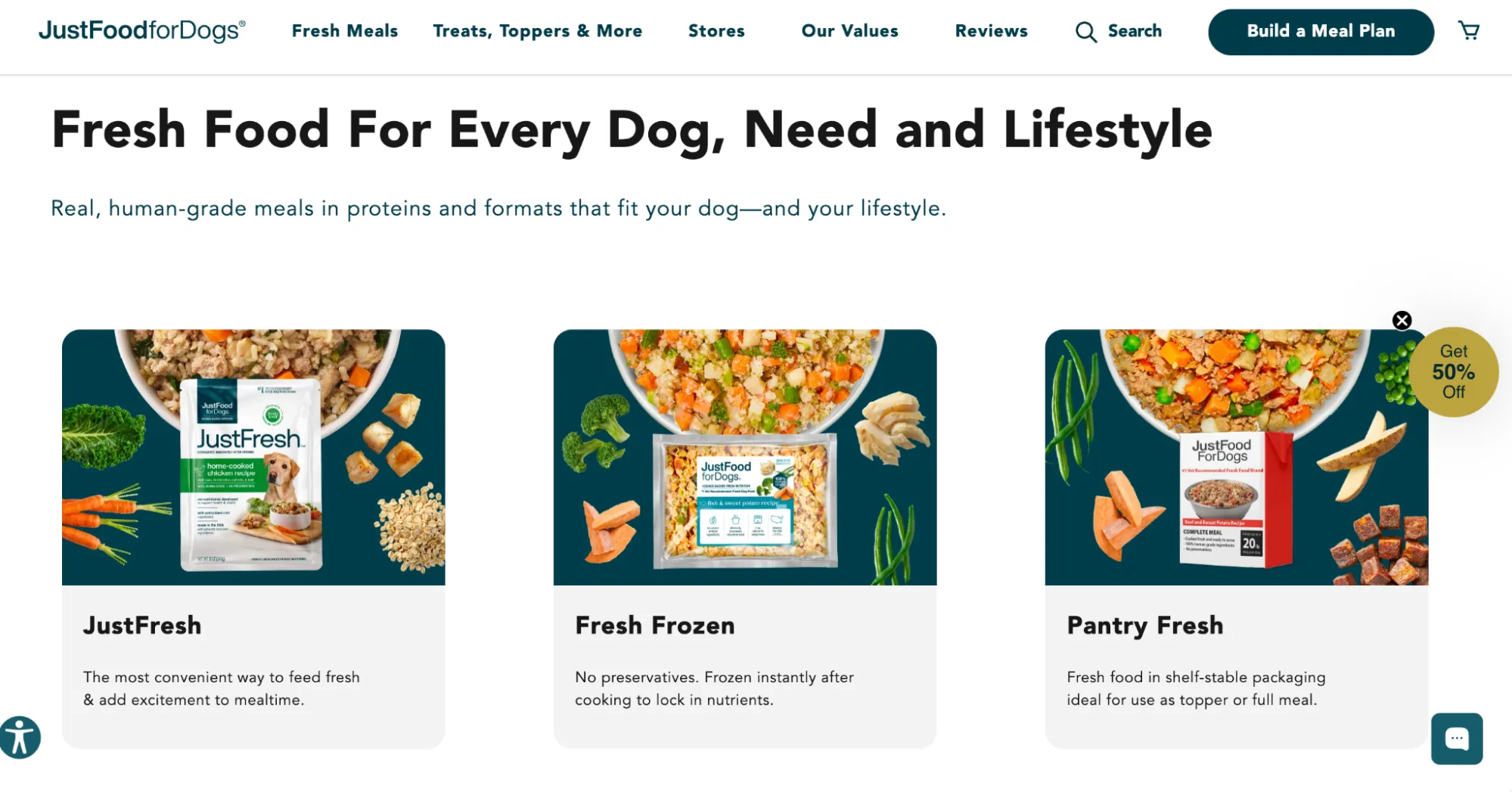
Human-Grade or Fresh Food & Snacks
Fresh and human-grade pet food is one of the fastest-growing segments; for example, fresh dog food grew by $208M in 2024 (Nielsen IQ Research, 2025).
This demand is driven by “pet humanization,” where owners treat pets like family, and that’s why they choose minimally processed ingredients. Basically, if it’s not good enough for their dinner plate, it definitely won't go in the dog bowl. Honestly, some pets are eating better than their owners at this point.
These products sell well because they combine daily necessities with a premium science-backed positioning (Research and Markets, 2025).

Cat Litter and Poop Bags
Hygiene products are always in trend because of their high purchase frequency and repeat demand. The global cat litter segment is worth tens of billions and can reach $26B by 2033 (Grand View Research, 2026).
Consumers are shifting toward premium, eco-friendly cat litter now — because cats may not pay rent, but they’ve clearly upgraded their standards.
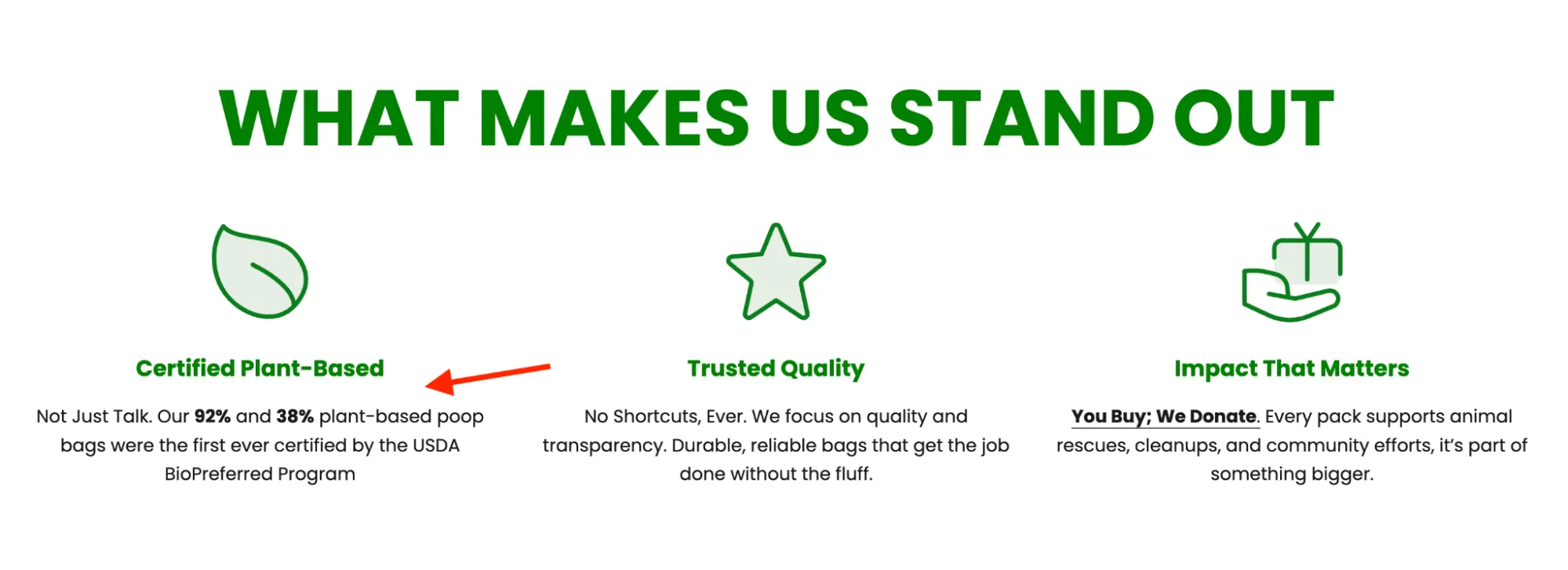
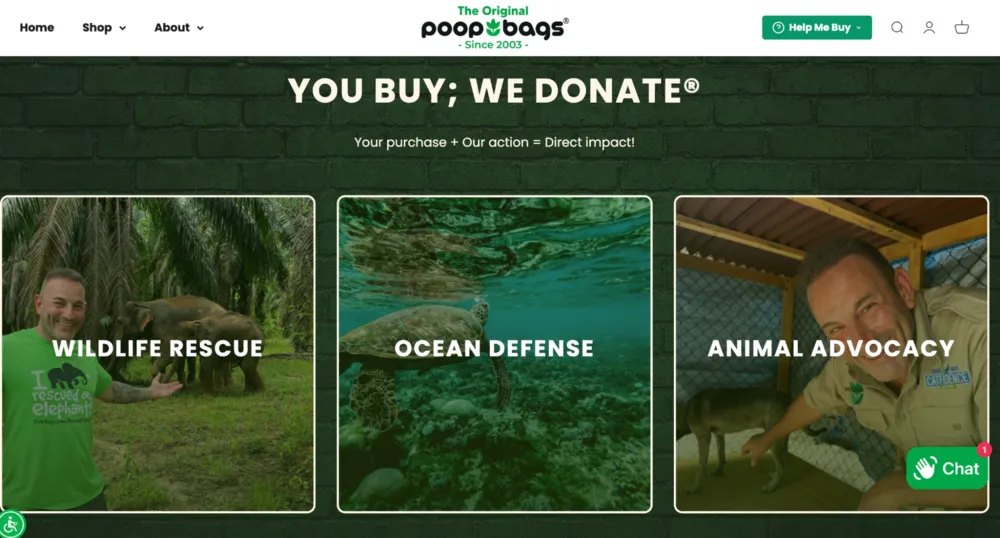
Poop bags, especially biodegradable ones, are in high demand, too. They are one of the fastest-growing pet product categories (Fortune Business Insights, 2026).
Grooming Tools
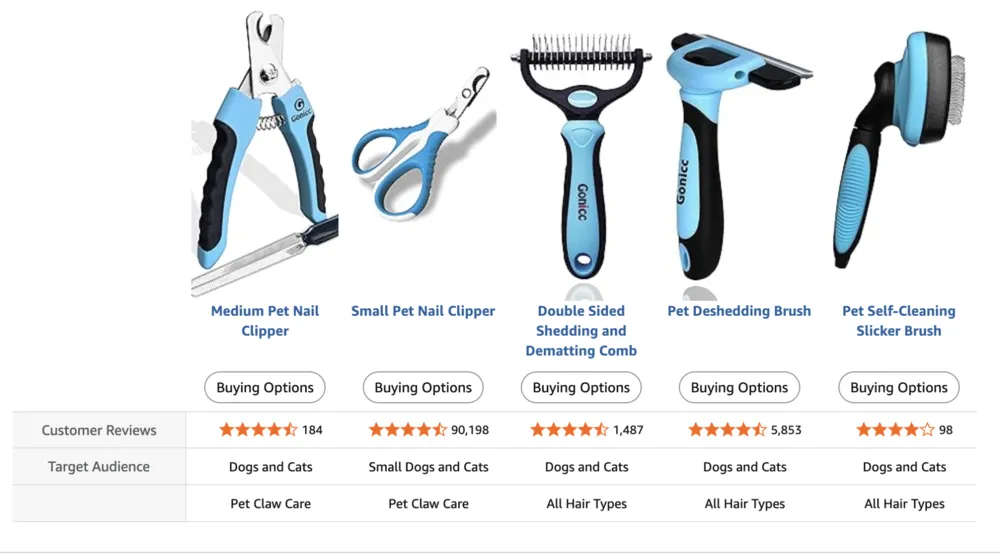
Grooming tools are popular because they’re something almost every pet owner ends up using regularly. People want their pets to be clean, healthy, and not leave fur on the couch — and they’re willing to spend on that care.
The market reflects this demand: pet grooming products are already worth about $15.4 billion in 2025 and expected to grow to around $23.9 billion by 2032 (Yahoo Finance, 2026). Let’s just say the pet’s self-care era is fully funded.
These products may not be the most expensive (basic combs and brushes can cost under $10–$20), but they are easy to sell in bundles.
Automatic Feeders
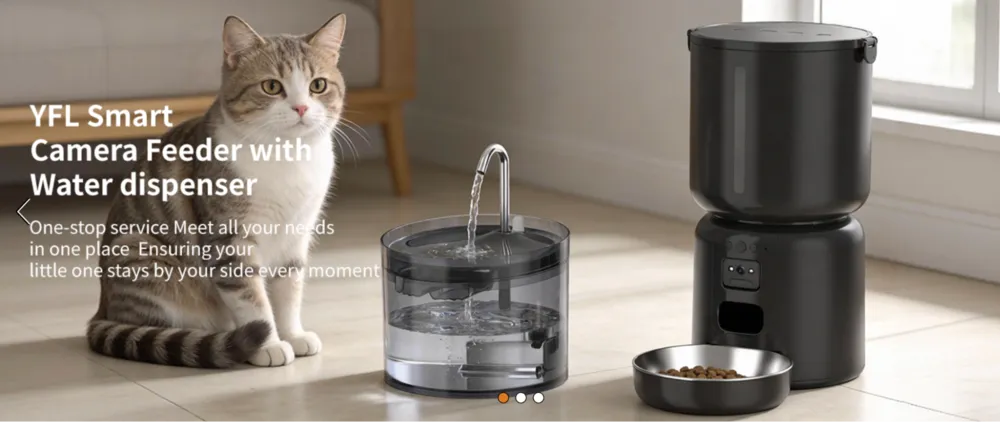
Automatic feeders solve an everyday problem: feeding pets on time, which makes them a fast-growing and high-value category.
Demand is driven by the "pet humanization" trend and the focus on health and portion control (Nielsen IQ, 2025). As the French say, “Mieux vaut prévenir que guérir” (it's better to prevent than to cure), especially when it comes to diet.
This shift is also backed by strong market growth — the global automatic and smart pet feeder market is already worth $2.6B in 2025 and expected to reach $7.5B by 2035 (Presence Research, 2026).
Pet Cameras
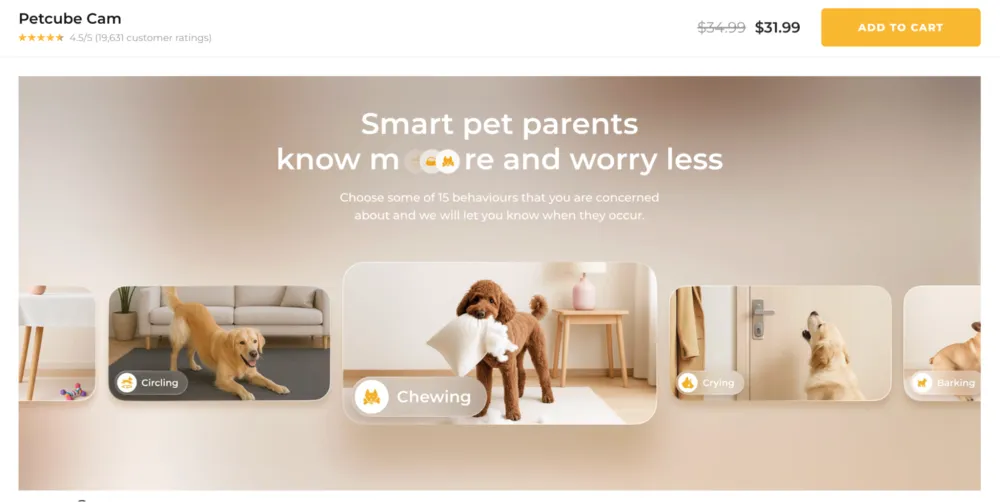
Pet cameras tap into the emotional side of pet ownership and are growing fast because owners want to check on their pets when they’re not home — and finally catch who’s knocking things off the table.
The market is still relatively small but growing quickly, with global pet monitoring cameras valued at about $198M in 2024 and projected to reach $453M by 2030 (Grand View Review, 2025). In the broader category, smart pet cameras are already much bigger — $3.12B in 2025 and expected to reach $6.47B by 2030 (The Business Research Company, 2026).
Although people don't buy pet cameras very often, they offer high margins.
How should you position your pet technology brand in real life? Read our PetLock8 case study to learn why emotional connection works better than fancy feature lists.
Bonne chance — and may your Subscribe & Save conversion rate be ever in your favor!
FAQ
What’s the difference in bestsellers between dogs and cats?
Overall, dog products generate more sales. Dogs account for over 40% of total pet market revenue, making them the largest segment (Grand View Research, 2025)
Dog owners buy more products for outdoor activities (leashes and training tools) while cat owners buy products for indoors (litter, cameras, and interactive toys).
What are the proven marketing techniques for pet products?
Pet owners rely heavily on product reviews, ratings, and before-and-after results, so build your marketing around it. 82% of shoppers said that reviews can change their purchase decisions (Research Gate, 2025).
Use reviews, UGC (user-generated content), and influencer partnerships (especially micro petfluencers) are effective in pet food marketing campaigns to build trust.
What are the trending pet products in 2026?
The biggest trends are fresh and personalized pet food (Research and Markets, 2026) and eco-friendly products. People are ready to pay for clean-label ingredients and sustainability.
If you want to talk with an expert about your pet brand marketing, call Netpeak USA. We’re an expert in the niche, so you can delegate it to us.

 0
0
 0
0
 0
0
 0
0
Related Articles
Business Apps in the US: iOS vs. Android, September 2026
We searched for US App Store and Google Play data to see what business apps professionals, shoppers, and investors actually installed in September.
Pet Food Product Patent: How to Protect Your Innovation
Patenting pet products requires careful consideration and proper application filing. With the 8 steps below, you will be able to submit your patent application and protect your invention.
What Happens When Amazon Suppresses Your Listing? The New 2026 Rules
Under the new 2026 rules, Amazon warns you first and gives you a grace period to fix the issue.