
You got into the electrician business because you know your way around a circuit breaker — and because someone has to stop homeowners from attempting DIY electrical work and blacking out the whole neighborhood. (We see you, YouTube-certified amateur. Put the wire stripper down.)
But being the best electrician in your city means nothing if potential customers can’t find you. That’s where electrician digital marketing comes in. In 2026, your online presence is your storefront — and right now, it might be the equivalent of a flickering neon sign in a dark alley.
According to BrightLocal, 83% of consumers use Google to find local business reviews. And yours is inherently a local business, because no one is asking an electrician to drive two states over to rewire their house. If your electrical business isn’t showing up in local search results with decent reviews, you’re essentially invisible to almost all of your potential customers.
This guide breaks down the digital marketing tips every electrician needs to know — no fluff, just actionable strategies that get your phone ringing. Whether you’re a solo operator or running a crew of 20, these 11 tips will help you build a sustainable pipeline of local customers beyond word-of-mouth referrals.
How Digital Marketing Gives Electricians a Competitive Edge
Let’s say that a homeowner’s kitchen outlet has stopped working. It’s a Sunday. Their first instinct isn’t to ask a neighbor — it’s to grab their phone and Google “electrician near me.” If your competitor pops up first with glowing reviews and a professional website, and you’re nowhere to be found, guess who gets the job?
Digital marketing for electricians is all about being in the right place at the right moment when a customer has an urgent need. According to Google, 76% of people who search for something nearby on their smartphone visit a business within a day, and 28% of those searches result in a purchase. That’s not a sales funnel — that’s a short circuit straight to your bank account.
The electrician market is competitive. Most of your rivals are relying on referrals, yard signs and maybe a decade-old website with a clip art lightning bolt. That means the bar for beating them digitally isn’t that high — but you do need to clear it consistently.
Digital Marketing for Electricians: Absolute Must-Haves
These are the non-negotiables — the wiring behind the walls, if you will. Skip them, and your whole digital strategy has a short circuit waiting to happen.
A Fast, User-Friendly Website
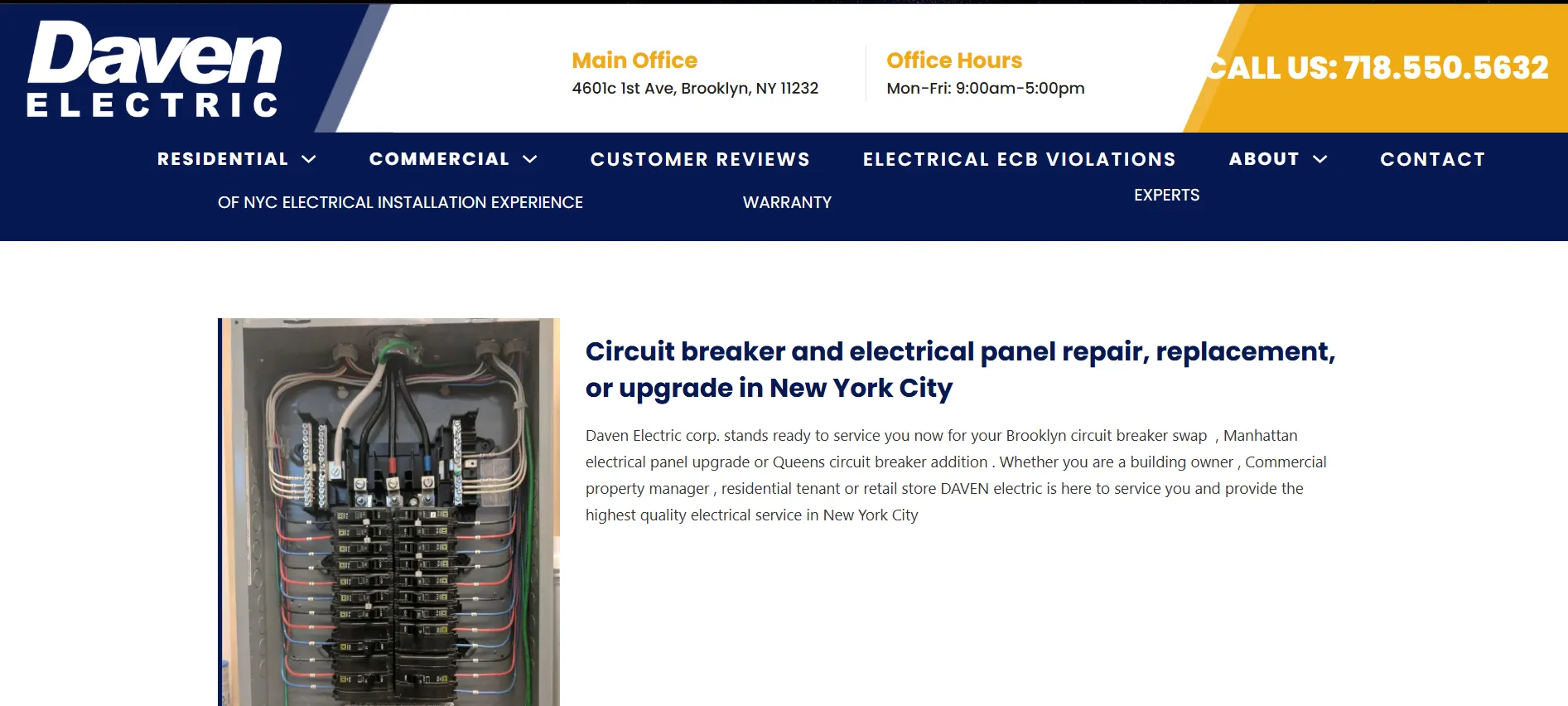
Your website is your 24/7 salesperson. It needs to load fast (under 3 seconds — Google penalizes slow sites), have a professional website design and include clear calls to action. Think: prominent phone number, a simple booking form and a clear service list. No one should have to hunt down how to contact you.
Mobile-first isn’t optional. Over 60% of searches now happen on mobile devices. If your site looks like a crumpled napkin on a smartphone, you’re losing customers in real-time. Use Chrome Lighthouse to check — it’s built into Chrome’s DevTools, it’s free and it audits mobile usability, page speed, accessibility and SEO all at once.
Verified and Consistent Business Profiles
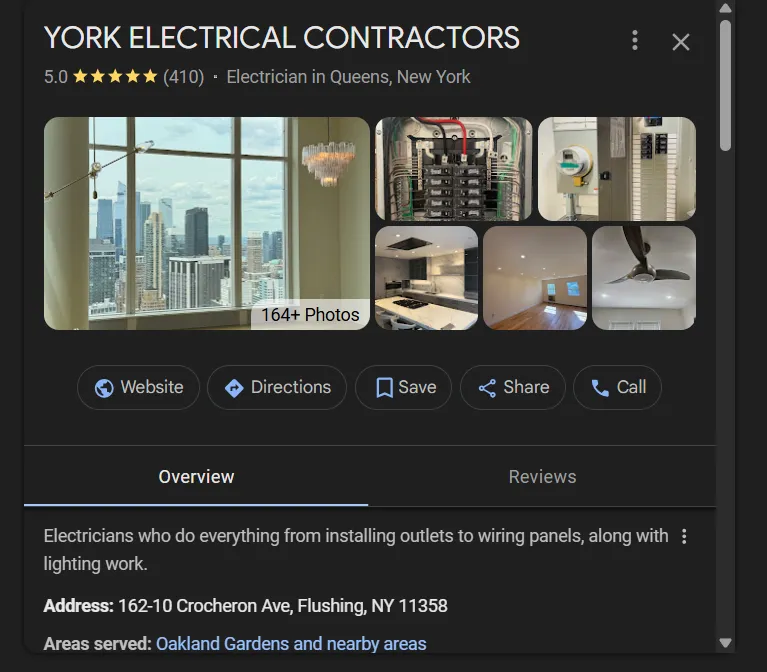
Your Google Business Profile (aka Google My Business) is arguably the most valuable piece of digital real estate you own. Claim it, verify it and fill out every single field — hours, services, photos, your business name and phone number. Do the same for Yelp, Angi, HomeAdvisor and any other relevant directories — keeping all your business listings accurate and consistent is just as important as the profile itself.
Consistency is crucial. Your business name, address and phone number (NAP) must be identical across every platform. Even minor discrepancies — “St.” vs. “Street” — can hurt your local search rankings. Yep, really.
A Comprehensive SEO Strategy
SEO (Search Engine Optimization) is how you convince Google that your website deserves to show up when someone types “licensed electrician [your city].” It involves keyword research, on-page optimization, technical SEO, location pages targeting your specific service areas and building quality backlinks from relevant sites.
The good news? Local SEO for service businesses like yours is very achievable without a massive budget — and even small improvements to your on-page optimization can lift your SEO rankings noticeably within a few months. Check out this guide to local SEO for small businesses to see exactly how it works.
Properly Set Up Search Campaigns
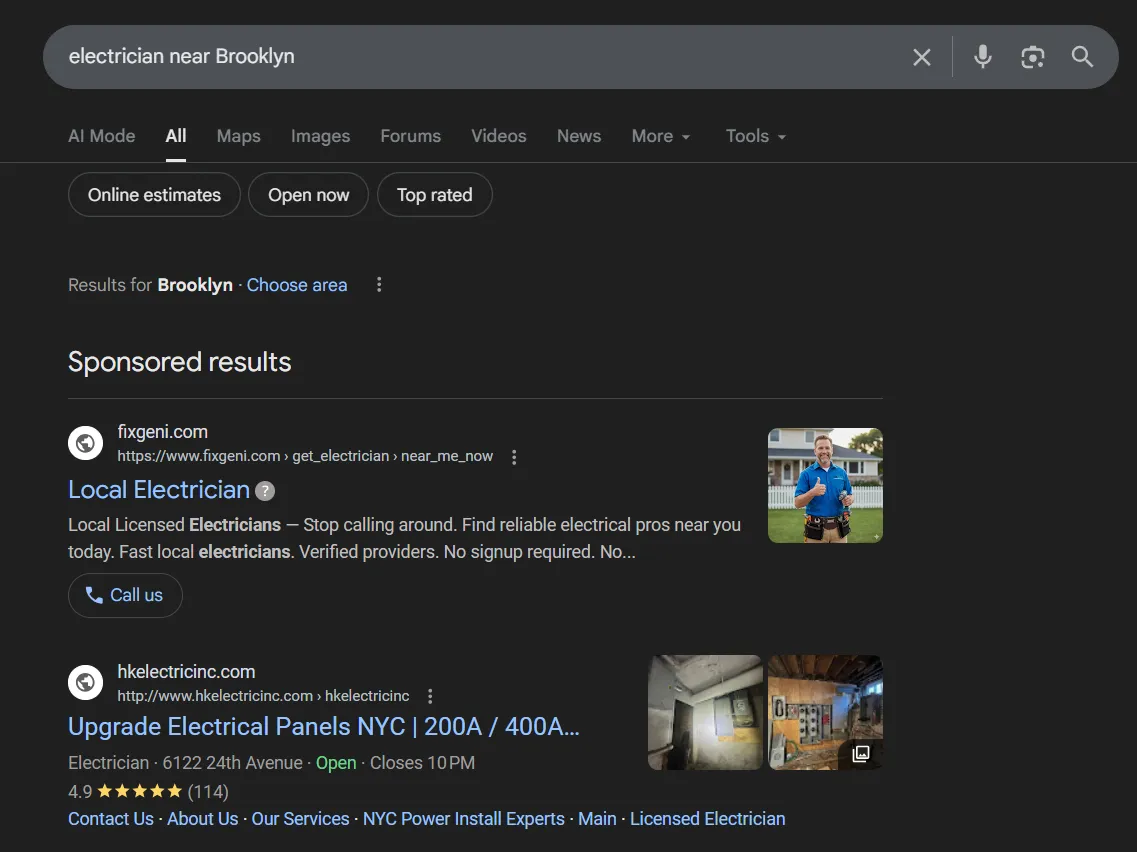
Google Ads (formerly AdWords) can put you at the top of search results immediately — before organic SEO kicks in. For electricians, targeting high-intent, location-specific keywords like “emergency electrician [city]” or “panel upgrade cost” can deliver leads fast. Meta Ads (Facebook and Instagram) work well for awareness and retargeting customers who visited your site but didn’t call.
Well-Thought-Out Branding and Positioning
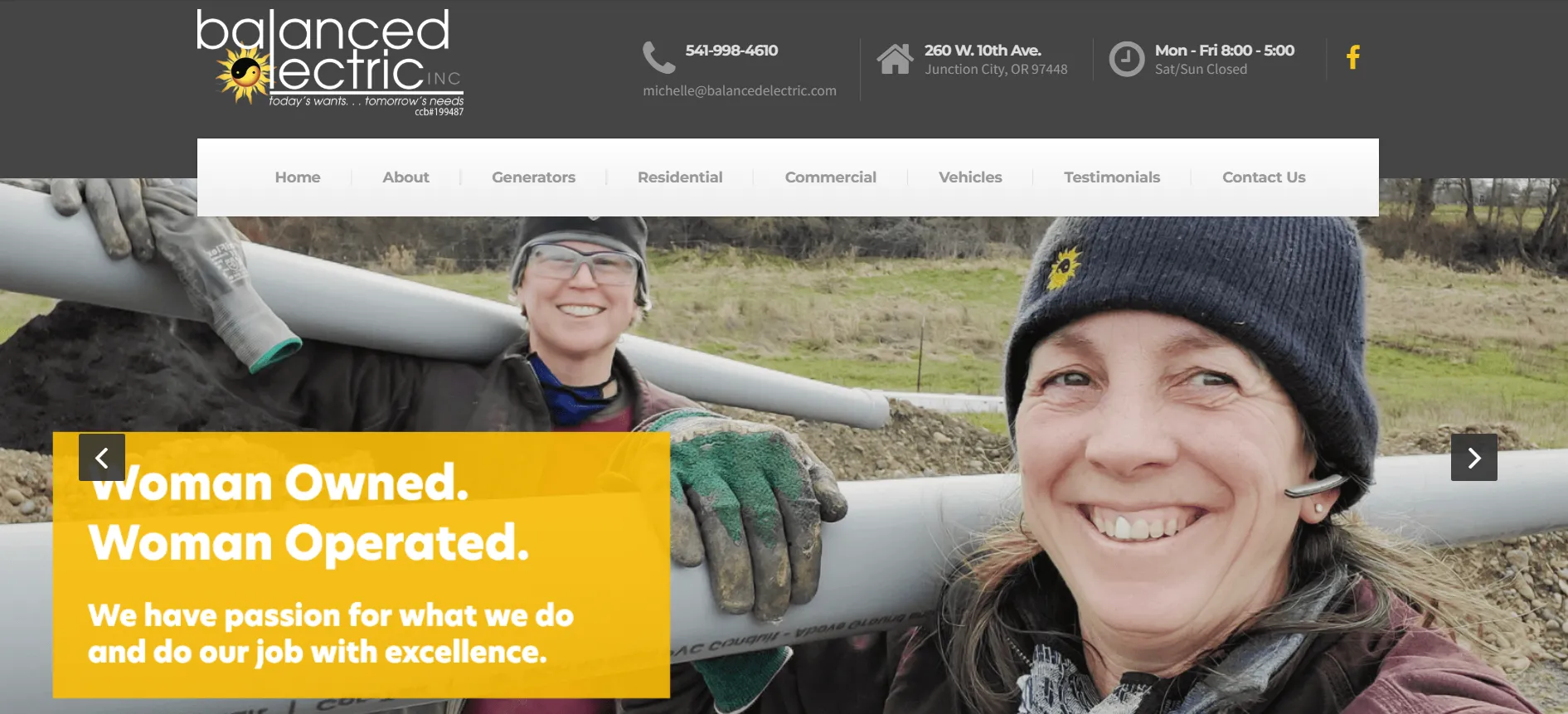
What makes you different from the other 12 electricians in your ZIP code? Your brand answers that question before a customer even picks up the phone. This isn’t just a logo — it’s your unique selling proposition (USP), your tone of voice, the photos you use and the story you tell. Are you the fastest? The most experienced? The one who always shows up on time? Own it.
Social Media Channels Up and Running
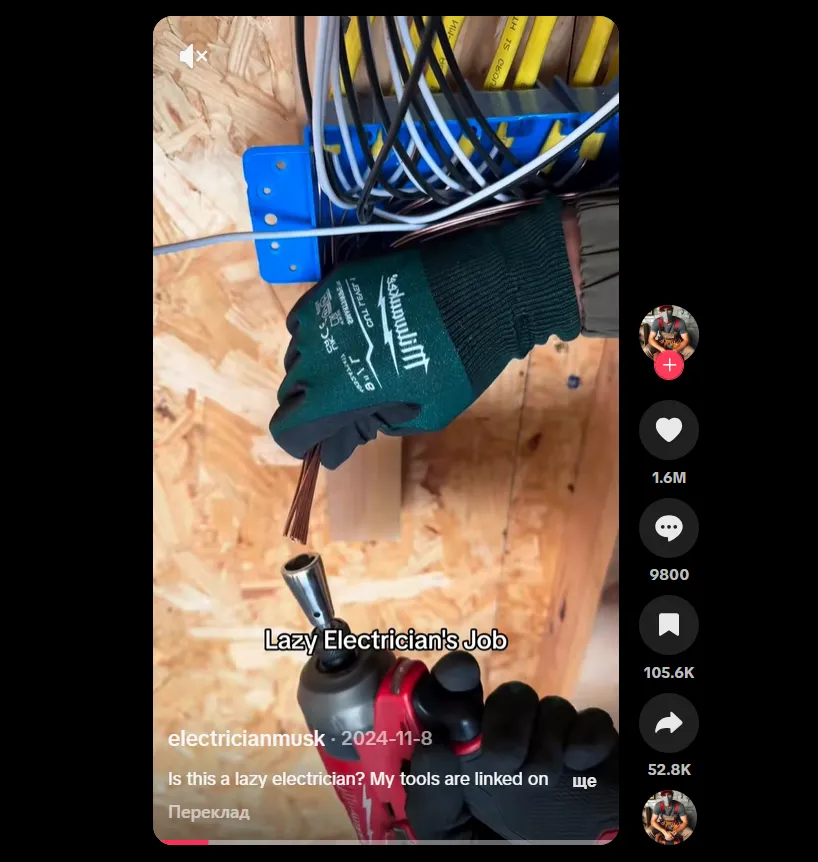
You don’t need to be on every platform — but you should be active where your customers are. For most electricians, that means Facebook (homeowners, local community groups), Instagram (before/after project photos) and maybe TikTok if you’re willing to lean into the “explain why DIY electrical is terrifying” content format. (Spoiler: It works.)
Customer Education and Follow-Ups
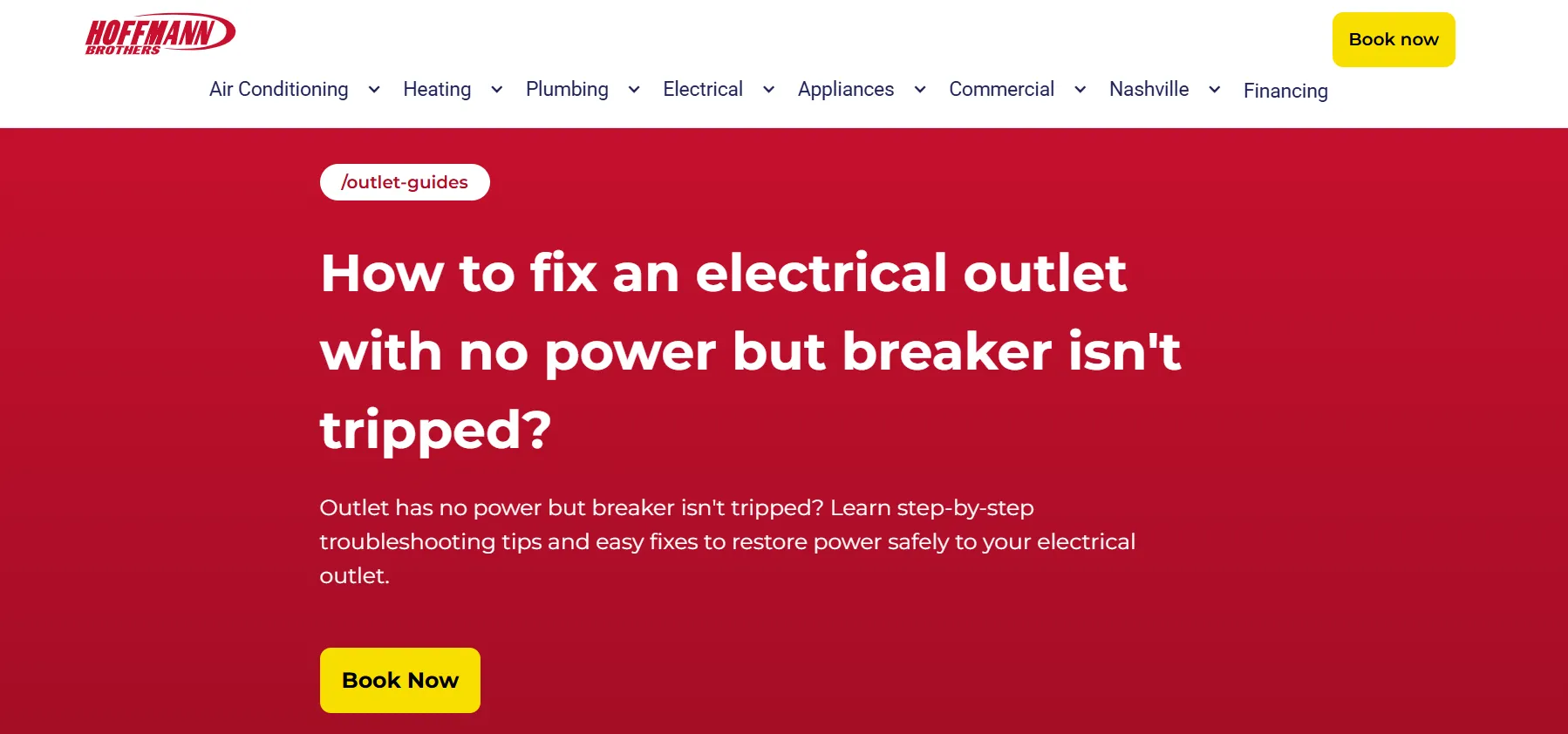
Tutorials, how-to content and FAQ articles build trust long before someone needs your services. Combine this with follow-up emails or texts after jobs — asking for Google reviews and reviews on other sites, offering seasonal maintenance tips or sharing a referral incentive — and you’ve got a remarkably cost-effective retention engine.
Monitoring and Timely Response
You can’t improve what you don’t measure. Set clear KPIs (Key Performance Indicators) — leads per month, cost per lead, website traffic, conversion rate — and review them regularly. Use marketing analytics tools to track performance and catch problems before they drain your budget. Respond to customer reviews (good and bad) promptly. A thoughtful reply to a negative review can increase trust with the potential customers who read it.
Why You Shouldn’t DIY Your Electrical Work — or Your Marketing
You’ve probably told a homeowner at least once: “Please don’t do this yourself. I promise it won’t save you money.” You explained the risks — fire hazards, code violations, the potential to turn their living room into a very expensive, very dark room. They nodded, then Googled a YouTube tutorial anyway, and you got a call two days later to confront the aftermath.
Digital marketing has the exact same problem. Business owners see a Facebook Ads tutorial, spend $500, get zero leads and conclude “digital marketing doesn’t work.” What actually happened is they didn’t understand search intent, set up the wrong campaign objective or targeted the wrong audience.
Just like DIY electrical work, DIY digital marketing done wrong doesn’t just fail — it actively makes things worse. You can tank your Google rankings with bad SEO, waste thousands on misdirected ads or damage your online reputation with a botched review response. The cost of “saving money” by doing it yourself can far exceed the cost of doing it right. For more on managing your online reputation, see our post online presence essentials for local businesses.
This isn’t to say you need a massive agency retainer on day one. It’s to say that understanding the basics — and knowing when to bring in professionals — is exactly as important in digital contractor marketing as it is in electrical work. Nobody wants to get metaphorically electrocuted twice.
How to Use Local Digital Marketing for Electrical Companies in 2026: 11 Tips
Now for the good stuff. These electrician marketing strategies are practical, prioritized and built for electrical business owners who have a full schedule and limited time to spend on marketing.
1. Show Your Expertise Through Cases and Content
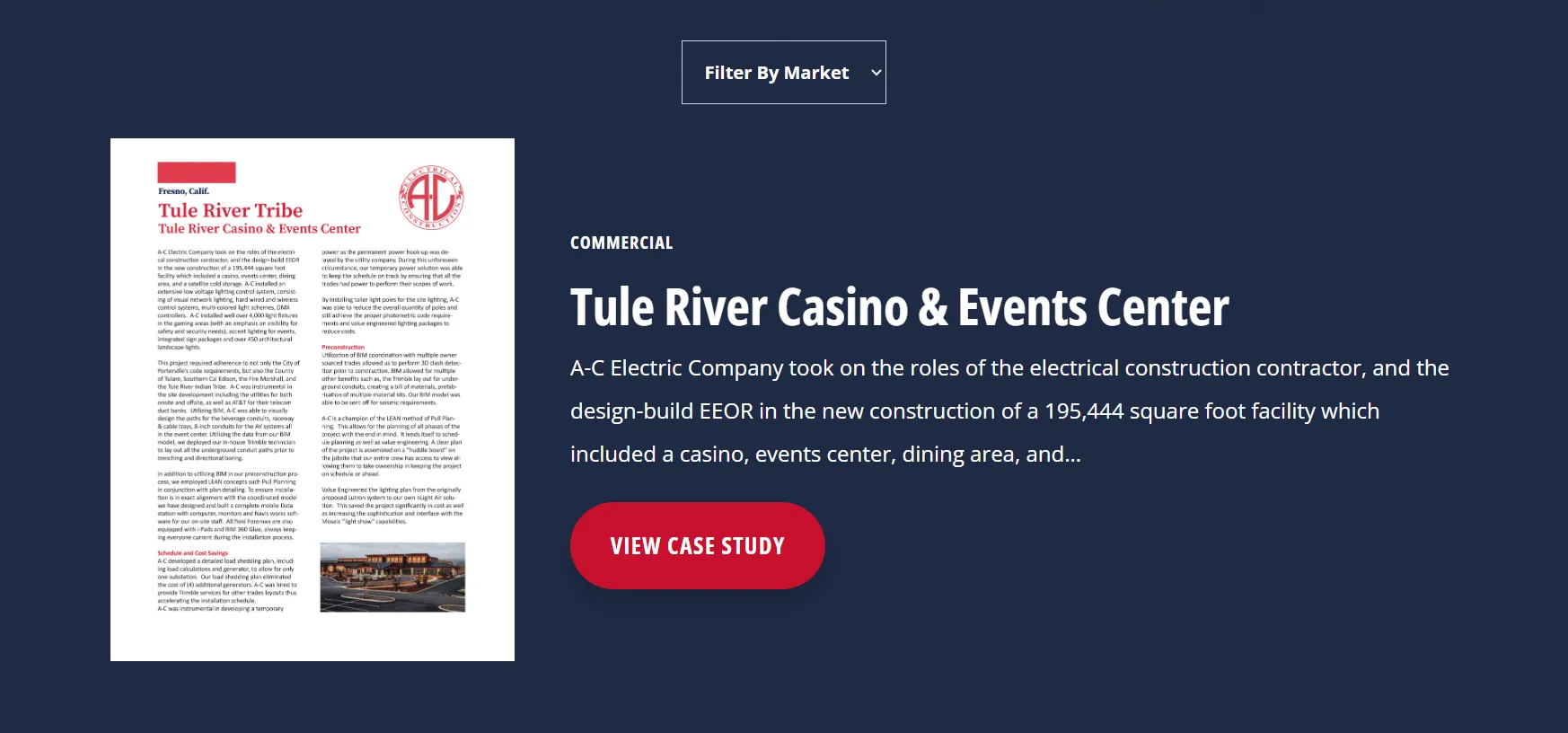
Before-and-after photos of a panel upgrade. A short write-up about that tricky commercial job you completed ahead of schedule. A blog post explaining what AFCI breakers are and why homeowners need them. This kind of content does double duty: It builds trust with potential customers AND signals to search engines that your site is a credible, relevant resource.
Pro tip: Case studies don’t need to be long. A few sentences, a couple of photos and a client quote can be incredibly persuasive. Even a quick post on your Google Business Profile counts toward building your online presence and reputation management. Not sure what a compelling case study looks like in practice? Here’s the anatomy of a great one, using Netpeak’s work with H2H Movers — a Chicago-based moving company with the same local service business challenges you’re facing — as the blueprint:
-
The client and context. Who they are and what they do in one sentence. (“H2H Movers is a Chicago-based moving company offering residential and commercial relocation services.”)
-
The problem. What wasn’t working. (“Despite a strong local reputation, they faced growing competition from national franchises and needed a scalable way to generate high-quality leads.”)
-
The strategy. What was done about it — briefly. (“Netpeak launched a multichannel PPC campaign across Google, Bing, Meta and Reddit, with ongoing A/B testing of creatives and audiences.”)
-
The result. One punchy, specific number. (“Google Ads conversions increased by 135% — with only a 35% rise in cost per acquisition.”)
-
The human voice. A quote from someone on the team or the client side that adds credibility and personality.
That’s it. Five components, no fluff. For an electrician, this could be as simple as: “Chicago homeowner needed a full panel upgrade before closing on a sale — tight timeline, older home, permit required. We completed the job in two days, passed inspection on the first try and saved the closing.” Add a before/after photo and a customer review, and you’ve got a case study that does more selling than any paid ad — and more for your SEO rankings than a page sitting empty on your site.
This kind of content marketing is one of the most underused electrician marketing ideas out there. Done consistently, case studies build website traffic, strengthen your local search presence and give potential customers the social proof they need to pick up the phone. They also give you ready-made material for social media, your Google Business Profile and even Google reviews requests — all core components of any solid electrical digital marketing strategy.
Read more about digital marketing for home services companies, and check out the full H2H Movers case study.
2. Grow Your Community to Build Credibility
Join local Facebook groups, Nextdoor communities and neighborhood forums. Answer questions when someone asks about electrical safety or who to call for a generator installation. Don’t spam — add genuine value. The name recognition you build in your local community is worth its weight in Google Ad spend, and it doesn’t cost a cent.
3. Partner With Other Local Professionals
Real estate agents, general contractors, plumbers, HVAC technicians and home inspectors are natural referral partners for electrical companies. A new homeowner who just used your partner’s plumbing service is a perfect prospect for your electrical inspection offer. Formalize these relationships with mutual referral agreements, and watch leads come in from a whole new direction.
This also applies to digital partnerships: guest blog posts, cross-promotions and co-sponsored local events can build quality backlinks and reach audiences you’d never find through paid ads alone.
4. Launch a Referral Program
Word-of-mouth is your most powerful existing asset — so systematize it. Offer a $25 gift card, a service discount or a donation to a local charity for every referral that converts. Make the ask easy: send a follow-up text after each job with a direct link to your Google review page AND a simple referral form.
According to Nielsen, 88% of consumers trust referrals from people they know more than any other form of advertising. You already have happy customers. Give them a reason to talk.
5. Participate in Networking Events

Chamber of commerce meetups, local trade shows, and contractor expos are where real business relationships happen. And yes, in 2026, “networking” still includes handshakes. Bring business cards that match your online branding, collect contacts and connect on LinkedIn within 24 hours of meeting someone.
6. Produce Engaging Content Regularly
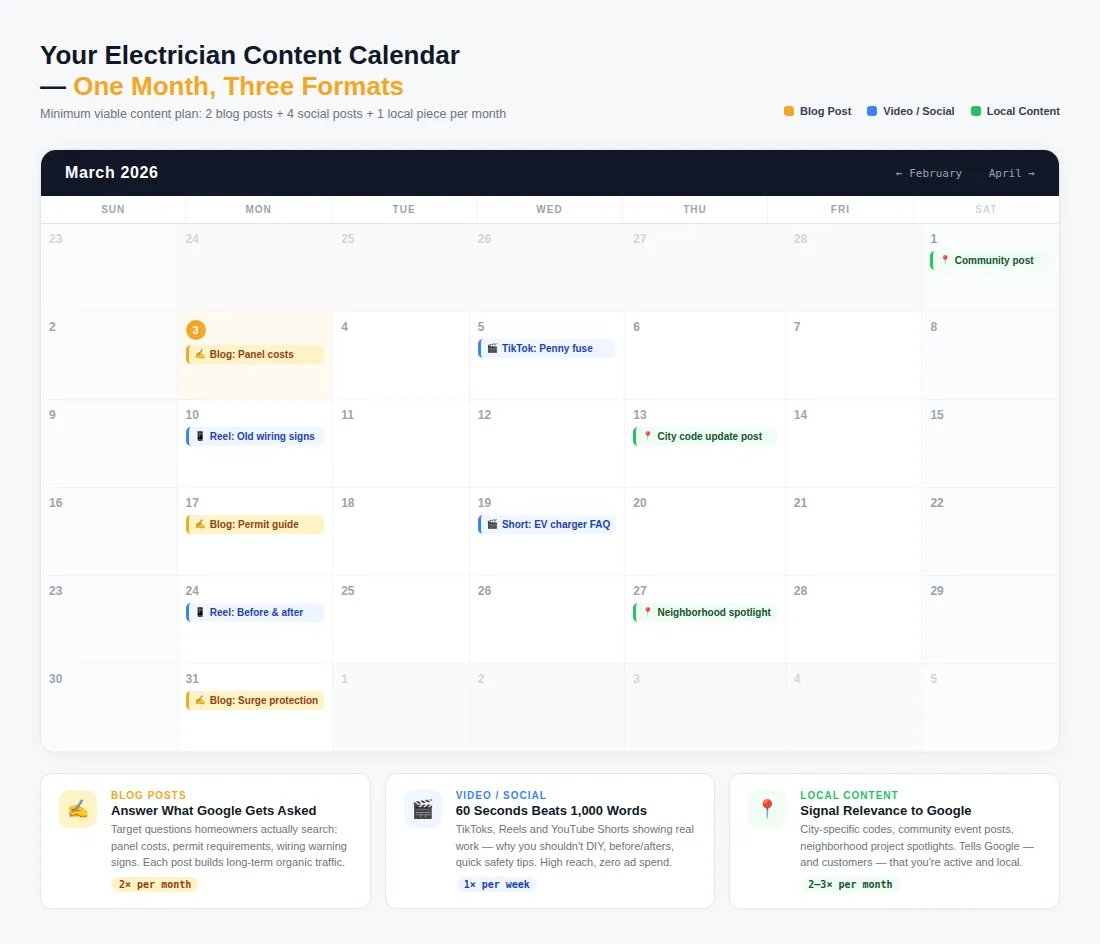
You might not need a full content marketing team. You might just need a consistent cadence — even two blog posts per month and one social media post per week can move the needle. Focus on content that answers the questions your customers type into Google: “How much does an electrical panel upgrade cost,” “signs of outdated wiring,” “do I need a permit for [X]?”
Video content performs especially well for trades. A 60-second TikTok or YouTube Short showing why you should never use a penny as a fuse replacement will outperform a thousand-word blog post in terms of reach — and it firmly establishes you as the expert (and entertainer) in the room.
Local content — posts about community events, city-specific electrical codes or neighborhood project spotlights — also signals to Google that you’re an active, relevant business in your area.
7. Show Your Certificates and Credentials
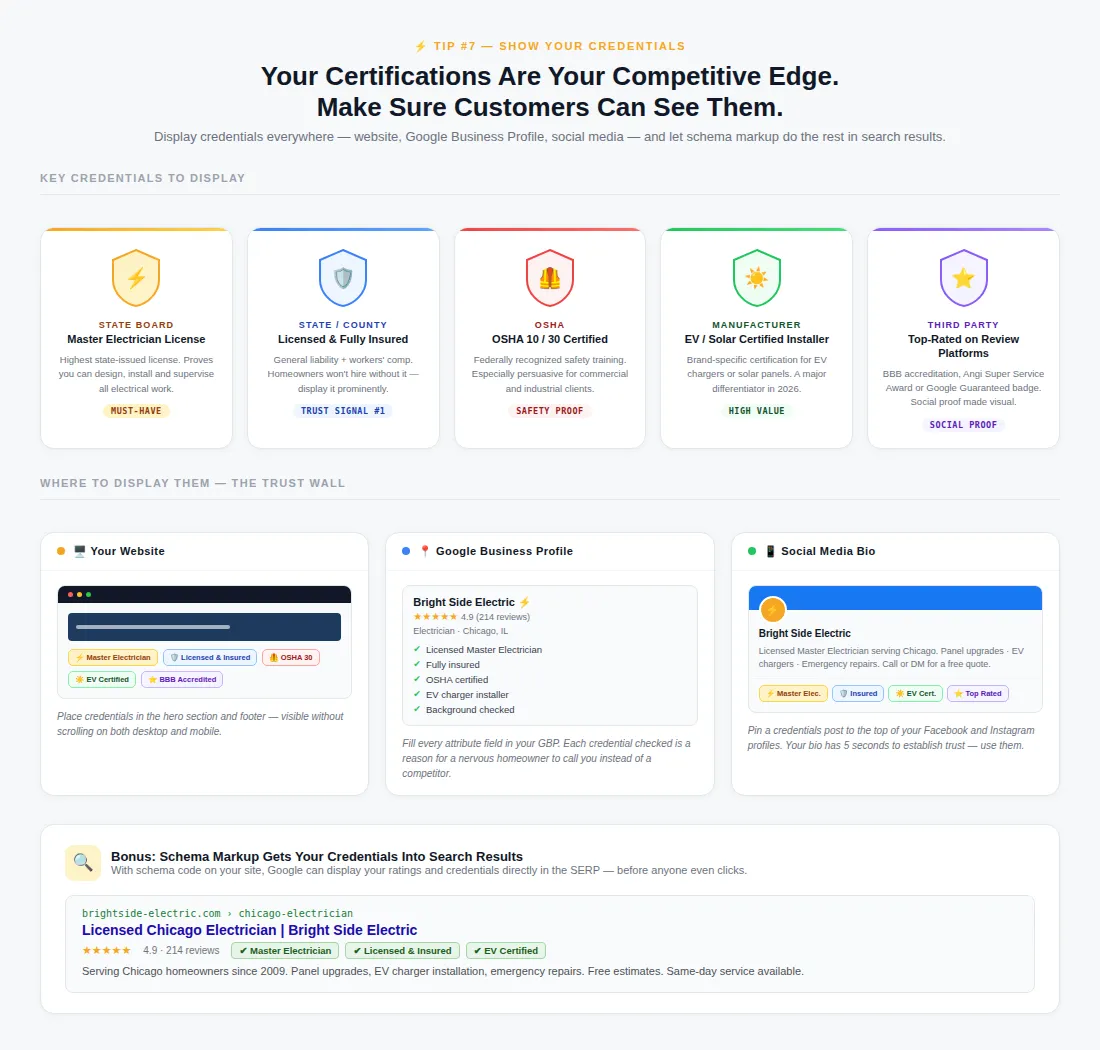
Licensing, insurance, manufacturer certifications, Master Electrician status — display these prominently on your website, your Google Business Profile and your social media. Customers are nervous about letting strangers into their homes. Visible credentials reduce friction and increase the likelihood they’ll pick up the phone.
Schema markup (a type of technical SEO code) can help search engines display your credentials and review ratings directly in search results, increasing click-through rates significantly.
8. Re-Engage Users Who Didn’t Get in Touch
Someone visited your website, looked at your generator installation page for two minutes and then left without calling. That’s not a lost lead — that’s a warm prospect who needs a gentle nudge. Remarketing campaigns serve targeted ads to these visitors as they browse other websites or scroll social media.
Studies show that retargeted visitors are 70% more likely to convert than first-time visitors. It’s like following up after a quote — except automated and delivered exactly where your prospect is spending their time. Learn how remarketing works for home services businesses to make the most of this channel.
9. Follow Modern Trends — AI and Short-Form Video
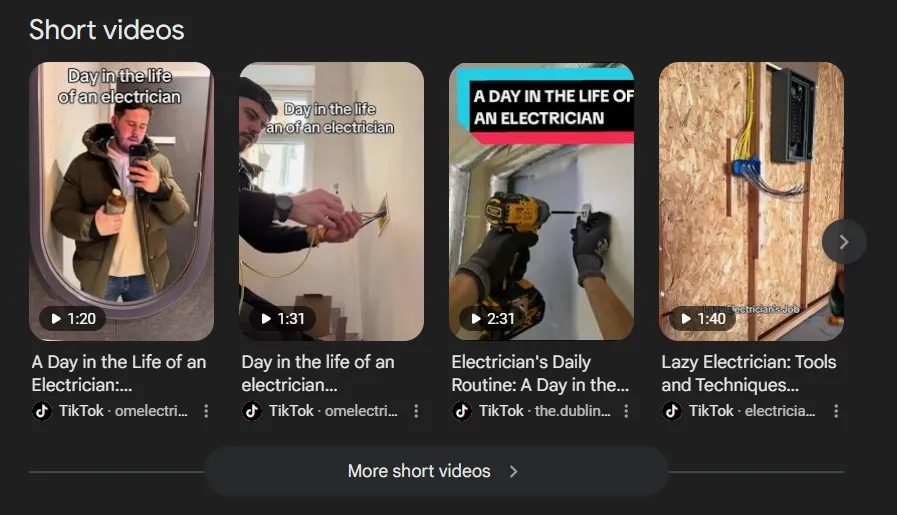
AI tools are transforming how small businesses handle content creation, customer communication and marketing analytics. ChatGPT can help draft blog post outlines or email templates. AI-powered chatbots can handle initial inquiries on your website 24/7. And if you haven’t started experimenting with TikTok or Instagram Reels, 2026 is the year to start — the algorithm rewards new creators generously, and trades content performs surprisingly well.
Check out local SEO in the age of AI for a deeper look at how AI is reshaping local search for service businesses.
10. Monitor Your Competitors to Learn From Them
What keywords are your top competitors ranking for? What kind of content are they publishing? What do their Google reviews say — and more importantly, what do their negative customer reviews reveal about gaps you could fill? Tools like SEMrush, Ahrefs or even a simple Google search of “[competitor name] reviews” can yield a gold mine of insights for your electrician marketing strategies.
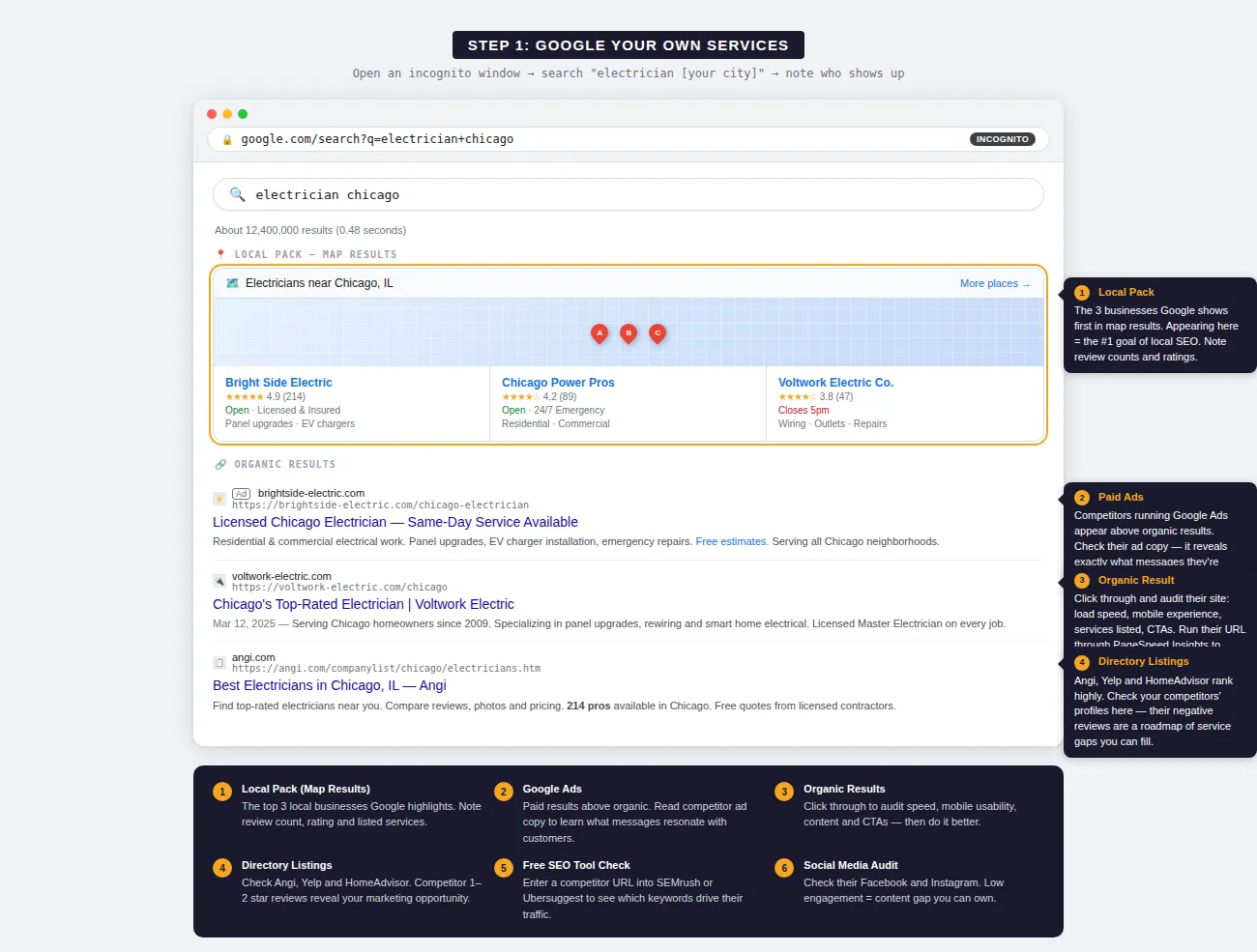
Here’s how to run a basic competitor analysis in under 30 minutes — no agency required:
-
Google your own services. Search “electrician [your city]” in an incognito window. Note who appears in the Local Pack (the map results) and the top organic search results. These are your real competitors — not necessarily who you think they are. This is also a fast way to audit your own online visibility and online rankings relative to the local market.
-
Check their Google Business Profile. Click through to their business profile. How many reviews do they have? What’s their rating? Read their one- and two-star reviews carefully — complaints about slow response times, unclear pricing or no-shows are service gaps you can directly address in your own electrician marketing. Make sure your own business name, address and phone number are consistent across all business listings while you’re at it.
-
Visit their website. How fast does it load? Is it mobile-friendly on mobile devices? Do they have a clear call to action? Run their URL through Google’s free PageSpeed Insights tool (pagespeed.web.dev) to get a side-by-side speed score against your own site. Website design and user experience are ranking factors — if their site is slow and yours isn’t, that’s a meaningful SEO performance advantage you already own.
-
Look at their content. Do they have a blog? What topics are they covering — or not covering? If none of your competitors have written about EV charger installation or whole-home surge protection, that’s a local content opportunity sitting wide open. Gaps in a competitor’s content marketing are essentially a map to your next 10 blog posts — and a direct path to owning those search results yourself.
-
Run a free SEMrush or Ubersuggest search. Enter a competitor’s URL and see which relevant keywords are driving their online traffic. Even 10 minutes with a free tool can surface location-specific keywords and search intent patterns worth targeting in your own SEO strategy. This is keyword research without the agency price tag.
-
Check their social media. What are they posting? What gets engagement? What do comments reveal about their customers’ questions and frustrations? Social media gaps are just as valuable as content gaps — and often easier to fill fast.
The goal is to understand the landscape and do it better. If your competitor’s website loads in 4 seconds and yours loads in 1.5, you’ve already won the user experience battle before a word is read. Stack enough of these small advantages, and your digital marketing for electricians starts compounding in ways that are very hard for competitors to reverse.
11. Set Clear and Tangible KPIs
“More leads” is not a KPI. “Increase qualified leads from 15 to 25 per month by Q3, at a cost per lead under $40” — that’s a KPI. When you define success clearly, you can measure whether your marketing spend is working and make informed decisions about where to invest more (or less).
Review your KPIs monthly. Track website traffic, conversion rate, cost per lead, revenue from digital channels, SEO performance and customer review score. Build a simple dashboard using Google Analytics (free) or a more robust marketing analytics platform — and actually look at it.
Why Multichannel Marketing Works Best for Electrical Companies
OK, so a homeowner sees your Facebook post about surge protectors, thinks “huh, interesting,” and moves on. Two weeks later, they search “electrician near me” after an outlet fails, and your Google Business Profile appears first with 78 five-star reviews. They click your website, see a before-and-after photo of a panel upgrade, and call.
That’s multichannel marketing at work — and it’s why no single channel is enough. Customers interact with a brand an average of 8–10 times before making a purchase decision. Each touchpoint — social post, search result, review, ad — builds the trust that eventually converts a prospect into a paying customer.
The channels you prioritize depend on your budget and stage of business. Here’s a practical framework for pairing strategies:
|
Budget Level |
Primary Channel |
Supporting Channel |
Goal |
|
Starter (<$500/mo) |
Google Business Profile + Local SEO |
Facebook organic + reviews |
Visibility & credibility |
|
Growth ($500–$2K/mo) |
Google Ads (search) |
SEO + social media + email |
Lead volume |
|
Scale ($2K+/mo) |
Google Ads + Meta Ads |
Remarketing + content + referrals |
Market dominance |
The key is integration. Your Google Ads drive online traffic to a landing page that aligns with your SEO strategies, which builds the authority that makes your organic online rankings stronger, which reduces your cost per click over time. Everything connects — just like, well, a properly wired circuit.
For a deeper look at how to build an integrated approach, explore Netpeak’s digital marketing strategies — purpose-built for businesses ready to grow beyond guesswork.
The most effective electrician marketing ideas aren’t just tactics — they’re part of a strategic system. Each element supports the others, and removing one weakens the whole structure. Sound familiar?
How Netpeak Helps Electrical Businesses Grow
Netpeak is an agency with deep expertise in digital marketing for home services businesses, including digital marketing for electrical contractors. We’ve helped local service businesses go from over-relying on referrals to building scalable, multichannel pipelines that keep the calendar full year-round.
From SEO and Google Ads to reputation management and marketing analytics, our team handles the digital work so you can focus on the electrical work. No guesswork, no wasted budget, no DIY disasters. See how we approach fast digital marketing for electricians — and what a real growth plan looks like.
Power Up Your Marketing in 2026
Digital marketing for electricians in 2026 means the difference between a fully booked schedule and wondering why the phone isn’t ringing. The good news is that most of your competitors are doing this poorly, which means the opportunity to stand out is genuinely significant. Start with the foundations — your website, Google Business Profile and local SEO.
Layer in content, reviews and paid ads as your budget allows. Measure everything, adjust regularly and don’t be the homeowner who tried to replace their own electrical panel because they watched a 10-minute video.
If you want a partner to build and manage your electrical digital marketing strategy — one who understands how to get real results for local service businesses — explore our electrician marketing services and let’s talk.
FAQ
Is it possible to stay booked 365 days a year with digital marketing?
Yes — but it requires a combination of channels and consistent effort. Organic SEO, Google Ads, referral programs and reputation management working together can generate a steady, predictable flow of leads. Many successful electrical contractors use seasonal campaigns (surge in spring/fall for outdoor work, winter for heating-related electrical) to fill gaps and maintain year-round revenue.
What is the minimum investment in electrical digital marketing?
You can start with as little as $200–$300 per month by focusing on free or low-cost channels first: claiming and optimizing your Google Business Profile (free), building local citations (low cost), and encouraging reviews after every job (free). A modest Google Ads budget of $200–$500 per month in a less competitive market can generate meaningful leads from day one.
Can I have only a mobile app without a website?
Not if organic search is a priority. Google indexes websites, not apps, for local search results. A mobile app can be a valuable tool for existing customers — think booking, invoicing or maintenance reminders — but it won’t replace the SEO value of a well-optimized website. Think of an app as a retention tool and a website as an acquisition tool.
People don’t want to leave reviews these days. What can I do?
The single biggest reason customers don’t leave reviews is friction: they mean to do it, forget and never get back to it. Remove the friction. Send a follow-up text immediately after a job with a direct link to your Google review page. Make the ask personal: ‘It would genuinely help my small business if you had a minute to share your experience.’ Timing is everything — ask within 24 hours of completing a job while the experience is still fresh.

 0
0
 0
0
 0
0
 0
0
Related Articles
Sustainability Marketing: 7 Smart Ways to Earn Trust (and Customers)
Learn how to grow your brand efficiently while using eco-friendly marketing practices to build trust and long-term revenue.
Why Your Amazon Pet Ads Are Getting More Expensive Every Quarter Since 2025 (and How Smart Brands Manage It)
What happened to the auction prices? Where is the margin going, and what should be done next quarter?
How to Track Brand Mentions in AI Search? Find Out Whether You Are in the Answer
Being mentioned in an AI search boosts visibility. Discover how to monitor your brand mentions in ChatGPT, Perplexity, or Gemini and follow our approach to higher mention frequency.