
Online Local Advertising for Small Businesses: How Neighbors Find You Online
While big brands can buy attention with their enormous budgets, in this market, small players win in other ways — through location. Online local advertising makes your business appear where it matters most: in “near me” searches, on Google Maps, and in local feeds.
Think Central Perk cafe from Friends. Our six favourite characters hung out there every day, not because of Gunther's expensive local advertising online, but because it was close by, familiar, and easy to get to. Once they had found it, they continued to visit it for ten seasons and 236 episodes. It’s a lot of coffee!
This article is about the best channels for local advertising online and practical strategies. And how these local business advertising ideas help to drive calls and bookings, and grow your business.
Every Small Business Hits These Walls — You’re Not Alone
Local online advertising sounds simple until you actually start doing it. Most entrepreneurs run into the same few hurdles along the local advertising online strategy:
-
Finding new customers is hard. A whopping 60% of small business owners say discovering new customers is one of their top marketing pain points.
-
Small teams. 78% of businesses have just 1-3 marketers, so owners are planning, posting, optimizing, and analyzing too.
-
Budget constraints. Nearly half of small businesses don’t have enough time, skills, and funds to effectively do local online marketing — especially when competing with larger brands that can throw money at the sun.
-
Analytics are needed but underused. Nearly 75% of small companies don’t use analytics or tracking tools, and 18% don’t track anything at all. That means they’re trying to connect with the local audience, basically flying blind.
What Is Local Advertising Online?
The essence of local online advertising is to promote services to users nearby, rather than to everyone everywhere. You need to make the right people in your area see your ad at the moment they need it.
If you run a café, dentist’s office, hair salon, or repair service, your ideal customers usually:
-
live close to you,
-
work nearby,
-
actively searching for products “near me.”
Here are a few places online where people found nearby businesses:
-
Google Search and Google Maps.
-
Review platforms: Google Reviews, Yelp, TripAdvisor, etc.
-
Local directories, such as business listings and map results.
-
Facebook, Instagram, and TikTok ads, which show up based on location.
We wrote a detailed article about local SEO for small businesses. Read it too, to find a few cheat codes!
Why Local Digital Advertising Is Worth the Effort
Most small businesses don’t need more people; they just need to reach people nearby who can come in, call, or book an appointment at short notice. Here are reasons to run local advertising for a small business.
You Catch Buyers at the Right Moment
Local ads reach potential customers when they are ready to act. For example, if someone searches: “coffee near me,” they want coffee now. If someone types: “emergency plumber open now,” they need help today.
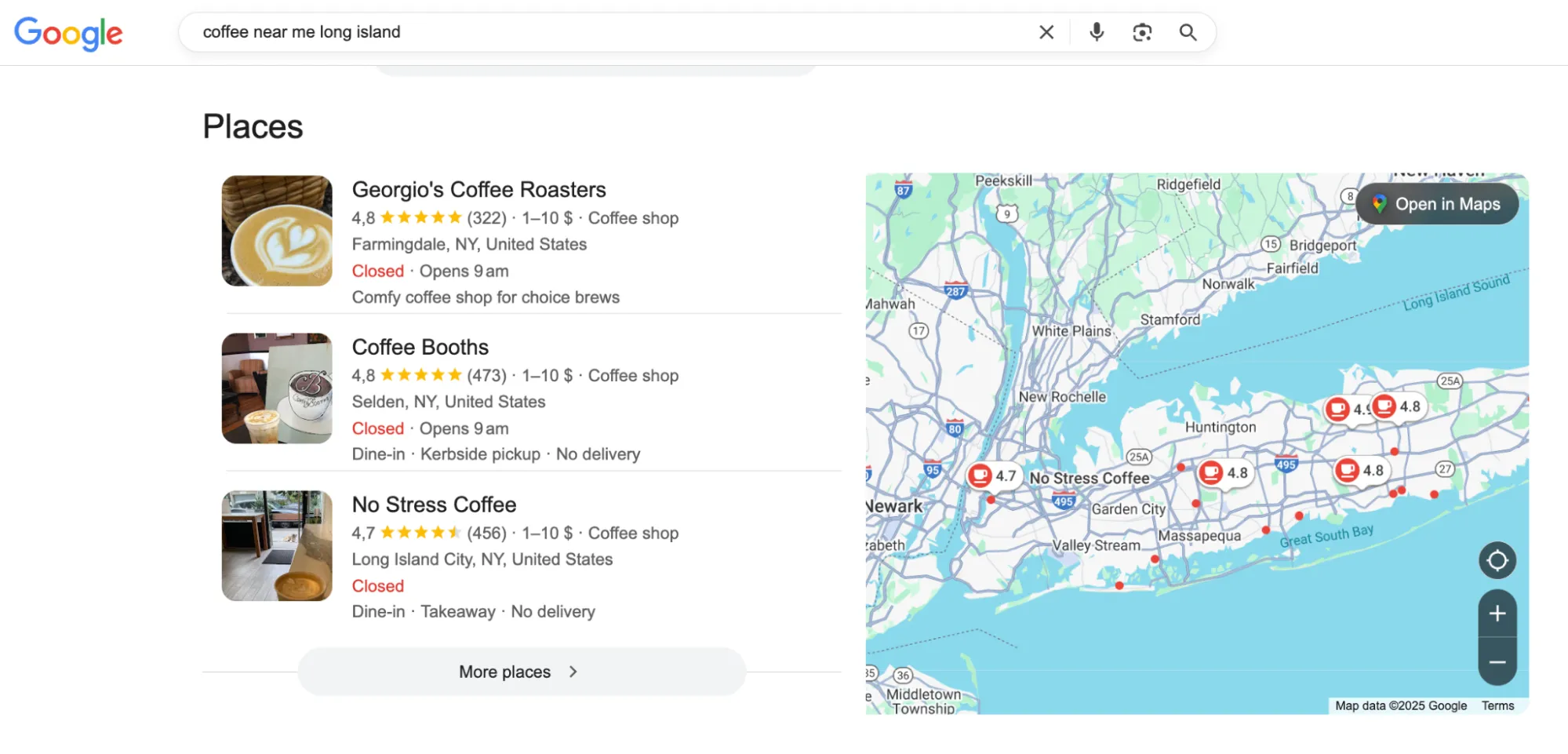
Business result: 93% of clicks on local search pages go to the top 3 results.
You Save Money Thanks to Geo-Fencing
Geo-fencing lets you combine location with timing. National or “general” advertising reaches many people who will never become customers. This means you're spending money on clicks that don't lead anywhere. Local advertising, on the other hand, only shows ads to people in your city, within a certain distance of your business, or who are searching locally.
For instance, a hair salon could show its ads only to people within a 5 km radius instead of across the whole city.
Business result: 46% of all Google searches have local intent, so it still reaches a big audience without extra costs.
You Use Your Competitive Advantage
Small businesses can win only by being more local and relevant. Thanks to local ads, a petite café could appear above Starbucks on Google Maps when someone searches for “coffee shop”.
That result would be impossible to achieve if it depended on budgets.
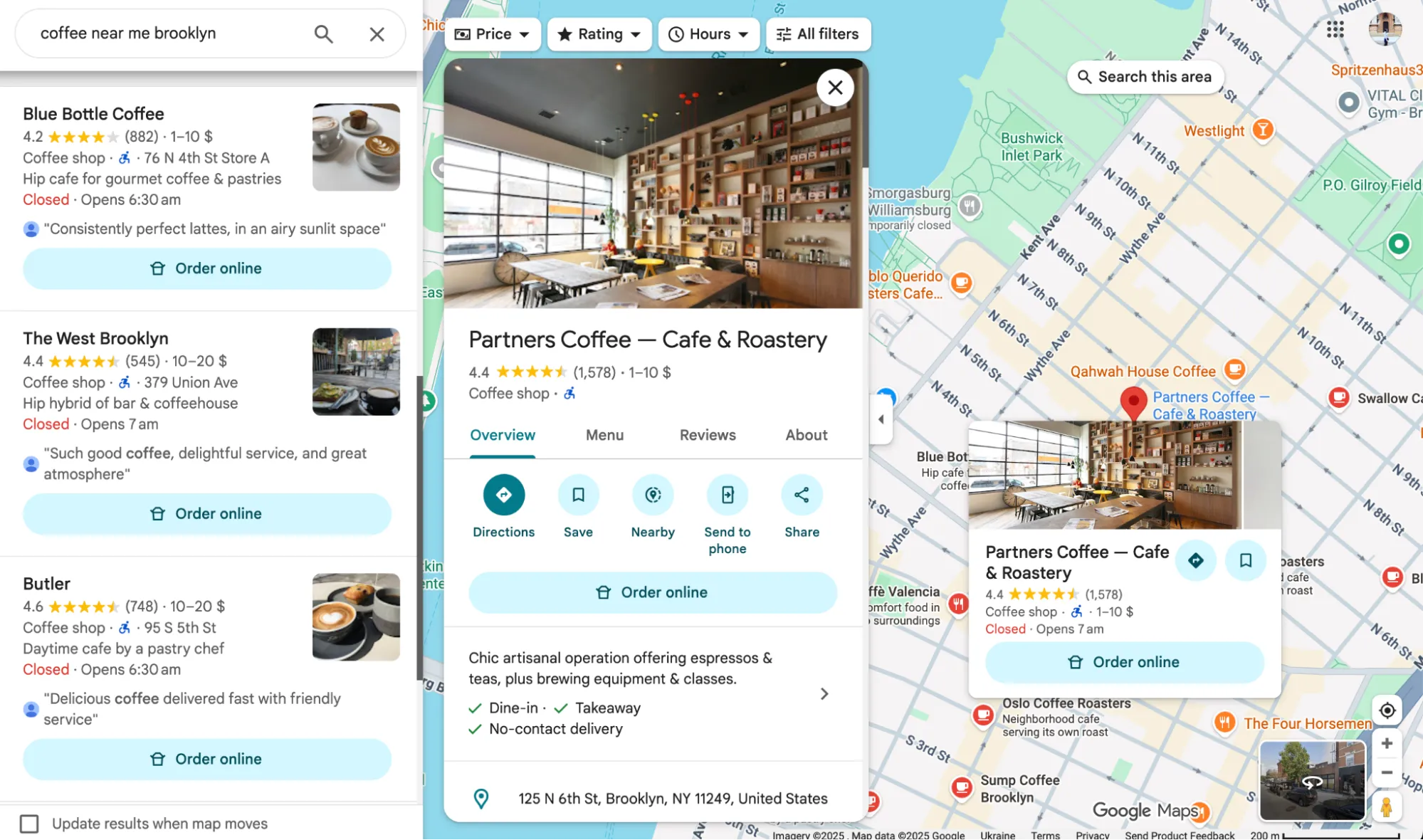
Business result: 1.5 billion “near me” searches happen every month — that’s about 50 million local searches every day. You need to give them a chance to find your business.
You Drive Real-World Actions (Not Just Traffic)
Local advertising is about offline results: “Call now” ads bring phone calls, Map ads drive people to your door, and booking buttons lead to appointments.
Brand awareness is neat, but while you’re small, you need to fill your schedule first.
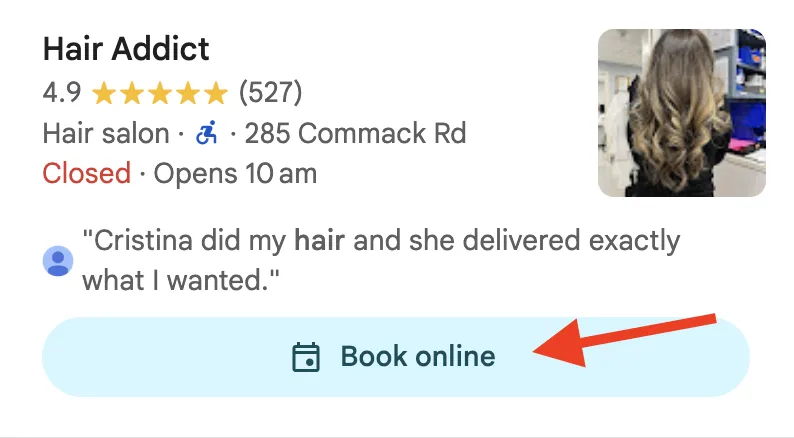
Business result: 76% of people who search for a local business on their phone visit that business within 24 hours, and 28% of those searches result in a purchase.
We at Netpeak US know a lot about advertising for small businesses. We love working on tasks like that, so if you need to let your neighbours know that you're working nearby, don't hesitate to call us. We'll make you the shiniest star on your street!
4 Local Advertising Platforms You Can Master
Small business internet advertising works best when you use channels that help you to match local intent. Each local advertising platform plays a different role in the customer journey — from discovery to decision. Here are the most effective ones.
Google PMax for Local Businesses
There are automated campaigns that show your ads across Search, Google Maps, YouTube, Display, Gmail, and Discover from one setup. You tell Google your location, goal (calls, visits, bookings), and what you sell. And then Google’s AI decides where and when to show ads to people.
For example, if you run a local gym, your PMax campaign could be focused on:
-
“gym near me” searches
-
map searches
-
YouTube ads that are shown only in the chosen radius
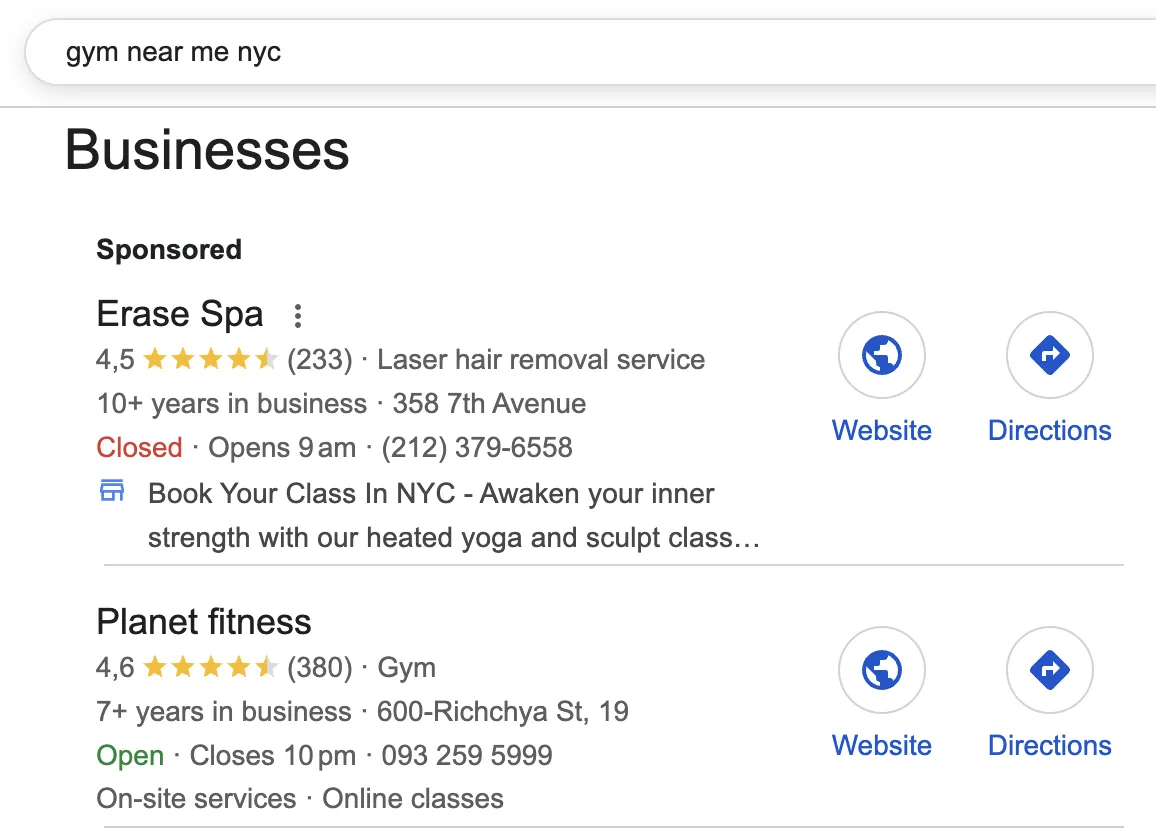
Best for: Broad local visibility when you want to do minimal campaign management.
Specialist tip: PMax performs best when paired with a strong Google Business Profile.
Hyperlocal PPC + Maps: Local Search Advertising
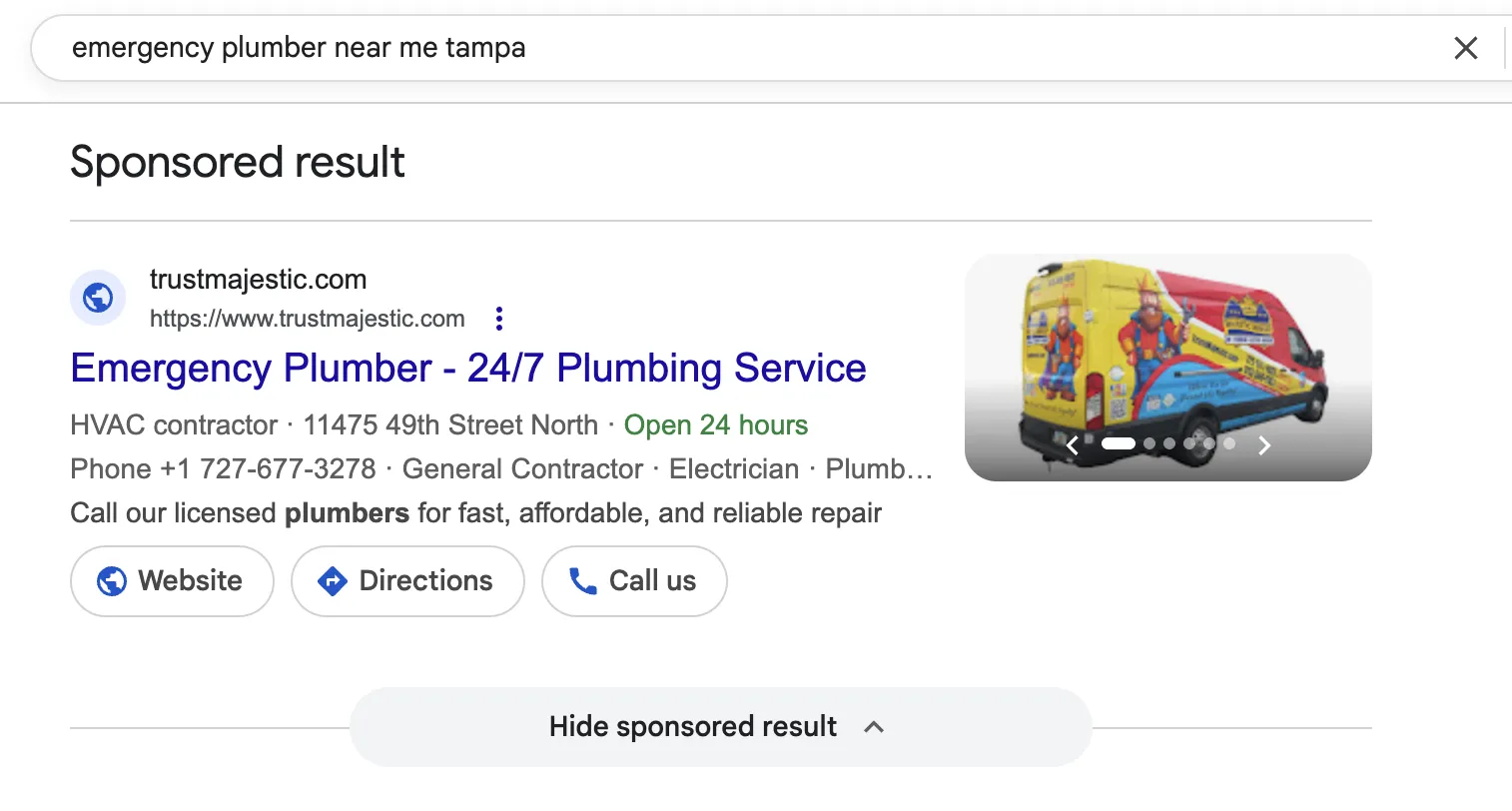
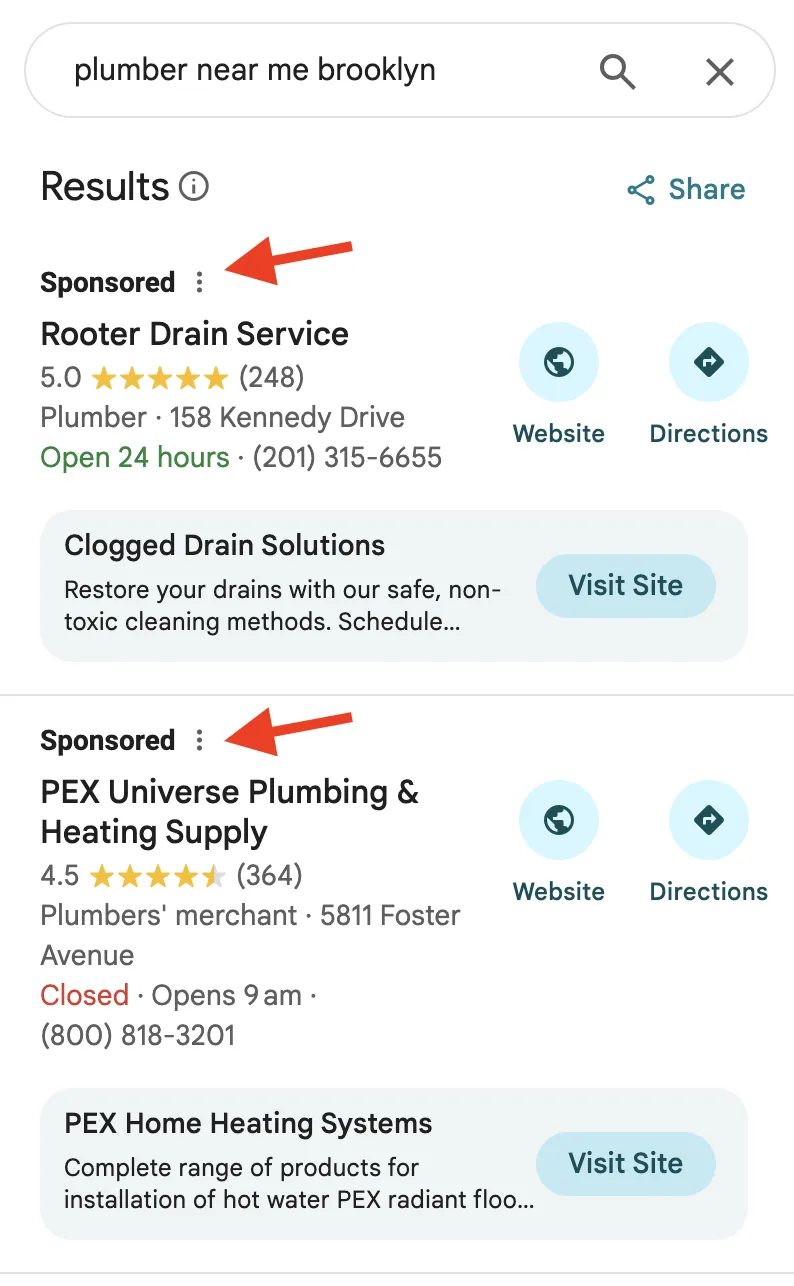
These are Google Ads that appear when someone searches locally, often with “near me”, city or neighborhood names, or urgent intent (“open now”, “same day”). These ads show a phone number and location.
They allow you to dominate the map pack, even if your SEO isn’t perfect yet.
Ads appear:
-
At the top of Google search.
-
Inside Google Maps.
Best for: Services, clinics, repairs, restaurants — any business people search for when they need it now. Has one of the highest ROIs among local channels.
Specialist tip: Use location extensions aggressively. They add an address and connect your ads directly to Google Maps, directions, and calls.
If you want some help with creating your local PPC strategy, give us a hint. Netpeak is a Google’s 2025 Premier Partner, so we know how to do our work well!
The cost of ranking at the top of Google isn't the same in every city. Here's what Boston movers face.
Google Local Services Ads (LSAs)
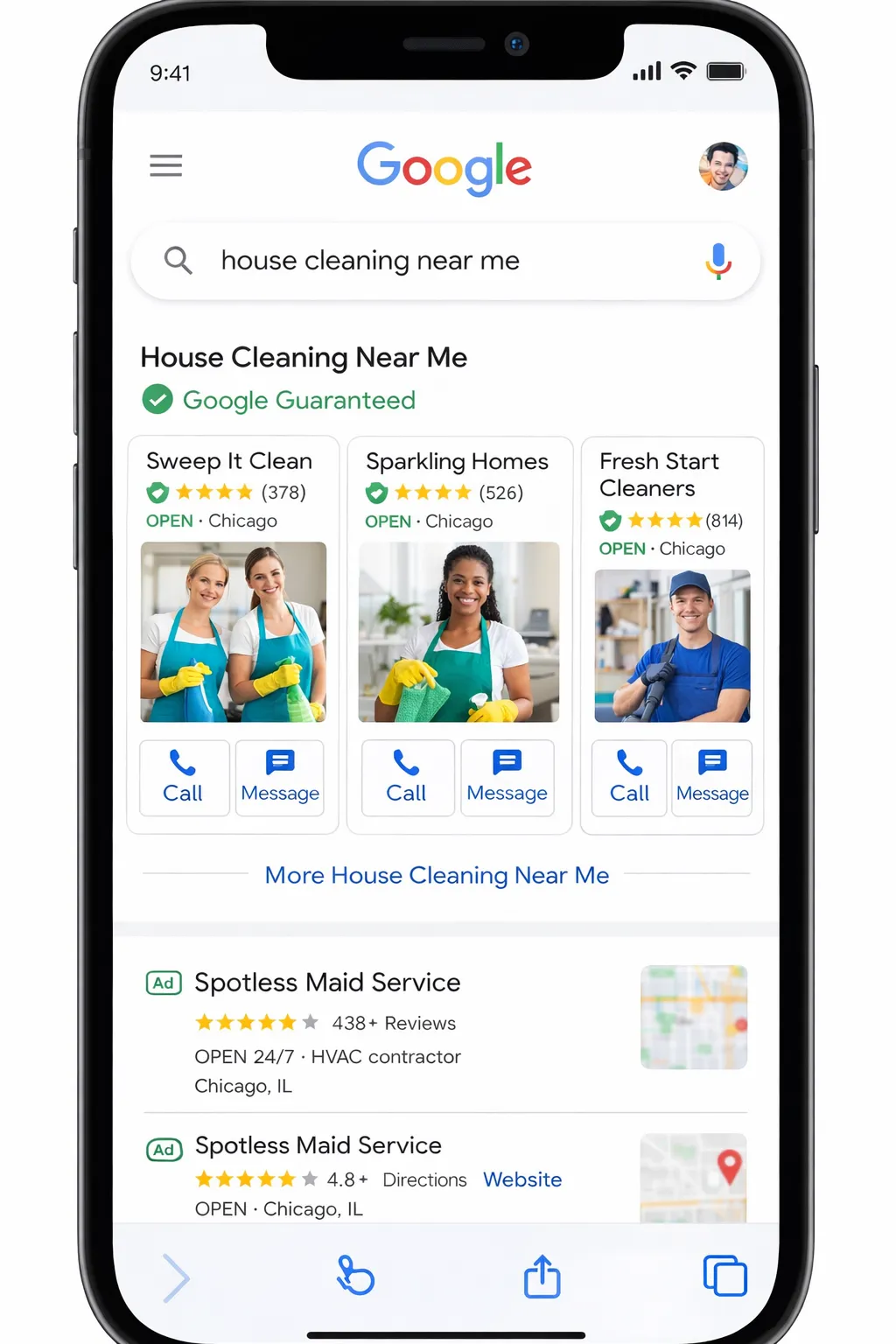
Local Services Ads appear above regular Google Ads and show your business name, reviews, the “Google Guaranteed” badge, and a phone call button.
For example, a cleaning company ad could appear at the top when someone searches for “house cleaning near me.”
Best for: Plumbers, electricians, cleaners, lawyers, home services, and healthcare (where available). It gives extremely high trust.
Specialist tip: LSAs are not about creative ads; they’re all about trust signals: reviews, response rate, and proximity. And keep in mind that you’ll pay per lead, not per click.
Local Social Media Ads Targeting (Facebook, Instagram, TikTok)
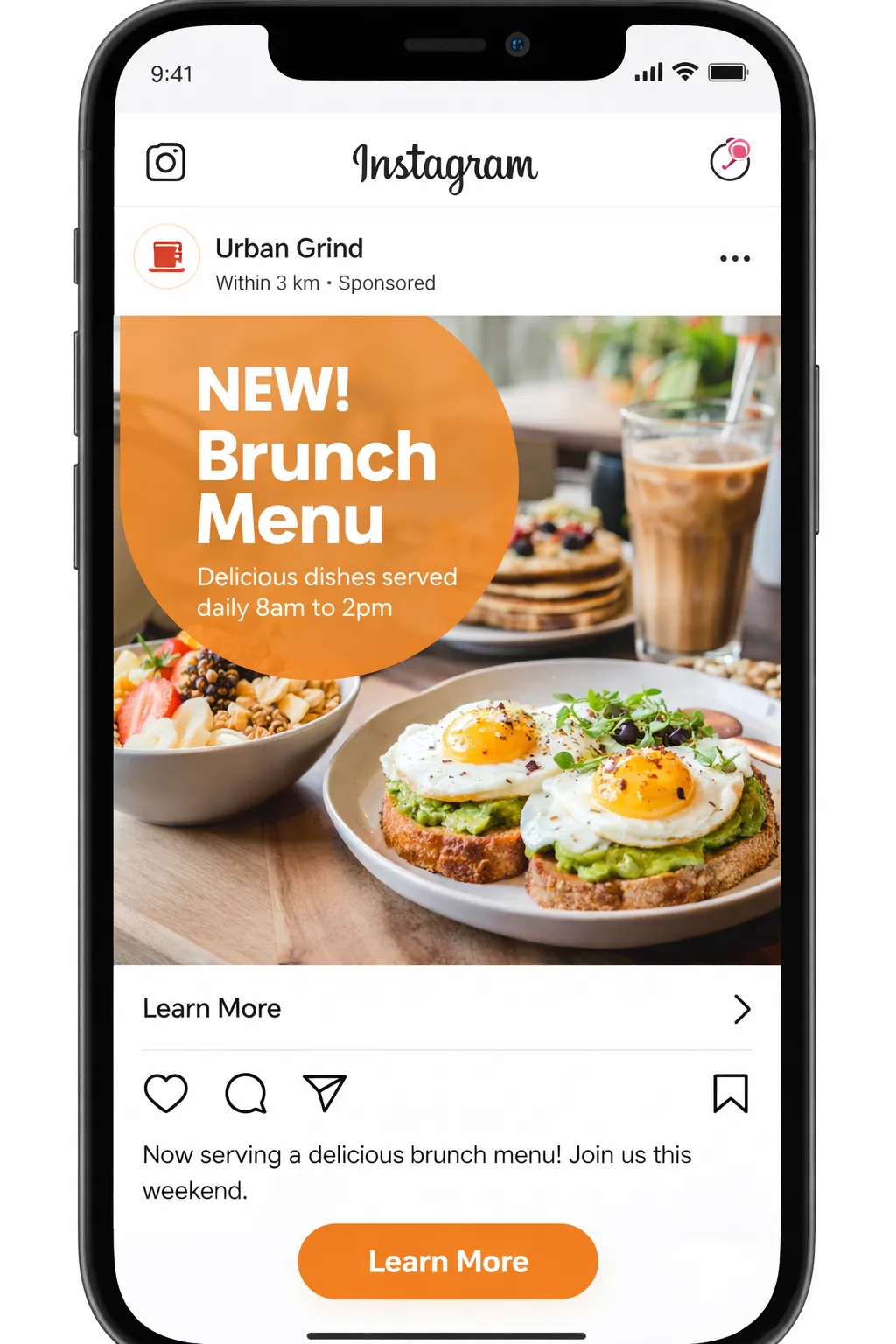
Social platforms, along with social media marketing, let you target ads by city or radius, age, interests, behaviors, and (most importantly) people who are nearby. These ads appear while people scroll, not searching intentionally.
For example, a café could run Instagram ads within a 3-km radius to promote a new brunch menu.
Best for: Cafés, fitness studios, retail outlets, and other small businesses. It helps people to recognise your brand and brings them to your door.
Specialist tip: Local social media advertising is most effective when promoting specific reasons to visit, rather than generic branding. Offer people a reason to visit this week.
Free Local Advertising Ideas That Actually Work
When you use the right local advertising ideas, you can attract local customers and generate leads without spending on ads.
SEO
Search Engine Optimization helps your business show up in Google when people search for what you offer. Unlike ads, SEO keeps working even when you stop actively investing in it.
SEO is built on three things:
-
Relevance — your content matches what people search (keywords, services, locations)
-
Authority — your business is trusted
-
Experience — your website is fast, clear, and easy to use
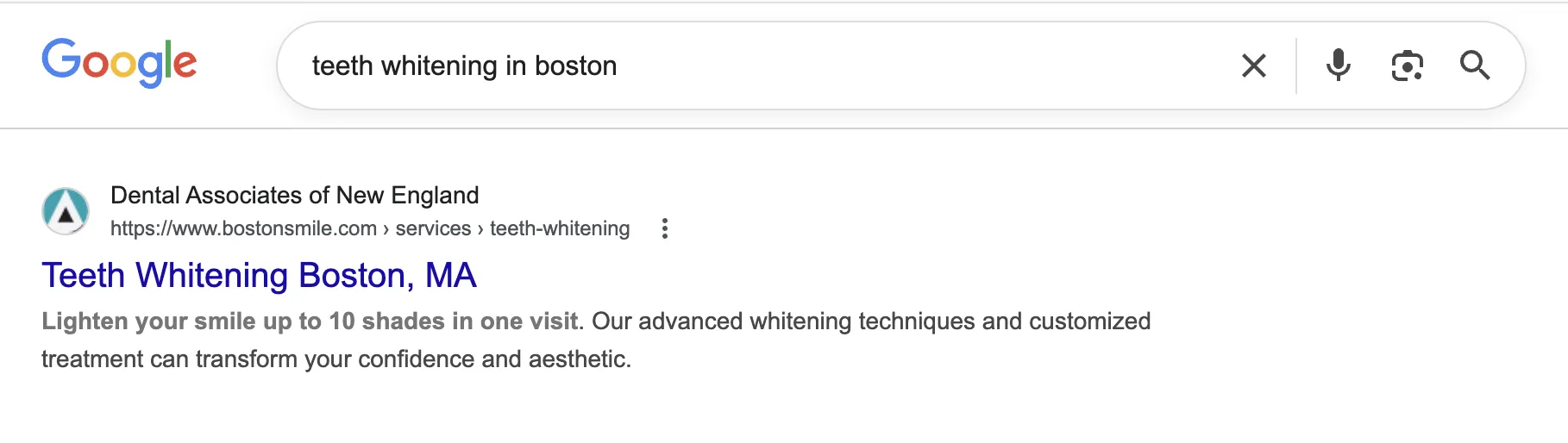
For example, a local dental clinic created a page “Teeth whitening Boston, MA.” Over time, they appear when people search “dentist near me” or “teeth whitening Boston.”
Best for: Local services and businesses with repeat or long-term demand.
Specialist tip: Don’t try to rank for everything — focus on real local SEO searches like “same-day plumber downtown Chicago” or “knee pain doctor near me open Saturday.” These are easier to rank for and convert better.
Blog
A blog helps your business attract customers by answering their questions before they’re ready to buy. Unlike ads, it keeps bringing traffic over time and helps you show up in more searches.
“A corporate blog serves as social proof that you are experts worth trusting and highlights your unique insights from the field, which are not obvious to your clients. Not sure what to write about? Think about the questions clients often ask, their misconceptions, worries, desires, etc., and develop them into full-fledged articles.”
Valeria Karbusheva, Head of Blog
For example, a local moving company writes articles like “How to Move in Chicago Without Stress” or “Best Time to Move in Illinois.” Over time, people find them while searching for tips — and turn into customers.

Best for: Businesses where customers take time to decide, compare options, or do research first.
Specialist tip: Write with a clear goal. Each article should match a specific search and gently guide readers toward your service.
Email Marketing
Email marketing helps your business stay connected with people who are already interested — past customers, leads, or subscribers. Unlike ads, you don’t pay to reach them again — which makes email one of the most cost-effective channels.
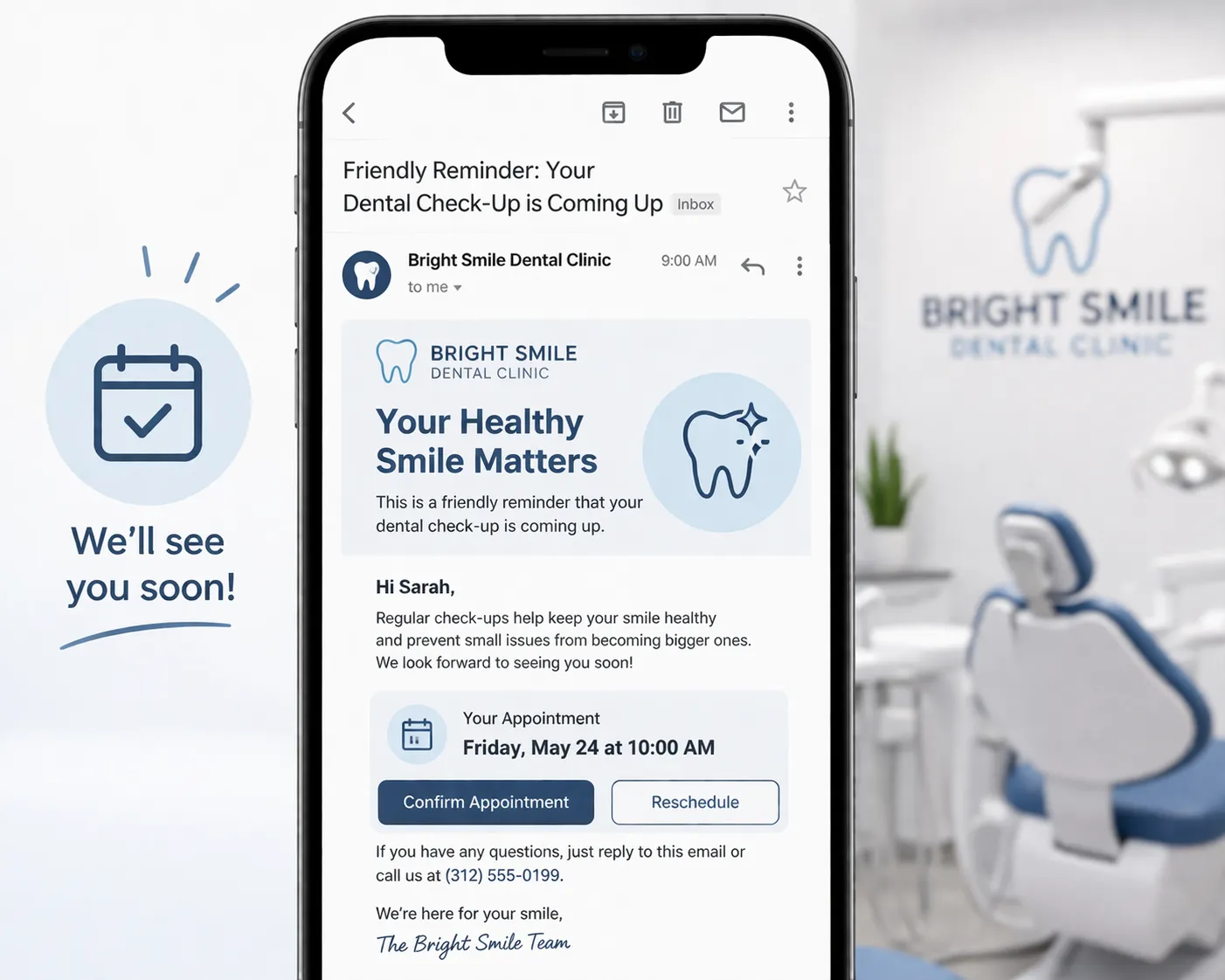
For example, a dental clinic sends check-up reminders, shares simple care tips, and runs seasonal offers. Over time, patients come back more often and book faster.

Best for: Businesses with repeat customers, bookings, or ongoing services (clinics, salons, fitness, e-commerce).
Specialist tip: Mix promotions with helpful content. Emails that educate and remind perform better than those that only try to sell.
Online Communities: Local Social Media Groups
Online communities help your business connect with people where they already spend time — local community groups, forums, and social platforms. It’s a way to build trust through real conversations.
Online communities work through three things:
-
You consistently show up where your audience is active
-
You answer questions, give advice, and share useful insights
-
People recognize your name and see you as a helpful expert
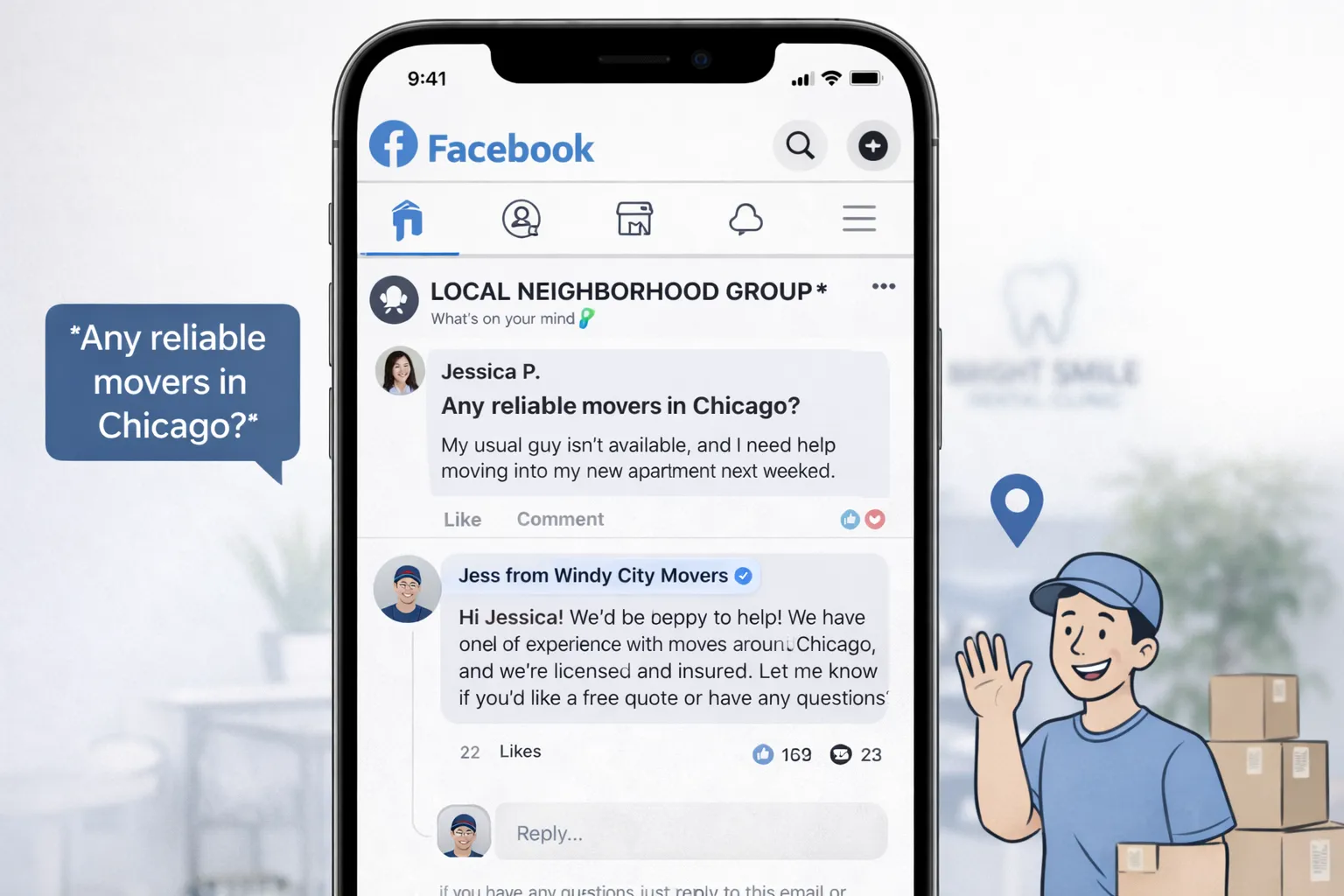
For example, a local moving company is active in Facebook groups, answering questions like “Any reliable movers in Chicago?” Over time, people start tagging them directly and recommending their services.
Best for: Local services, small businesses, and companies that rely on trust and word-of-mouth.
Specialist tip: Don’t sell immediately — engage first. The businesses that win in communities are the ones that help consistently, not the ones that only show up when they want something.
Referrals
Referrals turn your existing customers into the local marketing online channel. Instead of finding new people from scratch, you get introduced — which makes conversion much easier.
What do you need to make referrals work:
-
Customers who are happy enough to recommend you
-
Give people a reason to refer (discounts, bonuses, or other perks)
-
Create an easy way to share your business (with links, codes, etc.)
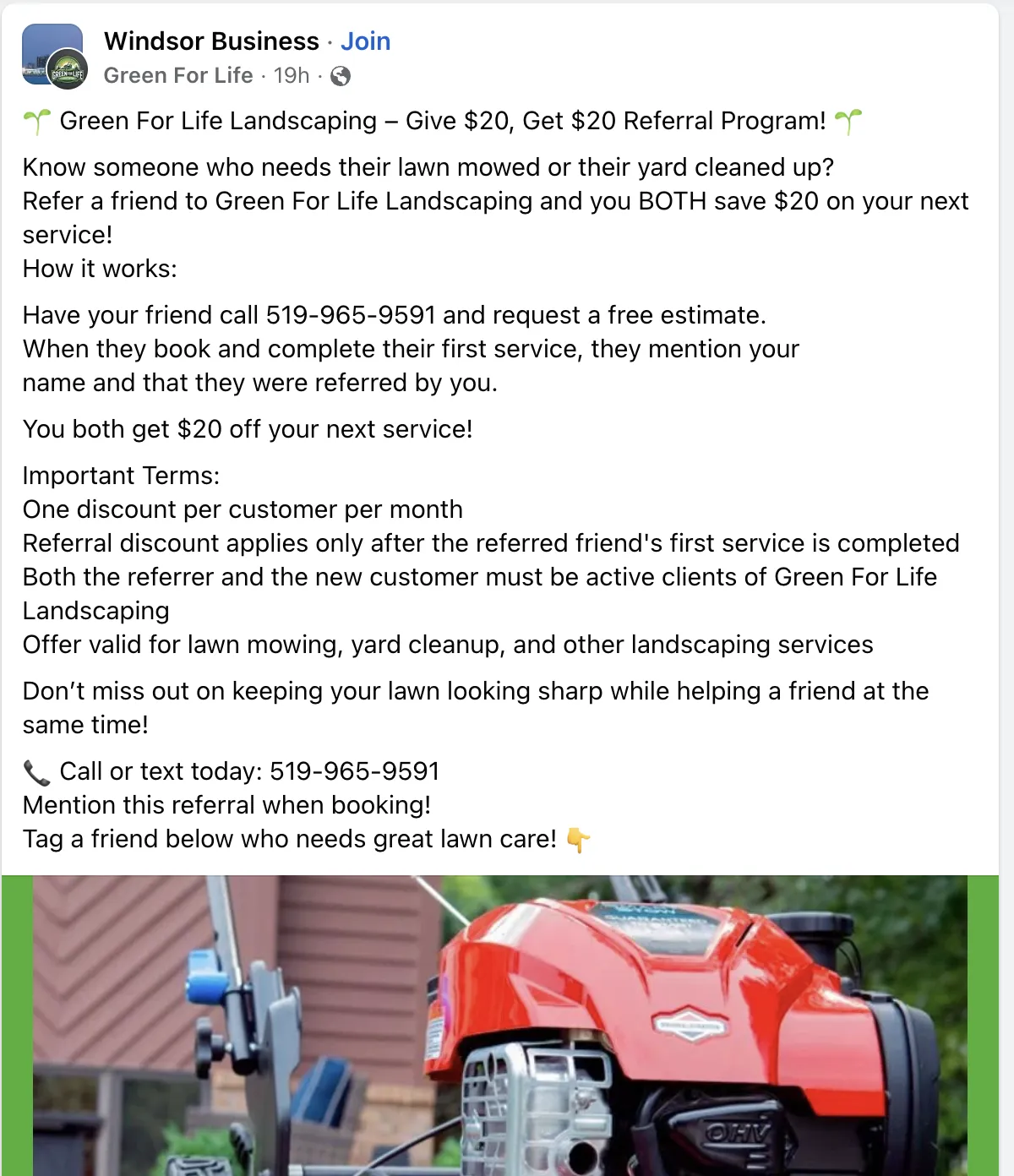
For example, a local landscaping service offers a “Give $20, Get $20” referral program. A happy customer shares it with a friend, and both get a discount.
Best for: Businesses with strong customer experience and repeat clients (services, clinics, fitness, home services).
Specialist tip: Ask for referrals right after a great experience or successful service. That’s when people are most likely to say yes.
Network
Networking helps your business grow through real-life connections and partnerships. Instead of reaching cold audiences, you build relationships with people who can recommend or refer you directly.
Networking works through two things:
-
You build genuine connections with local professionals and businesses
-
People know what you do and remember you when the need arises
For example, a local contractor partners with real estate agents and interior designers. When their clients need renovation work, they get recommended first.
Best for: Service-based businesses, local companies, and anyone who benefits from referrals and partnerships.
Specialist tip: Stay visible. Follow up, check in occasionally, and remind people what you do so they think of you at the right moment.
Directories
They help your business get found when people search for your services. Customers compare options, check reviews, and choose who to contact there.
Directories work because:
-
Your business appears in multiple places beyond your website
-
Your name, address, and phone number match everywhere (NAP)
-
Reviews and ratings build credibility and influence decisions
For example, a local plumber lists their business on Yelp and local directories. When someone searches “plumber near me,” they show up with reviews and contact details.
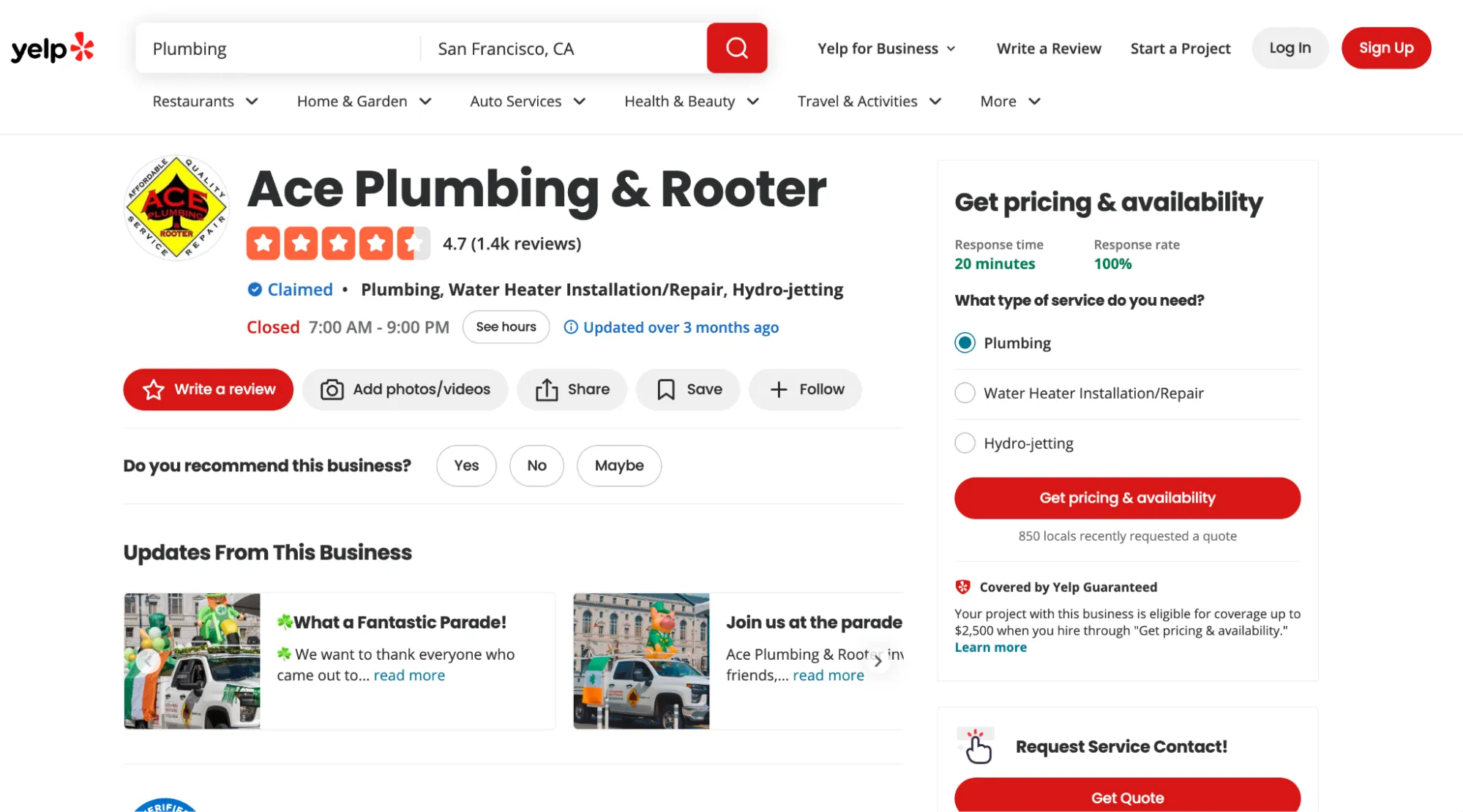
Best for: Local services, small HVAC businesses, and companies that rely on local search visibility.
Specialist tip: Add photos, services, descriptions, and keep information updated. Fully completed profiles rank higher in search results and get more clicks.
Webinars
Webinars help your business attract and educate potential customers by sharing useful knowledge in a live or recorded format. Instead of selling directly, you build trust first — and convert later.
You explain topics your audience cares about, people interact, ask questions, and get real-time answers. You position yourself as an expert in your field.
For example, a local clinic hosts a webinar like “How to Manage Back Pain Without Surgery.” Attendees learn something valuable — and when they need treatment, they already trust the clinic.
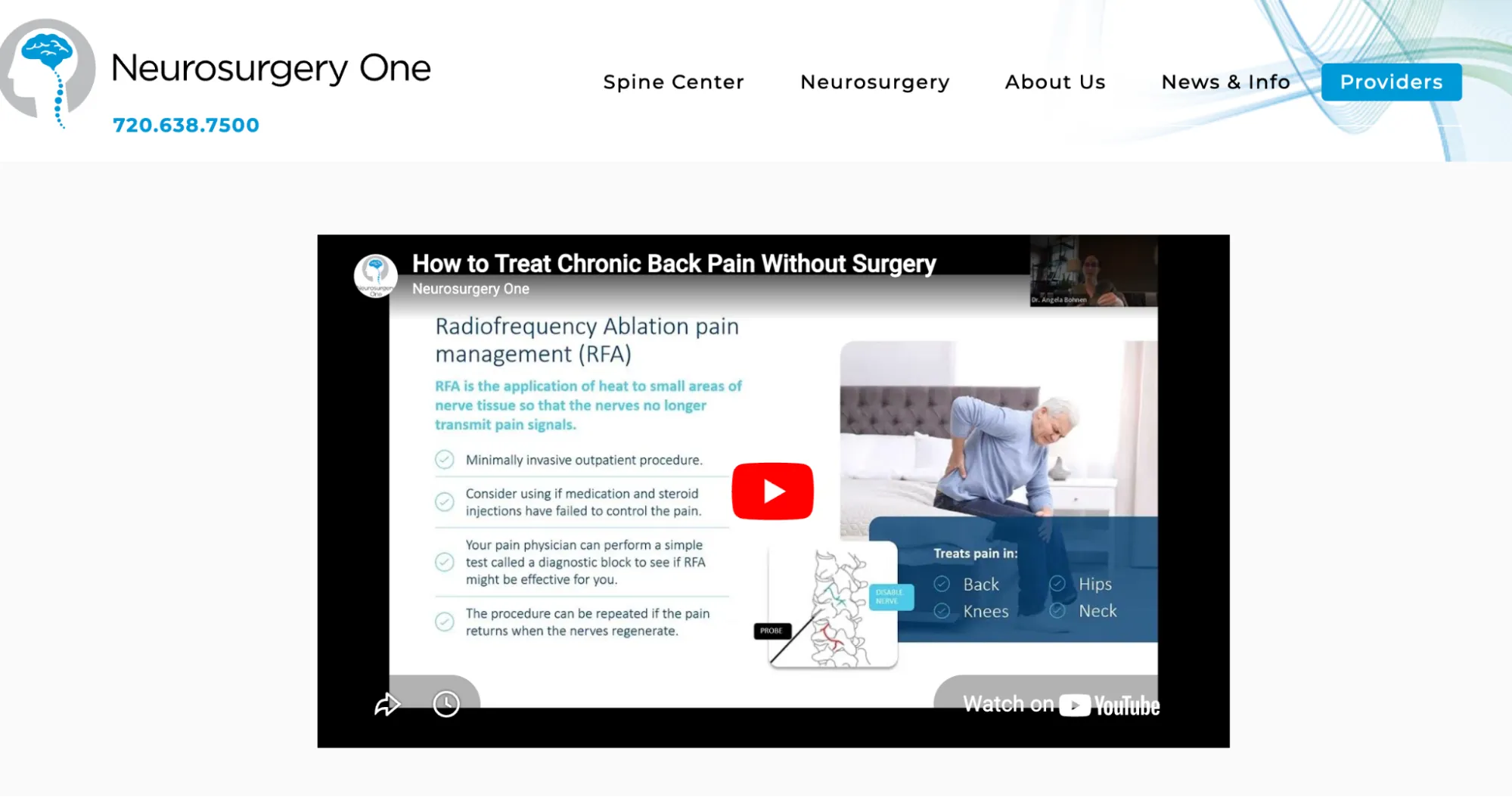
Best for: Healthcare, B2B, education-based services, and businesses with complex or high-trust decisions.
Specialist tip: Focus on solving a real problem. The more value you give, the more likely people are to choose you afterward.
Online Newspapers
Online newspapers help your business gain visibility and credibility through local media coverage. Instead of promoting yourself, you get featured as part of a story — which builds trust faster.
It works because your business reaches a wider local audience and positions itself as a recognized local player
For example, a local café gets featured in an article like “Top 10 Cozy Coffee Spots in Chicago.” Readers discover the place through trusted media — and are more likely to visit.
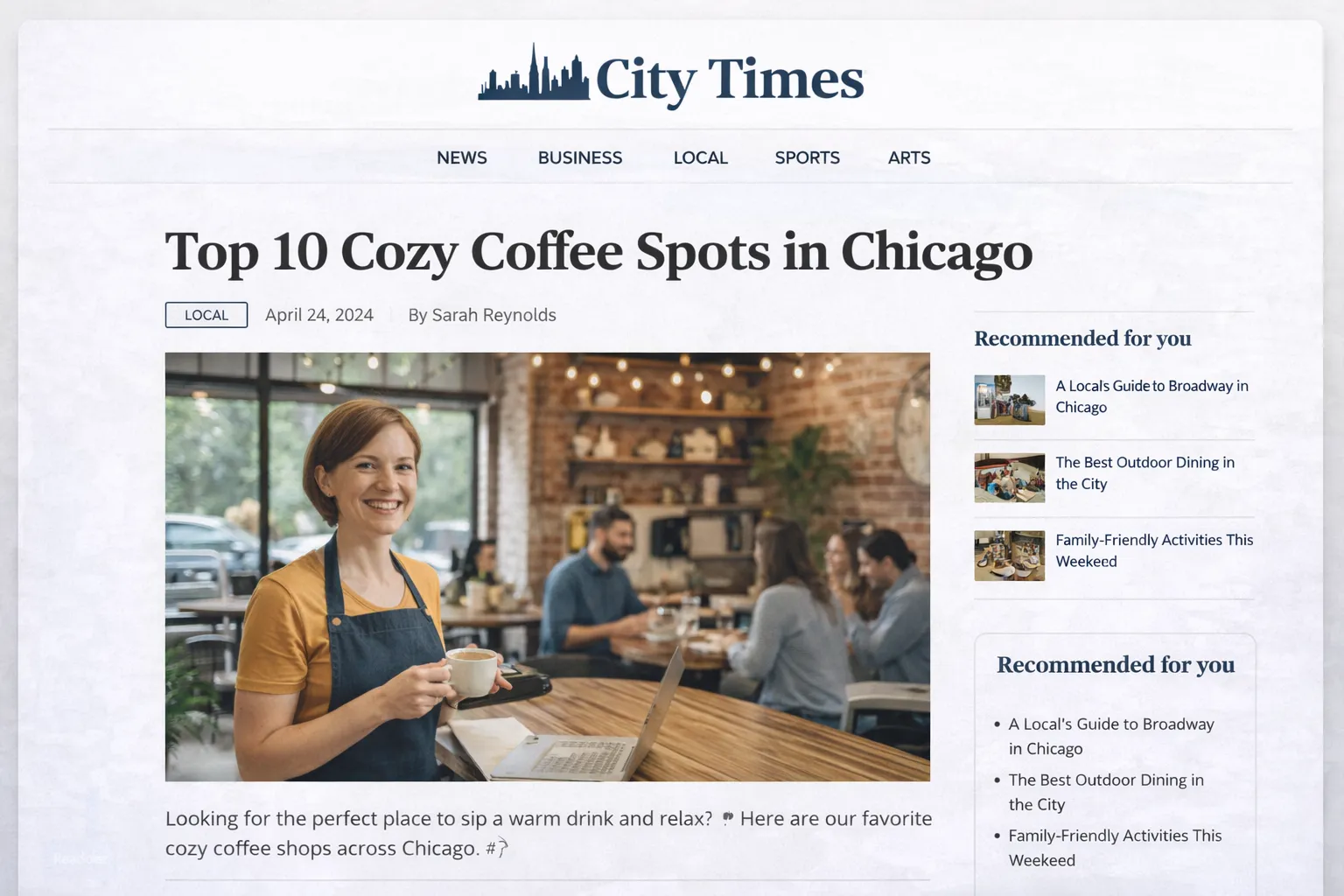
Best for: Local businesses, new openings, unique services, and brands looking to build awareness quickly.
Specialist tip: Local media love angles like new openings, community impact, or expert opinions.
Community Board
These are places where locals actively look for services, recommendations, and announcements. Community boards work through three things:
-
You appear where nearby customers are already looking
-
Your offer is seen by people in the same neighborhood
-
Community-based platforms feel more personal
For example, a local carpenter posts services on a neighborhood board or app like Nextdoor, offering help. Neighbors see the post, ask questions, and hire them directly.
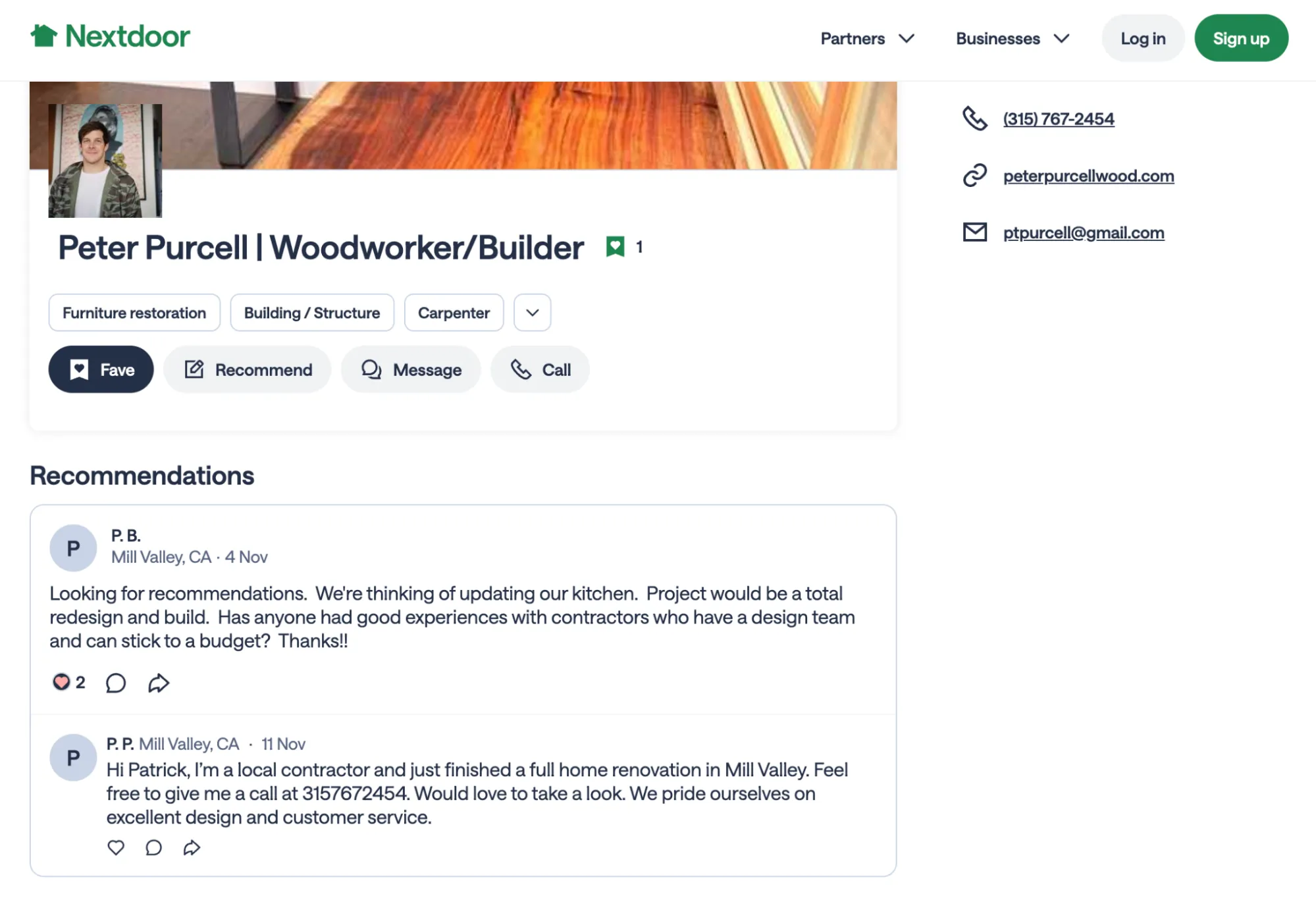
Best for: Small businesses, local services, and anyone targeting a specific neighborhood or area.
Specialist tip: Keep it simple and clear. Posts that explain exactly what you offer, where you work, and how to contact you get the best response.
Local Podcasts, Influencers & Creators
You collaborate with creators who already have a local audience. They make posts, stories, or videos about your business and share their visibility with you. People trust people.
For example, a local food blogger could post a reel about visiting your business and tagging your location.
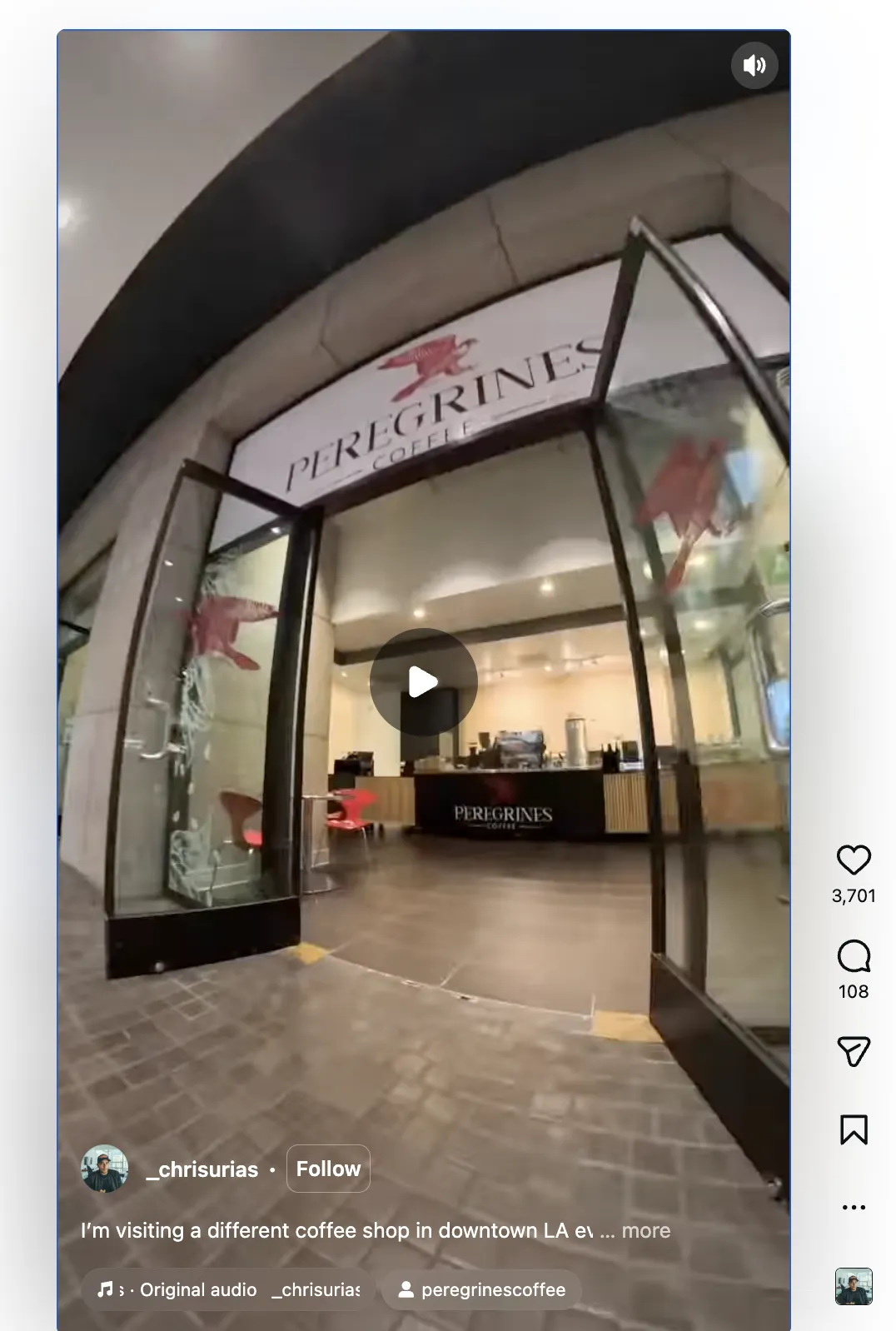
Best for: Food, beauty, lifestyle, wellness, and experiences.
Specialist tip: Five small, local creators often outperform one big influencer because their audiences tend to be more geographically relevant.
Reputation Management: Local Directories & Review Platforms
Review platforms may not feel exciting, but they play a quiet, critical role in local internet marketing. They help Google make sure that your business is real — and they influence customer decisions before the first click or call.
The most popular ones: Yelp, TripAdvisor, Trustpilot, and your industry-specific directories.
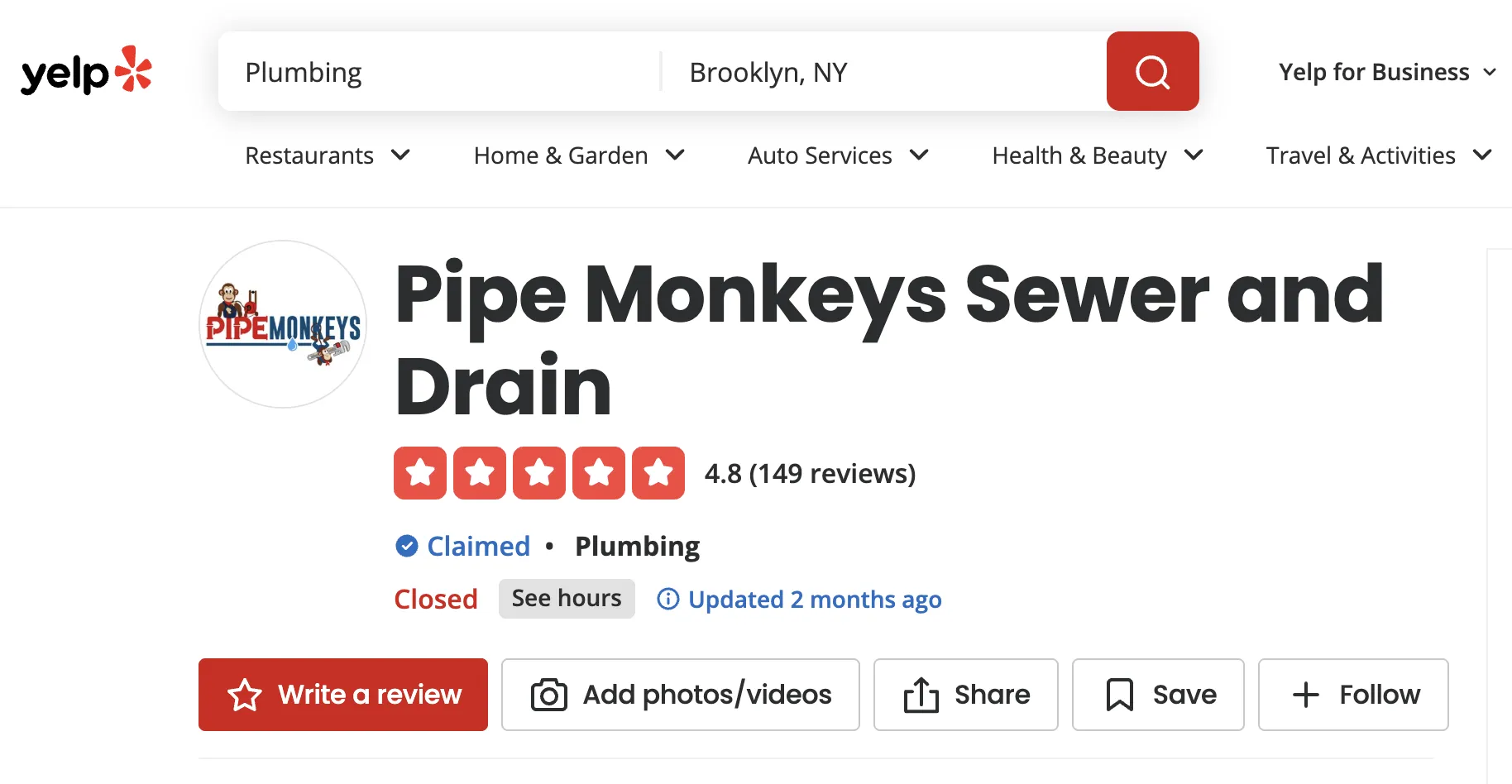
Best for: Building trust with both customers and Google.
Specialist tip: Treat your business description like local SEO copy: use keywords and mention your primary service, and city or neighborhood.
Google Business Profile (Not Paid, but Essential)
Your Google Business Profile shows up in Google Maps, local search results, and “near me” queries. It includes photos, reviews, hours, and contact info.
For example, if you run a dental office in Tampa, you should fully optimize your profile to appear in the local 3-pack when someone searches “dentist Tampa”.
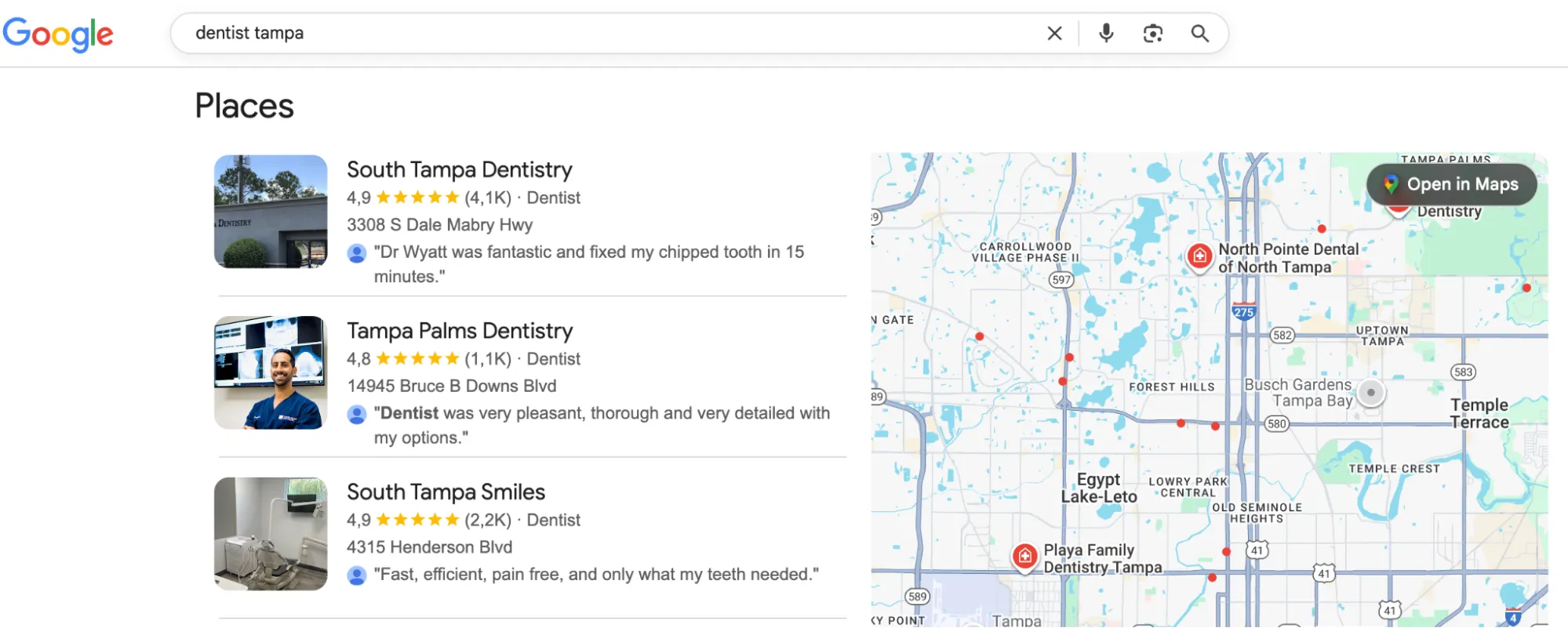
Best for: Every local business (no exceptions). It gives a foundation for all other local ads.
Small Business Tips That Actually Work
Online marketing for local businesses works best when your website, ads, and content clearly tell Google — and customers — where you are and who you serve. Here are a few practices that help with that.
|
What to Do |
Example |
||
|
1. |
Create location-specific landing pages |
Instead of a single generic page like “Our Services,” you need pages for each city or area you serve. Add your address, service descriptions, and local photos to each one to tell Google that this page matches that location. |
❌ “Dental Services.” |
|
2. |
Use local intent keywords |
Local intent keywords are phrases people use when they’re ready to act — usually including:
As people searching these keywords make their intent clear, Google shows them ads that mention the same city or neighbourhood. |
Instead of targeting “haircut styles”, target: “hair salon near me” or “women’s haircut in Brooklyn.” |
|
3. |
Keep your name, address, and phone number (NAP) consistent |
Your business name, address, and phone number must be identical everywhere:
|
❌ “St. Ave.” on one site and “Street Avenue” on another ✅ Same format everywhere |
|
4. |
Collect and respond to local reviews |
Your business should ask happy patients to leave reviews and respond politely to all feedback. Nearly 88% of people check reviews before deciding to interact with a business. |
After a visit, a café sends a short follow-up message: “Thanks for stopping by! If you enjoyed your visit, we’d really appreciate a quick Google review — it helps local cafés like ours a lot.” |
|
5. |
Use local photos and real visuals |
Real photos help to build trust. Upload images of:
|
A café posts photos of its actual interior and street view to help customers recognize it. |
|
6. |
Make it easy for local customers to contact you |
You don’t want to pay for ads if people can’t take an action. So, use:
|
A plumber adds a “Call Now” button for mobile visitors, increasing phone calls from local searches. |
This is one piece of a much bigger picture — see our complete digital marketing guide for SMBs for the full channel mix and budget framework.
How to Measure Local Marketing Success?
To understand if your local marketing is actually working, you need to track metrics that connect directly to customers. Here are the key ones that matter:
-
Calls & Messages. This is the closest step to conversion.
-
Appointments, form submissions, and quote requests.
-
Cost per Lead. It tells you if your marketing is profitable.
-
Conversion Rate (the percentage of visitors who take action). It shows how well your website or profile turns interest into customers.
-
Reviews & Rating. More positive reviews = higher trust = more conversions.
Final Thoughts: Local Wins Are the Real Wins
Running a small business takes resilience. It’s showing up every day, adapting, and continuing even when resources are limited. Local marketing reflects that same strength.
If your business shows up in local search, on Maps, and in reviews at the right moment, you don’t need to pay for millions of impressions. You need a few that turn into calls and bookings. Work smarter, not harder, right?
FAQ
What is the best local business advertising platform?
There’s no single “best” platform — it depends on your business. Google Search, Google Maps, and Google Local Services Ads work best for high-intent services, while social media ads are great for visibility and promotions. The strongest results usually come from combining search and social, not choosing just one.
Is local online advertising for small businesses effective?
Yes. Local ads reach out to people nearby and ready to act, leading to higher conversion rates, more calls, and better ROI than broad advertising. That’s why local campaigns often outperform national ads on a much smaller budget.
How can a small business attract more local customers?
By showing up where locals search: optimize your Google Business Profile, use local keywords, run location-targeted ads, and collect customer reviews. Consistency across all channels is what turns visibility into steady customer flow.
How much should a small business spend on local advertising?
Start small and scale. Many local businesses see results with modest monthly budgets when ads are tightly targeted to their area and focused on calls, visits, or bookings. Once you know which channel converts best, you can increase spend confidently instead of guessing.

 0
0
 0
0
 0
0
 0
0
Related Articles
Selling on Amazon Europe in 2027: How to Choose Your First EU Market and Build a Successful Business
This guide helps you sell on Amazon Europe without spreading yourself thin. It gives you a marketplace comparison, a weighted scorecard, a fulfillment decision table, and a 90-day launch plan.
What Vibe Coding Means for Business: No Coding Skills, One Weekend, One SaaS
Vibecoding is changing the rules for front-end development and opening up new opportunities for businesses, but there are some nuances to consider.
Amazon's AI Now Builds Complete Looks on Product Pages. How Do Brands Make Sure the Bundle Is Theirs?
Amazon now uses AI to assemble complete, shoppable looks around a single product, and it fills those looks with whichever brands its model picks.