
If you’re here, you’re probably past the “cute little online store” phase and deep into the “how to scale an e-commerce business effectively?” era.
The market is certainly ripe for serious players, U.S. e-commerce sales hit $1.192 trillion in 2024. If you're still finding your footing, our ultimate guide for the e-commerce community is a good starting point. The pie is massive, but claiming a larger slice requires precision.
Good sales and word-of-mouth got you here. They won't get you to the next level. Scaling an e-commerce business means building a marketing engine that grows revenue faster than your costs.
This guide is about scaling with minimal waste: a smarter marketing strategy, a tighter customer experience, cleaner marketing analytics, and solid systems that don’t collapse the second you launch a new campaign.
Step zero: make sure your store reaches the right customers with our guide on doing SEO for relevant leads — a solid foundation before you start e-commerce scaling.
Grab a free consultation and let’s figure out the next steps together.
- What Is Scaling in E-Commerce?
- How to Know When Your Business Is Ready to Scale?
- Digital Marketing for Business Scaling Step-by-Step
- Measuring Your Digital Performance Efforts: Key Metrics to Track
- Why Does Multichannel Marketing Work Best for E-commerce?
- Final Thoughts
- FAQ
What Is Scaling in E-Commerce?
Most entrepreneurs hit the same wall: how to scale an online business and grow sales, without your costs growing at the same rate? Sell more and pray. Apologies, the solution here is scaling, which means selling a lot more without spending a lot more.
For example, you run a flower stand. Today, you sell ten bouquets and spend $10 on inventory. E-commerce scaling means figuring out how to sell 100 bouquets next week while only spending $20, because you optimized your systems and eliminated waste.
To scale your e-commerce business right, your product must resonate with your audience so that consumer demand grows naturally.
Founders often confuse "growing" with "scaling." If you want sustainable growth and profit, you have to know the difference:
-
To grow an e-commerce business means every time you make more money, you spend more too, hiring extra hands, renting bigger storage, and cranking up your ad spend.
-
The process of e-commerce scaling is a different animal. You find ways to increase sales without your costs ballooning. Maybe you double down on social media or let your email automations do the heavy lifting.
True e-commerce scaling forces a mindset shift. You stop buying expensive, one-off traffic and start leaning heavily on smart inbound marketing and a ruthless retention strategy.
Here is a breakdown to clarify the difference:
Growing vs. Scaling in e-commerce
|
Feature |
Growing an e-commerce business |
Scaling an e-commerce business |
|
Definition |
Increasing revenue proportionately to resources added. |
Increasing revenue exponentially while keeping costs stable. |
|
Primary Focus |
Hiring more staff, expanding physical footprint. |
Marketing automation, system optimization, and better market reach. |
|
Profit Margin |
Remains flat or grows slowly. |
Expands rapidly as overhead stays low. |
|
Tools Used |
Manual processes, spreadsheets, extra headcount. |
Advanced CRM, marketing analytics, and AI-driven software. |
|
End Result |
A larger company that requires more management. |
A highly profitable, efficient, and automated market leader. |
How to Know When Your Business Is Ready to Scale?
One of the most common reasons online businesses fail is scaling too early. Everyone wants to grow their e-commerce business, but not everyone is ready to scale.
Throwing money at paid ads before your backend can handle orders is a quick way to create problems — from a poor brand reputation to low customer satisfaction. When is it time to hit the gas? Here are six clear signs you’re ready.
1. Consistent Monthly Revenue
Before you proceed to grow e-commerce business operations exponentially, predictability is your ground. It’s hard to plan inventory, invest in long-term marketing efforts, or maintain healthy cash flow management when revenue is inconsistent.
Stable sales make your cash flow forecast much easier to plan. You can invest in a bigger marketing strategy without stressing that one weak campaign will put your business at risk.
Check your last six months of revenue. If you see a stable baseline — even with some seasonal dips — you likely have a strong enough foundation to start scaling.
2. You Can’t Serve All Customers Within a Usual Timeframe
Remember those anxiety-inducing cooking computer games where you serve burgers, and with each level, you get more and more customers? If your online store constantly feels chaotic — out-of-stock items, delayed deliveries, and an overwhelmed customer support team — it’s a clear sign you’ve outgrown your current setup.
And no, simply working longer hours is a no-go. Save yourself from burnout and upgrade your logistics. It is time to potentially outsource fulfillment to a third-party logistics and implement AI chatbots to handle repetitive customer service queries. Preserving the customer experience is paramount.
3. Repeat Purchase Rate Is Over 30%
If your online store is a "leaky bucket" where customers buy once and never return, e-commerce scaling will only amplify your losses.
A healthy online business ready for scaling should have a repeat purchase rate of between 20%-40%. This metric proves that you have strong brand awareness, high product quality, and a solid baseline of customer satisfaction.
Once you hit this threshold, you can introduce loyalty programs and invest more heavily in your customer engagement programs.
4. LTV (Lifetime Value): CAC (Customer Acquisition Cost) ≥ 3: 1
This may be the most important number in your marketing analytics stack: LTV: CAC.
-
CAC shows how much it costs to win one new customer through paid ads, social media, PR, and other customer acquisition channels.
-
LTV shows how much revenue the customer brings over time through repeat purchases and average order value
If your LTV is at least 3x your CAC, your marketing campaigns are usually in a healthy place. If not, you’re likely spending too much to acquire customers who don’t stay long enough or buy often enough.
This 3:1 ratio proves that your business model is sustainable. It indicates that if you pour more money into your top-of-funnel potential customers, the backend revenue will justify the investment.
5. Shift From Doing to Negotiating/Networking (As a Business Owner)
In the early days of an online store, the founder is usually the business. That works for a while. Then it doesn’t.
It’s time for e-commerce scaling when you start handling the things that move the business forward:
-
Supplier deals
-
Partnerships
-
Shaping the bigger marketing strategy.
If you spend all day in the weeds, you have no time to look at the numbers, spot new opportunities, or make the decisions that help grow e-commerce business revenue in a smarter way. Delegating the daily grind gives you space to think like an owner again.
6. Internal Processes and Documentation Are Settled and Well-Established
Scaling breaks weak systems. If your internal processes live entirely in your head, you’re not ready. Here is what to do to strengthen your system:
-
The checklist: Before scaling, ensure you have Standard Operating Procedures (SOPs) for inventory management, returns, onboarding, and customer support.
-
The payoff: Well-established documentation makes it easy to plug in marketing automation software, hire outsourced help, and maintain a high-quality customer experience.
Digital Marketing for Business Scaling Step-by-Step
Once the to-scale-or-not-to-scale dilemma is settled, the real fun begins.
Turning a small online store into a full-speed growth Mustang sounds exciting, and it is. But without the right marketing strategy, customer experience, and operational backbone, things can get chaotic very quickly.
If you want to make the process more bulletproof, our services can help you scale your e-commerce business safely, sustainably, and with far fewer expensive surprises. And if you are still testing the waters or want to build it yourself first, here are the moves you should make next.
Automate Internal Processes
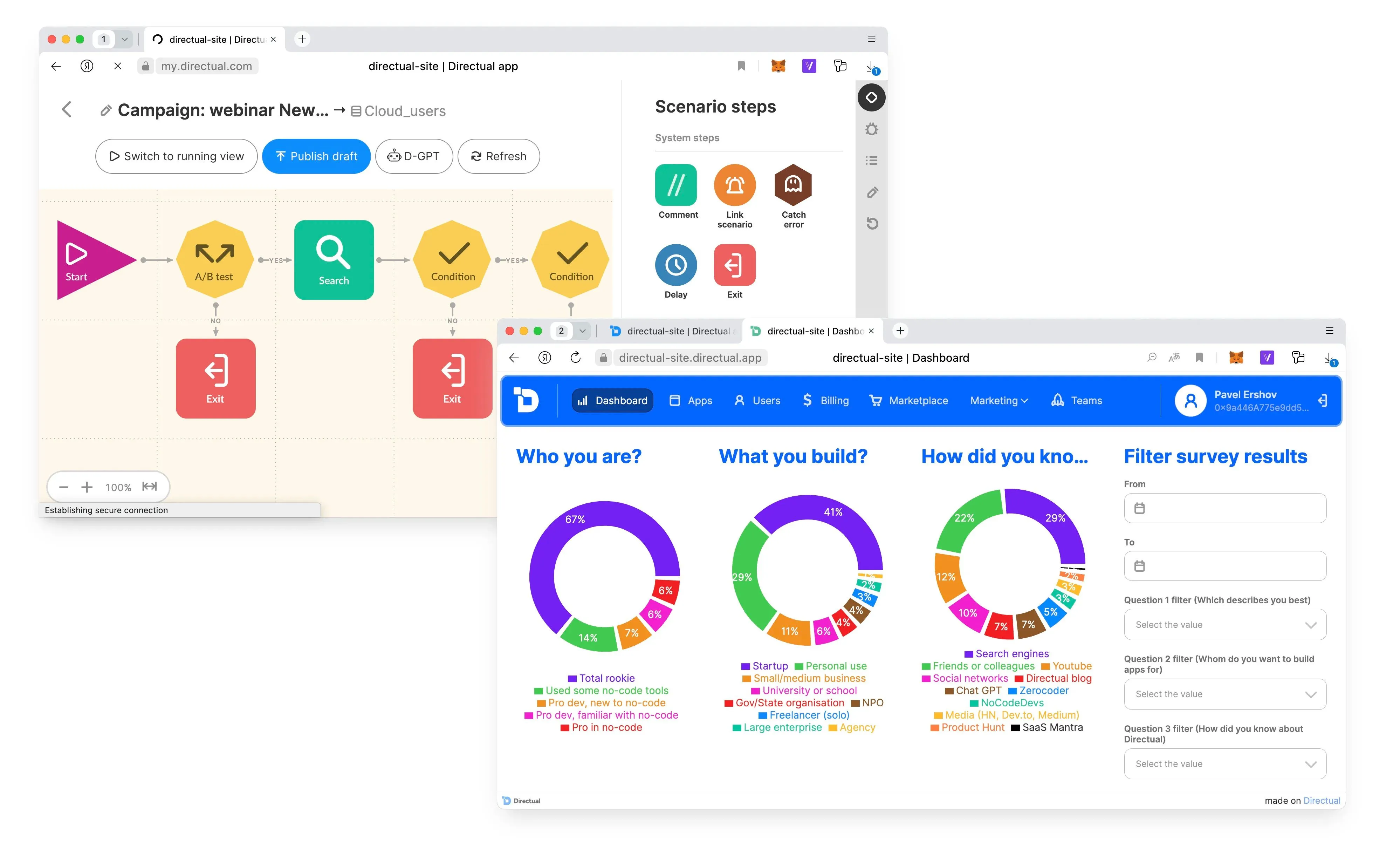
If your team is still manually fixing orders, updating inventory, answering the same customer support questions, and exporting reports like it is 2017, growth will hit your operations before it hits your revenue.
Better than delegating is automating. Let technology handle repetitive work. Save your humans for strategy, judgment, and solving the problems a workflow cannot. See how AI agents for e-commerce can handle the repetitive work, so your team doesn't have to.
Add Personalization to Your Customer Retention Program

If your version of personalized marketing efforts is putting someone’s first name in an email subject line, that is cute. It is also not enough. McKinsey found that personalization can:
-
Reduce customer acquisition costs by up to 50%
-
Lift revenue by 5% to 15%
-
Improve marketing efficiency by 10% to 30%
Start where it pays off fastest:
-
Post-purchase cross-sells
-
Win-back flows
-
Dynamic product recommendations
Before you scale e-commerce business spend on paid channels, read our guide on PPC for e-commerce — how to buy attention without going broke.
Get To Know Your Audience Better![]()
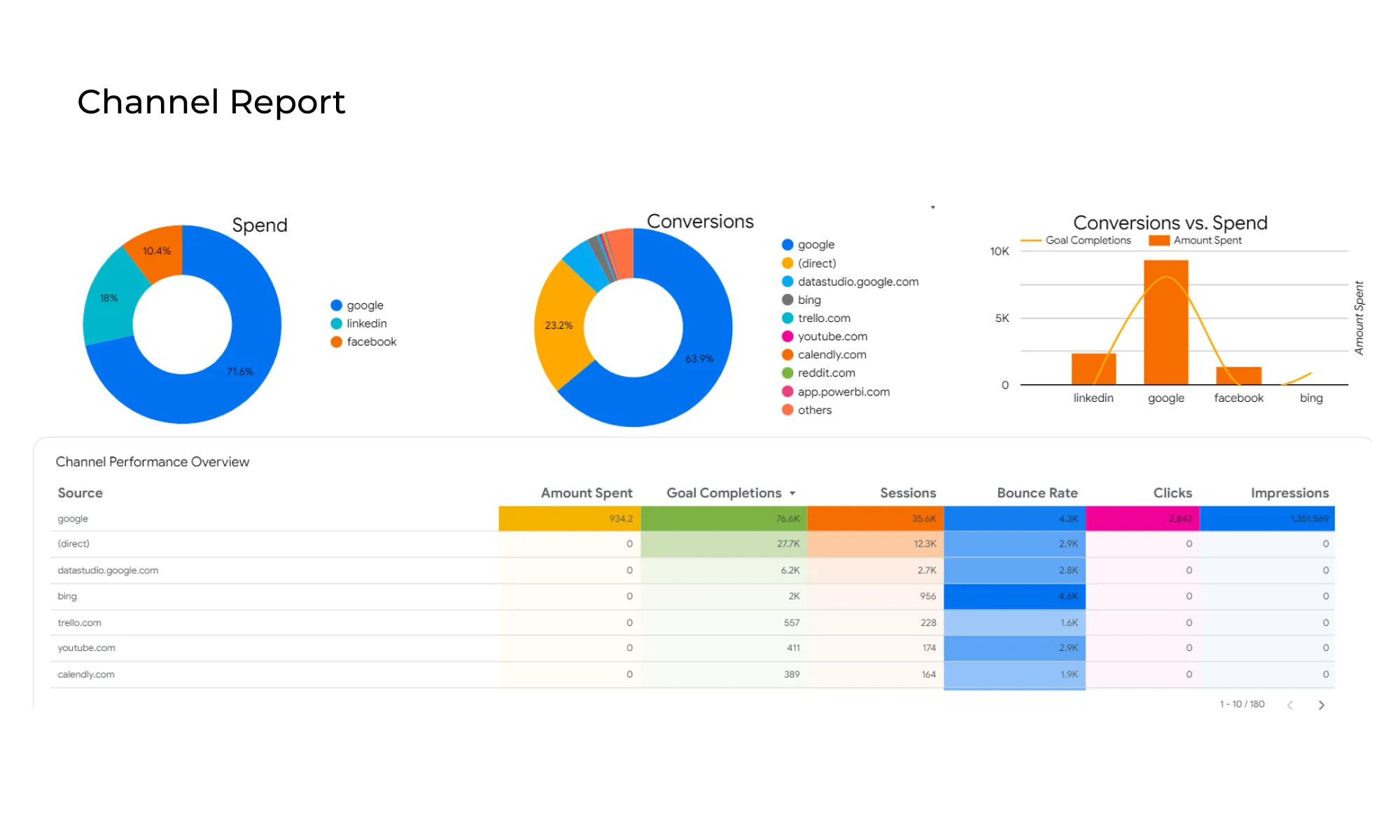
You cannot figure out how to grow an e-commerce business if you do not know:
-
Who is profitable
-
Which channels bring high-value customers
-
Where the customer experience falls apart
Top-line revenue is nice. But if you are not looking at LTV, customer acquisition costs, return rates, and support pain points, you are basically scaling with your eyes half closed. Start with market research and a well-built keyword list to scale e-commerce business visibility in organic search with a mix of:
-
Customer interviews
-
Reviews
-
Support logs
Numbers tell you what happened. People tell you why. You need both.
Create A Consistent, Omnichannel Strategy
Customers expect one seamless experience. If your paid ads promise premium luxury but your site pushes aggressive discount pop-ups, you aren’t doing omnichannel marketing well. To fix this, synchronize your back end:
-
Sync promotional calendars: Never let a customer click a 20% off ad only to land on a 15% off homepage. Strong marketing campaigns live and die by consistency. All departments must work from one central promo ledger.
-
Unify the customer view: Integrate your helpdesk directly with your storefront. If a customer complains via Instagram DM, support should instantly see their order history and the exact email they received yesterday.
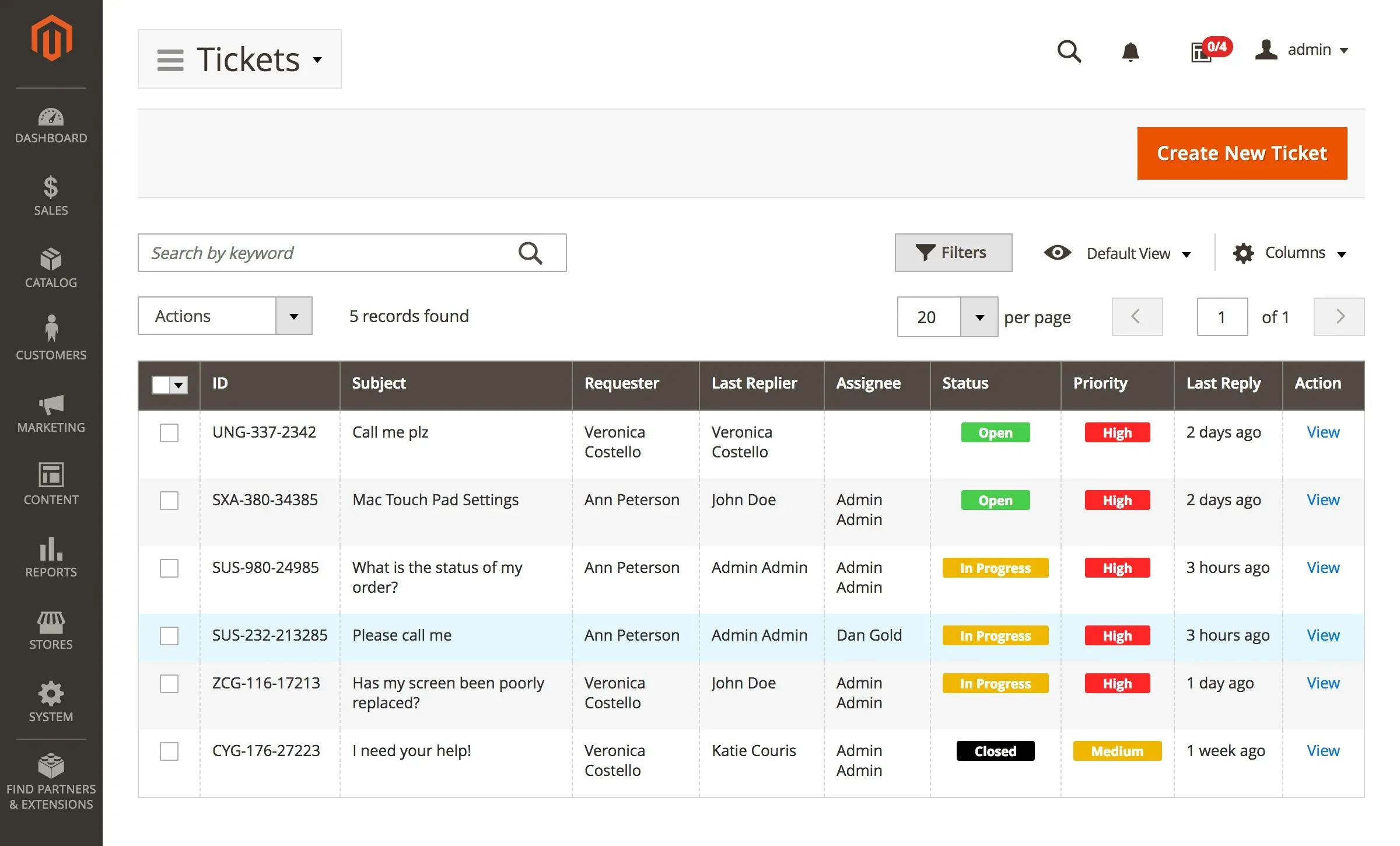
- Standardize the handover: The exact visual asset, tone, and promise that got a shopper to click an ad must perfectly match the landing page and welcome sequence.
Your customer sees one brand. Your marketing strategy should behave accordingly.
Work On Brand Positioning And Branding

Dollar Shave Club didn't beat Gillette on product. They won on personality and price clarity. That's brand awareness doing business work.
It reduces what you spend to acquire customers, kills the urge to discount your way to growth, and gives people a reason to come back that isn't a coupon. It's also your clearest signal of product-market fit.
Quick test — can your site answer these three questions at a glance? Who is this for? Why is it better, and why should anyone trust you right now? If not, your positioning still needs work.
Make Your Customers Your Content Creators

70% of consumers would rather rely on expert reviews and avoid ads. People trust other people more than brands with perfect lighting. That is why user-generated content works so well: it is basically word of mouth that has learned how to scale.
A smart move here is to build UGC into your post-purchase flow: ask for review photos, short videos, quick feedback, or real-life usage examples, then reuse the strongest pieces on product pages, in paid ads, and across social media.
Audit Your Website: Speed And Mobile Experience Come First
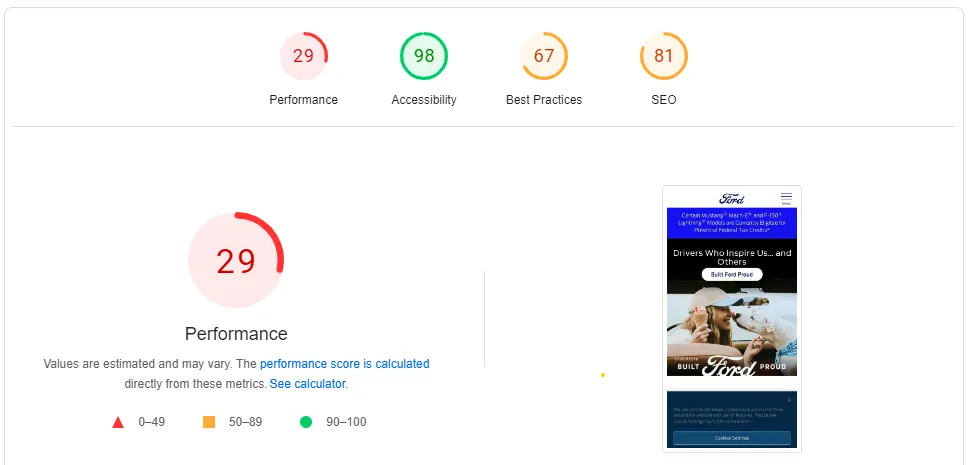
If your site is slow, more traffic will make the leak more expensive. If your catalog is large, optimizing pagination pages is a structural fix that prevents Google from missing half your products. Before you pour more budget into paid ads, fix the experience people land on. What to fix first:
-
Mobile product pages — this is where first impressions, product understanding, and add-to-cart decisions usually happen
-
Cart — friction here is where purchase intent starts slipping away
-
Checkout — this is the money page, so every delay, extra field, or glitch costs revenue
-
Paid landing pages — if these pages are slow or clunky, you are paying for traffic that never gets a fair chance to convert
Most of these friction points trace back to the same root causes — here are 5 common e-commerce website design challenges and how to fix them.
Reward Loyalty Intentionally
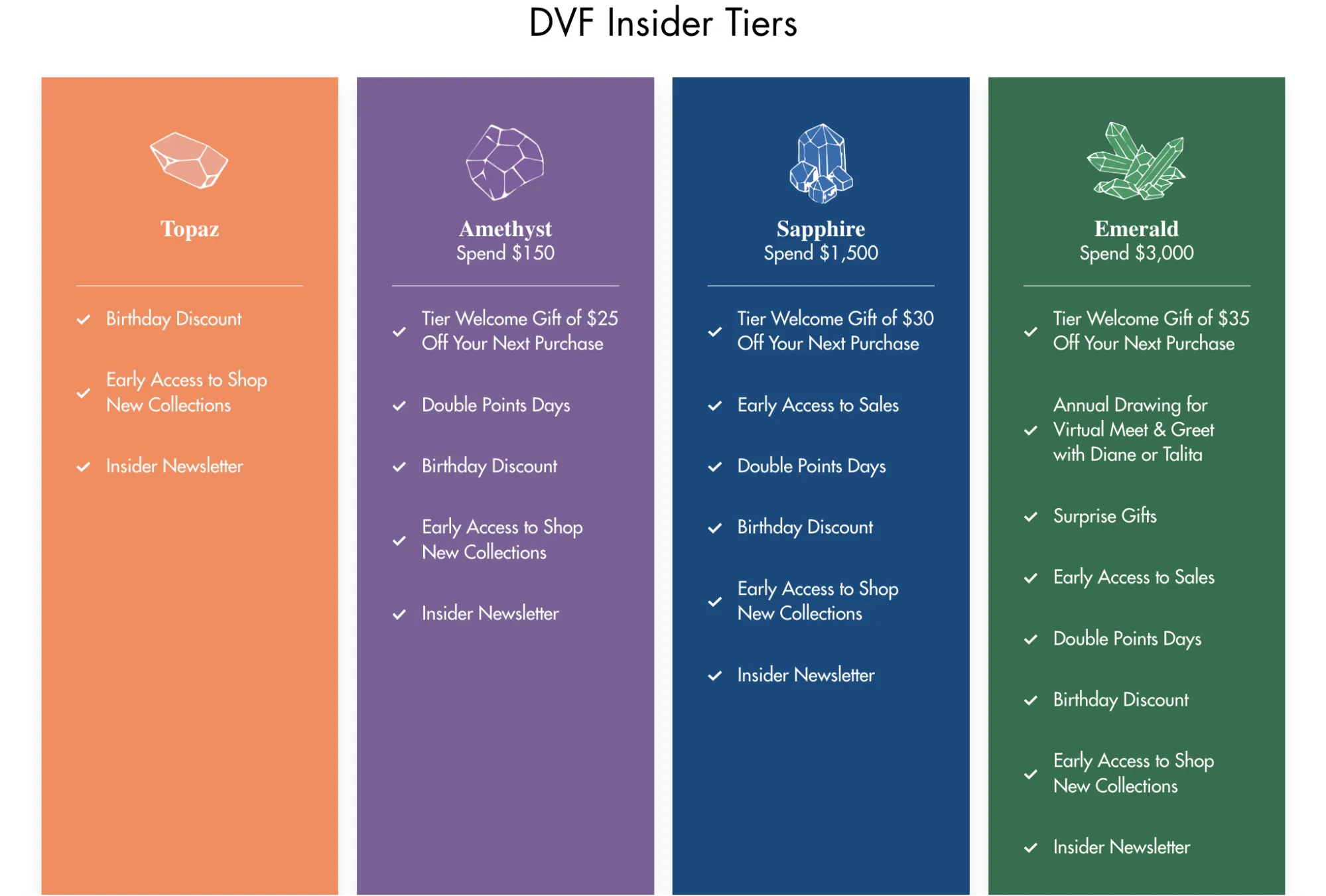
Loyal customers are cheaper to retain, easier to sell to, and more forgiving when you are not perfect. A very common mistake in customer retention is treating loyalty like a discount machine.
To improve customer engagement, instead of giving every customer the same 10% off code, you could:
-
Offer early access to new drops for repeat buyers
-
Give store credit for photo reviews or referrals
-
Unlock free shipping after the second or third order
-
Create a simple tier system where loyal customers get better perks over time
-
Reward actions like wishlisting, app installs, or sharing feedback, not just spending
Learn from competitors and fill their gaps
A practical answer to how to scale an e-commerce business is often hidden in what your competitors are doing badly. Study:
-
Delivery promises
-
Content gaps
-
Review complaints
-
Pricing patterns
-
Customer support weaknesses
-
Poor mobile UX
-
Weak product education
The goal is spotting what customers are missing and stepping in like a grown-up.
Measuring Your Digital Performance Efforts: Key Metrics to Track
E-commerce metrics are basically your online store’s vital signs.
KPIs tell you how the business is performing overall, while metrics zoom in on the parts that make that performance possible — revenue, conversion, customer acquisition, retention, and operations.
Revenue Metrics
Revenue is the oxygen for your online store, but looking at the top-line number alone is a rookie mistake.
-
The Metrics: Total Revenue & Average Order Value (AOV).
-
Why Track It: Total revenue shows your overall market reach, but AOV shows your efficiency. It is significantly cheaper to convince an existing buyer to add one more item to their cart than it is to fund customer acquisition for a brand-new buyer.
-
Best Ways to Track: Your native e-commerce platforms and GA4 monetization reports.
-
Common Mistake: Confusing Gross Revenue with Net Revenue. If your paid ads drive massive sales but your return on ad spend is low, your cash flow will collapse. Always track revenue after returns and discounts.
-
Pro Tip on Optimization: Improve your AOV with a free shipping threshold offer (e.g., "You are $12 away from free shipping!") or by creating strategic product bundles.
Conversion Metrics
Traffic is useless if your website acts like a leaky bucket. Conversion metrics tell you where your potential customers are getting frustrated.
-
The Metrics: Add-to-Cart Rate & Cart Abandonment Rate.
-
Why Track It: These metrics are the ultimate test of your customer experience. According to the Baymard Institute, the average cart abandonment rate is nearly 70%. If yours is higher, your checkout process is killing your consumer demand.
-
Best Ways to Track: GA4 Funnel Explorations and heatmapping tools like Hotjar or Microsoft Clarity to watch how users navigate your site.
-
Common Mistake: Ignoring mobile friction. You might have a gorgeous desktop site, but if a customer has to pinch and zoom to hit the "checkout" button on their phone, they will bounce.
-
Pro Tip on Optimization: Implement marketing automation immediately. A well-timed abandoned cart sequence via highly targeted email marketing or SMS — perhaps offering a 5% discount — can recover up to 15% of lost sales on autopilot. If your site architecture is hurting crawlability, this guide to optimizing pagination pages is worth a read.
Customer Acquisition Metrics:
When operators ask how to grow an e-commerce business predictably, the answer lives in these metrics. If you don't know what it costs to buy a customer, you cannot scale.
-
The Metrics: Customer Acquisition Costs (CAC) & Click-Through Rate (CTR).
-
Why Track It: To measure the exact ROI of your marketing strategy and social media spend. If your CAC is higher than your AOV, you are losing money on every first-time purchase.
-
Best Ways to Track: Use a blended CAC model (Total Marketing Spend / Total New Customers Acquired). Do not rely solely on the ad platform's dashboard, as they often over-report conversions.
-
Common Mistake: Pumping more budget into ads with a terrible CTR. If your CTR is below 1%, your creative isn't capturing attention, or your targeting is completely wrong.
-
Pro Tip on Optimization: To lower CAC, lean heavily into inbound marketing and SEO. As your organic brand awareness grows, it helps offset the higher costs of your paid campaigns, balancing your overall acquisition spend. Before scaling paid spend, make sure your PPC for e-commerce strategy is built to convert, not just spend
Customer Value
If you want to know what is scaling in e-commerce at its core, it is maximizing the lifetime value of every buyer.
-
The Metrics: Customer Lifetime Value (LTV) & Churn Rate.
-
Why Track It: LTV demonstrates your product-market fit. If customers buy once and never return (high churn), your online business is just a hamster wheel. A healthy brand needs a strong customer base that makes repeat purchases.
-
Best Ways to Track: Run cohort analysis through your primary marketing automation platform or a dedicated e-commerce analytics dashboard.
-
Common Mistake: Neglecting your retention strategy in favor of acquisition. Many founders stop marketing to a customer the second the first order ships.
-
Pro Tip on Optimization: Roll out VIP loyalty programs and ensure your customer support is top-tier. Exceptional customer service experience turns one-time buyers into vocal brand advocates. If your LTV is still flatlining, a basic email flow won't fix it. Sometimes the smartest move is letting specialized e-commerce marketing experts audit your retention gaps and build the post-purchase workflows for you.
Operational Metrics:
You can master how to scale e-commerce website traffic, but if your warehouse falls apart, your brand reputation dies with it.
-
The Metrics: Stockout Frequency & Order Fulfillment Time.
-
Why Track It: Because an out-of-stock item is a direct donation to your competitors. If your customer satisfaction plummets, fulfillment time slips, leading to brutal online customer feedback.
-
Best Ways to Track: Inventory management software (like Extensiv or Cin7) integrated tightly with your storefront.
-
Common Mistake: Disconnecting your marketing team from your ops team. Never run aggressive promotional marketing campaigns on inventory that is low or stuck in transit.
Pro Tip on Optimization: Keep a rolling 90-day cash flow forecast so you always have the capital to reorder top-selling products before they run out.
Why Does Multichannel Marketing Work Best for E-commerce?
Multichannel marketing is exactly what it sounds like: interacting with potential customers across a variety of platforms like organic search, social media, email marketing, marketplaces, and paid ads.
A shopper sees your product on Instagram while waiting in line for coffee. They don't buy it right away. Two days later, they search for your brand on Google to read reviews. The next morning, an abandoned cart email or a retargeting ad prompts them to complete the purchase. Knowing how to scale an e-commerce business means showing up at every step, not just the first one.
That is the modern customer journey. If your brand only shows up for that first Instagram impression, you are easily forgotten. Shoppers rarely move in a straight line anymore, and the data proves they are worth the extra effort to track down. A Harvard Business Review study of 46,000 shoppers found that 73% used multiple channels before buying.
Relying on a single platform to drive all your revenue is a massive concentration risk. A single-channel strategy is too fragile for serious e-commerce scaling. What if the algorithm updates, ad costs spike, or your account gets suspended?
A multichannel approach makes your growth model resilient. It stabilizes your cash flow forecast and expands your market reach. It also builds genuine brand awareness. Most importantly, it gives your team the leverage to optimize customer acquisition costs across the board.
Final Thoughts
When it all comes down to it, scaling an e-commerce business is not about pushing more ads, it is about building a system that works without constant manual effort. I often see businesses try to grow fast, but they ignore retention, unit economics, and operations, which leads to problems later. Real scaling starts when you clearly understand your numbers, only then it makes sense to invest more in marketing. The biggest shift is moving from doing everything yourself to building systems and focusing on strategy. If you get this right, growth becomes predictable and much more profitable.
Figuring out how to scale an e-commerce business is rarely about finding a magic ad creative or a secret growth hack. It comes down to building a solid infrastructure, preferably knowing the exact mechanics of scaling online business operations.
Top-line revenue is great for social media screenshots, but healthy profit margins, high repeat purchase rates, and tightly controlled customer acquisition costs are what fund your expansion.
Start by strengthening your foundation. Automate repetitive tasks, focus on keeping customers coming back, and use several marketing channels so you’re not relying on just one. If you are ready to stop just growing your workload and start actually multiplying your profitable revenue, you don't have to guess at the blueprint.
If you’re still mapping the bigger picture, our ultimate 2026 digital e-commerce marketing guide to drive sales is a solid next read. Then grab a free consultation with our team and let’s map out the exact digital marketing and customer retention infrastructure you need to take the next step.
FAQ
Why is revenue alone not enough to monitor marketing success?
Because top-line revenue is a vanity metric if your costs eat it all. If you double your sales but triple your customer acquisition costs to get there, you are actually losing money. To truly understand what is scaling in e-commerce, your marketing analytics must focus on profitability. Tracking metrics like lifetime and average order value tells you if your marketing efforts are driving healthy margins or just empty volume.
Will AI help increase revenue?
Sure, but only if you let AI do more than just crank out emails. The real magic happens when you put AI to work behind the scenes, predicting what customers want, sending the right offers at the right time, and handling those routine support questions while you sleep. When you use AI the smart way, your clients get a better customer experience, and your team gets to breathe. That’s how you grow an e-commerce business without burning out.
What is the biggest mistake ecommerce businesses make when scaling?
Premature scaling. Founders often figure out how to scale an online business on the front end by dumping cash into paid ads, but they forget to upgrade their warehouse. If you artificially spike consumer demand but your logistics crash, you end up with stockouts, delayed deliveries, and negative customer feedback. Destroying your customer satisfaction because you grew too fast is the most expensive mistake you can make.
How often should I track marketing metrics to know I’m on the right track?
For top-of-funnel numbers like daily ad spend and click-through rates for active marketing campaigns, a daily or weekly pulse check so you can kill losing ads fast. Deeper metrics require a broader view. Review your retention strategy, churn rate, and 90-day cash flow forecast, and evaluate these monthly. Tracking them over time also helps you validate whether you’ve achieved product–market fit or are still searching for it. To sustainably grow your e-commerce business revenue, use both daily micro-adjustments and monthly macro-strategy reviews.

 0
0
 0
0
 0
0
 0
0
Related Articles
SEO for Contractors: Tips and Strategies for 2026
Your freedom as a contractor comes at a high price: you need to find your own jobs. That's what SEO for contractors helps you with.
New Apple Ads Update Changes the Game. Restructure Your Budget ASAP
Apple’s new App Store ad placement is live. Organic traffic is at risk. Learn how to conquer auction uncertainty.
Why Target College Students for Marketing? Moving Companies' Untapped Gold Mine of Leads
College students move more often than almost any other group, yet they’re the least experienced at hiring movers. That’s exactly why moving marketing to them should be specific.