
K-Beauty Retail News: 10 Marketing Lessons to Learn
K-beauty is a marketing unicorn that has broken through in the industry. Do you remember when it became so popular? No Friday wine party with the girls could pass without someone saying, "I love my new night cream. It's Korean,” or “Your hair looks amazing. Do you use Korean after-wash care?" Everyone started talking about K-beauty, and they haven't stopped since.
We've put together a K-beauty playbook for your business. Let's borrow some tricks from the world's beauty leaders — it's free! It's a great opportunity to read K-beauty US retail news and learn how South Korean brands combine product quality with storytelling to make customers obsessed with their products.
Multiple brands started working in Western markets, all backed by the belief that "Korean" means "quality." But how did they earn such instant trust, and why is it still there? Why South Korea and not some other country? What did the viral K-beauty do to end up on shelves everywhere, from Sephora to Amazon? Let's find out.
Why is K-Beauty So Popular and How It Became a Global Industry Powerhouse
You may think the K-beauty market is big. But how big is it really? Here are some market research numbers that put it into perspective:
-
The global K-beauty market was valued at $118.28B in 2025 and is projected to reach $252.41B by 2033, growing at around 10% CAGR.
-
Export reach expanded to 202 countries globally.
-
The US is now one of the largest export markets for Korean cosmetics.
-
South Korean brands held 5 out of the top 10 spots in Amazon’s beauty category during US Black Friday.
-
K-beauty moved from niche e-commerce to major global retailers like Sephora, Ulta, and Target.
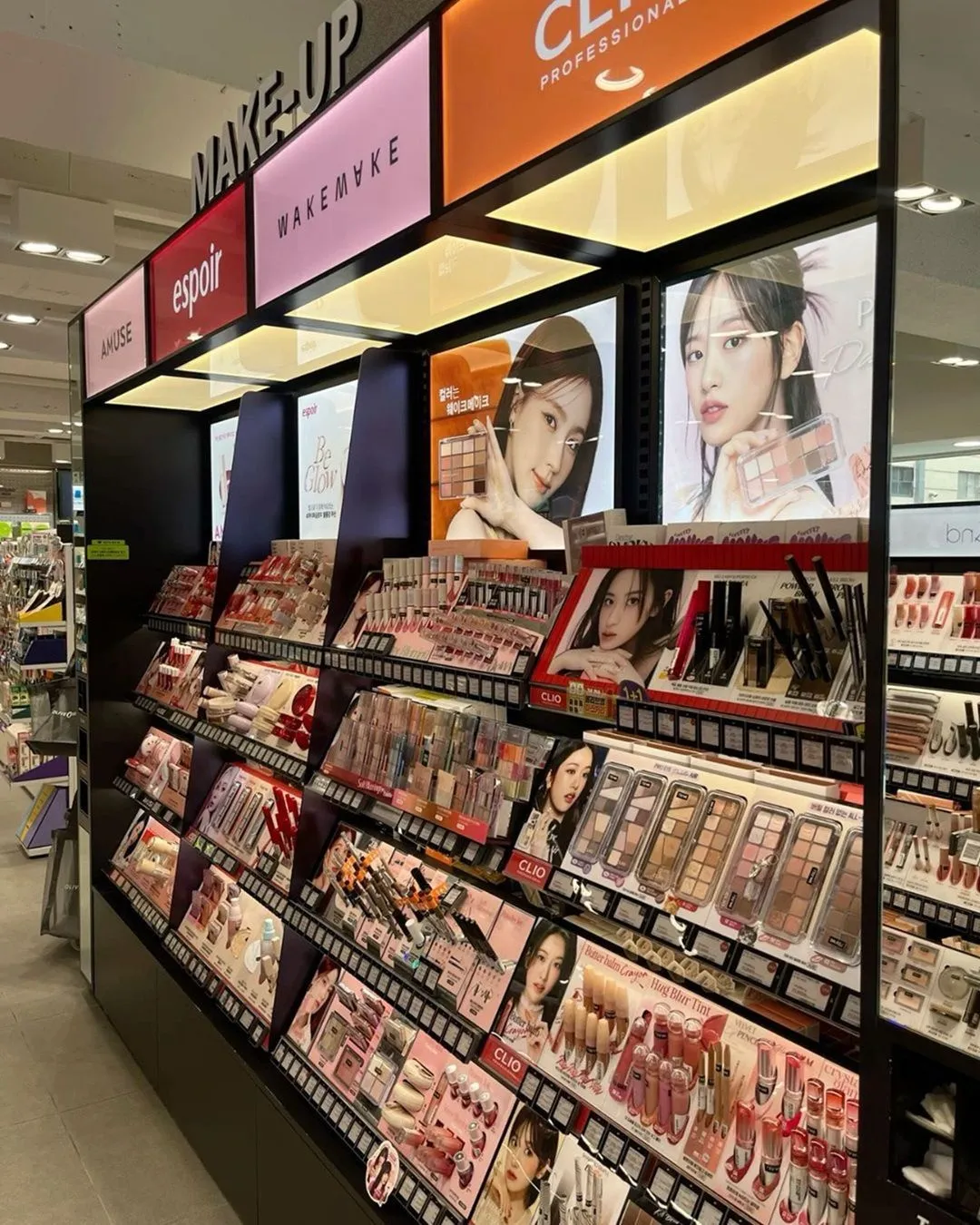
But what were the reasons behind such a success? Let’s dive into the cultural nuances that contributed to it.
From Local Culture to Global Sales
In South Korea, beauty is seen as part of social and professional capital. For example, around 40% of applicants said that they met discrimination because of their looks when applying for jobs (Jezebel, 2023).
South Koreans need to meet a high, nationally shared standard of beauty, which is why they deeply care about their looks and are ready to invest in grooming and skincare:
-
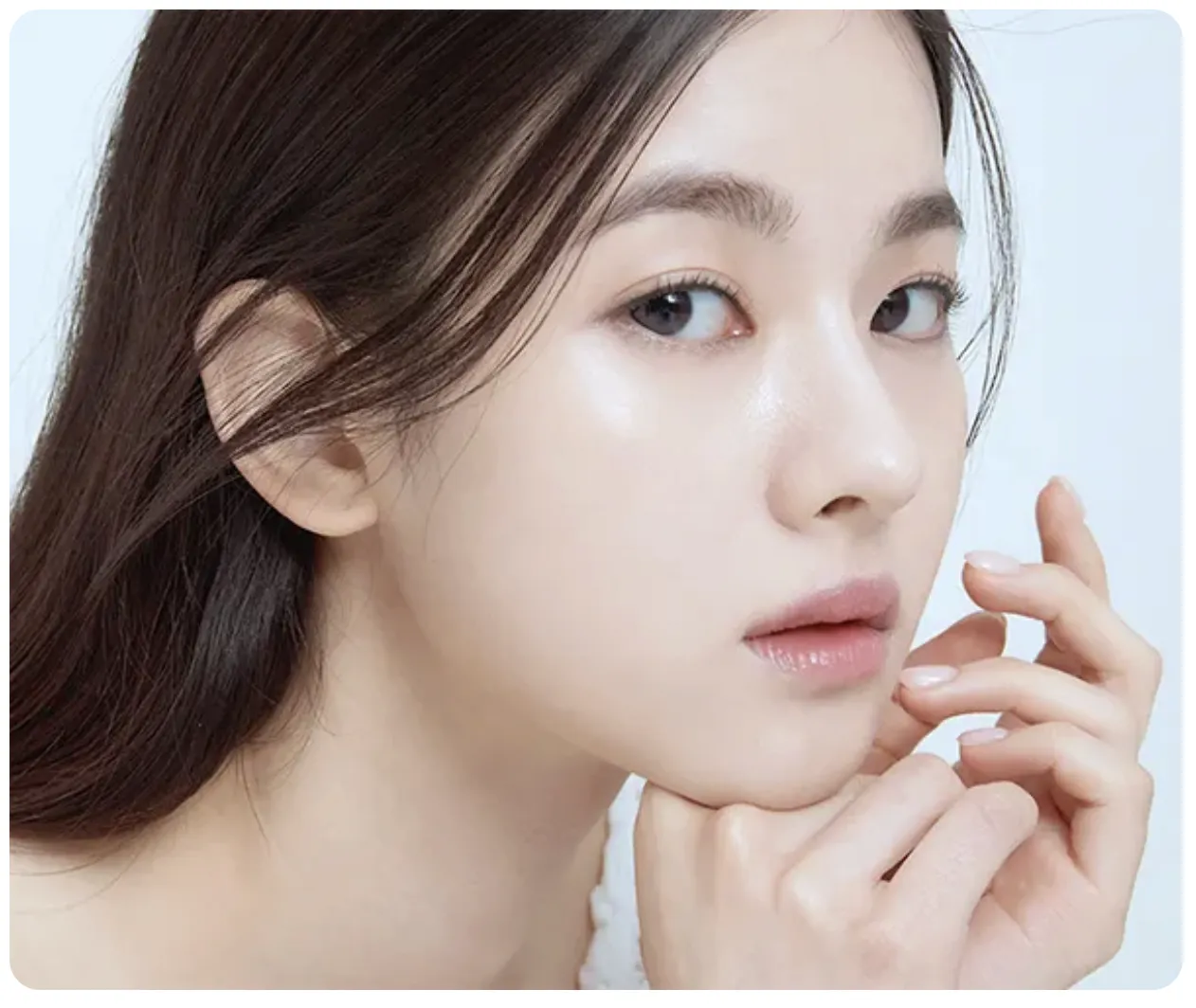
Smooth, flawless skin
-
Looking as young as possible
-
V-shaped (small) face with a slim jawline and a small chin
-
Large eyes with soft features and double eyelids
-
Small straight nose with a narrow bridge
-
Slim body with an “S-line” silhouette
Expectations are so high that brands can’t rely on marketing alone; products must actually work. Consumers are quick to switch brands, which pushes companies to invest heavily in research and development (R&D) and test formulas faster.
Another reason for the rise of K-beauty is the Korean Wave, or “hallyu” — the popularity of South Korean pop culture worldwide. In the 2010s and 2020s, they brought beauty standards to the Western markets through entertainment products, their main soft power:
-
K-pop, including BTS and Blackpink with their huge fan bases, and PSY’s “Gangnam Style,” which was the first video to reach one billion views on YouTube
-
K-dramas, including the Oscar-winning film Parasite (2019) and the Netflix television series Squid Game
K-beauty ideals are not aggressive, more about healthy-looking skin and hair, not heavy transformation. K-beauty brands and idols promote results through catchy buzzwords “dewy skin,” “glass skin,” and “doll face.” That’s one of the reasons why overseas buyers adapted its standards so easily.
“The Korean beauty wave aligned naturally with the 'clean girl' aesthetic that was already all the rage in the West. As K-beauty popularized an image of purity and youthful skin through consistent daily routines, reaching for any available Korean brand in a local drugstore became an easy, almost instinctive choice.”
Valeria Karbusheva, Head of Blog

K-pop idols and K-drama actors become living beauty benchmarks. So, when idols partner with brands, they validate those products and give their fan bases the green light to buy, fostering brand loyalty.
Western markets also use celebrity influence — think Natalie Portman for Dior — but the intensity is different. In Korea, fandom culture is deeper.
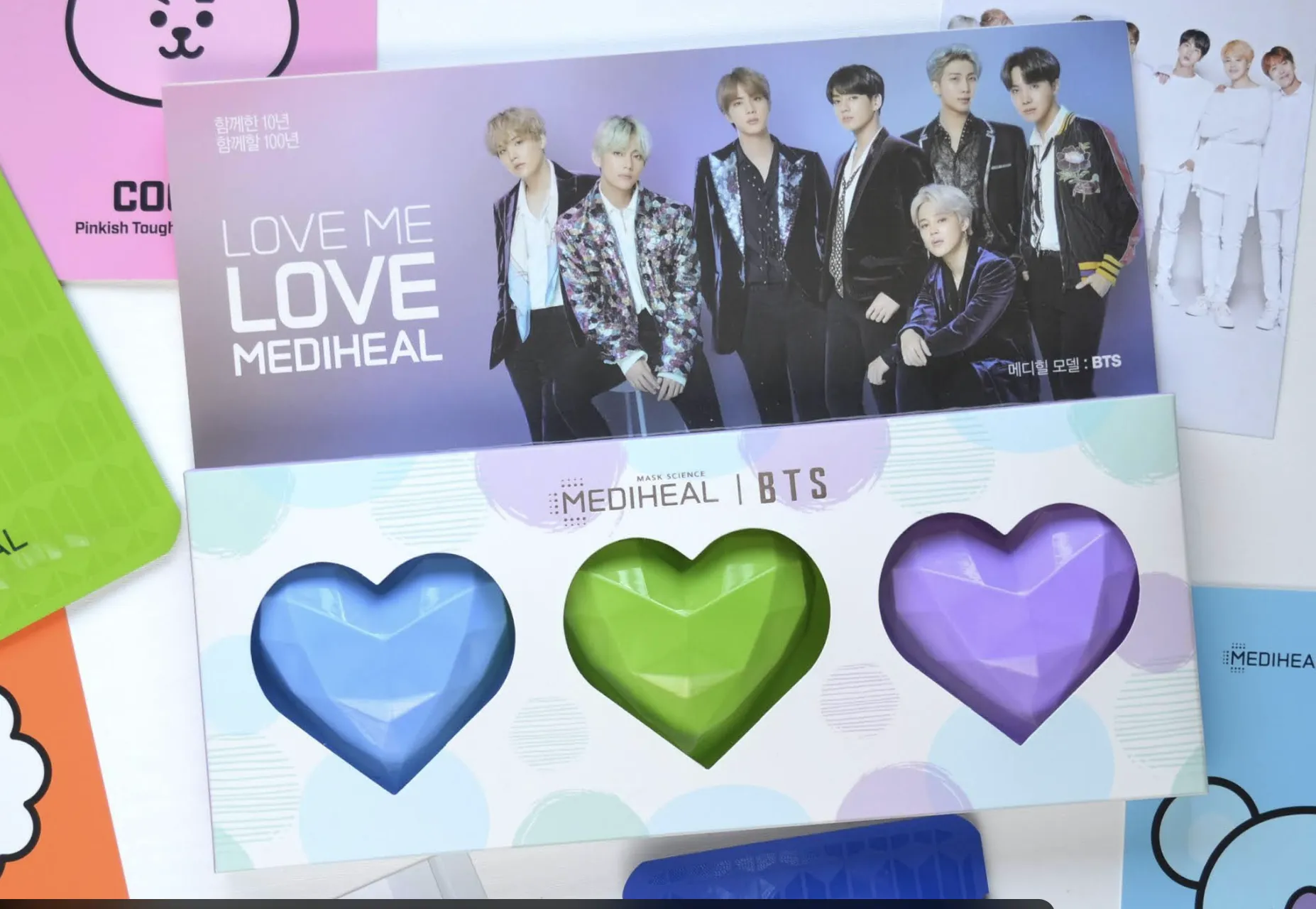
When BTS collaborated with MediHeal, their sheet masks sold out within hours. Fans built parasocial relationships with celebrities and want to feel closer to their idols. If buying a product helps with that, fans’ll do it.
Your company needs a marketing agency that understands how the market works. Call Netpeak US to put your beauty retail business to the next level!
Why Everyone Is Obsessed with K-Beauty: 10 Lessons to Learn
K-beauty combines high-quality innovative products with culture (K-pop and dramas), smart content marketing, and social media hype. Who wouldn't love that combination?
Now, let’s dig deeper into what they do. We’re ready to uncover their secrets and learn a few business lessons.
#1: Don’t Follow Trends — Invent Them
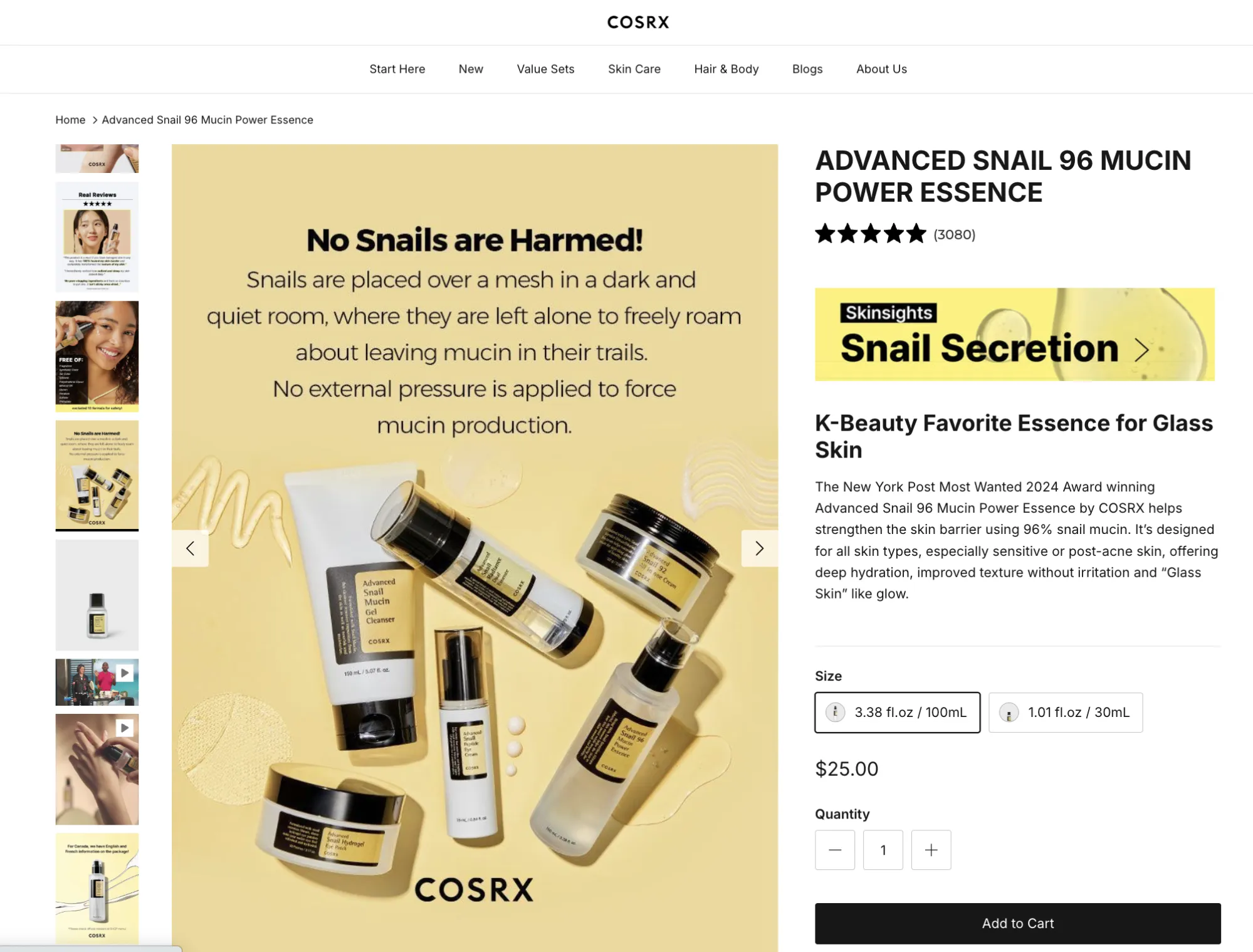
Korean brands are coming up with new ideas, and the market is so ready for such a breath of fresh air. For example, COSRX made “snail mucin” essence a global trend, and Laneige turned overnight lip care into a must-have with its “Lip Sleeping Mask”.
Innovations naturally create buzz, and that’s what brands need now.
What your business can learn:
-
Create and own a category keyword such as “snail mucin essence,” instead of fighting competitors for common keyword terms and organic traffic
-
Create PR + search engine demand before paid media; SEO strategy is cheaper than advertising
-
Support premium perception at mid-tier prices, so people could afford your products and still feel great about themselves
Call Netpeak US if you want to use beauty SEO to choose the right keywords and show your business at the top of the search results. We did it for the German beauty salon Hallo Beauty, and they got a 500% increase in bookings. Impressive, right?
#2: Make Them Start with Cleanser, and Leave with Six Products
One of the most groundbreaking innovations in K-beauty was transforming skincare into a connected routine where one product naturally leads to the next: cleanser → toner → essence → serum → cream → SPF.
First, this business technology works on the product level, making skincare more effective. Second, it makes cross-selling feel like guidance. Your online business helps, and it earns higher revenue at the same time. What a dream!
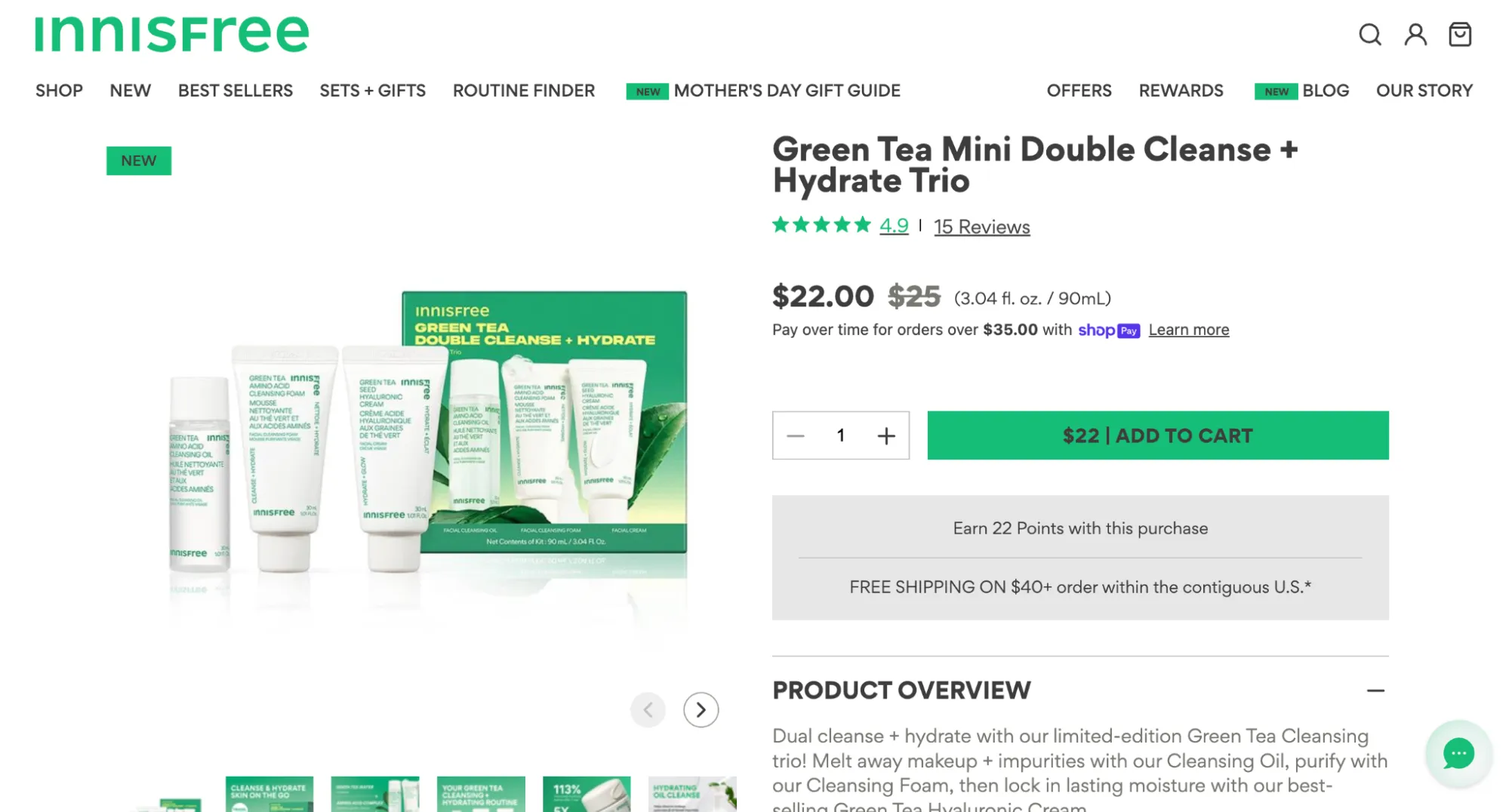
For example, the brand Innisfree has product lines based on ingredients (“Green Tea”, “Volcanic”). Each line includes several steps and multiple products, so customers think it's just a logical decision to stay within one ecosystem.
What business owners can learn:
-
Make cross-sell feel natural. If each product clearly leads to the next, customers will add more without feeling “sold to.” Especially if you have loyalty programs.
-
Build product ecosystems as a part of the retention strategy. Create lines where everything works together — this makes people come back
-
Use product lines to increase lifetime value (LTV). When the high-intent customer already has an ongoing routine with your products, it means repeat buying next month
Every niche has its own growth levers. Explore the marketing strategies designed specifically for plumbing companies.
#3: Hook Them with Price, Keep Them with Results
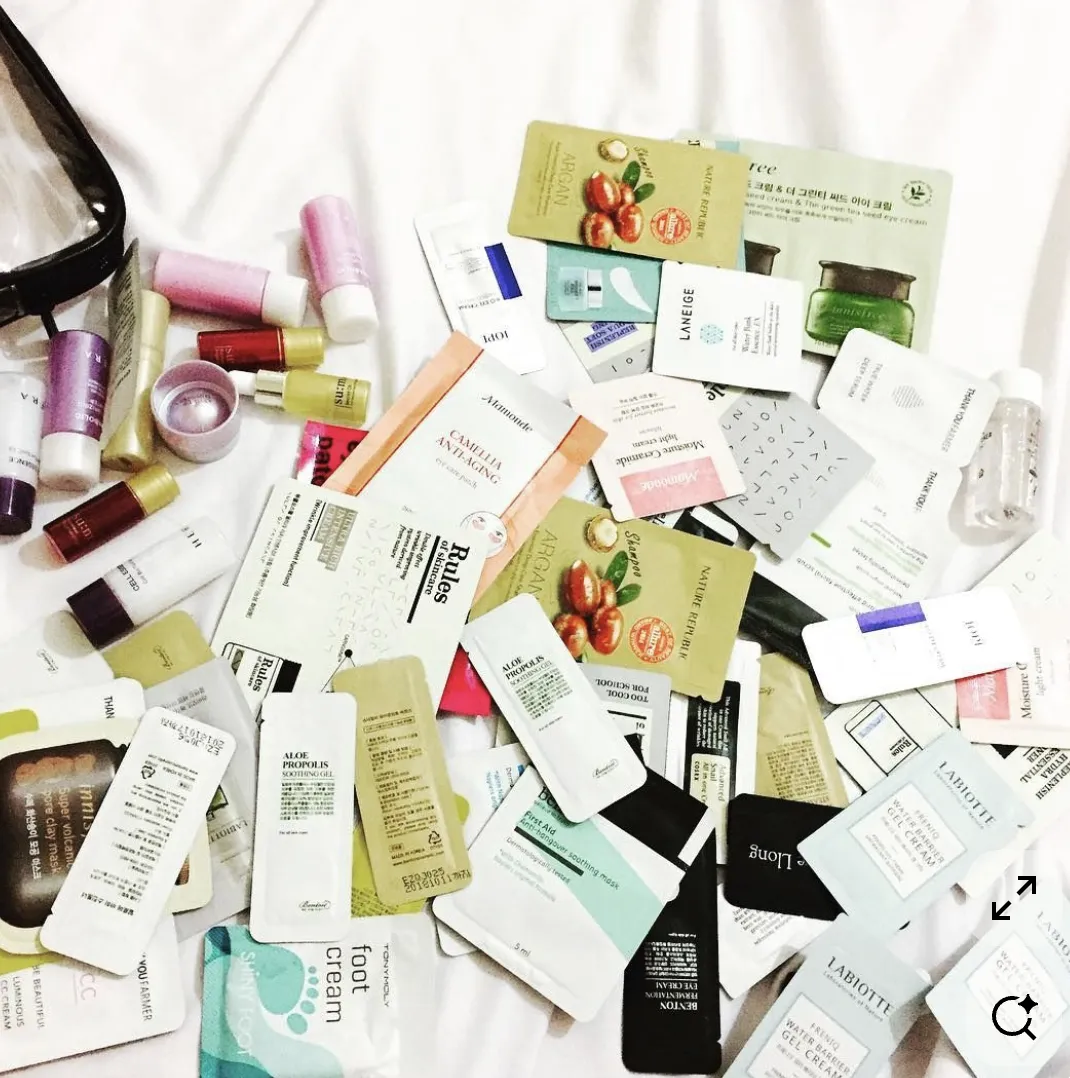
Many K-beauty brands price their products so that they are easy to try with minimal risk. They are also generous with bundles, often adding them to other products.
They know that if someone tries their products and is happy with the results, there's a high chance they'll come back and start using them regularly as part of their routine. This customer retention strategy is worth the investment!
What your business can learn:
-
If your product is not too expensive, more people will try it. No risk, just “okay, I’ll test it.”
-
Create bundles or mini kits. Group products (like a small routine set), so potential customers can try a few products. That’s how they get used to your brand and start buying more over time.
-
When conscious shoppers can try your product quickly (small size, simple routine), you get customer feedback faster and can improve
#4: Let the Social Media Hype Do the Selling
K-beauty brands use media platforms like Instagram, TikTok, and YouTube to make their products popular and shareable. Products go viral through routines, customer reviews, and before-and-after results.
Customers create their own videos, mention the brand, and use hashtags, acting as the brand’s free beauty influencers.
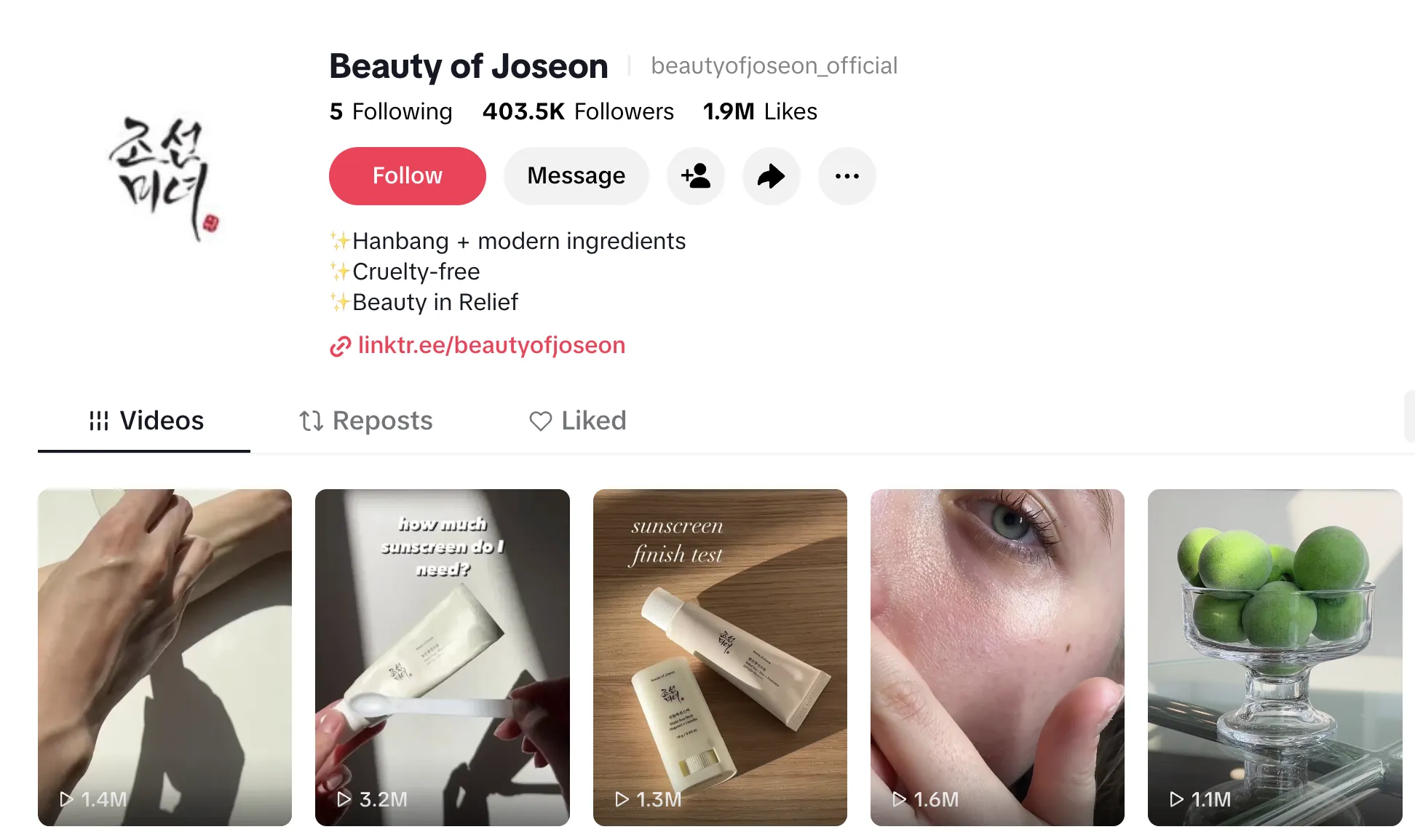
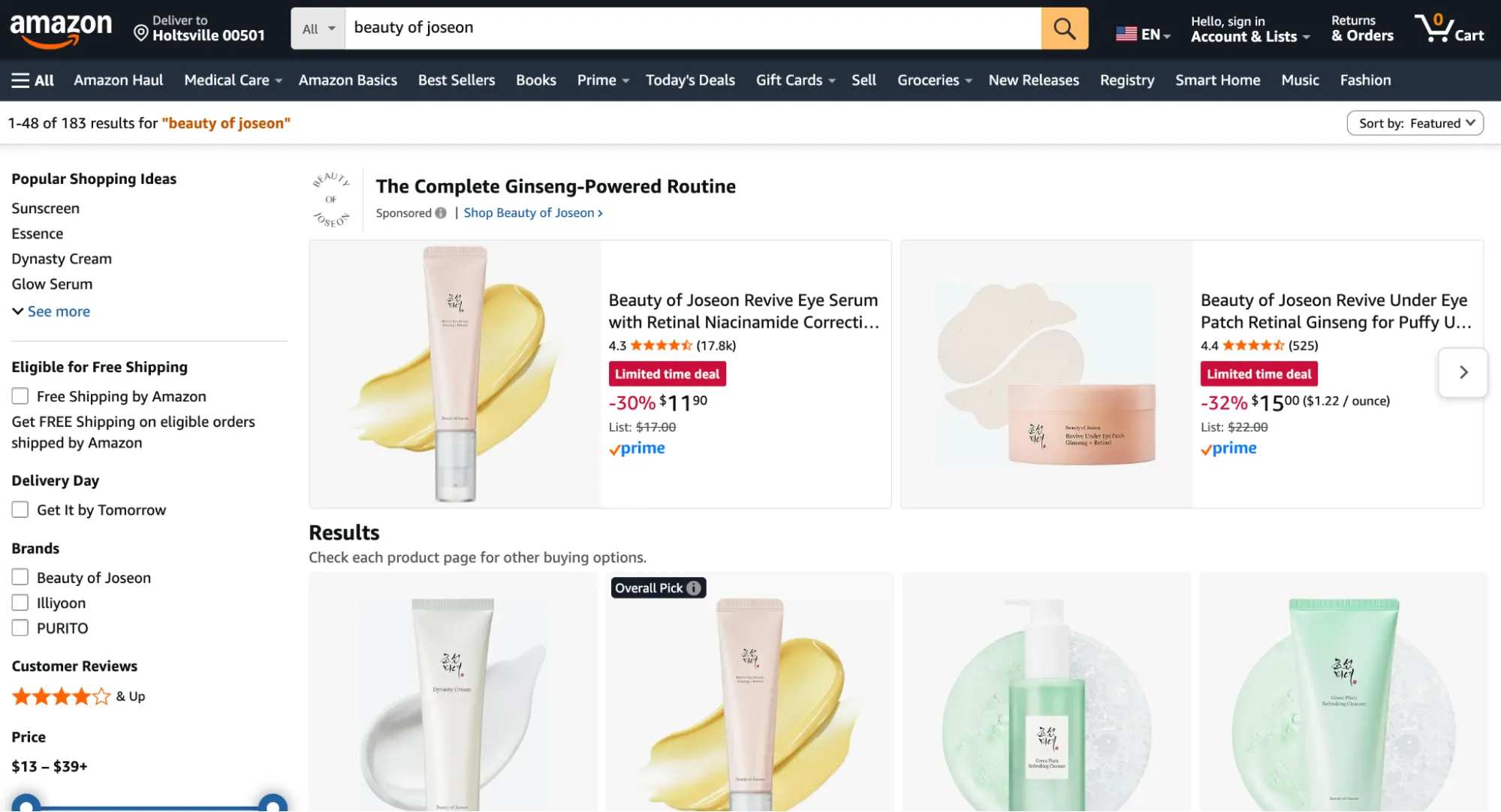
For example, Beauty of Joseon's sunscreen became popular on TikTok thanks to customer engagement. They gained 403.5K followers and received millions of views.
What your business can learn:
-
“Trends windows” happen fast, and if you catch them early, your brand can grow quickly
-
You don’t need to spend as much on paid ads — do things right, and people start posting about your product themselves
If you want to learn about other methods for spending less on ads, contact Netpeak US. We work with beauty PPC all the time and know how to increase sales while spending less.
#5: Create The Standard That Sells
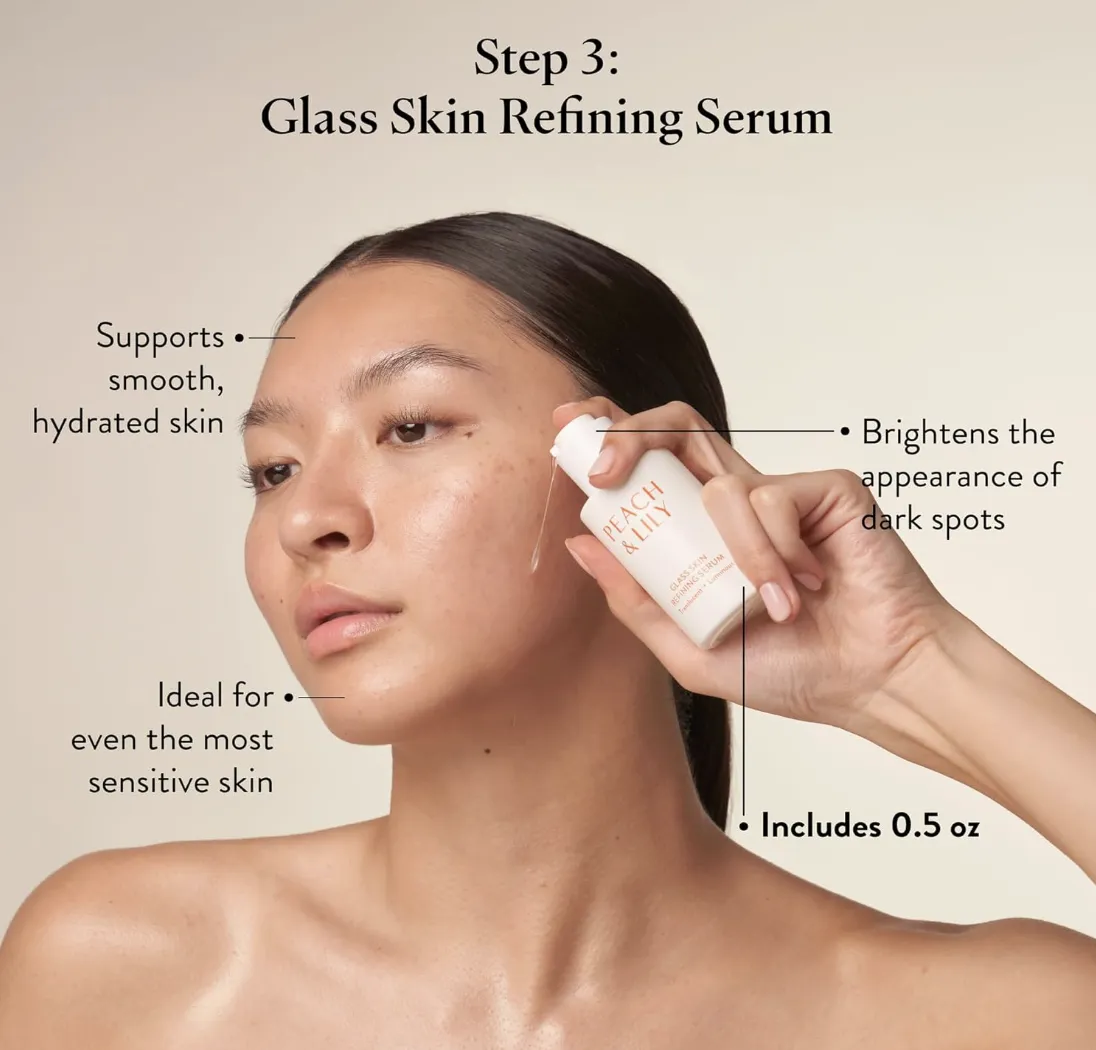
K-beauty brands first create a standard of ideal look like “glass skin” (healthy, glowing, natural-looking skin) or “Chok Chok” skin (deeply hydrated, moist skin — not shiny, but plump and fresh).
These standards give people a clear goal to achieve. Instead of selling a cream, brands are selling a result.
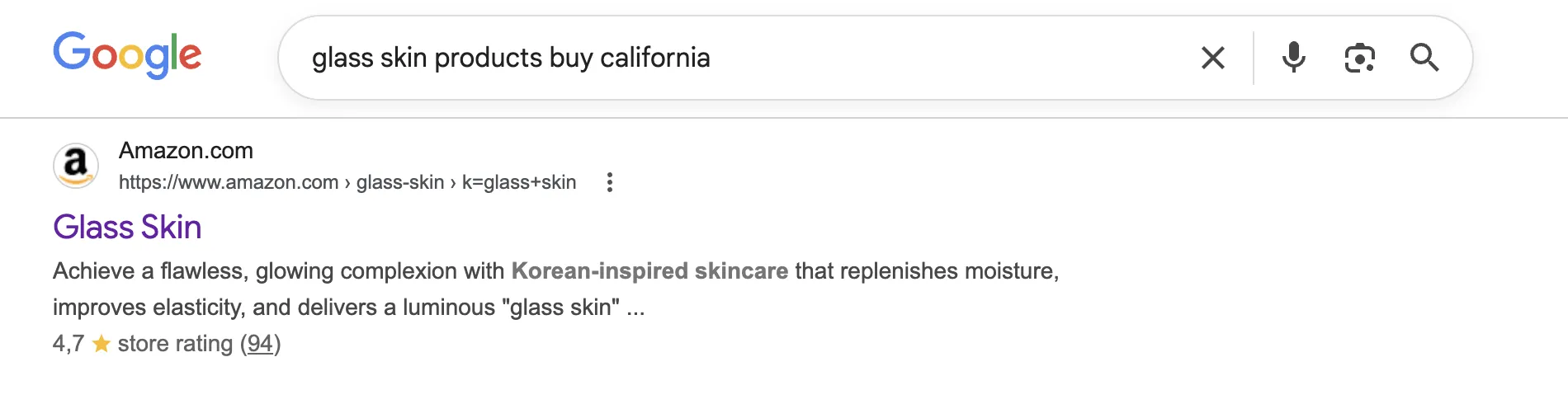
And it works! For example, Amazon has a special category with over 40,000 products that help to get the “glass skin” effect.
What your business can learn:
-
Give people a clear goal (e.g., “glass skin”) to anchor messaging
-
Align product development with a long-term narrative. For example, if your goal is healthy skin, create products that improve the skin over time.
Another way to capture attention is through emotion. Read our article to understand which emotional triggers Rare Beauty by Selena Gomez and Rhode by Hailey Bieber chose and how they turned them into high-converting campaigns.
#6: Packaging is Your Ads: Make Pretty Products Sell Themselves
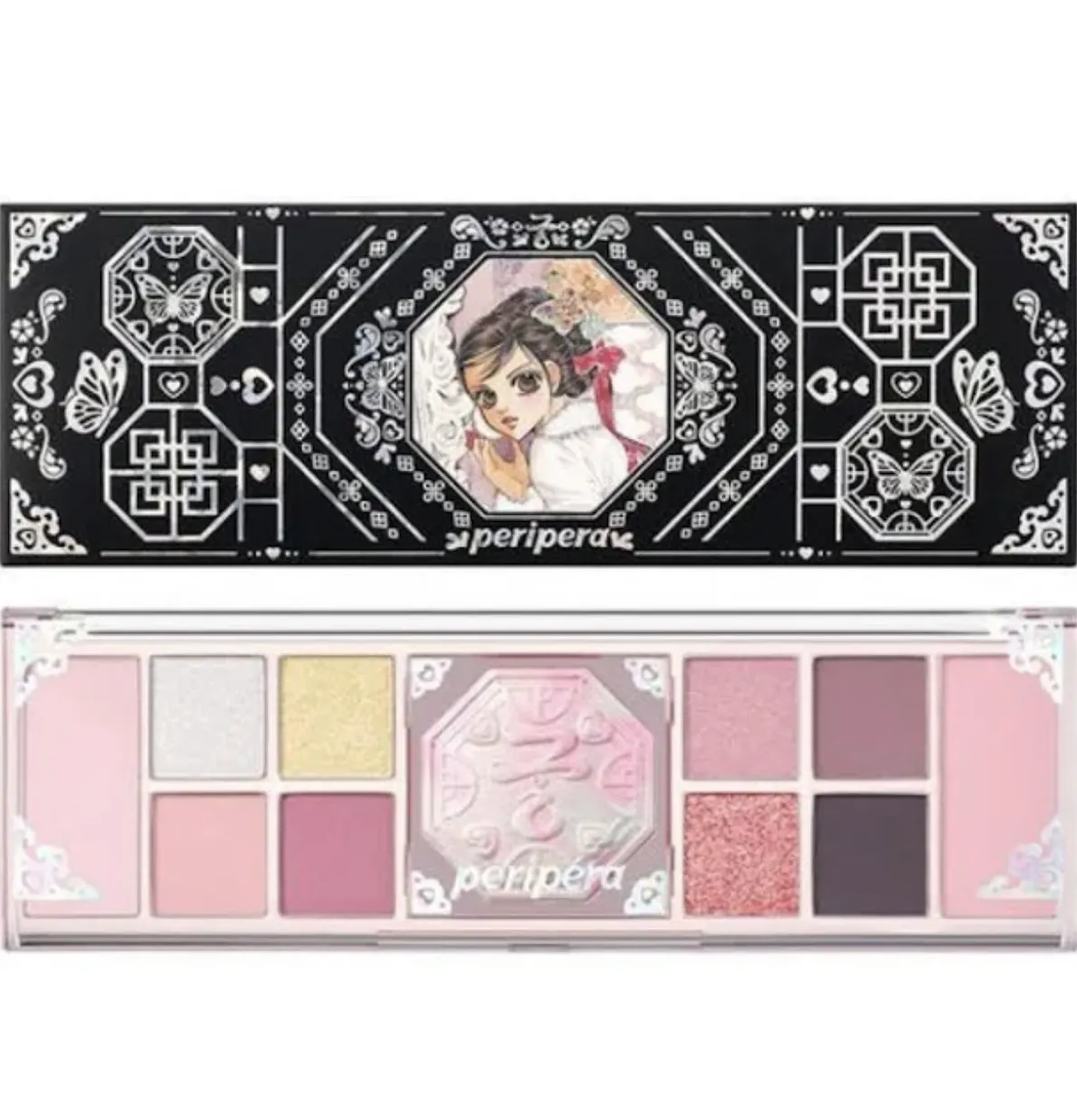
In K-beauty, packaging is part of the marketing strategy. Their products are designed to catch the eye and look good on camera.
That’s why so many K-beauty products end up in unboxing videos — the packaging is made to be shared.
For example, The Princess Hours collection by Peripera is a perfect example of K-beauty's use of packaging for marketing. Inspired by the classic K-drama Goong (Princess Hours), it already has a strong emotional connection with the target audience.
What your small business can learn:
-
Packaging is your first ad. Before people read anything, they see your product.
-
Design drives UGC (“unboxing,” shelfies). If it looks good in photos and videos, customers will promote it for you.
Twenty years in digital marketing changes a company — and usually the logo too. Read our article to find out what stands behind the new Netpeak era: Netpeak’s 20-Year Rebrand Story
#7: Use The Mass Retailers' Shelves to Prove That You’re Legit
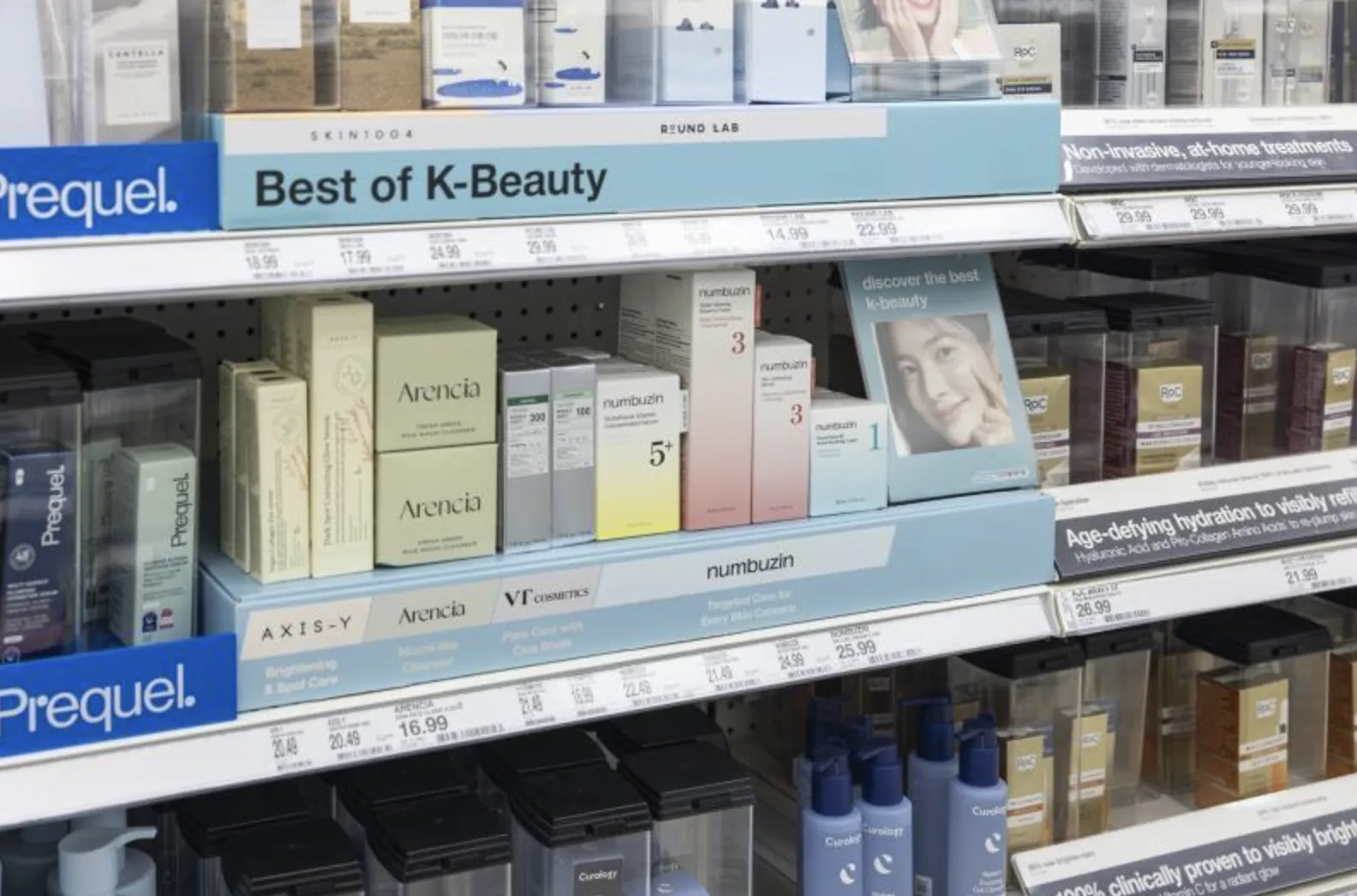
K-beauty truly took off when it moved from niche online shops to trusted beauty retailers. Having products stocked in well-known stores like Sephora or Target signals quality to customers who may not know the brand yet.
For example, in 2025, Sephora doubled its K-beauty assortment, added brands like Aestura, Torriden, and Biodance.
What your business can learn:
-
Think of big retailers as trust accelerators that make customers more comfortable choosing your brand.
-
Prove consumer demand online first, and only then move into retail. That’s what makes retailers willing to stock you — and your customer base ready to buy
#8: Use The Power of Being Seen IRL
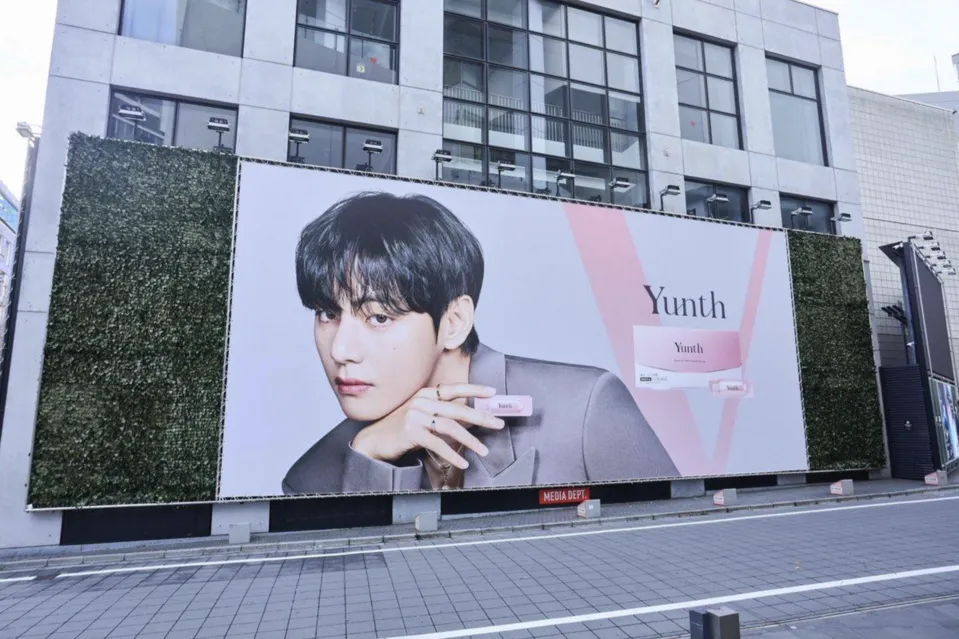
People still respond to what they see in real life. Digital business technology hasn't changed that. For example, brands like Younth invest in physical stores, pop-up shops, and subway ads.
A person may walk past a product several times before searching for it online, but they have started to know the brand, and this is a lot.
Many customers first notice a brand offline and only later make a purchase online.
What local businesses can learn:
-
Awareness often starts offline. Real-world stores, pop-ups, and billboards make your online store feel familiar
-
Offline + online work best together. A customer might discover you on the street and purchase later on your website or a marketplace.
#9: Create a Different Kind of Shopping Experience
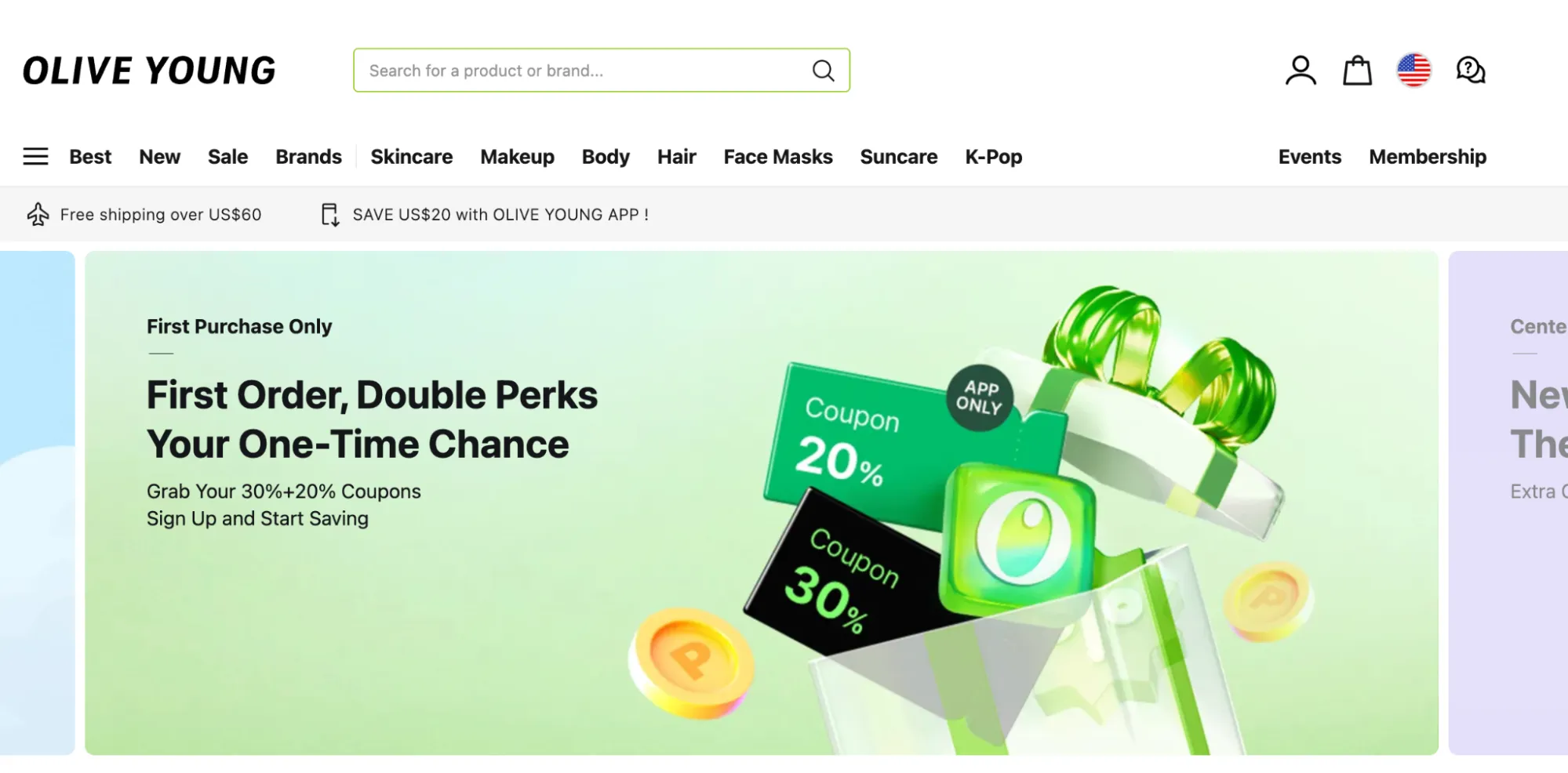
The huge South Korean marketplace Olive Young is officially entering the US market in 2026, and it’s a big move for K-beauty. They planned to open multiple stores in Los Angeles and launch a dedicated US online platform.
That means that K-beauty is now exporting its entire retail model, and becoming a player that can compete with Amazon — not because of wider choice, but curation and discovery.
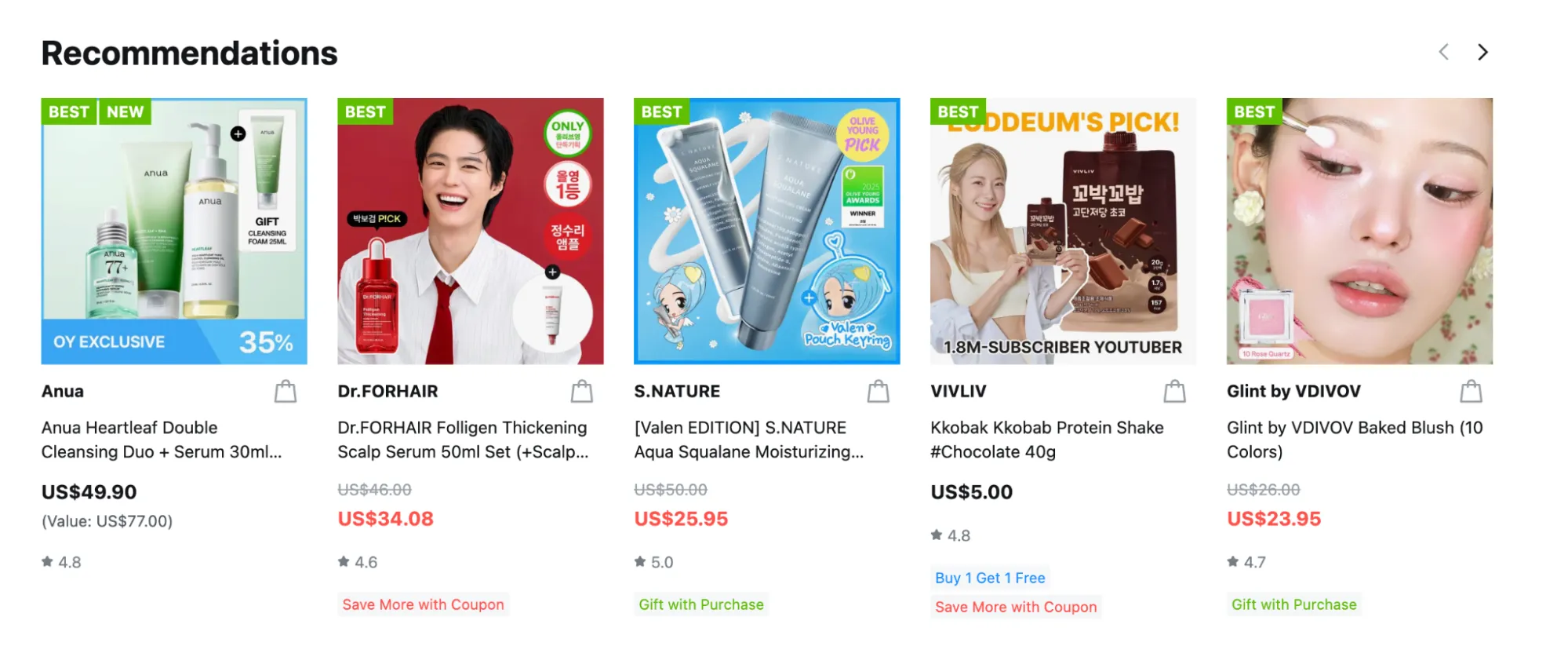
K-beauty marketplace creates a different kind of shopping experience: it offers a carefully selected assortment, making it easier for customers to decide what to buy.
What your business can learn about customer satisfaction:
-
Organize products by routines, ingredients, and skin concerns. This turns shopping into a guided customer experience instead of a search task — and that increases conversions.
-
Olive Young is where people go to see what’s trending. If your business can become a place people visit for inspiration, you build sustainable growth.
"Will Olive Young become an institutional competitor to Amazon? Absolutely not. However, will it be able to hold its own against Amazon in the beauty sector? Yes. Amazon isn’t particularly strong in this segment, so niche sites can maintain their positions."
Cyril Kuznetsov, Head of Marketplace Promotion at Netpeak
While Olive Young is just starting out, Amazon is already here and makes the weather. Read our article to find out the true cost of Amazon ads for beauty brands.
And to prove that we know what we're talking about, read how we helped a premium skincare brand, Lemon & Beaker, to increase Amazon sales by 80%.
#10: Realise That Multichannel Marketing Works Best
K-beauty brands build a connected journey where each channel supports the other:
-
TikTok creates interest
-
YouTube and website content explain how the product works
-
Google search builds trust through reviews about customer service experience and online visibility
-
marketplaces and stores close the sale
And it works: according to Harvard Business Review, omnichannel customers spend about 1.7× more than single-channel shoppers.
If you want to learn 7 tactics to drive sales and know more about every step of your marketing journey, read our article.
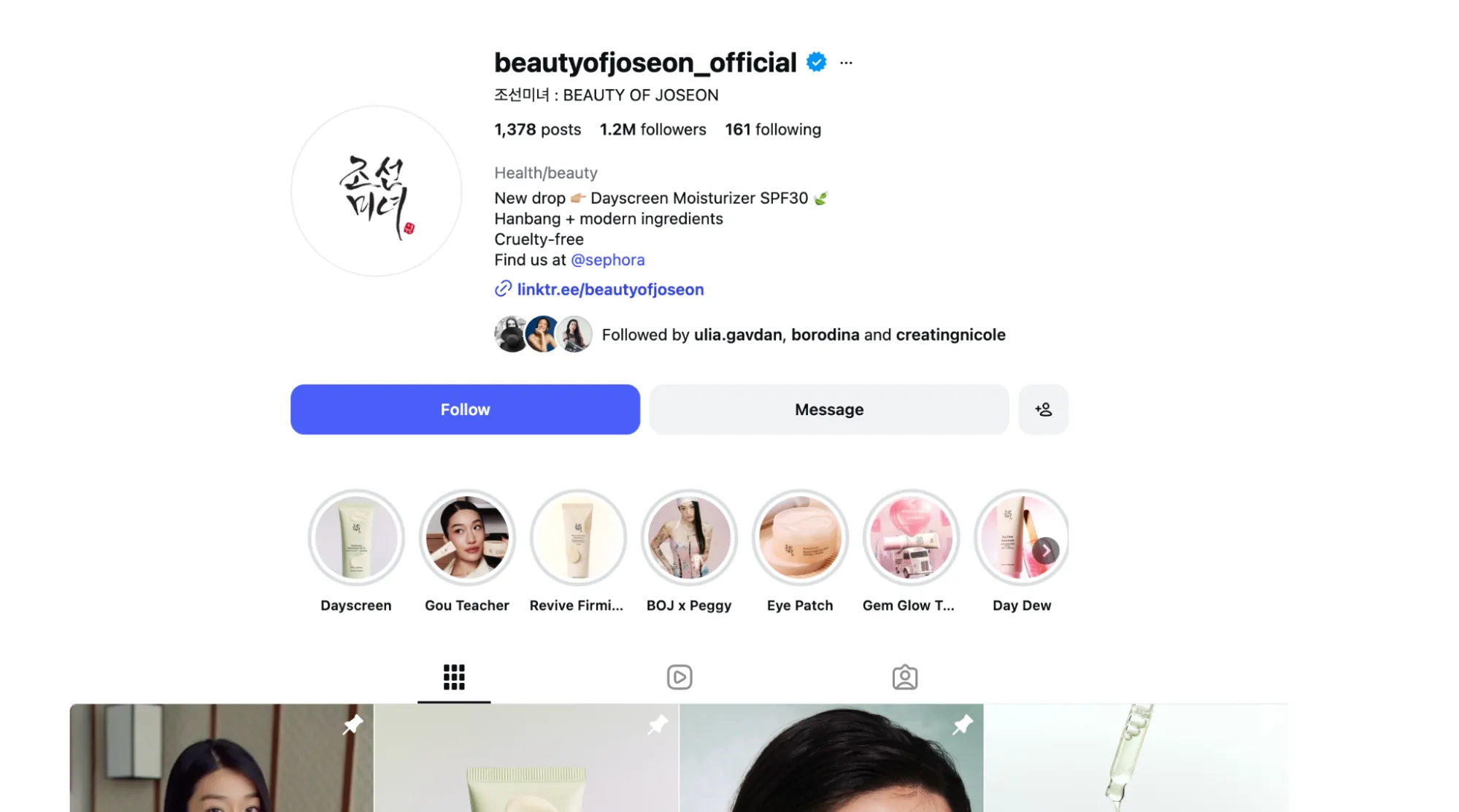
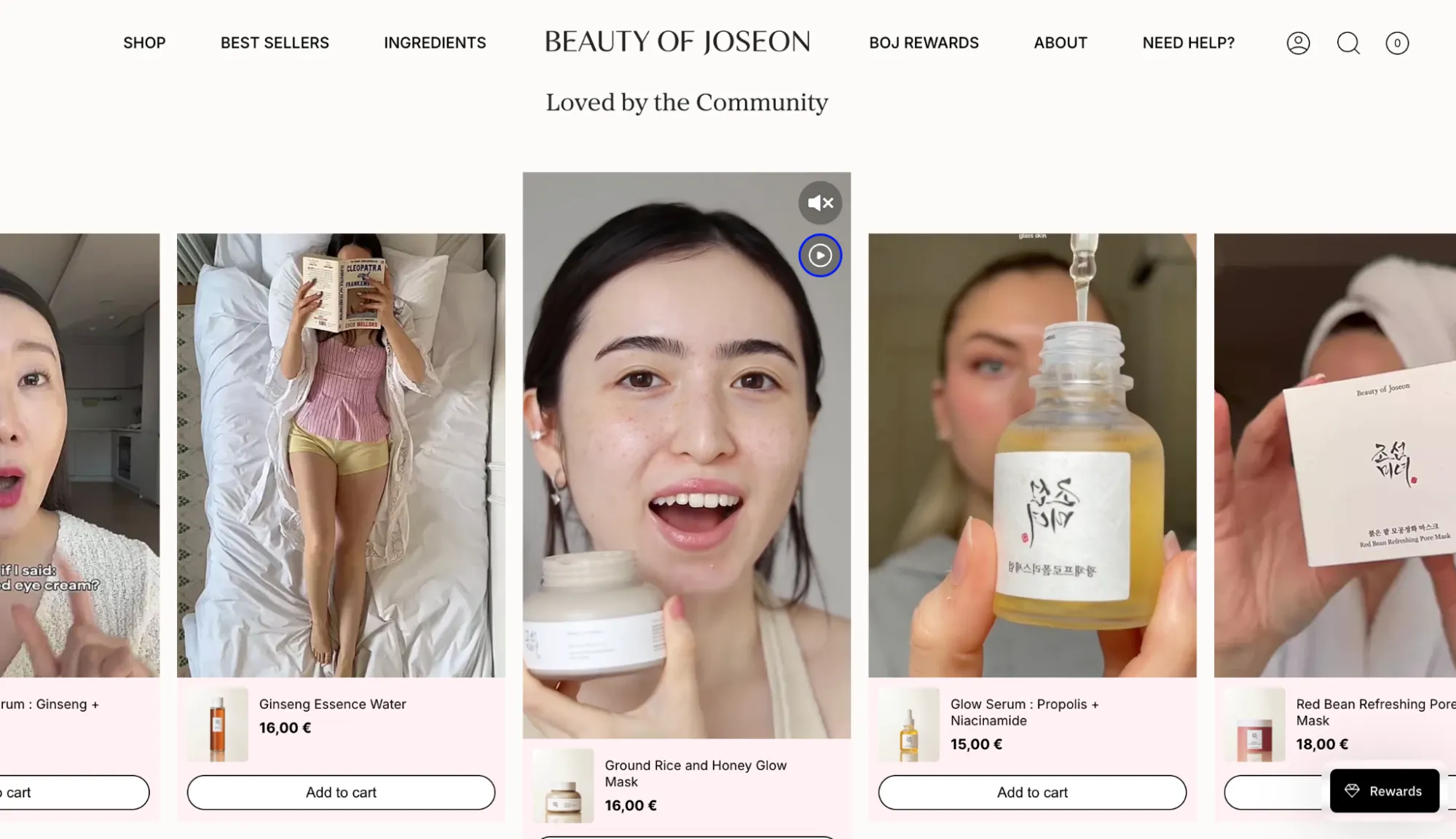
For example, Beauty of Joseon became globally popular after going viral on TikTok and Instagram, but most customers didn’t buy immediately — they searched for customer reviews, checked ingredients, and only then purchased.
This means your brand must have an online presence at every step too, not just the first one.
What your business can learn:
-
Don’t miss steps. Even if you go viral on TikTok, customers will still check YouTube, Google search results, blog posts, and reviews before buying.
-
Don’t do it alone. Turning your marketing into a system is a difficult job. You need to make sure that every channel supports the other, and traffic doesn’t get lost between platforms.
If you want to build a strategy like this and worry about your digital marketing results, it’s time to call us at Netpeak US. We know how to scale your beauty brand while staying within your budget.
4 Korean Cosmetics Brands That Created Global Buzz: Case Studies
K-beauty went global because certain brands cracked the formula for scaling attention into demand. Interesting that each one of them took a slightly different path. Let’s take a look.
#1: COSRX — The “Snail Mucin” Ingredient Viral Machine
COSRX created a weird-but-effective ingredient story: snail mucin. Its “Advanced Snail 96 Mucin Power Essence” became a TikTok/Amazon favorite and went viral. They turned one ingredient into a searchable category and won the market.
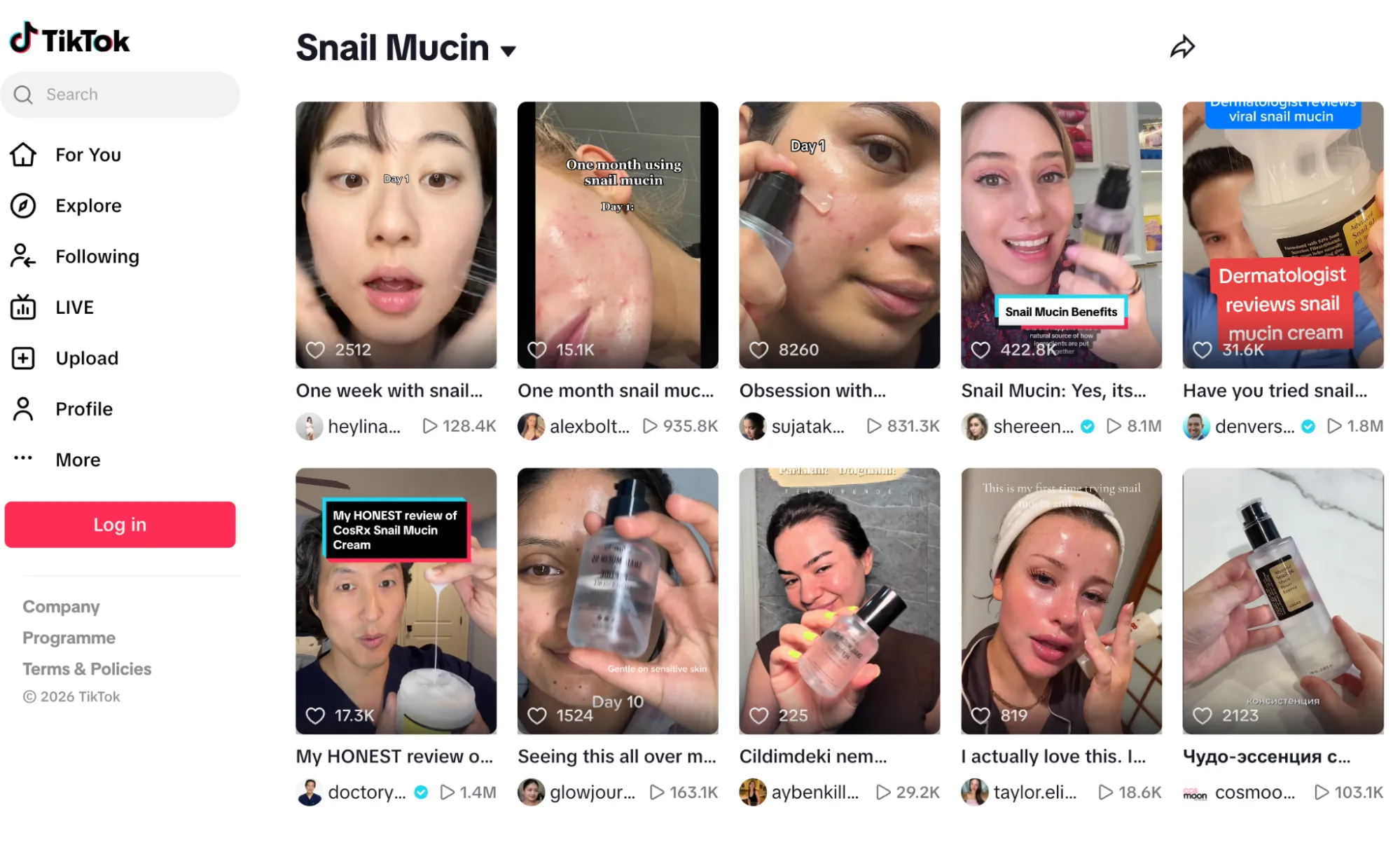
Results:
-
Snail mucin skincare is now a $1B+ global category, growing at 9-12% CAGR globally (Future Market Insights, 2025)
-
The hashtag COSRX surpassed 2+ BILLION views on TikTok (Beauty Packaging, 2023)
#2: Medicube — TikTok + Beauty Tech Breakout
Medicube is one of the strongest recent examples of K-beauty, going from social buzz to serious business scale. This international beauty-tech powerhouse highly relies on TikTok and hero products.
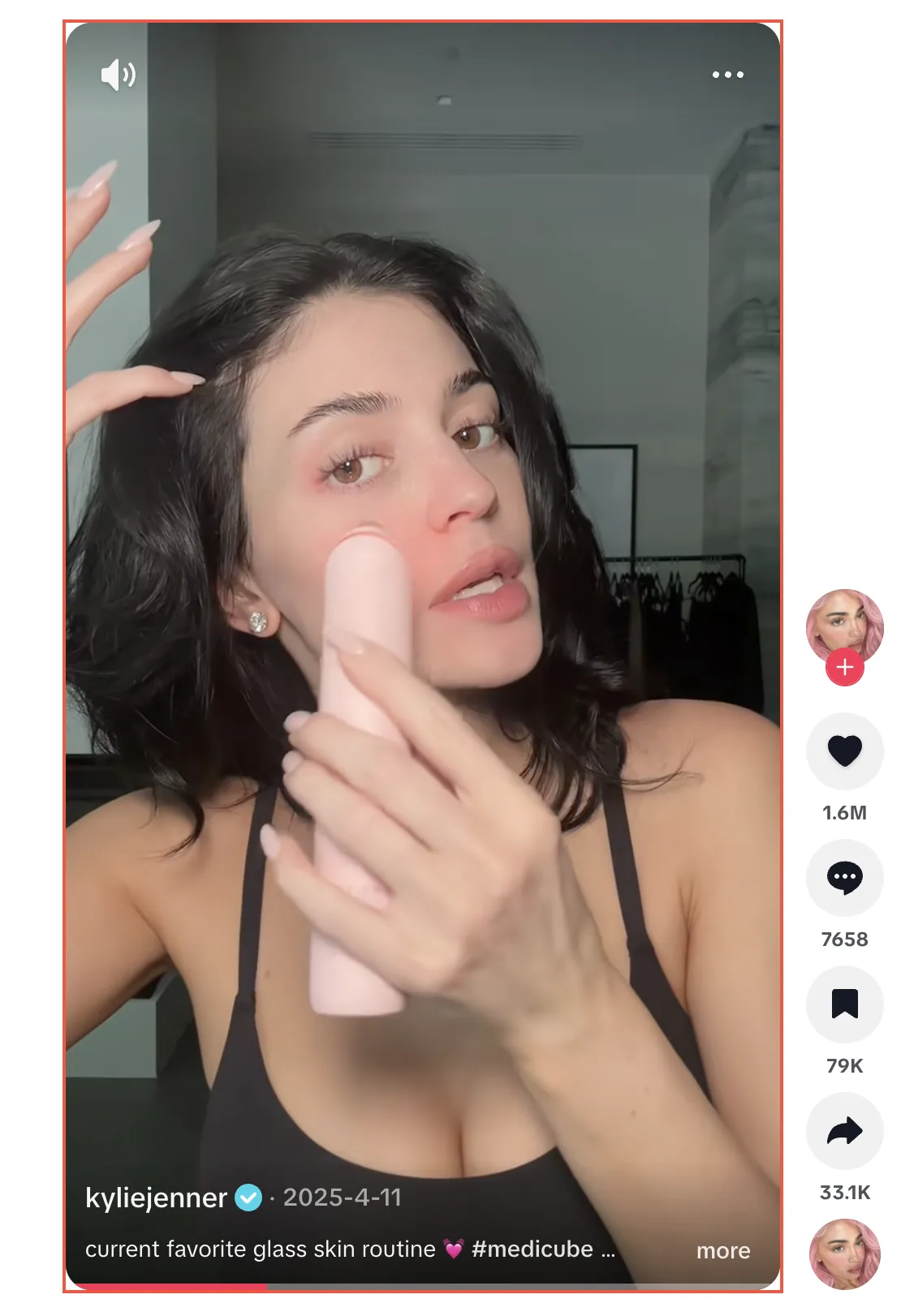
For example, Kylie Jenner recommended their “Age-R Booster Pro” device on her TikTok, and the post got 1.6M likes (Vogue, 2026).
Results:
-
The brand’s net worth is $1.1B, and it generated $22 million on Amazon Prime Day and $102.9 million on TikTok Shop
-
Medicube worked with over 34,000 content creators
-
Brand expanded into 1,400 Ulta Beauty stores (Vogue, 2026)
#3: Sulwhasoo — Luxury K-beauty Built on Heritage
Sulwhasoo created global buzz differently: through luxury Korean heritage. They use traditional Korean ingredients like ginseng and herbal formulas, and tell a story about ancient beauty rituals and culture.
But they wanted to attract younger global consumers too, so they partnered with BLACKPINK’s Rosé, who became Sulwhasoo’s global ambassador for the #SulwhasooRebloom campaign.
Results:
-
Sulwhasoo is named as a key growth driver for Amorepacific, and the group reached $3.18B revenue in 2025 (+8.5% YoY) (Amorepacific, 2026)
-
During Amazon’s US Black Friday/Cyber Monday period, Sulwhasoo sales grew 308% year over year (Amorepacific Stories, 2024)
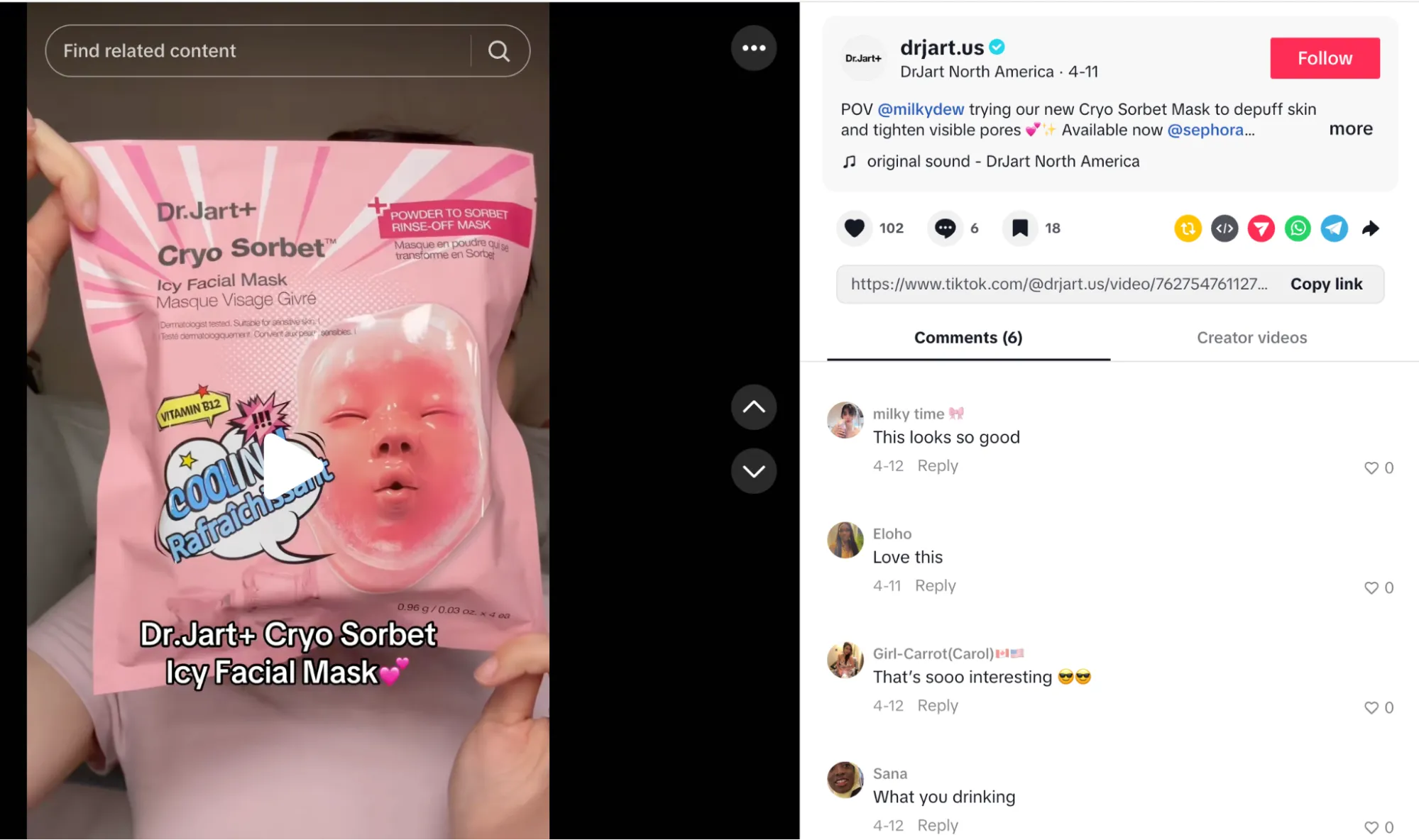
#4: Dr. Jart+ — K-beauty Science Brand
Dr. Jart+ becomes viral time and time again thanks to its playful branding and dermatologist-grade formulas.
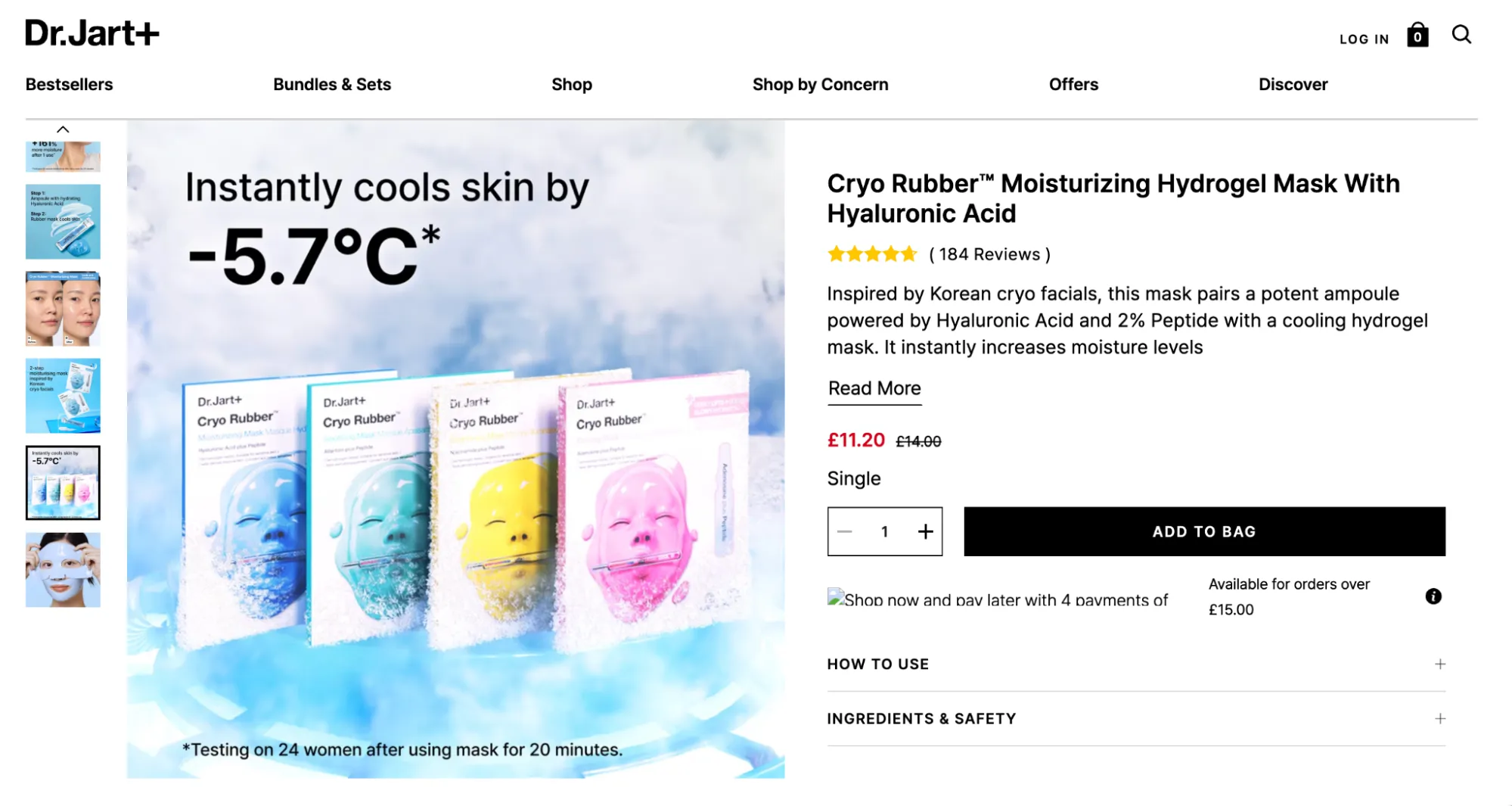
For example, its Cicapair line popularized “cica/centella” calming Korean skincare globally, and “Cryo Rubber” masks piqued interest for instantly cooling skin by -5.7°C.
Results:
-
Dr. Jart+ reached more than $500 million in net sales
-
The brand has since expanded to sell 50 products at Sephora outlets globally (Wikipedia)
-
Estée Lauder acquired Dr. Jart+ parent company Have & Be in a deal valuing the business at about $1.7 billion (Vogue Business, 2021).
Are you already inspired? We hope so. If you want seven more examples of beauty marketing that worked, read our article.
FAQ
What can Korean beauty marketing teach me as a business owner?
Korean beauty marketing teaches you to sell results and routines, not just individual products, so customers naturally buy more and stay longer. It also shows the power of combining blog content, culture, and distribution to turn attention into sales.
Why do Korean beauty brands focus on consumer education?
When customers know a lot about a product, they buy faster. When your brand explains ingredients and routines through content like articles or YouTube videos, you position yourself as an expert and improve your professional services.
Which beauty trends will be popular in 2026 marketing?
Expect to see growth of skinimalism (fewer, smarter products); AI-powered personalization; and ingredient-led storytelling. Marketing analytics show that user-generated content (UGC) and micro-influencers will outperform ads, especially on TikTok and Instagram. Curious why UGC consistently outperforms paid ads? Our breakdown of how UGC and algorithms turn content into viral trends explains the mechanism.
What mistakes should brands avoid based on the experience of the K-beauty industry?
-
Don’t rely on slow product cycles because delayed launches result in missed demand.
-
Avoid generic messaging. Without clear information about ingredients, proof, and positioning, customers will move on.
-
Don’t treat products as one-offs either. Failing to build a connected routine or upsell path leaves most of your revenue on the table.
Not every brand gets international retail right on the first try — see our roundup of market expansion mistakes to avoid for the cautionary tales.

 0
0
 0
0
 0
0
 0
0
Related Articles
Business Apps in the US: iOS vs. Android, September 2026
We searched for US App Store and Google Play data to see what business apps professionals, shoppers, and investors actually installed in September.
What Happens When Amazon Suppresses Your Listing? The New 2026 Rules
Under the new 2026 rules, Amazon warns you first and gives you a grace period to fix the issue.
Amazon’s New “Sourced from Brand” Buy Box Label: Who Gets It and Who Doesn’t
Amazon is rolling out a provenance line in the Buy Box. A short label under the Brand row now reads “Sourced from [Brand]” on amazon.com and “[Brand] approved” on amazon.de. It tells the shopper that the unit on offer came through the brand’s own supply c