
Black Friday Marketing 2026 in Europe: How to Win the Season Before It Starts
Black Friday marketing 2026 in Europe is decided long before the discounts go live. Google’s survey of thousands of Black Friday buyers shows that 84% were already holding a purchase back for November by midsummer, and 78% had their main item in mind before the first sale banner appeared. Black Friday falls on 27 November, but the real battle for that reserved money is happening now.
Black Friday no longer resembles the movie Jingle All the Way: it’s not a last-minute scramble for a single toy that’s already sold out. Today’s shoppers plan their purchases several months in advance, check price histories and reviews, and build their shopping carts by browsing offers across different stores.
This guide explains what this means for your business: when to start, which offers customers actually trust, where you should have a presence, and how to protect your margins. Use it to spend your budget on existing demand, rather than on discounts you never needed to offer in the first place.
At the end, you’ll find an 8-week plan, as well as a condensed version if you’re starting later.
Lessons to Take Away
-
Most shoppers decide what to buy before sales begin. You need to launch evergreen campaigns now.
-
7 in 10 shoppers hit a problem last Black Friday season. So, show honest prices, reviews, and delivery terms.
-
Most European shoppers buy from two or more shops. Action: cover Google, marketplaces, and video.
-
About 4 in 10 shoppers used an AI tool last year to find gift ideas, learn about the features of the items, and, of course, find the best places to buy them. Action: keep your product data and reviews easy for AI to read.
Black Friday 2026 in Europe: Key Dates
|
Date (2026) |
Moment |
Why it matters |
|
~28 Oct |
Start of the 30-day price window for a 27 Nov sale |
Prices you set from this date, including early promos, set the “before” price your discount is calculated from (EU Omnibus Directive). |
|
11 Nov |
Singles' Day |
Early test of offers and creative |
|
20 Nov |
"Fake Friday" |
Search demand is already near peak a week before Black Friday |
|
23 Nov |
Black Week begins |
Many retailers start their main promotions |
|
27 Nov |
Black Friday |
Peak day for offers |
|
30 Nov |
Cyber Monday |
Online-first second peak |
|
~6 Dec |
Cyber Week ends |
Dates vary by retailer |
|
Mid-Dec |
Christmas shipping cut-offs |
Vary by carrier and country, so confirm with yours |
Mark these dates in your calendar and plan backwards from 27 November. The 28 October date assumes your sale starts on 27 November; if you start discounting earlier, the window moves with you.
The EU rule says your “before” price must be the lowest price you charged in the 30 days before the discount, so an early offer on Singles' Day or Fake Friday lowers the price you can discount on Black Friday. Raising prices in late October won't help either.
Google’s Black Friday EU Marketing Research
Google shared its Black Friday in Europe '26 research of thousands of shoppers. The Netpeak team analysed it and kept the main insights for your business.
Why Black Friday Marketing 2026 Is Important for Your Business
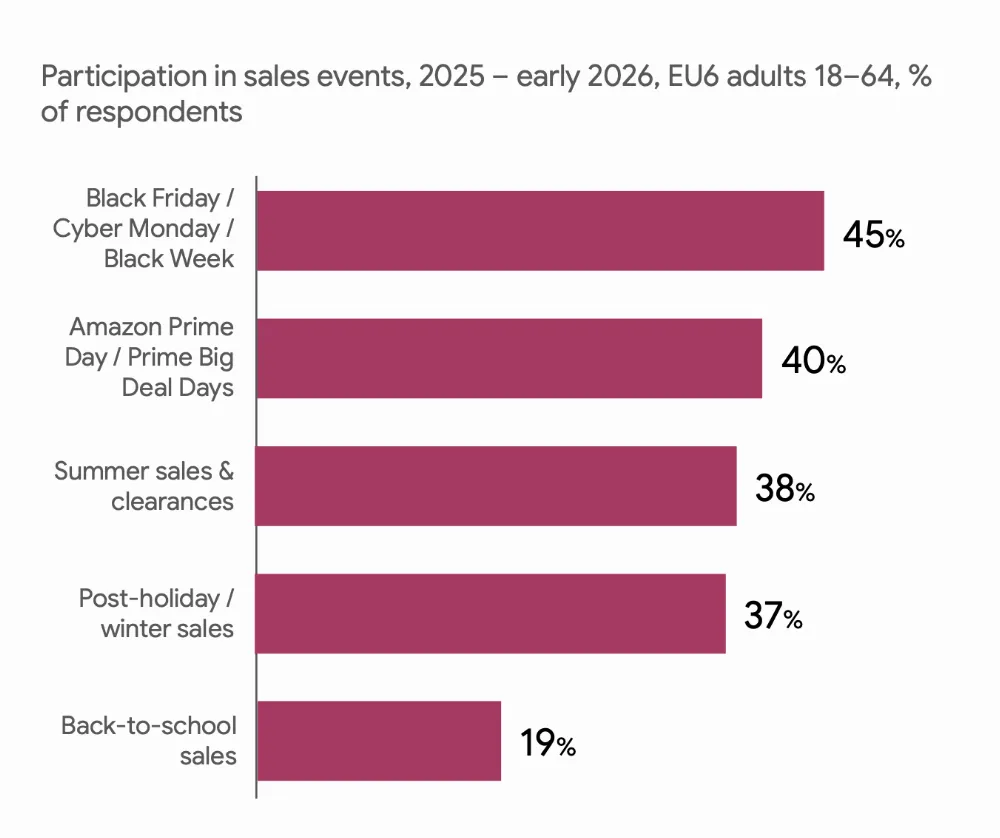
The research shows that Black Friday drew 57% of respondents, more than any other sales event. But shoppers didn’t save all their spending for it: 84% of Black Friday buyers also shopped other sales events that year, while just 1 in 6 shopped exclusively during Black Friday.
Source: Consumer survey conducted by Google (EU6: DE, FR, IT, ES, UK, PL; n = 6,514 adults aged 18–64), July–August 2026
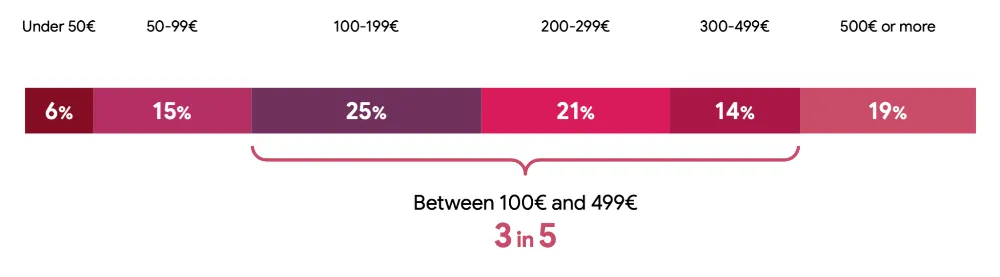
Shoppers are spending substantial sums, with most budgets sitting in the middle of the range: 3 in 5 respondents spend between 100 and 499 euro.
Source: Consumer survey conducted by Google (EU6: DE, FR, IT, ES, UK, PL; n = 6,514 adults aged 18–64), July–August 2026
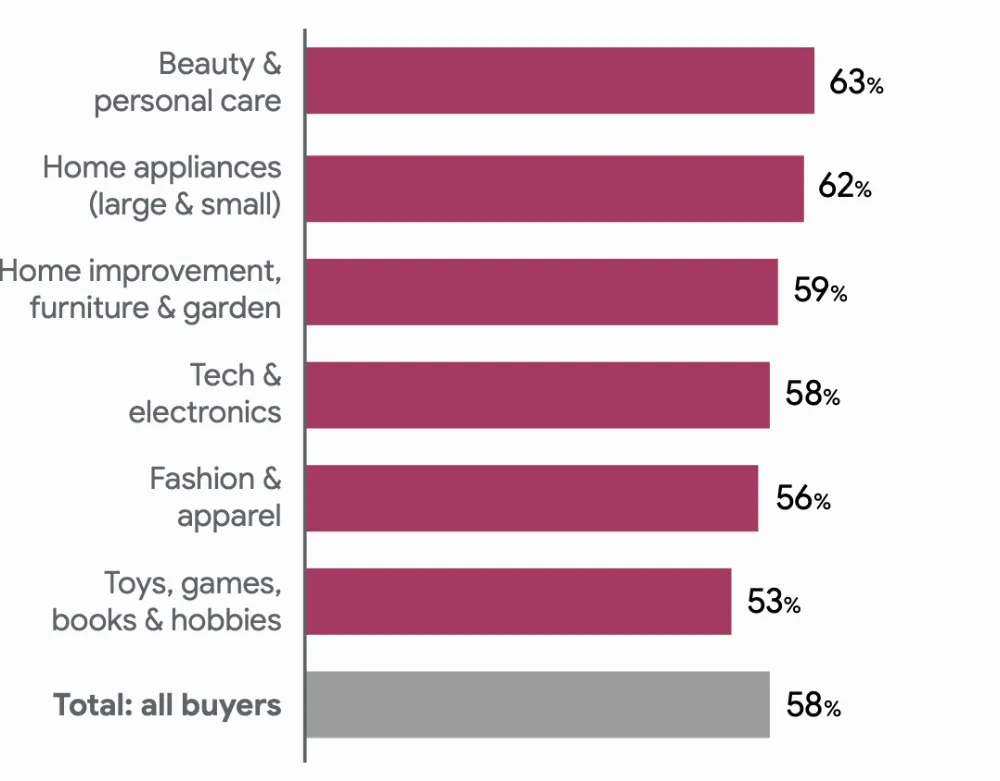
And Black Friday marketing is especially powerful if you're working in one of these niches: beauty and personal care, home appliances, home improvement (furniture and garden), tech and electronics, fashion and apparel, toys, games, books and hobbies.
Source: Consumer survey conducted by Google (EU6: DE, FR, IT, ES, UK, PL; n = 6,514 adults aged 18–64), July–August 2026
Insight 1: Black Friday Budgets Are Set Before November
Shoppers plan their big purchase months ahead and set money aside by midsummer. But much of that budget still has no brand’s name on it. The first race of the season is to become their choice before the sales begin.
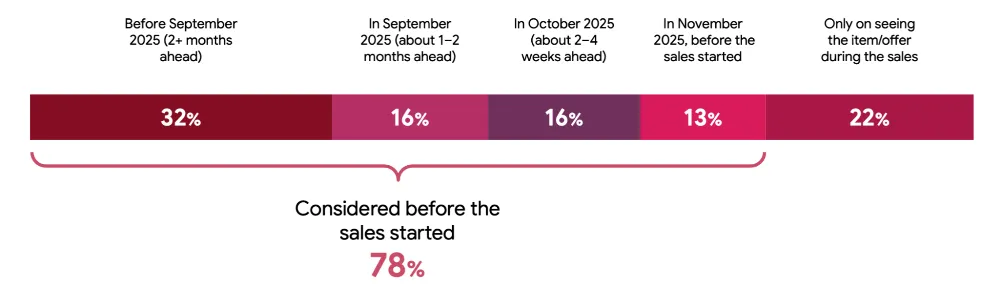
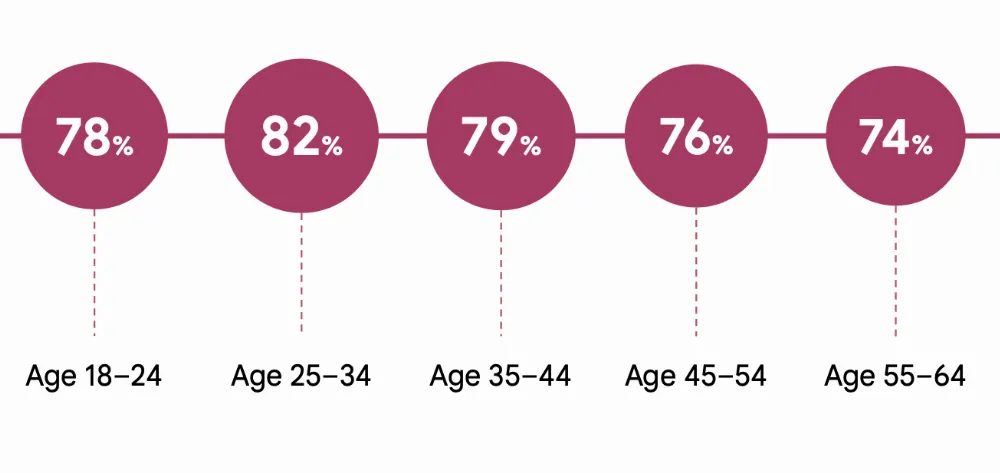
78% of Black Friday shoppers had already decided, well before the sale began, on the most expensive item they wanted to buy at a discount.
Source: Consumer survey conducted by Google (EU6: DE, FR, IT, ES, UK, PL; n = 6,514 adults aged 18–64), July–August 2026
And planning habit does not depend on respondents' age. It’s a mainstream behaviour.
Source: Consumer survey conducted by Google (EU6: DE, FR, IT, ES, UK, PL; n = 6,514 adults aged 18–64), July–August 2026
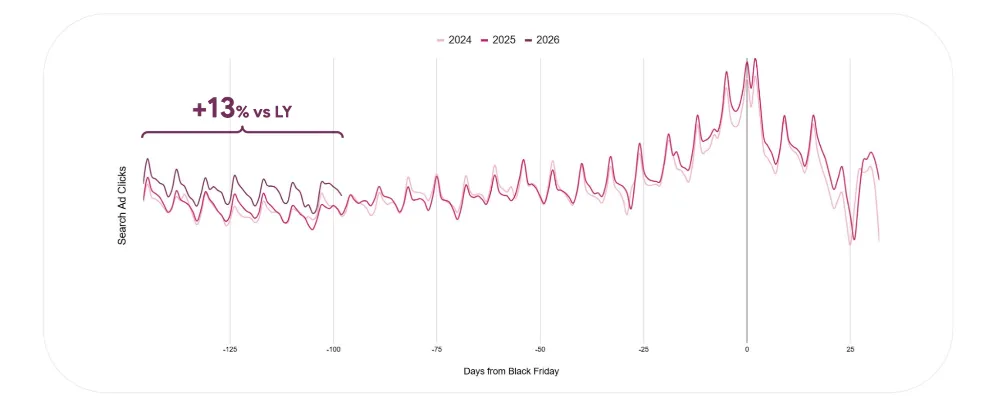
Data from Google confirms this: the number of clicks on ads in the retail sector rose by 13% compared to last year well before the start of the season, and on “Fake Friday” (the Friday one week before “Black Friday”), demand had already neared its peak.
Source: Consumer survey conducted by Google (EU6: DE, FR, IT, ES, UK, PL; n = 6,514 adults aged 18–64), July–August 2026
What it means. The first competition is not for attention during the sales. It is for money shoppers have already set aside. And much of it is unclaimed: 44% of shoppers holding a purchase back have nothing concrete in mind yet. That is your opening.
What to Do
-
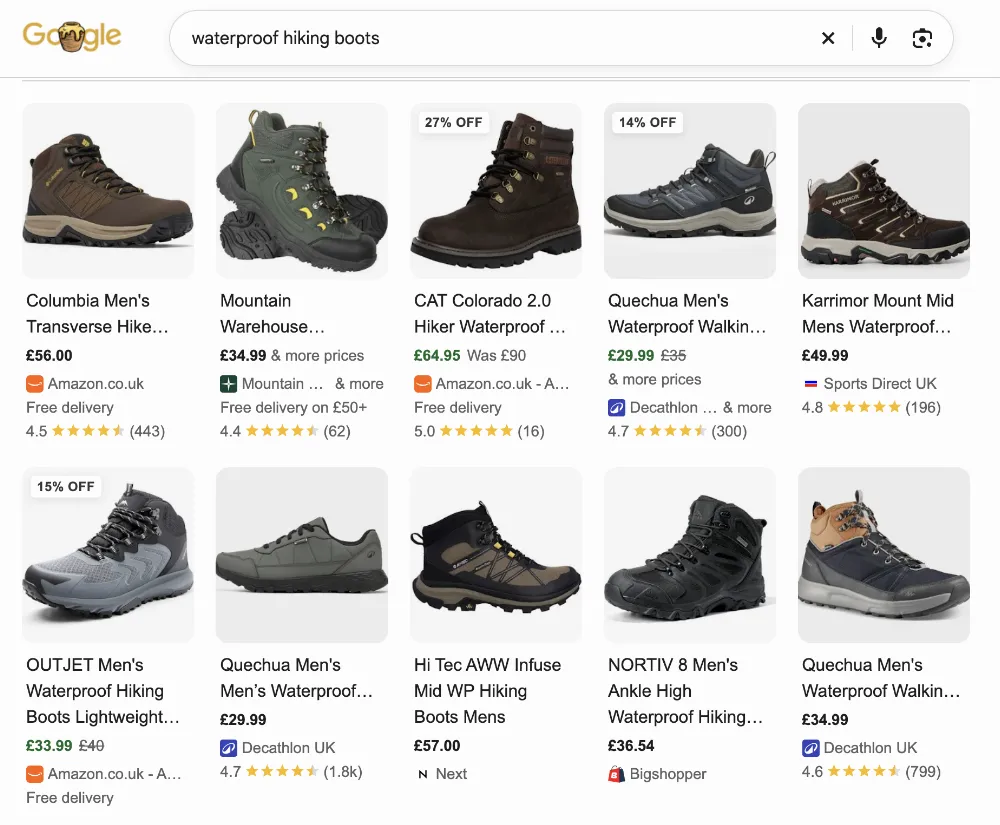
Start now, not in November. Run ads and content about the product category, not only your brand name (for example, “waterproof hiking boots”, not only your shop's name).
-
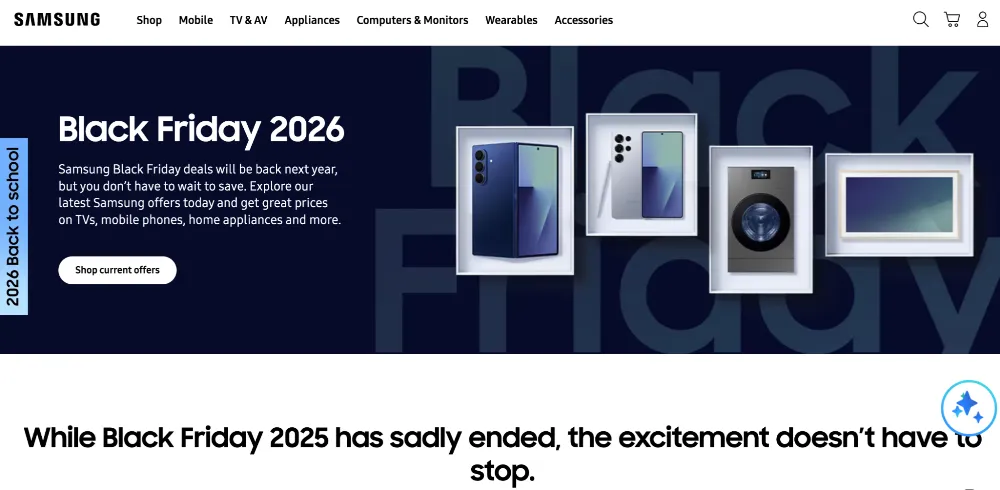
Keep one Black Friday page on the same web address every year and publish it early, so search engines have time to trust it.
-
Collect email addresses and cell phone numbers through early-access offers so you can reach out to customers on the day the sales begin. For example, Lowe’s official pre-Black Friday sales will begin on October 29, 2026—four weeks before the main event.
Early Planners vs Last-Minute Deal Hunters
Use different marketing tactics to catch both groups of buyers.
|
Early planners |
Last-minute deal hunters |
|
|
Who they are |
Thought about the item in September or earlier (about half of buyers) |
First saw the item during the sales (about one in five) |
|
What to do |
Reach them early with proof and reviews. Don't give them your deepest discount |
Create demand during the event with a clear offer and strong creative |
Both groups check prices and reviews before buying, so make both easy to find on your product pages.
Insight 2: Buyers Are Going to Check If Your Discounts Are Real
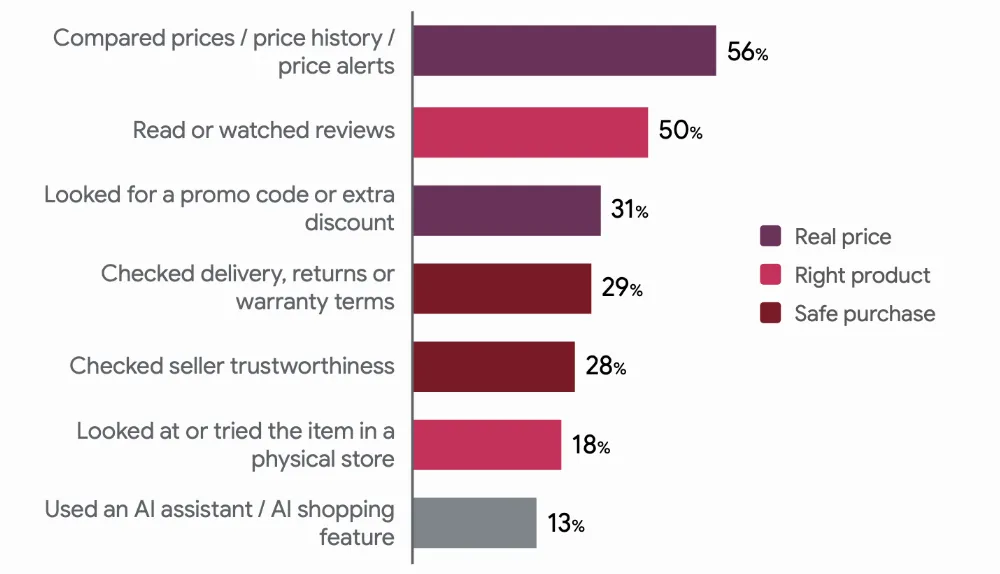
Shoppers check a deal before they trust it. Before buying their most expensive item, 56% compared prices or looked at price history, and 50% read or watched reviews.
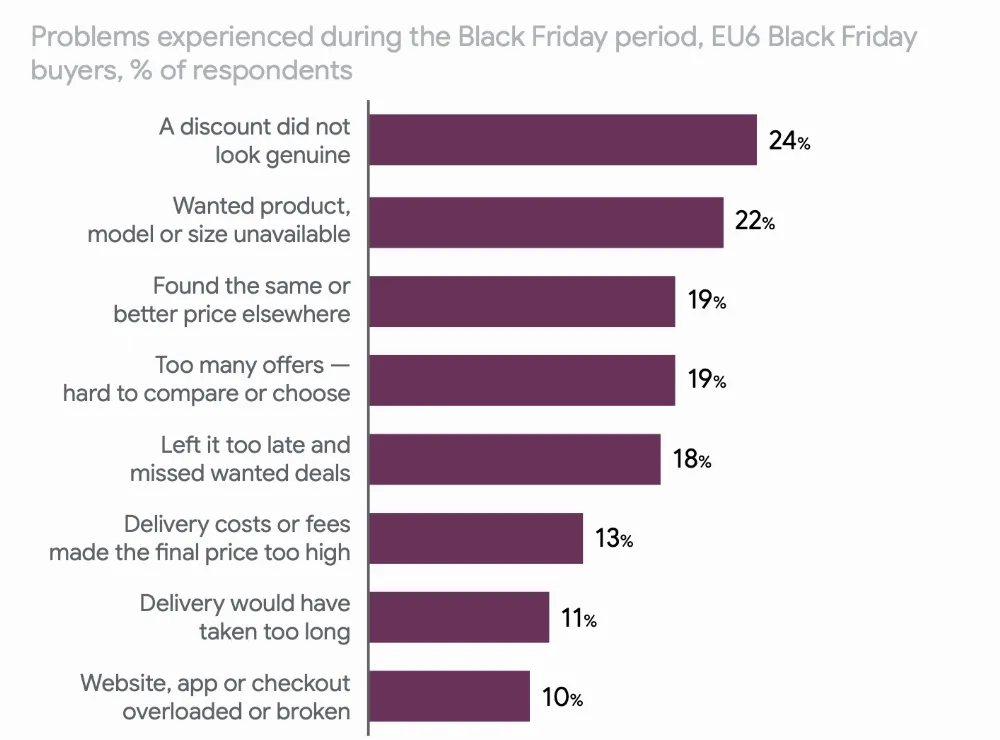
Last season taught them to be careful: 7 in 10 hit at least one problem.
Source: Consumer survey conducted by Google (EU6: DE, FR, IT, ES, UK, PL; n = 6,514 adults aged 18–64), July–August 2026
So, now 56% of shoppers compare price history, 50% read reviews, etc.
Source: Consumer survey conducted by Google (EU6: DE, FR, IT, ES, UK, PL; n = 6,514 adults aged 18–64), July–August 2026
What it means. The lowest final price is the most-named reason for choosing a shop (55%), but most shoppers also want clear prices with no hidden fees, easy delivery and returns, and a seller they trust.
Asked what they would have done without it, only 22% would not have bought at all, 12% would have paid full price straight away, and the rest would have bought something cheaper or waited. Much of your discount costs margin without driving sales.
What to Do
-
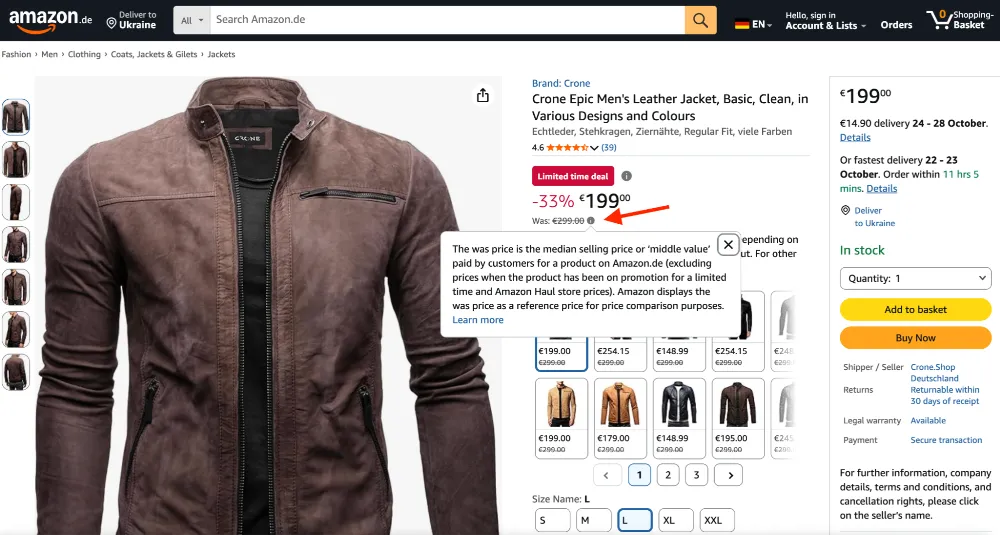
Along with the price, you should include supporting information: the exact “pre-discount” price or a price history, reviews, as well as shipping and return policies. Read how Amazon now punishes chronic discounters by recalculating their “sale” baseline downward.
-
Show the total price, including delivery, early, not at checkout.
-
Fix stock, delivery, and checkout before you buy traffic. Shoppers' top complaints were fake-looking discounts, missing sizes or products (22%), and delivery costs or delays.
-
Assume shoppers and journalists can check your price history.
For example, the consumer group Which? checks whether Black Friday prices are really lower. In its analysis of Black Friday 2024, it compared 175 home, tech and health appliances from eight retailers: every one was the same price or cheaper at other times of the year, and none was at its lowest price of the year on the day.
The EU 30-Day Reference Price Rule (Omnibus Directive) and UK DMCC
In plain English: when you announce a price cut, the “before” price you show must be the lowest price you charged in the 30 days before the cut, and the discount percentage must be calculated from it.
Example: you advertise 20% off, and the lowest price in the last 30 days was €40. The 20% must be calculated from €40, even if your price yesterday was higher (Directive on EUR-Lex).
What to Do
-
Keep a price history for every product from 28 October.
-
Plan early promotions carefully: a Singles' Day or Fake Friday offer lowers your reference price.
-
Make sure the price in your Google Shopping feed matches the price on the page.
The UK is outside the EU rule, but the Digital Markets, Competition and Consumers Act 2024 lets the CMA fine businesses directly for misleading prices, hidden fees and fake reviews.
Insight 3: Shoppers Discover and Compare Deals on Different Platforms
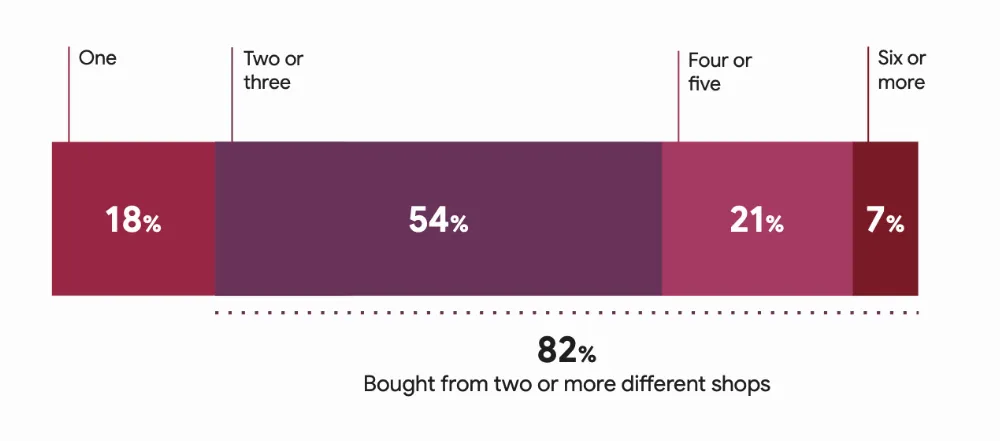
No destination owns the season. Shoppers build their own “shelf” across Google, marketplaces, video and AI. 82% bought from two or more different shops.
Source: Consumer survey conducted by Google (EU6: DE, FR, IT, ES, UK, PL; n = 6,514 adults aged 18–64), July–August 2026
Research mostly happens online: 81% say online research informed their decision, even though half of buyers had at least one physical-store step.
Here is what the survey shows by channel.
|
Channel |
Survey signal |
What to do |
|
Google Search & Google Shopping |
Pre-season ad clicks +13% YoY; 35–41% in every age band expect search engines to be a source of 2026 deals; 56% compare prices |
Start in September on category and generic intent; get feeds live early with prices, promotions and ratings |
|
Marketplaces |
39% bought their most expensive item on a marketplace or large online store, 21% from a specialist retailer, 12% direct from the brand, 8% in a department store |
Sell there where margins allow; protect your own site with exclusive bundles and better terms |
|
Ultra-low-cost platforms (Temu, Shein, AliExpress) |
54% bought in the past 6 months, about 31% say it replaced spend elsewhere; but only 4% bought their top item there |
Don't chase them on price. Their Search ad activity is down year on year, easing auction pressure |
|
Physical stores |
50% had a store step in their journey, from 44% of 55–64s to 58% of 18–24s |
Use local inventory and click & collect |
|
Social and video |
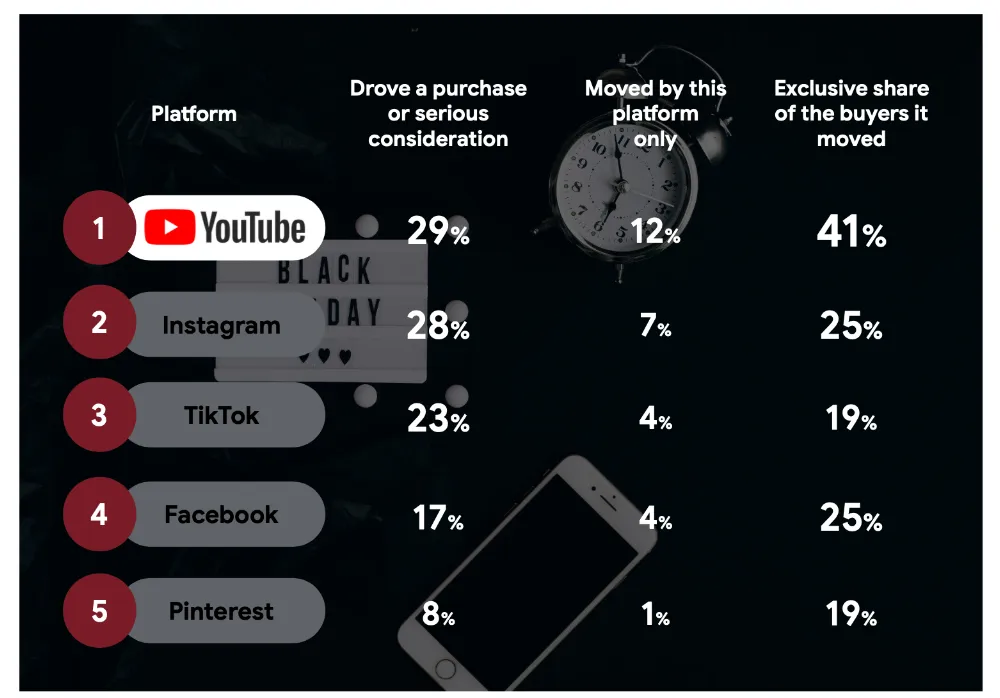
57% say a post or video drove a purchase or serious consideration: YouTube 29%, Instagram 28%, TikTok 23%, Facebook 17%, Pinterest 8% |
Treat creator video as performance, with ad rights secured early |
YouTube reaches people other platforms miss. A plan built only on Meta or TikTok leaves these buyers out.
Source: Consumer survey conducted by Google (EU6: DE, FR, IT, ES, UK, PL; n = 6,514 adults aged 18–64), July–August 2026
AI Assistants Are the New Deal-Hunting Step
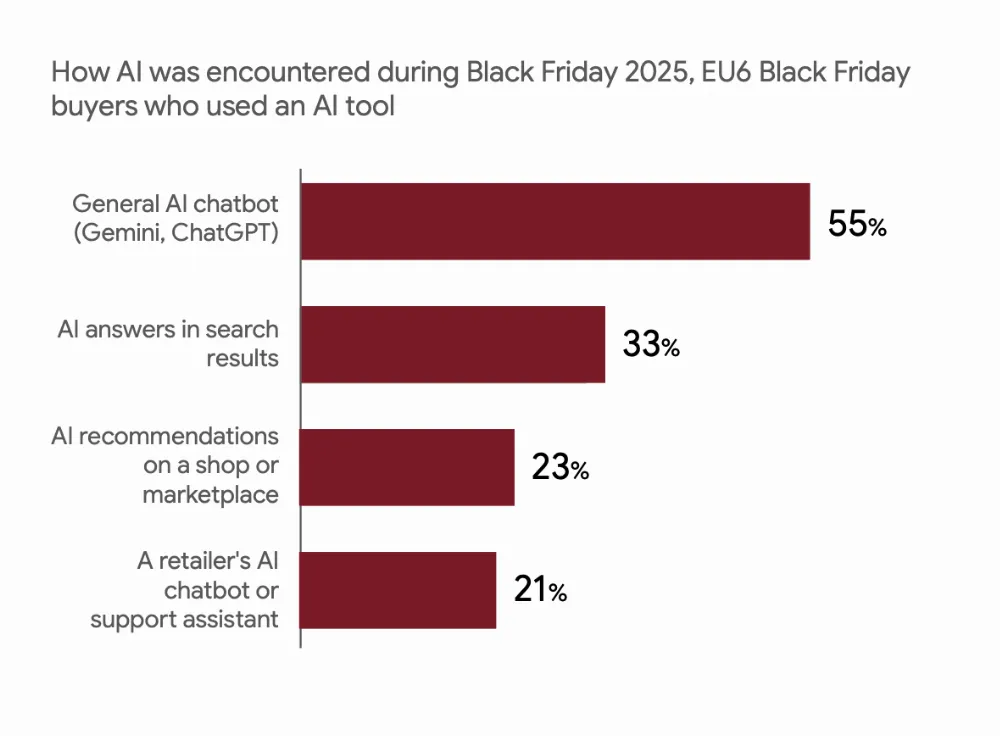
39% of buyers used an AI tool last Black Friday, and 56% expect to do so this year. Most (55%) opened a chatbot themselves, such as ChatGPT or Gemini.
Source: Consumer survey conducted by Google (EU6: DE, FR, IT, ES, UK, PL; n = 6,514 adults aged 18–64), July–August 2026
AI users are among the most committed shoppers: they were about twice as likely to be saving for a purchase of €500 or more (35% vs 18%). Yet 42% of buyers plan to use AI without expecting to find deals there.
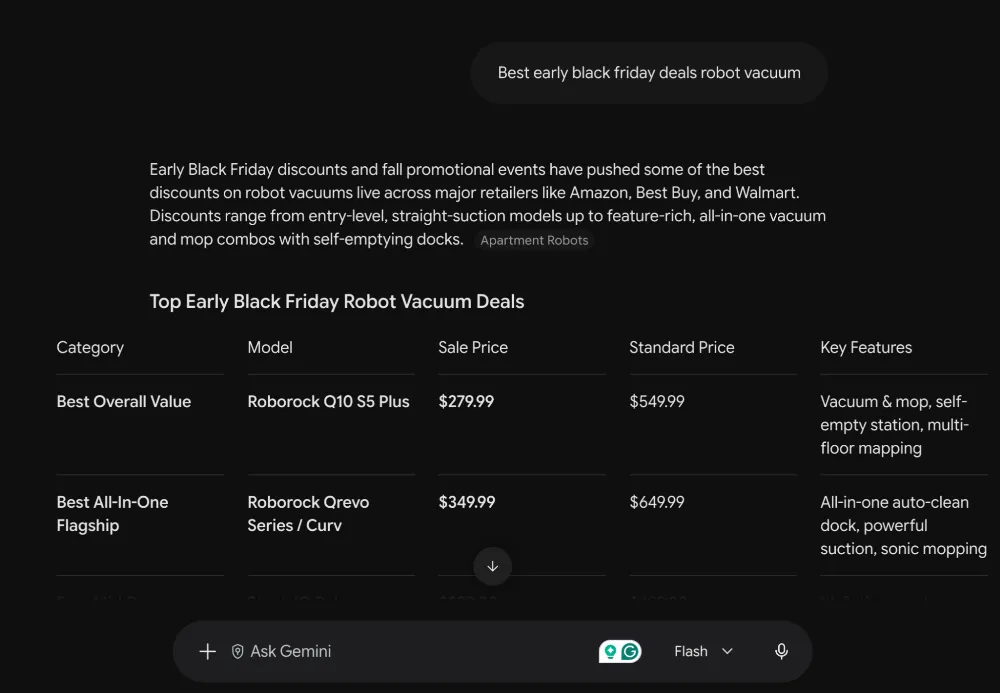
What it means. AI is becoming a research step. If an AI agent can't find or trust your product data, you are invisible to a growing group of committed shoppers.
What to Do:
-
Keep product data complete and accurate: price, stock, promotions, product codes, and delivery terms.
-
Put reviews, delivery and returns terms in plain text that can be read on the page.
-
Publish video. YouTube is the social source AI search cites most, according to HiGoodie's study of 6.1 million AI search citations.
-
Keep one up-to-date Black Friday page with clear offer terms.
Country-by-Сountry Playbook
Google's report gives totals for the six markets, not country splits. So, use this table as a starting point, then check your own Google Analytics 4 and Search Console data.
|
Market |
Where Shoppers Compare |
One Action |
|
Germany |
Amazon, Otto, Idealo |
Match feed and page prices to the 30-day reference price |
|
UK |
Amazon, eBay |
Audit “was” prices, fees and reviews against the DMCC Act |
|
France |
Amazon, Cdiscount, Fnac Darty |
Lead with delivery and returns terms in Shopping listings |
|
Italy |
Amazon, Unieuro |
Start category-level Search and Demand Gen in September |
|
Spain |
Amazon, El Corte Inglés, PcComponentes |
Test creator video on YouTube and Instagram before Black Week |
|
Poland |
Allegro, Amazon |
Plan for Black Week, not a single day, and budget for marketplace presence |
If you want to know more about international shopping, read our articles:
Black Friday Marketing Strategy: 8-Week Plan
Count back eight weeks from 27 November. If you are reading this in mid-October, you are already in week 2, so see the compressed version below.
With a small team, do three things first: check that your tracking records sales correctly, fix prices and stock in your product feed, and decide your offers and margin floors for each product.
|
Date |
Goal |
What to do |
|
|
1. |
5–11 Oct |
Decide offers, check tracking |
Set the lowest price you can accept for each product (your margin floor) and choose offers. Check that web analytics, cookie consent, and sales tracking work. Server-side tracking sends data from your own server and survives browser limits |
|
2. |
12–18 Oct |
Get found |
Publish your Black Friday page. Add prices, promotions, and ratings to your Merchant Center feed |
|
3. |
19–25 Oct |
Warm up ads |
Launch always-on Shopping/Performance Max and Demand Gen campaigns on category searches. Raise budgets 5–10% a week and keep a reserve for peak |
|
4. |
26 Oct–1 Nov |
Lock prices, grow lists |
Record reference prices as the 30-day window opens (~28 Oct). Collect email and SMS sign-ups with early-access offers |
|
5. |
2–8 Nov |
Get creative ready |
Finish and freeze ad creative, including creator and customer videos. Confirm ad rights with creators. Brief customer service |
|
6. |
9–15 Nov |
Protect the site |
Make only the fixes that protect sales. Test checkout under load. Show delivery, returns, and reviews clearly |
|
7. |
16–22 Nov |
Warm up the peak |
Run a Fake Friday teaser on 20 Nov. Loosen your cost and return targets (Google suggests about 30%) so you win auctions at peak. Upload promo ads paused, 1–2 days early |
|
8. |
23–29 Nov |
Peak |
Black Week and Black Friday on 27 Nov. Raise promo budgets in big steps, not small tweaks, and watch for campaigns running out of budget. Keep support staffed |
Starting late? A 3-Week Compressed Plan
-
Week 1 (9–15 Nov), foundations: Check tracking, fix feed prices and stock, set margin floors, record reference prices and freeze the site.
-
Week 2 (16–22 Nov), warm-up: Launch always-on Shopping/Performance Max, email existing customers, freeze creative, and run a Fake Friday teaser.
-
Week 3 (23–29 Nov), peak: Switch promo ads on, raise budgets in steps, staff support and review results daily.
Protect Your Margin: Offer Decision Framework
Since most discounts merely change the timing or product selection rather than generating new sales, choose an offer that’s tailored specifically to this product, rather than a blanket discount for the entire site.
(Gross profit is the amount remaining from the price after deducting the cost of goods.)
|
Margin |
Stock |
Demand |
Offer |
|
High |
Deep |
High |
Tiered discount (spend more, save more) |
|
High |
Deep |
Low |
Deep discount on selected products to move stock |
|
Medium |
Limited |
High |
Gift with purchase |
|
Medium |
Deep |
Low |
Bundle |
|
Low |
Any |
High |
No discount: sell on delivery, warranty and availability |
|
Low |
Deep |
Low |
Clearance only, no sitewide offer |
If your margin can't take a discount, give shoppers another reason to buy that fits your brand, such as trade-in, repairs or a guarantee.
For example, in 2020 IKEA ran Buy Back Friday in many countries: during Black Friday week, customers could return unwanted IKEA furniture for a voucher instead of chasing a price promotion. A majority of its countries now offer a permanent buy-back service.
After Black Friday: Cyber Week, December and Retention
“Cyber Monday” (November 30) is driving high online demand, and a second wave is expected in December.
One in six shoppers would have made a purchase in December even without a discount, so we should expect some demand to be brought forward. Retention helps them to come back to your store.
What to Do
-
Keep evergreen campaigns running, then return targets and budgets to normal after the peak.
-
Switch messages to Christmas delivery deadlines, then to store visits and click & collect as deadlines close.
-
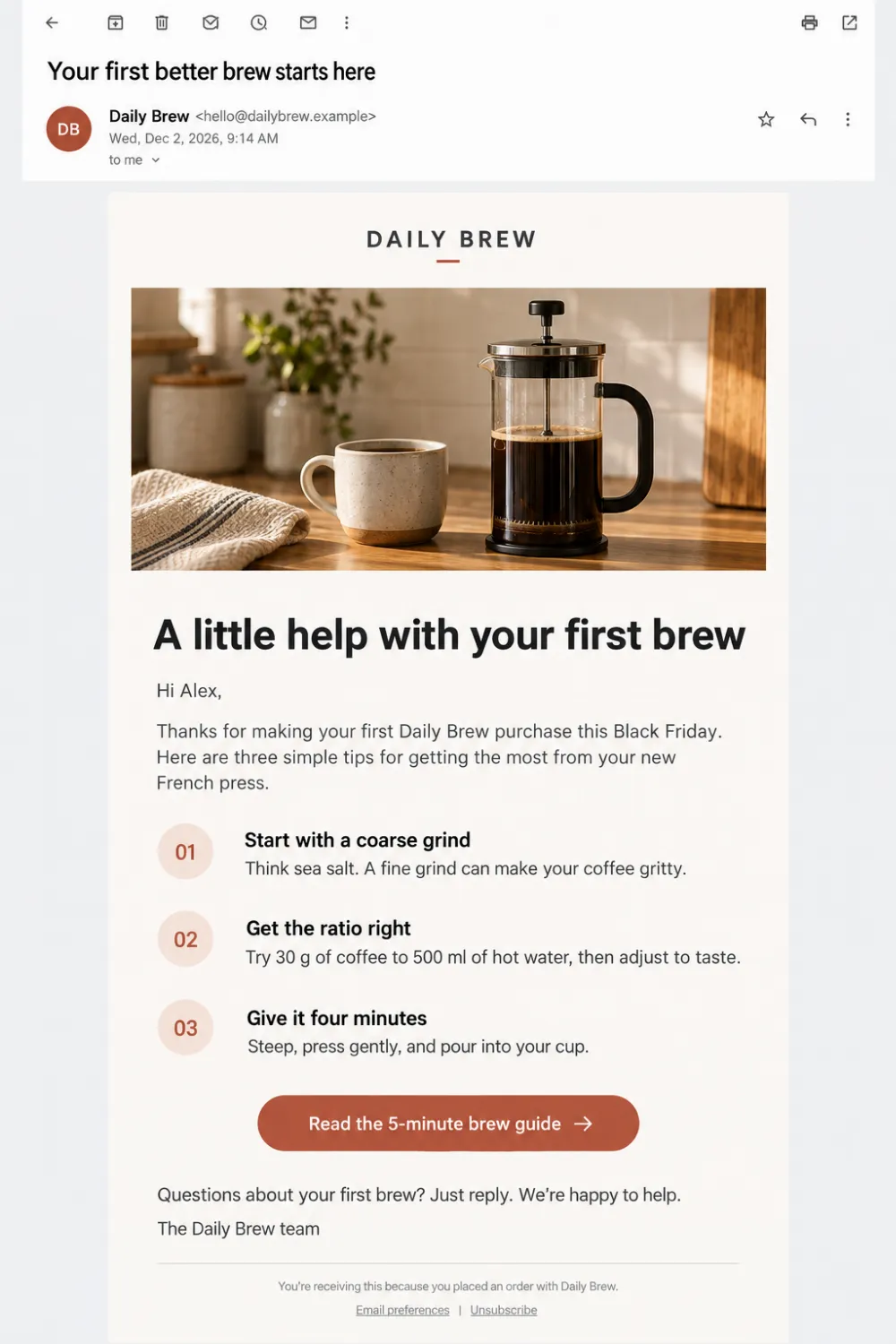
Email first-time Black Friday buyers within a week with a helpful follow-up, not another discount.
-
Review CAC (cost to win a customer), AOV (average order value), contribution margin and repeat-purchase rate. Run a lift test where you can, to see which spend created sales rather than just collected them.
Conclusion
“Black Friday” 2026 in Europe is, first and foremost, about money that has already been set aside in advance for the sales period. Most shoppers make their decisions in advance, check each offer for reliability, and visit various platforms.
The brands that will come out on top are those that start taking action now, confirm their prices, and cover their entire product range.
Netpeak's e-commerce marketing team can audit your PPC, Google Shopping, and tracking before peak season. Contact us to be ready for 27 November.
FAQ
When is Black Friday 2026 in Europe?
When should brands start Black Friday marketing 2026 in Europe?
What discount do European shoppers expect on Black Friday?
Which channels work best for Black Friday campaigns in Europe?
What is the EU 30-day price rule for Black Friday discounts?
Do European shoppers use AI assistants to find Black Friday deals?

 0
 0
 0
 0
Related Articles
What Is the Average Amazon PPC Cost in 2026 by Category?
Explore average Amazon PPC costs in 2026 by category, including CPC and ACoS, to help sellers plan and optimize ad spend.
Which Amazon Categories Are Growing Fastest in 2026?
Discover which Amazon categories are growing fastest in 2026, what is driving demand, and how sellers can identify promising categories and product opportunities.
Is Amazon Replacing My Hero Image With an AI Version? What Pet Brands Need to Know
Amazon now shows hero images in US search results that brands did not upload, and several look AI-rendered.