
What Is the Average Amazon PPC Cost in 2026 by Category?
In Ad Badger’s January–August 2026 sample, average Amazon PPC costs per click $1.05 for Health & Household ($2.01 in Pacvue’s sample), $1.18 for Beauty & Personal Care ($1.57 in Pacvue’s), $1.45 for Electronics, $0.91 for Pet Supplies ($1.88 in Pacvue’s), $0.38 for Books, $0.58 for Food & Grocery, and $0.72 for Clothing and Apparel.
What Do Amazon PPC Costs Actually Mean?
Amazon PPC means pay per click: you pay when someone clicks your ad. To understand what advertising could cost your business, start with two numbers: cost per click and advertising cost of sales.
What do they mean?
-
Cost per click (CPC) is the average price you pay for an ad click. If your CPC is $1, then 10 clicks cost $10.
-
Advertising cost of sales (ACoS) shows how much you spend on advertising compared with the revenue those ads generate. If you spend $25 on ads and those ads generate $100 in sales, your ACoS is 25%.
We compared data for different categories from two sources: Ad Badger’s January–August 2026 Amazon PPC benchmarks and Pacvue’s 2026 reports covering Q3 category benchmarks, Q2 Beauty & Personal Care, and Q2 Pet Supplies.
*Pacvue ACoS equivalents are calculated as 100 ÷ reported return on ad spend. These are calculated equivalents, not separately published average ACoS benchmarks.
Health & Household
Ad Badger reports $1.05 per click and 27% ACoS, while Pacvue reports $2.01 per click. That puts 100 clicks at roughly $105 or $201. At 27% ACoS, ads take $27 from every $100 in sales they generate — so check your margins before increasing spending.
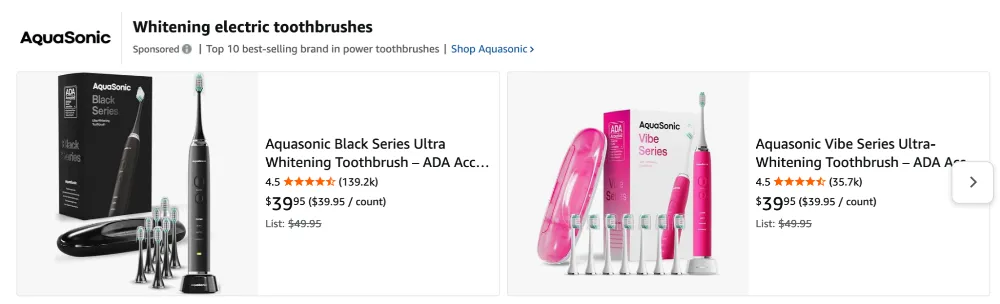
Beauty & Personal Care
Ad Badger reports $1.18 per click and 24% ACoS; Pacvue reports $1.57 per click and approximately 31.9% calculated ACoS*. 100 clicks would cost about $118 or $157, with ads taking roughly $24-32 of $100 in ad-generated sales. Your product margin needs to cover that.
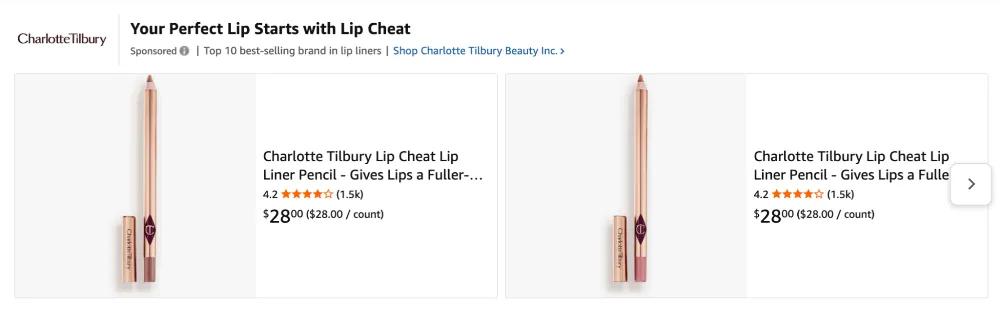
Electronics
Ad Badger reports $1.45 per click and 29% ACoS, putting 100 clicks at approximately $145. Pacvue’s return equals about 10.4% calculated ACoS*. Expensive clicks can still work if the resulting sales cover advertising and other costs.
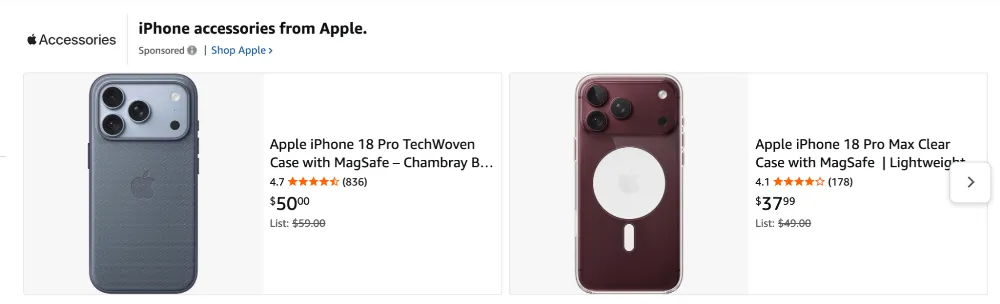
Pet Supplies
Ad Badger reports $0.91 per click and 26% ACoS; Pacvue reports $1.88 per click and approximately 30.5% calculated ACoS*. 100 clicks would cost around $91 or $188. You need to set budgets by product: a dog bed and a bag of treats leave different amounts to spend on ads.
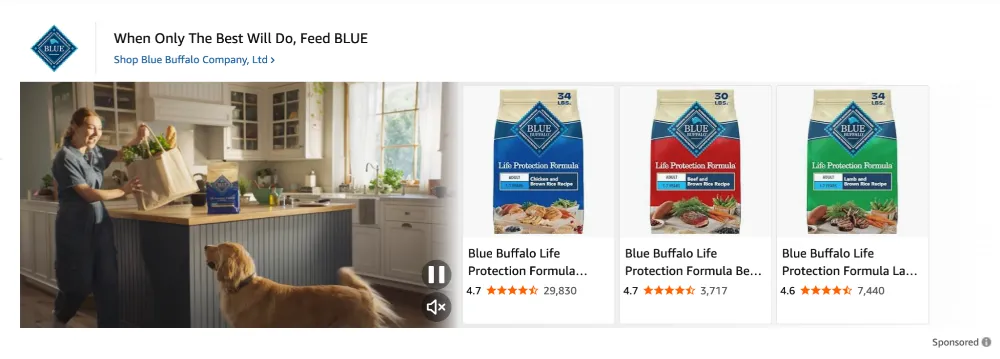
More deep dives into the pet category on Amazon here:
Books
Ad Badger reports $0.38 per click and 19% ACoS. 100 clicks would cost about $38, and ads take $19 per $100 in ad-generated sales. Clicks are inexpensive, but make sure they do not swallow your earnings per book.
Food & Grocery
Ad Badger reports $0.58 per click and 21% ACoS. 100 clicks would cost about $58, while ads take $21 per $100 in ad-generated sales. When product margins are small, you may not be able to afford even cheap clicks.
Clothing and Apparel
Ad Badger reports $0.72 per click and 42% ACoS. 100 clicks would cost about $72, but ads take $42 per $100 in ad-generated sales. That's why cheap clicks alone do not guarantee profitable advertising.
How Can Sellers Reduce Amazon PPC Costs in 2026?
These five actions help reduce wasted spending and generate more sales from your advertising budget. Each is supported by Amazon’s own guidance.
-
Target more specific keywords. Try “washable orthopedic dog bed” instead of only “dog bed”. Long-tail keywords generally have lower search volume but higher relevance (Amazon).
-
Improve your product listing. Use 4+ high-quality images and at least three bullet points with info (Amazon). If you turn more paid visits into purchases, your advertising cost per order would be lower without reducing bids.
-
Block irrelevant and consistently unprofitable searches. For example, a dog-bed seller could exclude “sewing patterns.” Use negative targeting to avoid spending on searches that do not meet campaign goals (Amazon).
-
Adjust bids based on placement results. Check whether prominent placements generate enough sales to justify their cost. Amazon allows placement bid adjustments, while its dynamic bids — down-only strategy reduces bids for clicks considered less likely to produce a sale.
-
Move spending toward profitable products and keywords. Increase bids on strong-performing targets and reduce bids or pause products that underperform (Amazon).
Are you selling on Amazon? Here are answers to some of your questions:
Not sure what your Amazon advertising budget should be? Netpeak USA can help you review campaign spending, identify wasted clicks, and set PPC targets around your products and margins.
FAQ
What Is a Good Amazon PPC CPC in 2026?
What Is a Good ACoS on Amazon in 2026?
Which Amazon Category Has the Highest PPC Cost?
How Much Should a New Amazon Seller Spend on PPC?
Why Is My Amazon CPC Higher Than the Category Average?

 0
 0
 0
 0
Related Articles
What Vibe Coding Means for Business: No Coding Skills, One Weekend, One SaaS
Vibecoding is changing the rules for front-end development and opening up new opportunities for businesses, but there are some nuances to consider.
Which Products Went Viral on Amazon in the Last 12 Months?
Amazon trending products from October 2025 to October 2026 are the AquaSonic Electric Pink Vibe toothbrush, Ninja SLUSHi frozen drink maker, Kodak PIXPRO FZ55 digital camera, ZELUS weighted vest, and NeeDoh squeeze toys.
Amazon's AI Now Builds Complete Looks on Product Pages. How Do Brands Make Sure the Bundle Is Theirs?
Amazon now uses AI to assemble complete, shoppable looks around a single product, and it fills those looks with whichever brands its model picks.